Clive Holden - Böcker
Visar alla böcker från författaren Clive Holden. Handla med fri frakt och snabb leverans.
5 produkter
5 produkter
178 kr
Skickas
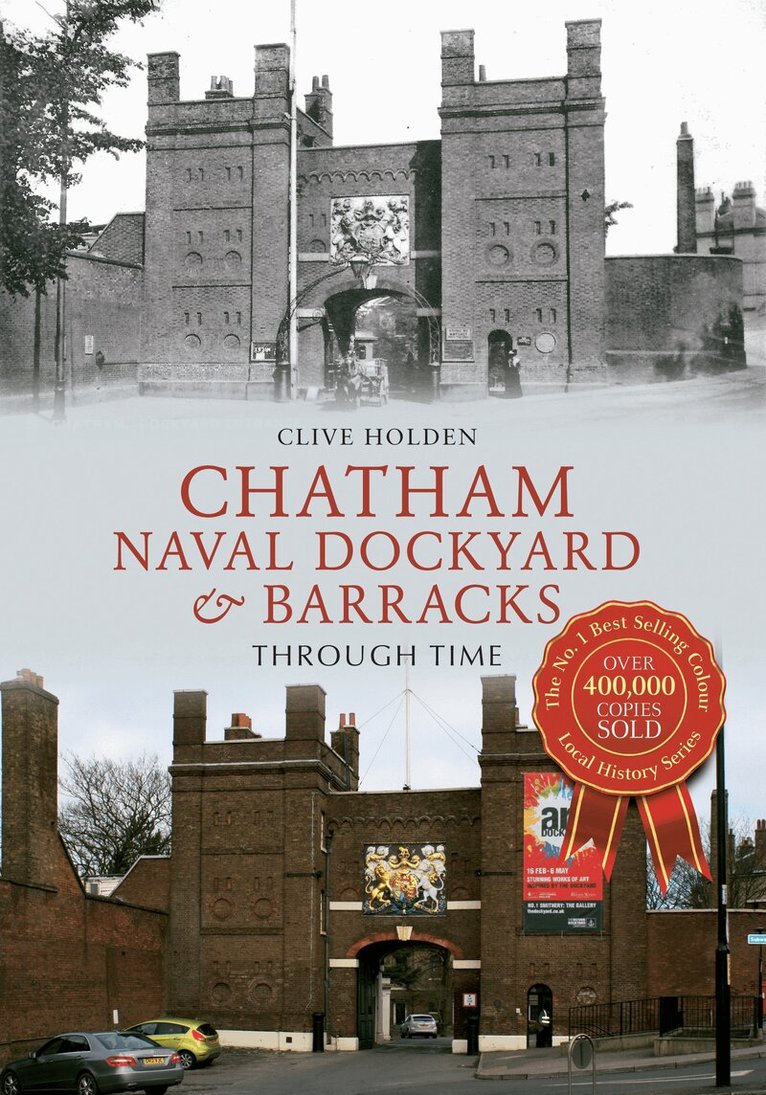
Chatham has had an association with the Royal Navy since Elizabethan times, moving to its current site in 1622. It provided the facilities to build, repair, maintain and supply ships. In the mid-nineteenth century, work began on expanding the dockyard into St Mary's Island, where three huge basins and five new docks were constructed, almost quadrupling its size, in order to support twentieth-century vessels. Work then commenced on a new home for Royal Navy seamen. The new barracks, HMS Pembroke, opened in 1903 providing accommodation for 5,000 officers and ratings for the following eighty years. The dockyard and barracks finally closed in 1984 and the Royal Navy bid farewell to Chatham. However, its legacy remains and its many historic dockyard and barrack buildings provide a warm welcome for residents and visitors alike.
189 kr
Tillfälligt slut
The River Medway travels through the highly populated areas of Gillingham, Chatham, Maidstone and Tonbridge, among a number of other smaller towns and villages. Married to the Thames, the Medway has a rich and varied history. Ancient sites are plentiful along the River Medway; Bronze Age, Iron Age and Roman evidence can all be found. Two military battles have also been named after the river: the Battle of the Medway during the Roman invasion of Britain; and the Raid on the Medway, which took place during the second Anglo-Dutch War. Today this heritage is celebrated with the Maidstone River Festival, which has been running for over thirty years. The River Medway is also used by many for recreational activities, including clubs and societies who use the water for paddling and other water sports. With all the Medway has to offer, including pubs, walking routes, wildlife, sites of historical interest and flora and fauna, this river is a delight for anyone who embarks upon its fabulous waters.
173 kr
Skickas inom 11-20 vardagar
Kent’s military heritage is well known because of popular tourist attractions such as Dover Castle or Chatham Dockyard, but there are also many lesser-known sites dotted around the county, each with their own story to tell. Most of the sites included here date from the Second World War but there are also many military installations from other eras, from the eerie remains of the towers in the Thames Estuary to the magnificence of Fort Burgoyne.Kent: Britain’s Frontline County examines the fascinating ways in which Kent has protected and defended Britain over the centuries. Local author and historian Clive Holden has carefully documented each of these secret gems and photographed them in full colour, giving the reader a wonderful insight into a lesser-known aspect of Kent’s proud heritage.
163 kr
Skickas inom 11-20 vardagar
Chatham has a rich military heritage dating back to the Roman occupation. Remains of a Roman military building on the high ground above the town were discovered in 1779. Following the Battle of Aylesford in AD 455, this same strategic high ground was occupied by one of the victorious Jutish warlike tribes, the Ceatta from which the town takes its name.In Chatham’s Military Heritage local military historian Clive Holden focuses on Chatham’s most active military period from the founding of the Royal Dockyard in the mid-sixteenth century to the Royal Navy’s withdrawal in 1984 and the subsequent run-down of its other military facilities since then. It covers Chatham’s activities in both world wars, the Cold War and earlier conflicts with the Dutch and French. As well as the wars, the book details the development of the dockyard, the area’s various barracks, buildings, forts and fortifications and the social and environmental effects they had on the locality, together with some of the major military personalities connected with the town.
173 kr
Skickas
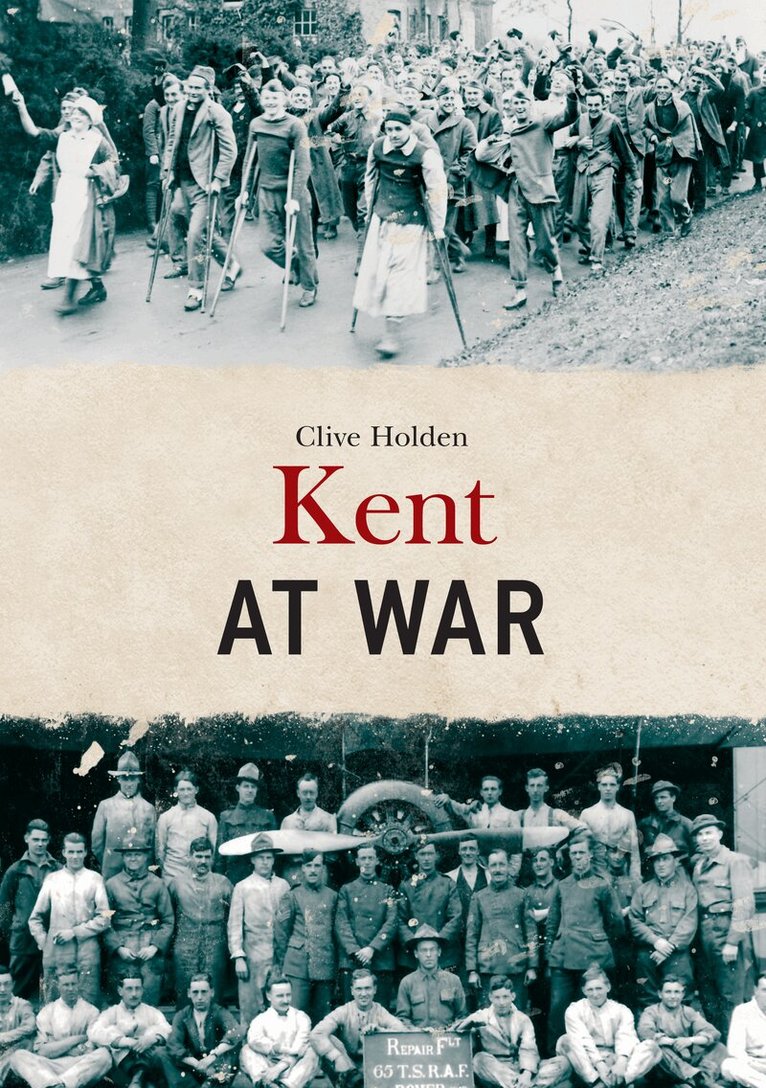
Kent has a long and illustrious military history dating back to the Roman occupation but the first great conflict of the twentieth century brought the horrors of war to a new generation. Thousands of the county’s finest young men were sent off to fight in battlefields around the world including Europe’s Western Front, which was less than a day’s travel from Kent. Because of its proximity to this major war zone, Kent came to play a pivotal role in the conflict. The ports of Dover and Folkestone were the main staging posts for the British Expeditionary Force and the primary points of arrival for the thousands of wounded servicemen being repatriated from the Front. Its hospitals cared for the wounded and its munitions factories produced the armaments needed to fight the war.The county’s geographical position also made it a prime target for German air raids and naval bombardments, which brought the terrors of modern war to the civilian population for the first time.Kent at War tells the remarkable story of the First World War as it unfolded and affected the county and its people.