Colin Williamson - Böcker
Visar alla böcker från författaren Colin Williamson. Handla med fri frakt och snabb leverans.
4 produkter
4 produkter
1 629 kr
Skickas inom 7-10 vardagar
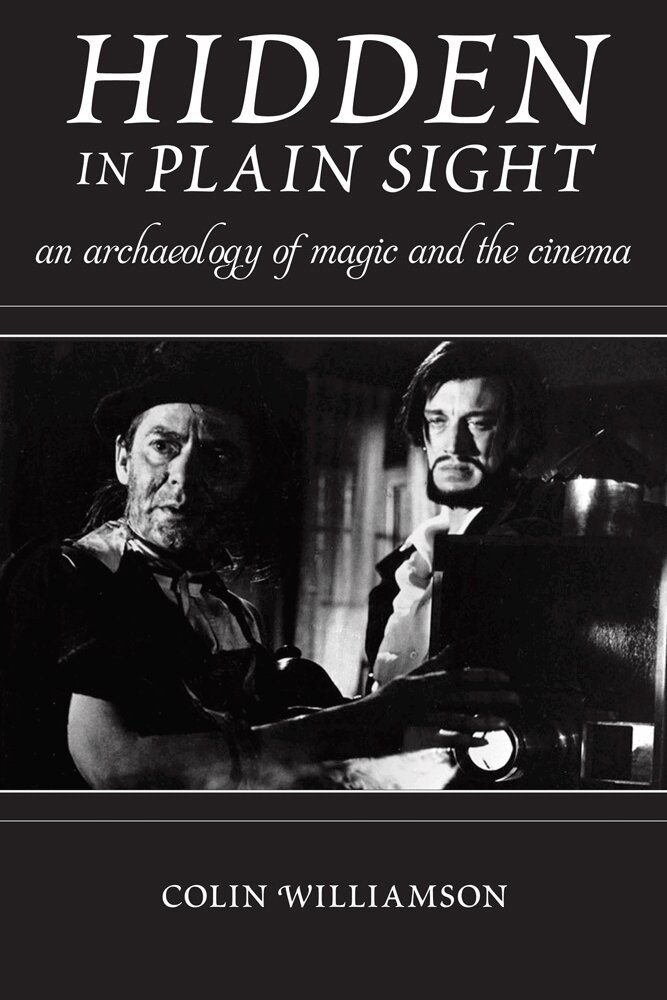
What does it mean to describe cinematic effects as “movie magic,” to compare filmmakers to magicians, or to say that the cinema is all a “trick”? The heyday of stage illusionism was over a century ago, so why do such performances still serve as a key reference point for understanding filmmaking, especially now that so much of the cinema rests on the use of computers? To answer these questions, Colin Williamson situates film within a long tradition of magical practices that combine art and science, involve deception and discovery, and evoke two forms of wonder-both awe at the illusion displayed and curiosity about how it was performed. He thus considers how, even as they mystify audiences, cinematic illusions also inspire them to learn more about the technologies and techniques behind moving images. Tracing the overlaps between the worlds of magic and filmmaking, Hidden in Plain Sight examines how professional illusionists and their tricks have been represented onscreen, while also considering stage magicians who have stepped behind the camera, from Georges MÉliÈs to Ricky Jay. Williamson offers an insightful, wide-ranging investigation of how the cinema has functioned as a “device of wonder” for more than a century, while also exploring how several key filmmakers, from Orson Welles to Christopher Nolan and Martin Scorsese, employ the rhetoric of magic. Examining pre-cinematic visual culture, animation, nonfiction film, and the digital trickery of today’s CGI spectacles, Hidden in Plain Sight provides an eye-opening look at the powerful ways that magic has shaped our modes of perception and our experiences of the cinema.
1 227 kr
Kommande
How twentieth-century developments in science influenced the aesthetics of the burgeoning American cartoonWhat do technical renderings of plant cells in trees have to do with Disney’s animated opus Fantasia? Quite a bit, as it turns out: such emergent scientific models and ideas about nature were an important inspiration for Disney’s groundbreaking animated realism. In Drawn to Nature, Colin Williamson presents a vivid portrait of how developments in biology, physics, and geology between 1900 and the long 1960s influenced not just Disney but the American cartoon industry as a whole. Drawing on original research on the scientific appetites of animators and studios such as Winsor McCay, the Fleischer Brothers, Walt Disney, and United Productions of America, Williamson opens new avenues for understanding the history and aesthetics of cartoons. Interrogating the differences between art and science and reconsidering the realms of dream, magic, and fantasy as they pertain to pop culture, he yields novel proposals for bridging longstanding divides between animation, live-action cinema, and the history of science. Drawn to Nature not only illuminates the extent to which animators have drawn on scientific insights, it also considers seriously how commercial animations themselves participate in scientific discourse. It revises and revitalizes our existing narratives about the history of American animation to uncover the many ways science informs our collective cultural imagination.
282 kr
Skickas inom 7-10 vardagar
How twentieth-century developments in science influenced the aesthetics of the burgeoning American cartoonWhat do technical renderings of plant cells in trees have to do with Disney’s animated opus Fantasia? Quite a bit, as it turns out: such emergent scientific models and ideas about nature were an important inspiration for Disney’s groundbreaking animated realism. In Drawn to Nature, Colin Williamson presents a vivid portrait of how developments in biology, physics, and geology between 1900 and the long 1960s influenced not just Disney but the American cartoon industry as a whole. Drawing on original research on the scientific appetites of animators and studios such as Winsor McCay, the Fleischer Brothers, Walt Disney, and United Productions of America, Williamson opens new avenues for understanding the history and aesthetics of cartoons. Interrogating the differences between art and science and reconsidering the realms of dream, magic, and fantasy as they pertain to pop culture, he yields novel proposals for bridging longstanding divides between animation, live-action cinema, and the history of science. Drawn to Nature not only illuminates the extent to which animators have drawn on scientific insights, it also considers seriously how commercial animations themselves participate in scientific discourse. It revises and revitalizes our existing narratives about the history of American animation to uncover the many ways science informs our collective cultural imagination.
Copy/Rights and Early Cinema
Proceedings of the 17th International Domitor Conference
Häftad, Engelska, 2026
464 kr
Kommande
Histories of early cinema often focus on technological, social, and aesthetic developments in the medium. But cinema also posed legal challenges throughout the world and continues to do so in the era of digital media and AI. The methods used to establish and defend copyright varied across national contexts and changed over time, shaping how films were circulated and preserved. This edited volume includes essays based on conference papers given at the 17th Domitor conference and includes case studies from a range of national, historical, and cultural contexts. The essays in this volume address an array of themes, including copyright and early intermediality, piracy and censorship, international distribution, infamy and defamation, and publicity, privacy, and rights to the image. Although these essays center the first decades of cinema, the rights they address continue to resonate today. Since intellectual property law is constantly struggling to stay abreast of technological innovation, this collection has special relevance in a new era of global production and digital technologies that is as momentous as the invention of cinema. Claiming, defining, and defending rights are returned to the spotlight as AI draws upon the past of cinema to shape its future.