Con Chapman – författare
Visar alla böcker från författaren Con Chapman. Handla med fri frakt och snabb leverans.
12 produkter
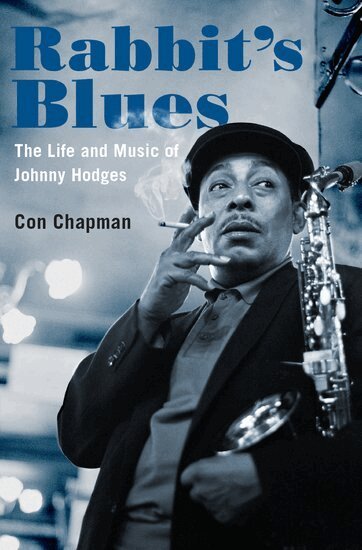
Rabbit's Blues
The Life and Music of Johnny Hodges
Av Con Chapman
Inbunden, 2019
479 kr
Lägg i varukorg
In his eulogy of saxophonist Johnny Hodges (1907-70), Duke Ellington ended with the words, "Never the world's most highly animated showman or greatest stage personality, but a tone so beautiful it sometimes brought tears to the eyesthis was Johnny Hodges. This is Johnny Hodges." Hodges' …
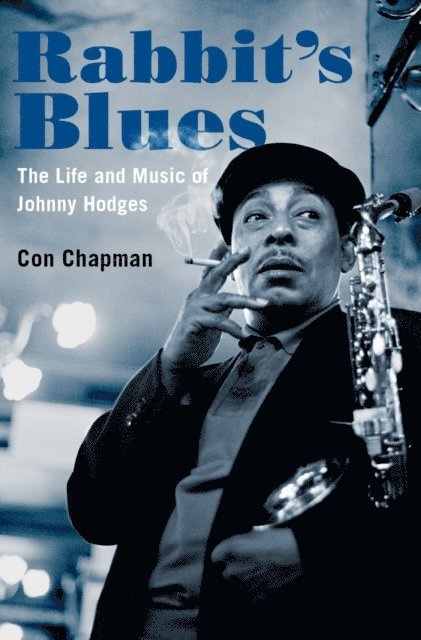
Rabbit's Blues
The Life and Music of Johnny Hodges
Av Con Chapman
E-bok, 2019
252 kr
Lägg i varukorg
In his eulogy of saxophonist Johnny Hodges (1907-70), Duke Ellington ended with the words, "Never the world''s most highly animated showman or greatest stage personality, but a tone so beautiful it sometimes brought tears to the eyes--this was Johnny Hodges. This is Johnny Hodges." Hodges'' …
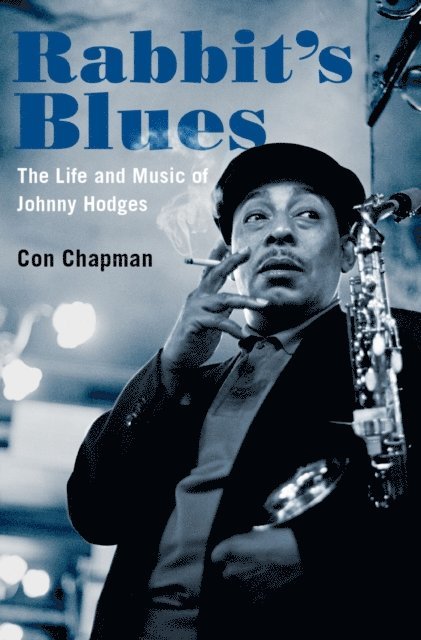
Rabbit's Blues
The Life and Music of Johnny Hodges
Av Con Chapman
E-bok, 2019
252 kr
Lägg i varukorg
In his eulogy of saxophonist Johnny Hodges (1907-70), Duke Ellington ended with the words, "Never the world''s most highly animated showman or greatest stage personality, but a tone so beautiful it sometimes brought tears to the eyes--this was Johnny Hodges. This is Johnny Hodges." Hodges'' …
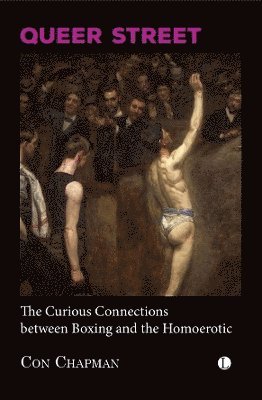
Queer Street
The Curious Connections Between Boxing and the Homoerotic
Av Con Chapman
Häftad, 2026
300 kr
Lägg i varukorg
A history of boxing, focussing on the interconnection between government restrictions on male-male violence and homoerotic relations.Physical displays of affection between opponents are most intense in the most violent sports, such as American football and boxing. Queer Street: The Curious …
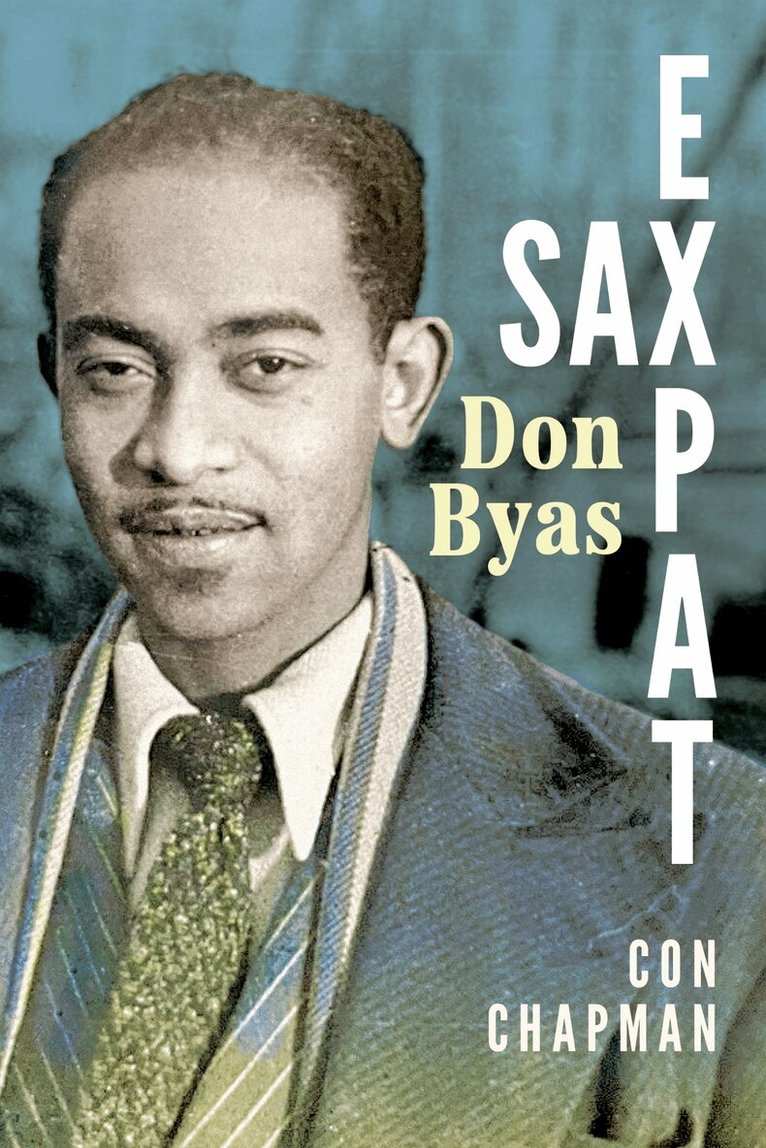
Sax Expat
Don Byas
Av Con Chapman
Inbunden, 2025
1177 kr
Lägg i varukorg
Don Byas (1913–1972) may be lesser known than the counterparts he played with—Count Basie, Duke Ellington, and Dizzy Gillespie, among others—but he was an enigma. He never stayed with a band for long, and eventually went solo partly to make more money and partly due to his inability to work with …
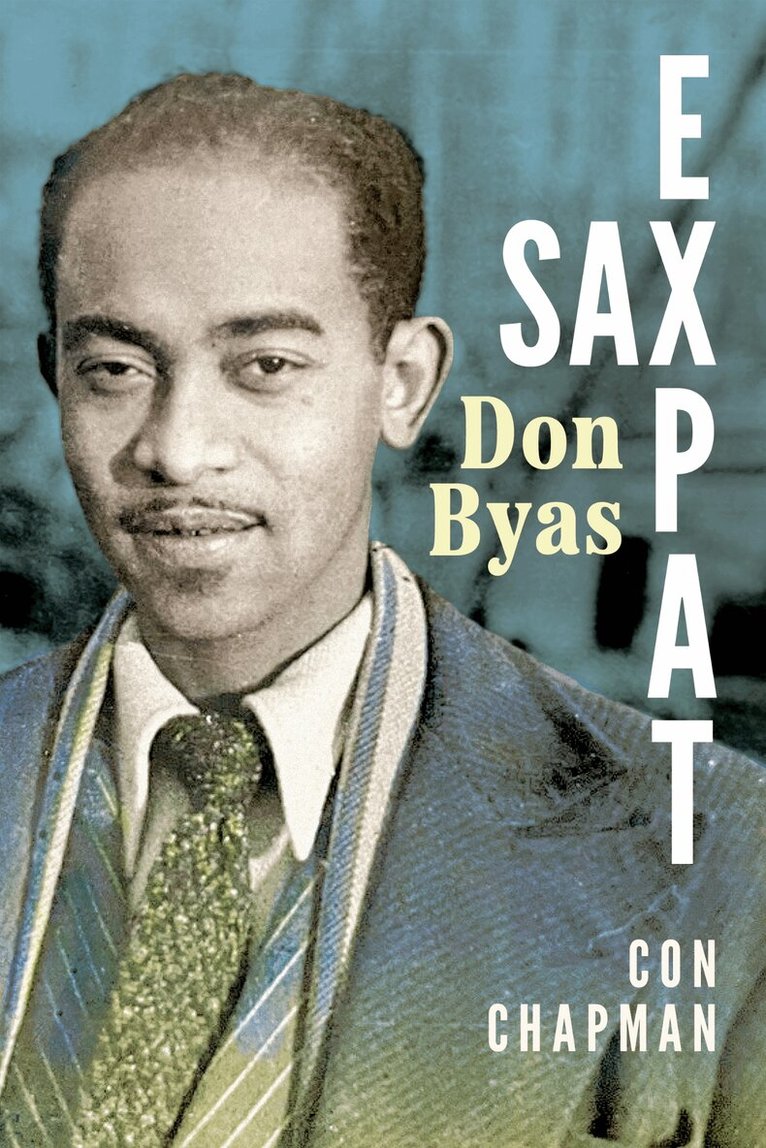
Sax Expat
Don Byas
Av Con Chapman
Häftad, 2025
348 kr
Lägg i varukorg
Don Byas (1913–1972) may be lesser known than the counterparts he played with—Count Basie, Duke Ellington, and Dizzy Gillespie, among others—but he was an enigma. He never stayed with a band for long, and eventually went solo partly to make more money and partly due to his inability to work with …
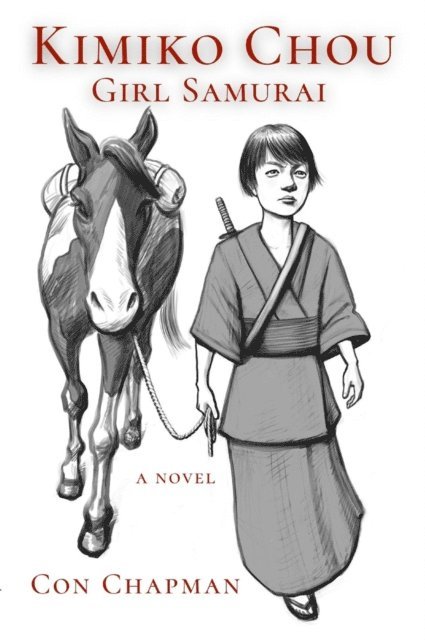
Kimiko Chou, Girl Samurai
Av Con Chapman
E-bok, 2021
100 kr
Lägg i varukorg
KIMIKO CHOU is a girl on a mission. Her mother and brother have been killed by robbers in 14th century Japan while her father, a samurai warrior, is off on an invasion of Korea. Chou ("butterfly" in Japanese) narrowly escapes death by hiding while the robbers ransack her home, then-dressed as a boy …
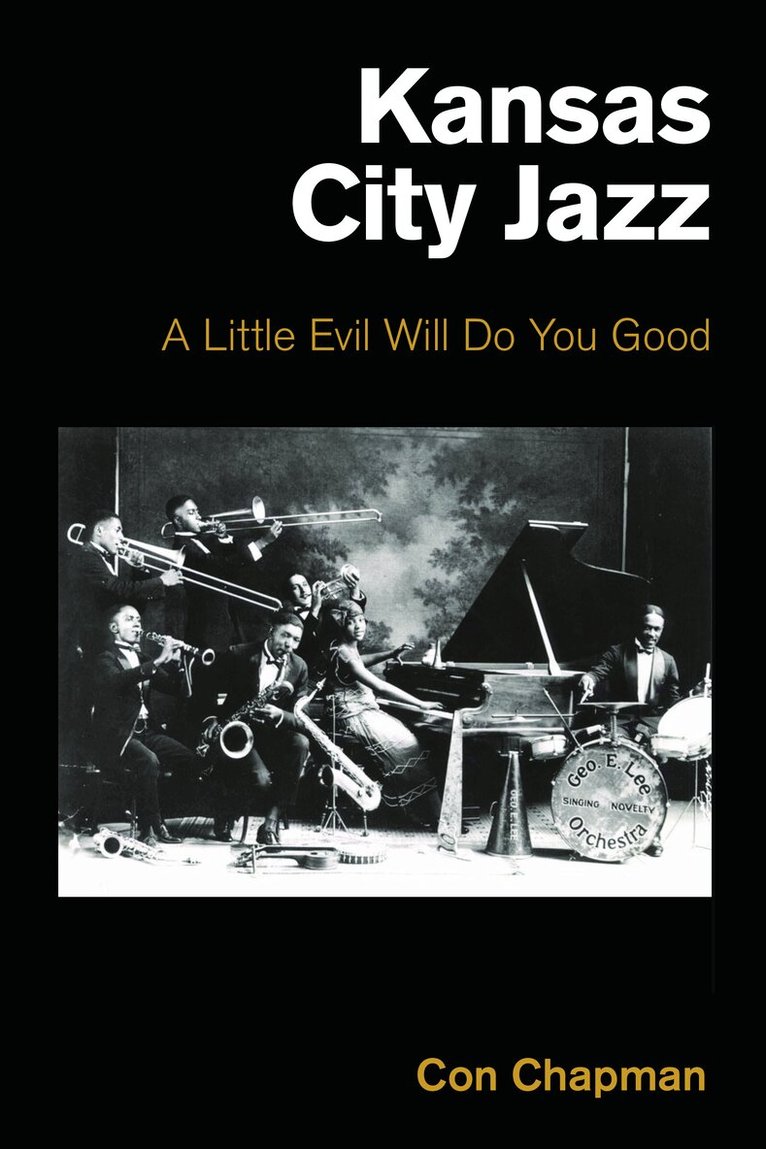
Kansas City Jazz
A Little Evil Will Do You Good
Av Con Chapman
Inbunden, 2023
595 kr
Lägg i varukorg
The brand of jazz that developed in the Kansas City area in the period from the late 1920s to the late 1930s is recognised as both a distinct stylistic variation within the larger genre and a transitional stage between earlier forms of African-American music, such as ragtime and blues, and later, …