Corinne Geering – författare
Visar alla böcker från författaren Corinne Geering. Handla med fri frakt och snabb leverans.
6 produkter
6 produkter
Inbunden, Engelska, 2026
2 435 kr
Skickas inom 10-15 vardagar
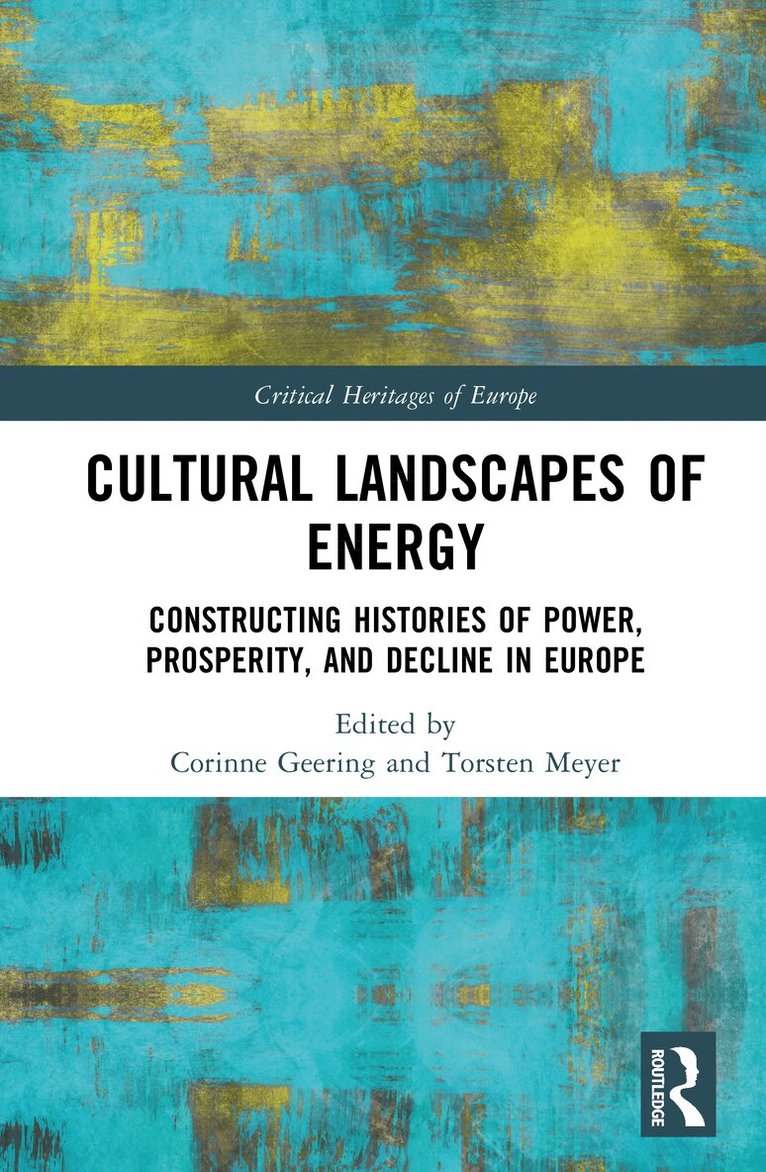
This volume explores the contested heritage of landscapes impacted by energy production. It offers a comparative perspective across Europe on different energy resources and reveals the hidden histories behind current efforts to revalorise the industrial heritage of energy production.Including case studies from across the European continent, this volume adds a crucial historical perspective to current debates on energy transition and the future of Europe’s landscapes, which have been deeply impacted by energy production. Coal mining, oil drilling, peat extraction, and the construction of large-scale infrastructure, such as dams, have shaped ‘cultural landscapes of energy’ in present-day Europe. The exploitation of natural resources served economic development and established new industrial work cultures, but it also destroyed settlements through excavation and flooding. This volume brings together conflicting histories around work, habitation, and leisure in contemporary landscapes across Europe. Drawing on archival records, interviews, and fieldwork, the chapters in this volume combine perspectives on the productive and destructive sides of energy. They address the tensions emerging from heritage-making processes, which focus on the end of energy production despite ongoing and future commissioning projects.This volume contributes new insights to the fields of energy and environmental history, heritage studies, memory studies, landscape architecture, and sustainability science. It provides rich materials on energy landscapes across Europe for researchers as well as policymakers and practitioners interested in energy transition, (post-)industrial heritage, and cultural tourism.
E-bok
PDF, Engelska, 20262 515 kr
Läs direkt efter köp
This volume explores the contested heritage of landscapes impacted by energy production. It offers a comparative perspective across Europe on different energy resources and reveals the hidden histories behind current efforts to revalorise the industrial heritage of energy production.Including case studies from across the European continent, this volume adds a crucial historical perspective to current debates on energy transition and the future of Europe's landscapes, which have been deeply impacted by energy production. Coal mining, oil drilling, peat extraction, and the construction of large-scale infrastructure, such as dams, have shaped 'cultural landscapes of energy' in present-day Europe. The exploitation of natural resources served economic development and established new industrial work cultures, but it also destroyed settlements through excavation and flooding. This volume brings together conflicting histories around work, habitation, and leisure in contemporary landscapes across Europe. Drawing on archival records, interviews, and fieldwork, the chapters in this volume combine perspectives on the productive and destructive sides of energy. They address the tensions emerging from heritage-making processes, which focus on the end of energy production despite ongoing and future commissioning projects.This volume contributes new insights to the fields of energy and environmental history, heritage studies, memory studies, landscape architecture, and sustainability science. It provides rich materials on energy landscapes across Europe for researchers as well as policymakers and practitioners interested in energy transition, (post-)industrial heritage, and cultural tourism.
E-bok
Engelska, 20262 515 kr
Läs direkt efter köp
This volume explores the contested heritage of landscapes impacted by energy production. It offers a comparative perspective across Europe on different energy resources and reveals the hidden histories behind current efforts to revalorise the industrial heritage of energy production.Including case studies from across the European continent, this volume adds a crucial historical perspective to current debates on energy transition and the future of Europe's landscapes, which have been deeply impacted by energy production. Coal mining, oil drilling, peat extraction, and the construction of large-scale infrastructure, such as dams, have shaped 'cultural landscapes of energy' in present-day Europe. The exploitation of natural resources served economic development and established new industrial work cultures, but it also destroyed settlements through excavation and flooding. This volume brings together conflicting histories around work, habitation, and leisure in contemporary landscapes across Europe. Drawing on archival records, interviews, and fieldwork, the chapters in this volume combine perspectives on the productive and destructive sides of energy. They address the tensions emerging from heritage-making processes, which focus on the end of energy production despite ongoing and future commissioning projects.This volume contributes new insights to the fields of energy and environmental history, heritage studies, memory studies, landscape architecture, and sustainability science. It provides rich materials on energy landscapes across Europe for researchers as well as policymakers and practitioners interested in energy transition, (post-)industrial heritage, and cultural tourism.
Inbunden, Engelska, 2021
2 058 kr
Skickas inom 3-6 vardagar
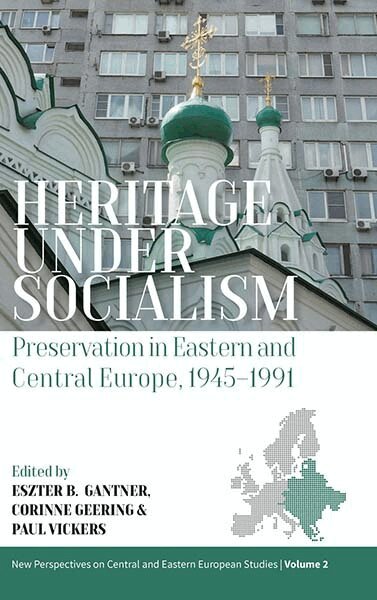
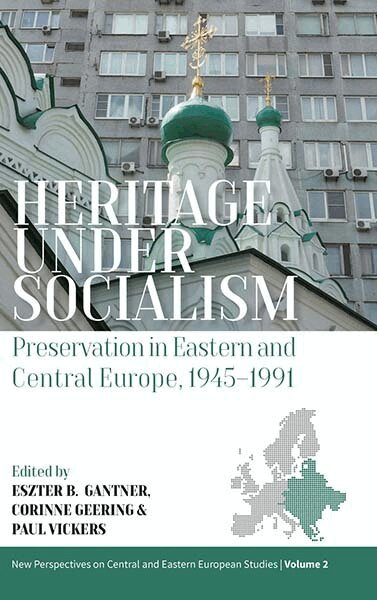
How was heritage understood and implemented in European socialist states after World War II? By exploring national and regional specificities within the broader context of internationalization, this volume enriches the conceptual, methodological and empirical scope of heritage studies through a series of fascinating case studies. Its transnational approach highlights the socialist world’s diverse interpretations of heritage and the ways in which they have shaped the trajectories of present-day preservation practices.
Häftad, Engelska, 2023
394 kr
Skickas
How was heritage understood and implemented in European socialist states after World War II? By exploring national and regional specificities within the broader context of internationalization, this volume enriches the conceptual, methodological and empirical scope of heritage studies through a series of fascinating case studies. Its transnational approach highlights the socialist world’s diverse interpretations of heritage and the ways in which they have shaped the trajectories of present-day preservation practices.
E-bok
PDF, Engelska, 2019955 kr
Läs direkt efter köp
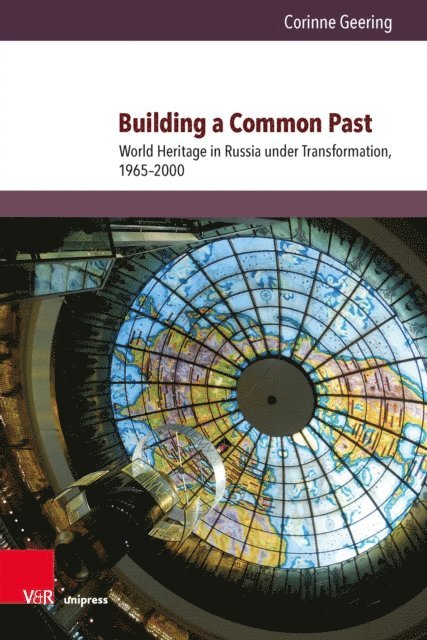
How did a kremlin, a fortified monastery or a wooden church in Russia become part of the heritage of the entire world? Corinne Geering traces the development of international cooperation in conservation since the 1960s, highlighting the role of experts and sites from the Soviet Union and later the Russian Federation in UNESCO and ICOMOS. Despite the ideological divide, the notion of world heritage gained momentum in the decades following World War II. Divergent interests at the local, national and international levels had to be negotiated when shaping the Soviet and Russian cultural heritage displayed to the world. The socialist discourse of world heritage was re-evaluated during perestroika and re-integrated as UNESCO World Heritage in a new state and international order in the 1990s.