Cornelia Dörries – författare
Visar alla böcker från författaren Cornelia Dörries. Handla med fri frakt och snabb leverans.
3 produkter
3 produkter
307 kr
Tillfälligt slut
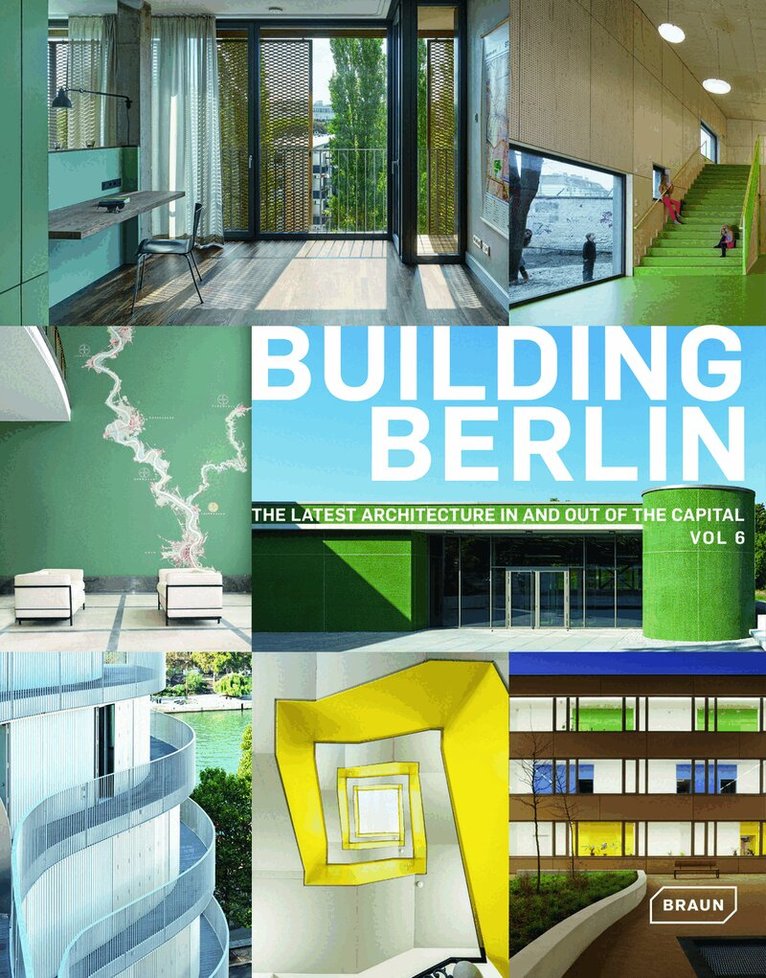
Over the last 20 years architecture in and from Berlin has emerged as a global brand. Like Vol. 1, this new edition of Architecture Berlin showcases the most interesting 70 new buildings in and outside of the German capital. Each project is presented on the basis of informative texts, the most important facts as well as insightful photographic and planning documents. The contextual essays for each of the eight sections in this volume cover a wide and interesting range of subjects. While Sarah Tschernigow compares metro systems in cities such as Berlin, Shanghai, Stockholm and Dubai, Falk Jaeger discusses the relevance of drawings and sketches for the contemporary work of the architect. In his contribution Gerwin Zohlen analyses the urban functions of the current and future government buildings in Berlin and the different impacts they have on the city.
257 kr
Tillfälligt slut
512 kr
Skickas inom 3-6 vardagar
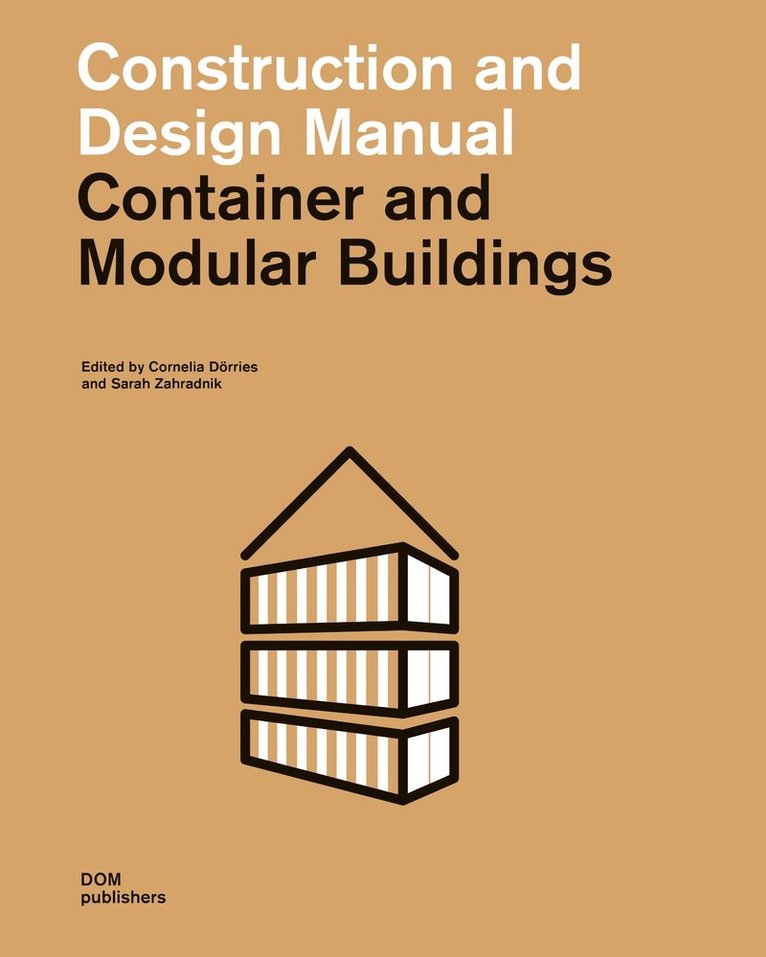
Prefabricated housing is a pressing issue – for those looking for affordable homes as well as for refugees fleeing wars or natural disasters. In common with politicians, architects were caught unawares by the largest wave of migration since the end of the Second World War. However, are tent cities and containers the best solution for cheap, dignified, and quickly assembled accommodation for displaced persons? This challenging situation, along with the changing urban landscape, with its ever-diminishing space, calls into question existing standards in relation to serial housing. Bold and unconventional ideas are called for if architects are to offer high-quality solutions. From eccentric experiments all the way to projects that have already been realized, international design teams present their work between the twin poles of unconventional developments and life-saving shelters in this volume spanning more than 250 pages.Introduced with articles on design principles, and divided into three sections according to the form the structures take when delivered – cuboid, panels and custom units – the book covers everything from playful follies to architectural constructions for the homeless and outpatient medical stations which offer a response to social problems and space shortages.The text, photographs and plans put forward ideas as to how more can be done than the mere assembling of containers. Should we not first consider notions bordering on the absurd in order to come up with workable solutions for housing today?