Courtney McAllister - Böcker
Visar alla böcker från författaren Courtney McAllister. Handla med fri frakt och snabb leverans.
4 produkter
4 produkter
1 065 kr
Skickas inom 10-15 vardagar
Technology has transformed how libraries, archives, and museums store and display their collections, engage with their users, and serve their communities. The pressure to implement new technologies is constant, but technology that isn’t truly useful to users, staff, and stakeholders can represent a huge investment of time and money that yields little reward. In order to make meaningful technology changes in our libraries, archives, and museums, we need a flexible toolkit that will help information professionals become change leaders, navigating the equally complex variables associated with system specs and human experience or perception. Change management incorporates these concerns into a comprehensive framework.Change management principles form the foundation for this book’s approach to managing technology change. While change will inevitably elicit unexpected situations or complications, cultivating a change management repertoire can help information professionals better identify opportunities for valuable technology change, plan and execute those changes, assess the process, and translate the experience into enriched plans for the future. Whether you have been managing library systems for decades or are an MLIS student, this book is designed to introduce you to change management principles and practical skills that you can apply to your local organization’s needs. Chapters on assessment, communication, and iterative change outline a wide range of skills that can facilitate changes like an ILS migration, makerspace launch, website re-design, or room reservation process overhaul. The condensed case studies integrated throughout the book demonstrate the breadth of technology changes taking place in the field and give first-hand accounts of triumphs and learning experiences. There is universal template that guarantees successful technology change. But a robust change management toolkit can cultivate organizational adaptability and responsiveness that empowers libraries, archives, and museums to make the most of current technology changes and positions them to embrace new ones.

496 kr
Skickas inom 10-15 vardagar
Technology has transformed how libraries, archives, and museums store and display their collections, engage with their users, and serve their communities. The pressure to implement new technologies is constant, but technology that isn’t truly useful to users, staff, and stakeholders can represent a huge investment of time and money that yields little reward. In order to make meaningful technology changes in our libraries, archives, and museums, we need a flexible toolkit that will help information professionals become change leaders, navigating the equally complex variables associated with system specs and human experience or perception. Change management incorporates these concerns into a comprehensive framework.Change management principles form the foundation for this book’s approach to managing technology change. While change will inevitably elicit unexpected situations or complications, cultivating a change management repertoire can help information professionals better identify opportunities for valuable technology change, plan and execute those changes, assess the process, and translate the experience into enriched plans for the future. Whether you have been managing library systems for decades or are an MLIS student, this book is designed to introduce you to change management principles and practical skills that you can apply to your local organization’s needs. Chapters on assessment, communication, and iterative change outline a wide range of skills that can facilitate changes like an ILS migration, makerspace launch, website re-design, or room reservation process overhaul. The condensed case studies integrated throughout the book demonstrate the breadth of technology changes taking place in the field and give first-hand accounts of triumphs and learning experiences. There is universal template that guarantees successful technology change. But a robust change management toolkit can cultivate organizational adaptability and responsiveness that empowers libraries, archives, and museums to make the most of current technology changes and positions them to embrace new ones.
1 258 kr
Skickas inom 10-15 vardagar
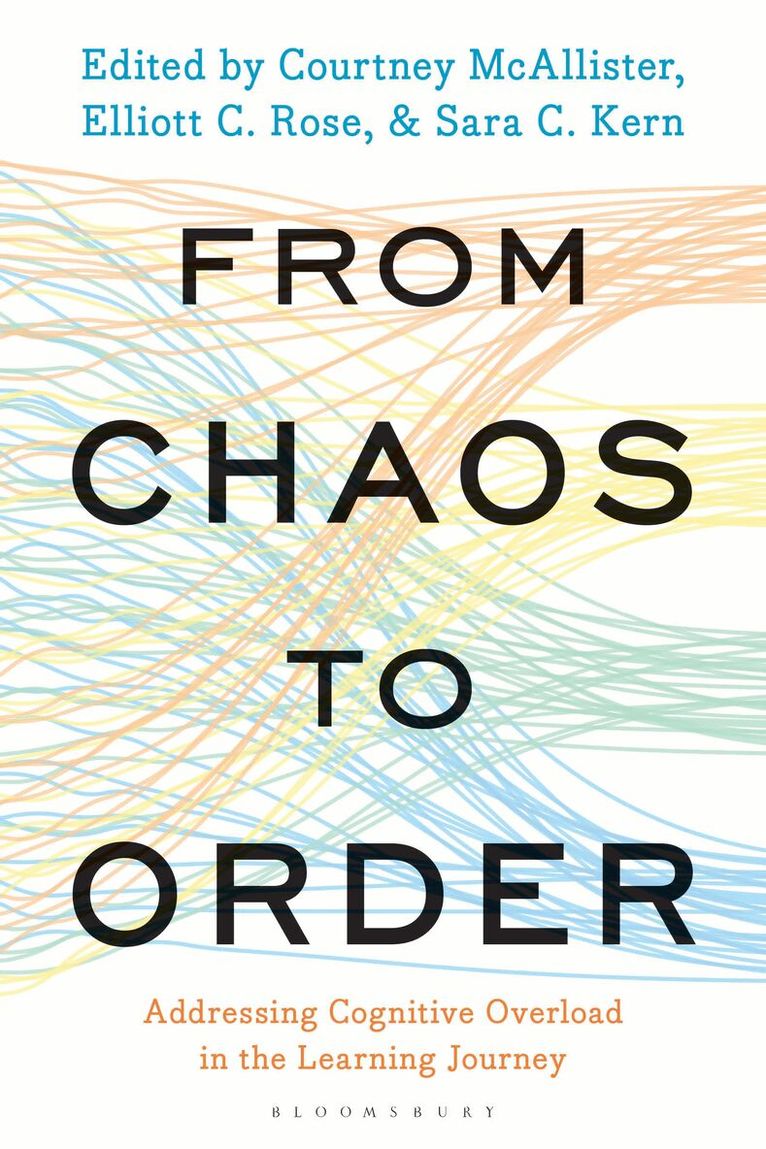
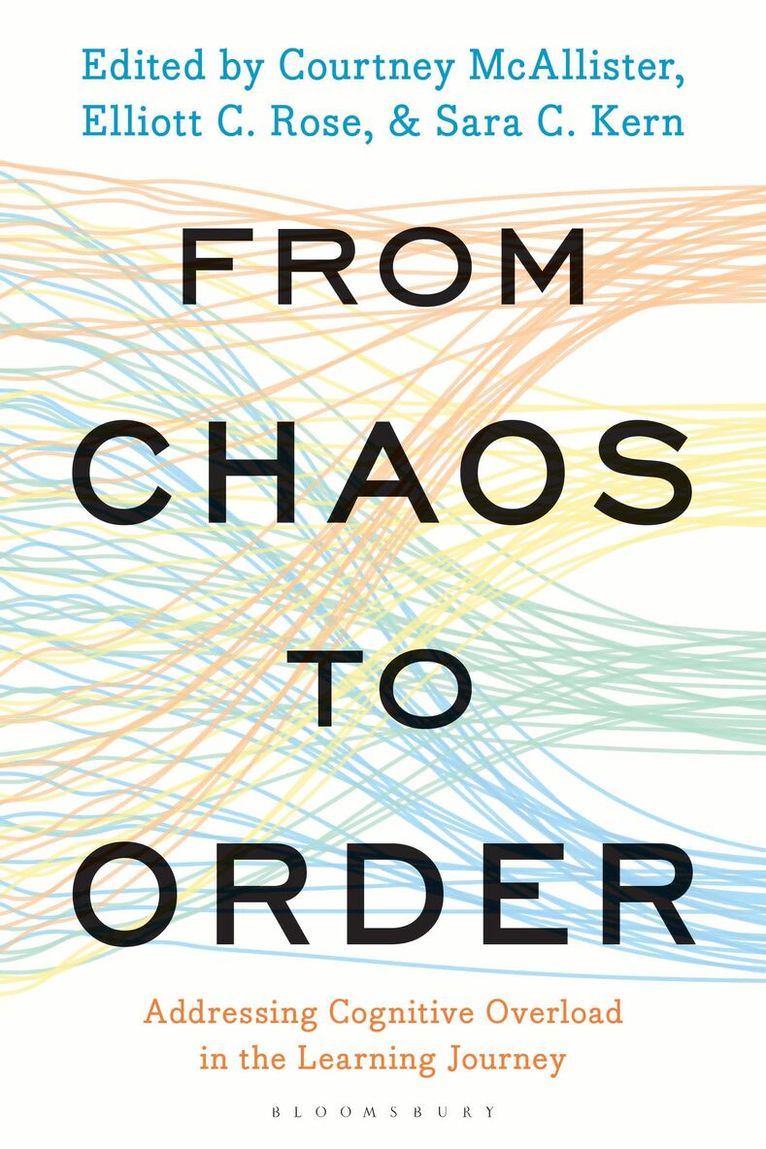
This book explores the multifaceted role cognitive load has on one’s learning journey, while introducing actionable approaches and resources to help bolster success.Multiple deadlines, competing responsibilities, an endless barrage of information, and constant stress: these situations are becoming increasingly common and intense for 21st-century learners. Even well-established needs, like finding and accessing relevant, credible information, take up more cognitive energy in this ever-changing information landscape. As pressure and complexity converge, learners are more likely to experience cognitive overload.Cognitive load refers to the amount of information an individual is able to retain in their working memory at one time. When cognitive load is surpassed, it can be much more difficult to process, encode, and retain new information. The purpose of this book is to help professionals transform passive efforts to support learners into more purposeful actions that address cognitive overload in the context of research and information seeking.Library practitioners may take cognitive load into consideration when creating resources like LibGuides, designing instruction sessions, or planning programming. Yet cognitive load cannot be addressed through isolated efforts; it cuts across departmental boundaries and organizational silos. To reflect the cross-sectoral dynamic of cognitive load and its impact, this book is organized around three crucial areas of one’s learning journey: Instruction, Systems, and Outreach.Each section hosts a diverse collection of instructional, system design, and outreach/programmatic ideas that are built upon Cognitive Load Theory, providing readers with actionable approaches and resources that can inform their own practices when meeting the needs of their patrons.Whether you are a seasoned professional, new to your role, or just keen to explore the intersectionality of cognitive load throughout the learning journey, From Chaos to Order is designed to bring together useful theories, practices, and provocations for future exploration.
654 kr
Skickas inom 7-10 vardagar
This book explores the multifaceted role cognitive load has on one’s learning journey, while introducing actionable approaches and resources to help bolster success.Multiple deadlines, competing responsibilities, an endless barrage of information, and constant stress: these situations are becoming increasingly common and intense for 21st-century learners. Even well-established needs, like finding and accessing relevant, credible information, take up more cognitive energy in this ever-changing information landscape. As pressure and complexity converge, learners are more likely to experience cognitive overload.Cognitive load refers to the amount of information an individual is able to retain in their working memory at one time. When cognitive load is surpassed, it can be much more difficult to process, encode, and retain new information. The purpose of this book is to help professionals transform passive efforts to support learners into more purposeful actions that address cognitive overload in the context of research and information seeking.Library practitioners may take cognitive load into consideration when creating resources like LibGuides, designing instruction sessions, or planning programming. Yet cognitive load cannot be addressed through isolated efforts; it cuts across departmental boundaries and organizational silos. To reflect the cross-sectoral dynamic of cognitive load and its impact, this book is organized around three crucial areas of one’s learning journey: Instruction, Systems, and Outreach.Each section hosts a diverse collection of instructional, system design, and outreach/programmatic ideas that are built upon Cognitive Load Theory, providing readers with actionable approaches and resources that can inform their own practices when meeting the needs of their patrons.Whether you are a seasoned professional, new to your role, or just keen to explore the intersectionality of cognitive load throughout the learning journey, From Chaos to Order is designed to bring together useful theories, practices, and provocations for future exploration.