Craig Hammond – författare
Visar alla böcker från författaren Craig Hammond. Handla med fri frakt och snabb leverans.
5 produkter
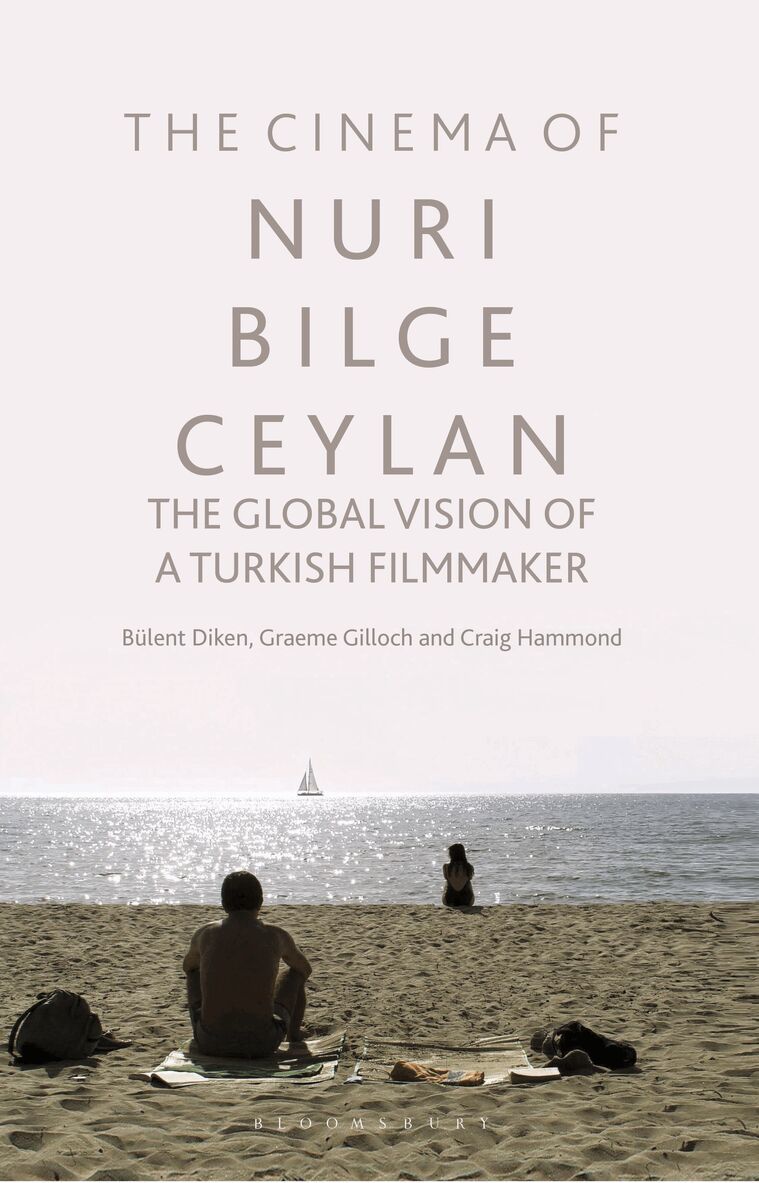
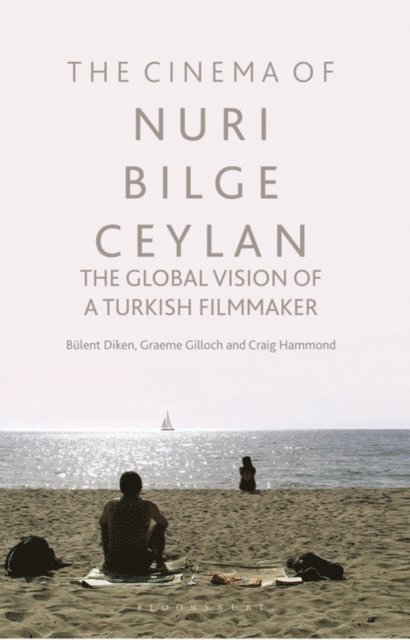
Cinema of Nuri Bilge Ceylan
The Global Vision of a Turkish Filmmaker
Av Bülent Diken, Graeme Gilloch m. fl.
Häftad, 2022
471 kr
Lägg i varukorg
Film maker Nuri Bilge Ceylan's meditative, visually stunning contributions to the 'New Turkish Cinema' have marked him out as a pioneer of his medium. Reaping success from his prize-winning, breakout film Uzak (2002), and from later festival favourites Once Upon a Time in Anatolia (2011) and Winter …
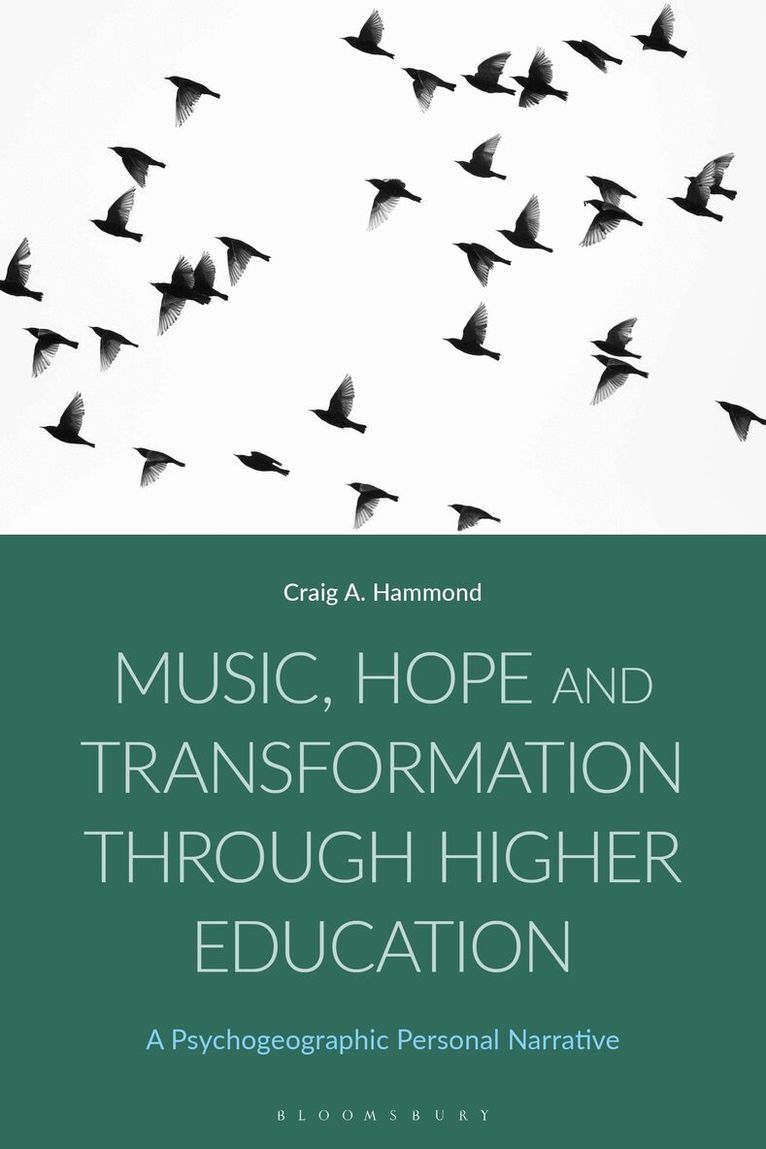
Music, Hope and Transformation through Higher Education
A Psychogeographic Personal Narrative
Inbunden, 2026
1313 kr
Lägg i varukorg
This is a creative work of psychogeography, theory and autoethnography, which offers a unique insight into the personal world of music-meaning-making, working-class heritage, and the transformation of identity through a life-long obsession with aeroplanes and flight. Combined, these aspects …
Cinema of Nuri Bilge Ceylan
The Global Vision of a Turkish Filmmaker
Av Bülent Diken, Graeme Gilloch m. fl.
Inbunden, 2018
1893 kr
Lägg i varukorg
Film maker Nuri Bilge Ceylan's meditative, visually stunning contributions to the 'New Turkish Cinema' have marked him out as a pioneer of his medium. Reaping success from his prize-winning, breakout film Uzak (2002), and from later festival favourites Once Upon a Time in Anatolia (2011) and Winter …
Cinema of Nuri Bilge Ceylan
The Global Vision of a Turkish Filmmaker
Av Bülent Diken, Graeme Gilloch m. fl.
E-bok, 2017
436 kr
Lägg i varukorg
Film maker Nuri Bilge Ceylan's meditative, visually stunning contributions to the 'New Turkish Cinema' have marked him out as a pioneer of his medium. Reaping success from his prize-winning, breakout film Uzak (2002), and from later festival favourites Once Upon a Time in Anatolia (2011) and Winter …
Cinema of Nuri Bilge Ceylan
The Global Vision of a Turkish Filmmaker
Av Bülent Diken, Graeme Gilloch m. fl.
E-bok, 2017
530 kr
Lägg i varukorg
Film maker Nuri Bilge Ceylan's meditative, visually stunning contributions to the 'New Turkish Cinema' have marked him out as a pioneer of his medium. Reaping success from his prize-winning, breakout film Uzak (2002), and from later festival favourites Once Upon a Time in Anatolia (2011) and Winter …