Craig Koslofsky - Böcker
Visar alla böcker från författaren Craig Koslofsky. Handla med fri frakt och snabb leverans.
5 produkter
5 produkter
Del 6 - Perspectives on Sensory History
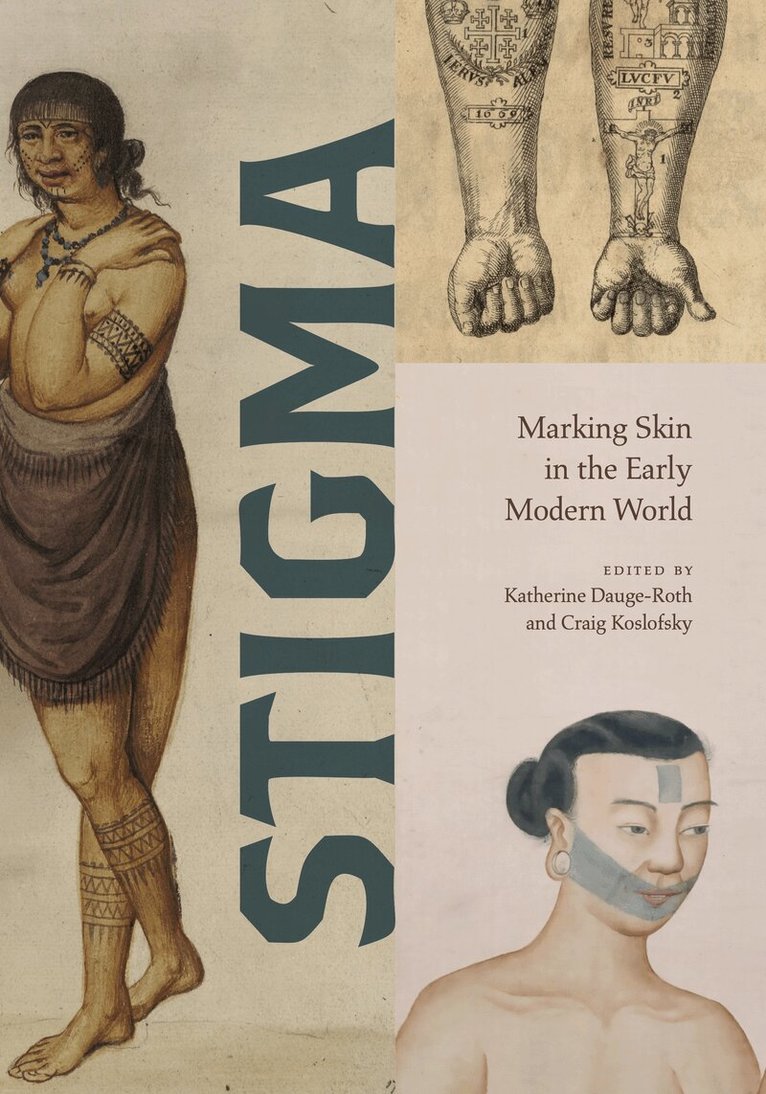
Stigma
Marking Skin in the Early Modern World
Inbunden, Engelska, 2023
1 324 kr
Skickas inom 7-10 vardagar
The early modern period opened a new era in the history of dermal marking. Intensifying global travel and trade, especially the slave trade, bought diverse skin-marking practices into contact as never before. Stigma examines the distinctive skin cultures and marking methods of Asia, Europe, Africa, and the Americas as they began to circulate and reshape one another in the early modern world. By highlighting the interwoven histories of tattooing, branding, stigmata, baptismal and beauty marks, wounds and scars, this volume shows that early modern markers of skin and readers of marked skin did not think about different kinds of cutaneous signs as separate from each other. On the contrary, Europeans described Indigenous tattooing in North America, Thailand, and the Philippines by referring their readers to the tattoos Christian pilgrims received in Jerusalem or Bethlehem. When explaining the devil’s mark on witches, theologians claimed it was an inversion of holy marks such as those of baptism or divine stigmata. Stigma investigates how early modern people used permanent marks on skin to affirm traditional roles and beliefs, and how they hybridized and transformed skin marking to meet new economic and political demands.In addition to the editors, the contributors to this volume are Xiao Chen, Ana Fonseca Conboy, Peter Erickson, Claire Goldstein, Matthew S. Hopper, Katrina H. B. Keefer, Mordechay Lewy, Nicole Nyffenegger, Mairin Odle, and Allison Stedman.
Del 6 - Perspectives on Sensory History
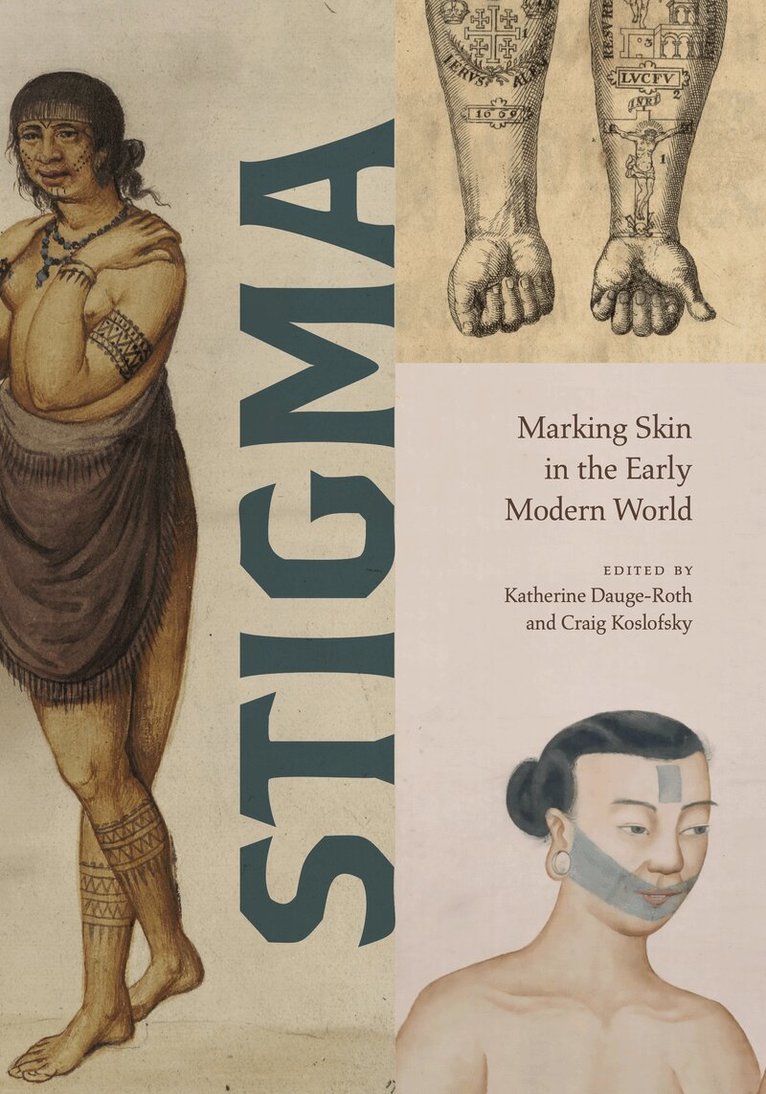
Stigma
Marking Skin in the Early Modern World
Häftad, Engelska, 2024
336 kr
Skickas inom 7-10 vardagar
The early modern period opened a new era in the history of dermal marking. Intensifying global travel and trade, especially the slave trade, bought diverse skin-marking practices into contact as never before. Stigma examines the distinctive skin cultures and marking methods of Asia, Europe, Africa, and the Americas as they began to circulate and reshape one another in the early modern world. By highlighting the interwoven histories of tattooing, branding, stigmata, baptismal and beauty marks, wounds and scars, this volume shows that early modern markers of skin and readers of marked skin did not think about different kinds of cutaneous signs as separate from each other. On the contrary, Europeans described Indigenous tattooing in North America, Thailand, and the Philippines by referring their readers to the tattoos Christian pilgrims received in Jerusalem or Bethlehem. When explaining the devil’s mark on witches, theologians claimed it was an inversion of holy marks such as those of baptism or divine stigmata. Stigma investigates how early modern people used permanent marks on skin to affirm traditional roles and beliefs, and how they hybridized and transformed skin marking to meet new economic and political demands.In addition to the editors, the contributors to this volume are Xiao Chen, Ana Fonseca Conboy, Peter Erickson, Claire Goldstein, Matthew S. Hopper, Katrina H. B. Keefer, Mordechay Lewy, Nicole Nyffenegger, Mairin Odle, and Allison Stedman.
357 kr
Skickas inom 7-10 vardagar
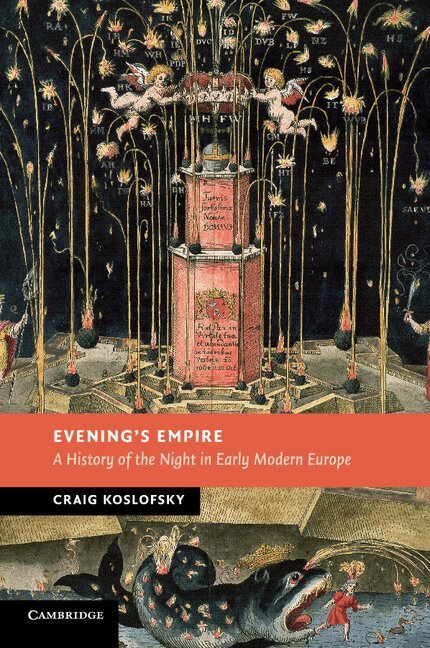
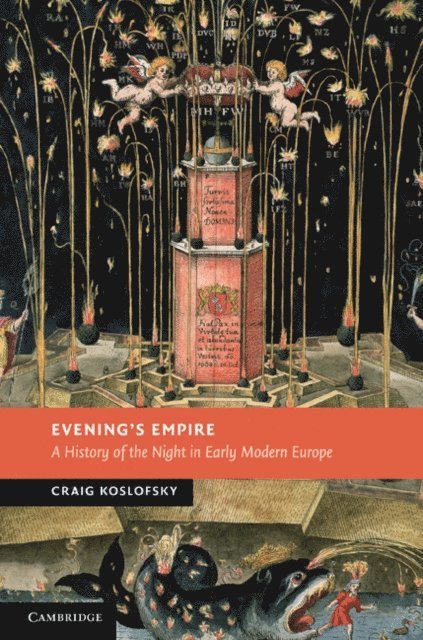
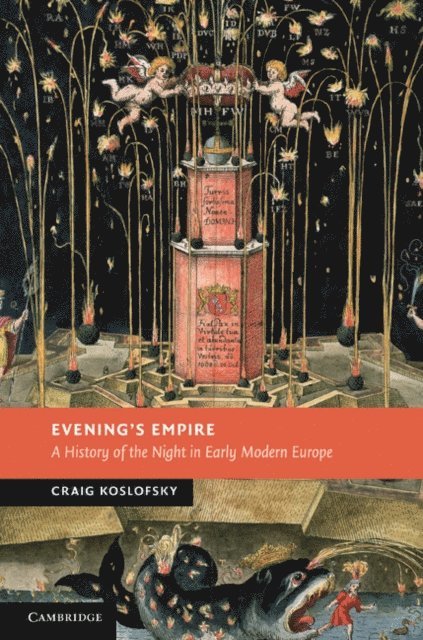
What does it mean to write a history of the night? Evening's Empire is a fascinating study of the myriad ways in which early modern people understood, experienced, and transformed the night. Using diaries, letters, and legal records together with representations of the night in early modern religion, literature and art, Craig Koslofsky opens up an entirely new perspective on early modern Europe. He shows how princes, courtiers, burghers and common people 'nocturnalized' political expression, the public sphere and the use of daily time. Fear of the night was now mingled with improved opportunities for labour and leisure: the modern night was beginning to assume its characteristic shape. Evening's Empire takes the evocative history of the night into early modern politics, culture and society, revealing its importance to key themes from witchcraft, piety, and gender to colonization, race, and the Enlightenment.
1 200 kr
Skickas inom 7-10 vardagar
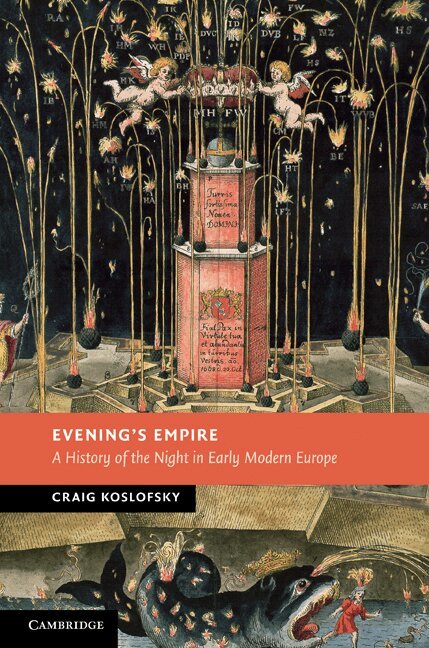
What does it mean to write a history of the night? Evening's Empire is a fascinating study of the myriad ways in which early modern people understood, experienced, and transformed the night. Using diaries, letters, and legal records together with representations of the night in early modern religion, literature and art, Craig Koslofsky opens up an entirely new perspective on early modern Europe. He shows how princes, courtiers, burghers and common people 'nocturnalized' political expression, the public sphere and the use of daily time. Fear of the night was now mingled with improved opportunities for labour and leisure: the modern night was beginning to assume its characteristic shape. Evening's Empire takes the evocative history of the night into early modern politics, culture and society, revealing its importance to key themes from witchcraft, piety, and gender to colonization, race, and the Enlightenment.
233 kr
Skickas inom 7-10 vardagar
Stannaki Forum: Art and Research in Conversation is a research format at the Staatliche Kunstsammlungen Dresden that facilitates conversations that fosters dialogue across different horizons of knowledge. Each forum begins with a specific object, which acts as both a witness and an interlocutor. These objects, shaped by their material provenance, acquisition and trading history, visual grammar, cultural techniques, or biography, reflect contexts ranging from colonialism, enslavement, dispossession, and cultural appropriation to diplomacy, exile, migration, economic relations, and education. The Stannaki Forum aims to acknowledge these contextual entanglements, thereby evoking the diasporic histories of the 500-years old state collections, which are conjured through contemporary conversations that seek to instigate shared futures.