Craig Piers - Böcker
Visar alla böcker från författaren Craig Piers. Handla med fri frakt och snabb leverans.
4 produkter
4 produkter
1 240 kr
Skickas inom 10-15 vardagar
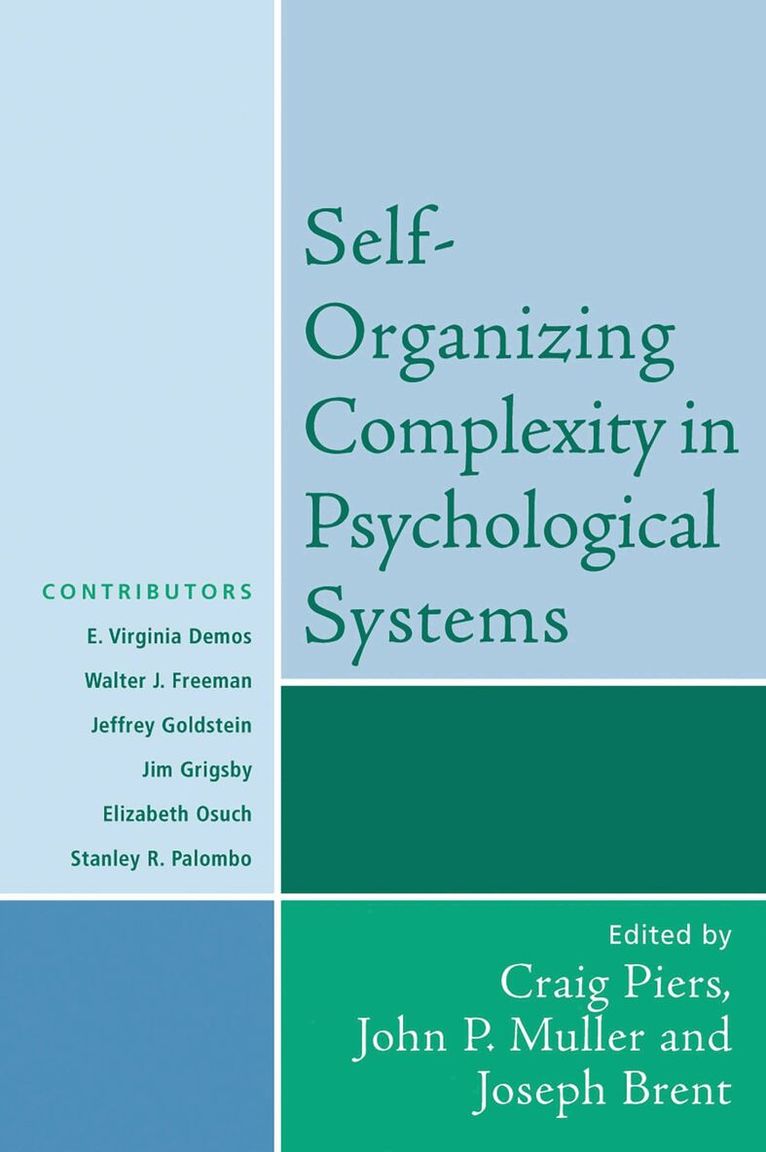
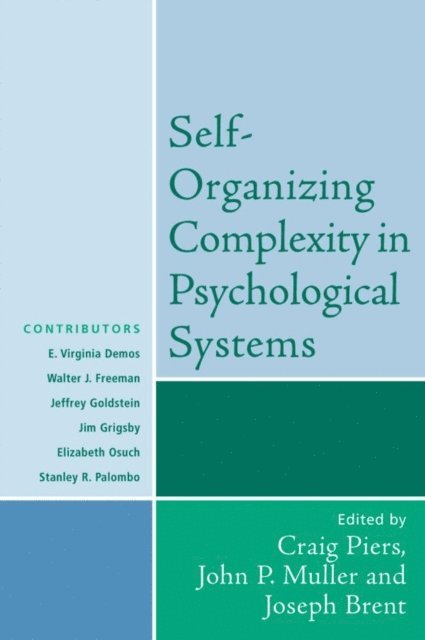
This volume addresses itself to the ways in which the so-called 'new sciences of complexity' can deepen and broaden neurobiological and psychological theories of mind. Complexity theory has gained increasing attention over the past 20 years across diverse areas of inquiry, including mathematics, physics, economics, biology, and the social sciences. Complexity theory concerns itself with how nonlinear dynamical systems evolve and change over time and draws on research arising from chaos theory, self-organization, artificial intelligence and cellular automata, to name a few. This emerging discipline shows many points of convergence with psychological theory and practice, emphasizing that history is irreversible and discontinuous, that small early interventions can have large and unexpected later effects, that each life trajectory is unique yet patterned, that measurement error is not random and cannot be justifiably distributed equally across experimental conditions, that a system's collective and coordinated organization is emergent and often arises from simple components in interaction, and that change is more likely to emerge under conditions of optimal turbulence.
721 kr
Skickas inom 10-15 vardagar
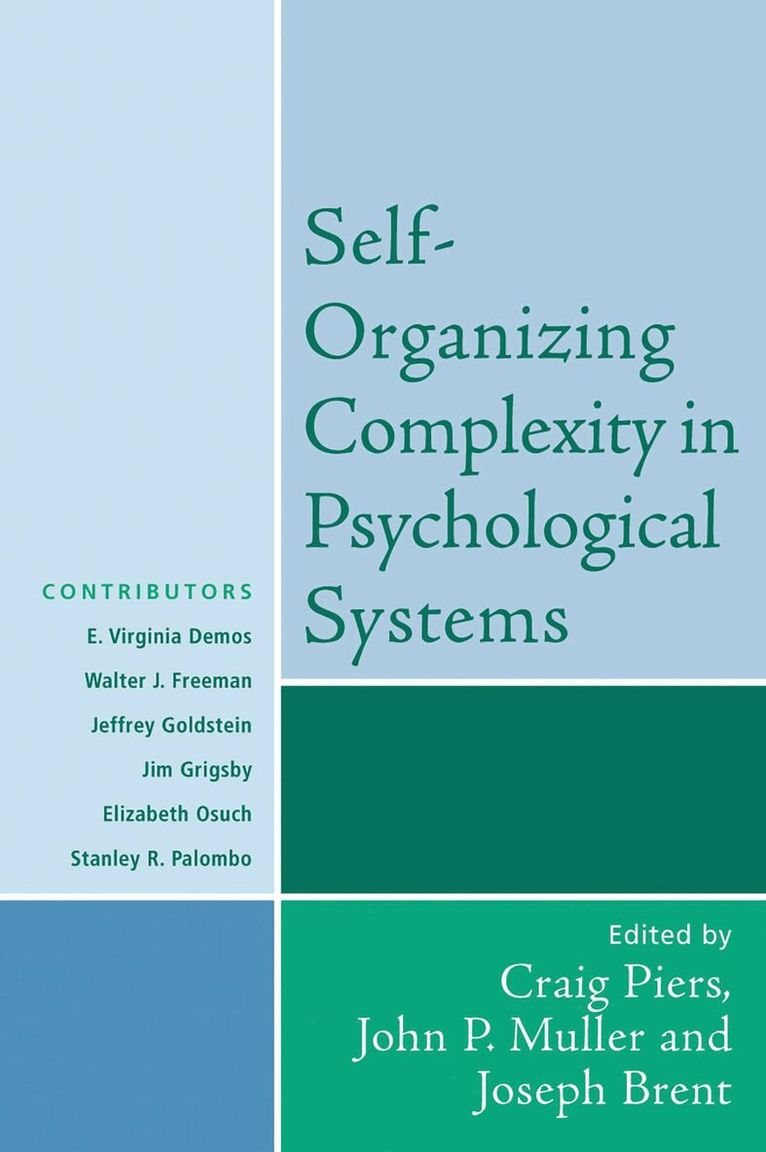
This volume addresses itself to the ways in which the so-called 'new sciences of complexity' can deepen and broaden neurobiological and psychological theories of mind. Complexity theory has gained increasing attention over the past 20 years across diverse areas of inquiry, including mathematics, physics, economics, biology, and the social sciences. Complexity theory concerns itself with how nonlinear dynamical systems evolve and change over time and draws on research arising from chaos theory, self-organization, artificial intelligence and cellular automata, to name a few. This emerging discipline shows many points of convergence with psychological theory and practice, emphasizing that history is irreversible and discontinuous, that small early interventions can have large and unexpected later effects, that each life trajectory is unique yet patterned, that measurement error is not random and cannot be justifiably distributed equally across experimental conditions, that a system's collective and coordinated organization is emergent and often arises from simple components in interaction, and that change is more likely to emerge under conditions of optimal turbulence.
1 096 kr
Skickas inom 10-15 vardagar
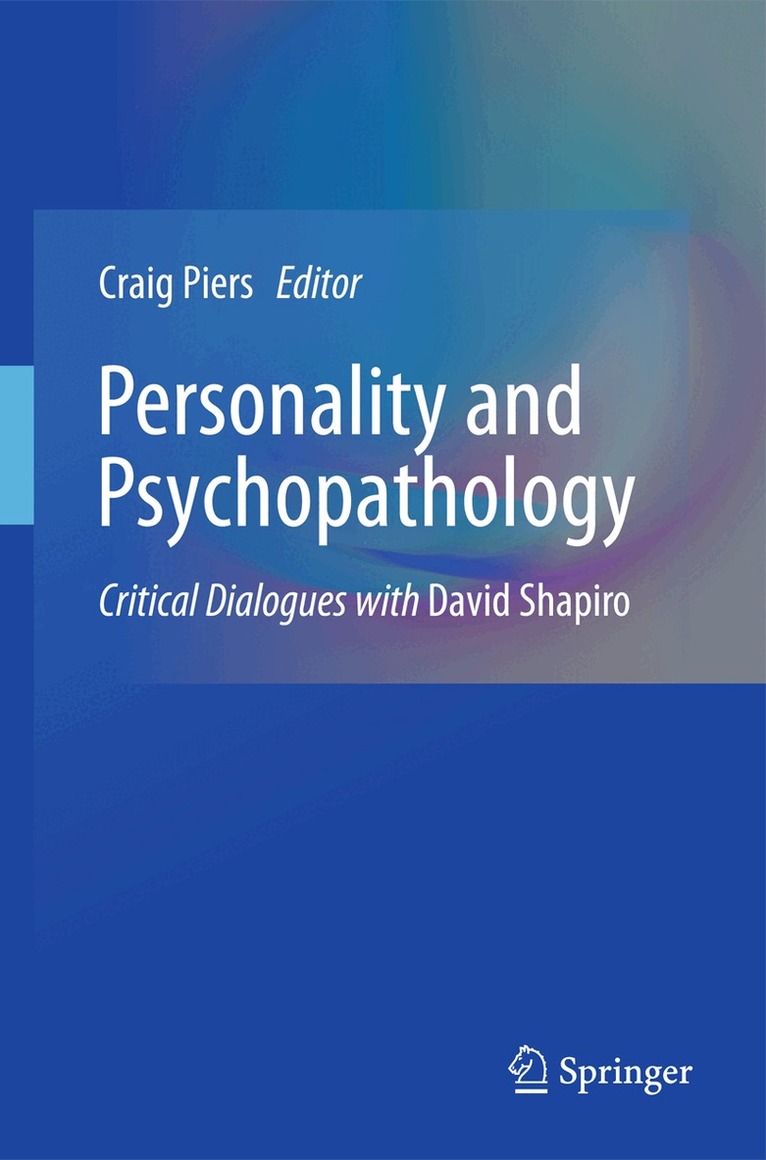
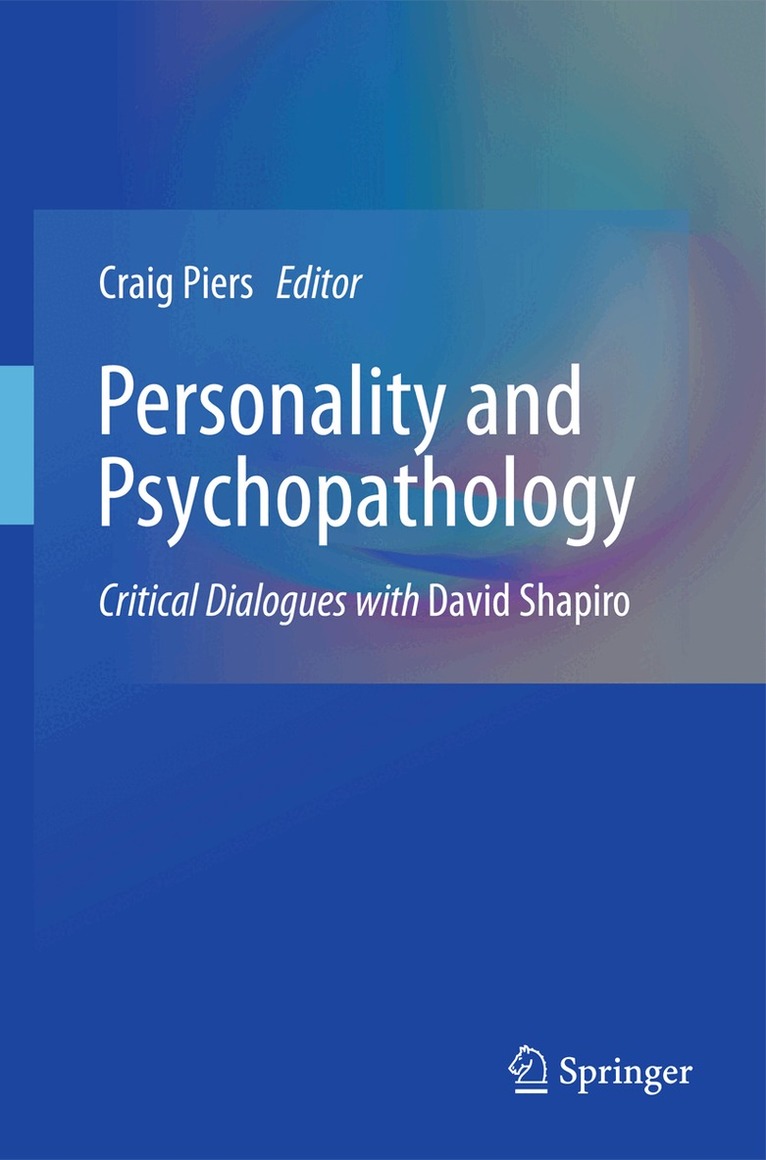
With his penetrating theory of personality and his nuanced understanding of the psychotherapeutic relationship, David Shapiro has influenced clinicians across the theoretical spectrum since the publication of Neurotic Styles in 1965. This influence is on vivid display in Personality and Psychopathology, as noted contemporary theorists critically evaluate his work in a fascinating dialogue with Shapiro himself. Starting with a crucial therapeutic observation—the centrality of the relationship between what the client says in session and how it is said—contributors revisit his core concepts regarding personality development, the prevolitional aspects of psychopathology, the limits to self-understanding, and the defensive uses of self-deception in light of current psychodynamic, evolutionary, and systems theory. Shapiro’s replies, and the contributors’ rejoinders, highlight points of departure and agreement and provide further clarification and extension of his ideas on a wide range of salient topics, including:The experience of autonomy in schizophrenia.Defensive thinking to prevent dreaded states of mind.The linguistics of self-deceptive speech.Self-deception as a reproductive strategy.Intentionality and craving in addiction.The subjective experience of hypomania.Personality and Psychopathology affords psychotherapists and research psychologists not only a unique opportunity to gain insight into Shapiro’s contributions, but also new lenses for re-examining their own work.
1 096 kr
Skickas inom 10-15 vardagar
With his penetrating theory of personality and his nuanced understanding of the psychotherapeutic relationship, David Shapiro has influenced clinicians across the theoretical spectrum since the publication of Neurotic Styles in 1965. This influence is on vivid display in Personality and Psychopathology, as noted contemporary theorists critically evaluate his work in a fascinating dialogue with Shapiro himself. Starting with a crucial therapeutic observation—the centrality of the relationship between what the client says in session and how it is said—contributors revisit his core concepts regarding personality development, the prevolitional aspects of psychopathology, the limits to self-understanding, and the defensive uses of self-deception in light of current psychodynamic, evolutionary, and systems theory. Shapiro’s replies, and the contributors’ rejoinders, highlight points of departure and agreement and provide further clarification and extension of his ideas on a wide range of salient topics, including:The experience of autonomy in schizophrenia.Defensive thinking to prevent dreaded states of mind.The linguistics of self-deceptive speech.Self-deception as a reproductive strategy.Intentionality and craving in addiction.The subjective experience of hypomania.Personality and Psychopathology affords psychotherapists and research psychologists not only a unique opportunity to gain insight into Shapiro’s contributions, but also new lenses for re-examining their own work.