Crystal Addey - Böcker
Visar alla böcker från författaren Crystal Addey. Handla med fri frakt och snabb leverans.
8 produkter
8 produkter
632 kr
Skickas inom 10-15 vardagar
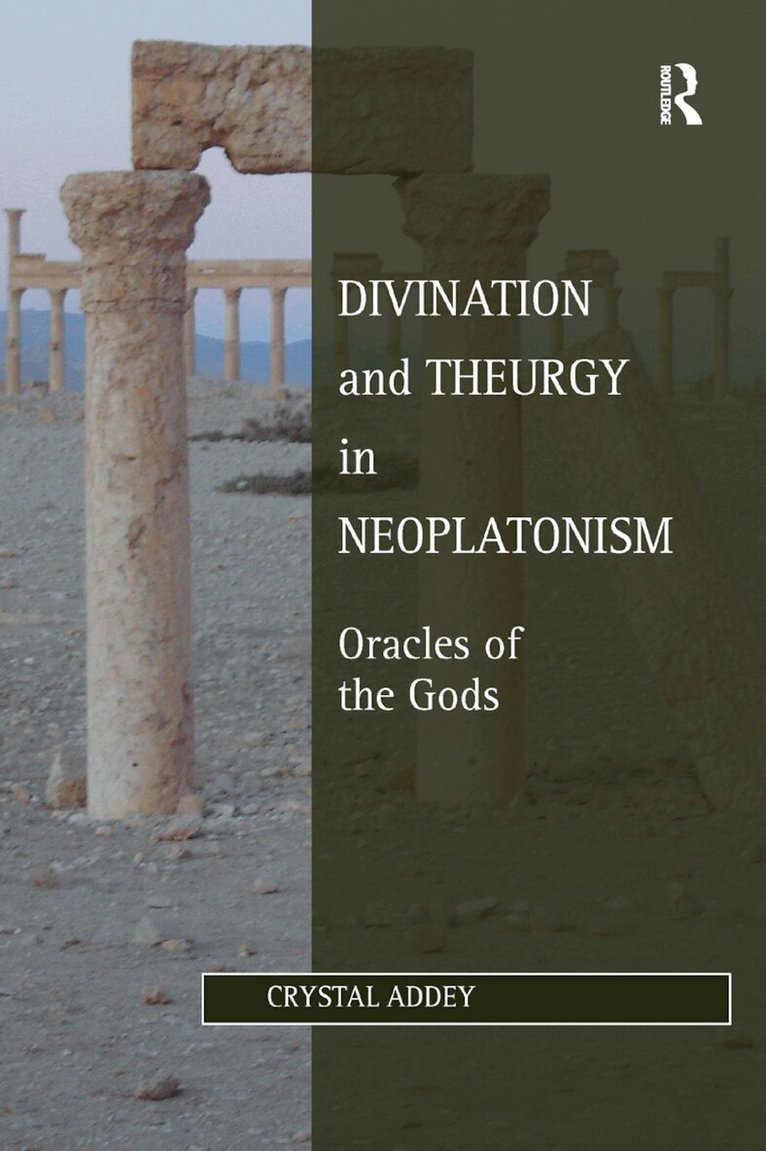
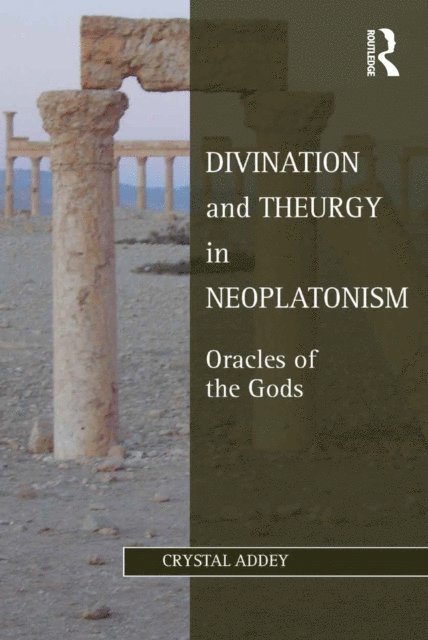
Why did ancient philosophers consult oracles, write about them, and consider them to be an important part of philosophical thought and practice? This book explores the extensive links between oracles and philosophy in Late Antiquity, particularly focusing on the roles of oracles and other forms of divination in third and fourth century CE Neoplatonism. Examining some of the most significant debates between pagan philosophers and Christian intellectuals on the nature of oracles as a central yet contested element of religious tradition, Addey focuses particularly on Porphyry's Philosophy from Oracles and Iamblichus' De Mysteriis - two works which deal extensively with oracles and other forms of divination. This book argues for the significance of divination within Neoplatonism and offers a substantial reassessment of oracles and philosophical works and their relationship to one another. With a broad interdisciplinary approach, encompassing Classics, Ancient Philosophy, Theology, Religious Studies and Ancient History, Addey draws on recent anthropological and religious studies research which has challenged and re-evaluated the relationship between rationality and ritual.
234 kr
Skickas inom 7-10 vardagar
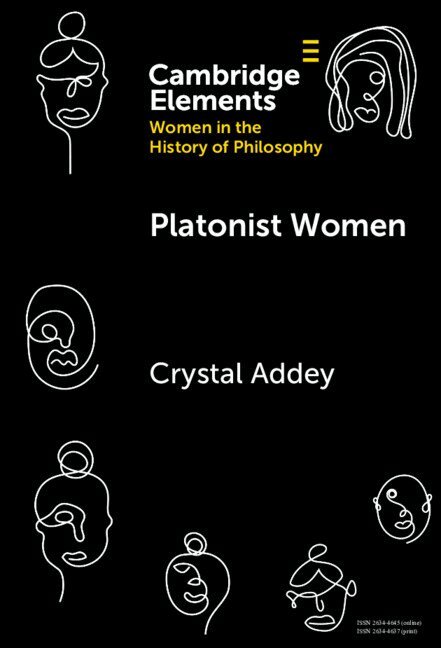
This Element examines the roles and activities of women and their contributions to the Platonic tradition from Plato's time-fourth century BCE- through to the sixth century CE. Drawing on recent research on female agency, gender studies and the connections between ancient philosophy and religious traditions, this Element re-assesses the multi-faceted roles of women within Platonism. Methodologically, any assessment of ancient women philosophers must consider the contexts of the production, transmission and (partial) survival of the range of evidence attesting to their activities, and the historical minimisation or elision of women's intellectual contributions within the western philosophical tradition, science and the academy. As such, this Element argues that the existing evidence allows us to glimpse a much wider pattern of female philosophical and intellectual activity within the Platonic tradition and that we should be careful not to underestimate or minimise the significance of ancient women within the history of Platonism.
753 kr
Skickas inom 7-10 vardagar
This Element examines the roles and activities of women and their contributions to the Platonic tradition from Plato's time-fourth century BCE- through to the sixth century CE. Drawing on recent research on female agency, gender studies and the connections between ancient philosophy and religious traditions, this Element re-assesses the multi-faceted roles of women within Platonism. Methodologically, any assessment of ancient women philosophers must consider the contexts of the production, transmission and (partial) survival of the range of evidence attesting to their activities, and the historical minimisation or elision of women's intellectual contributions within the western philosophical tradition, science and the academy. As such, this Element argues that the existing evidence allows us to glimpse a much wider pattern of female philosophical and intellectual activity within the Platonic tradition and that we should be careful not to underestimate or minimise the significance of ancient women within the history of Platonism.
578 kr
Skickas inom 10-15 vardagar
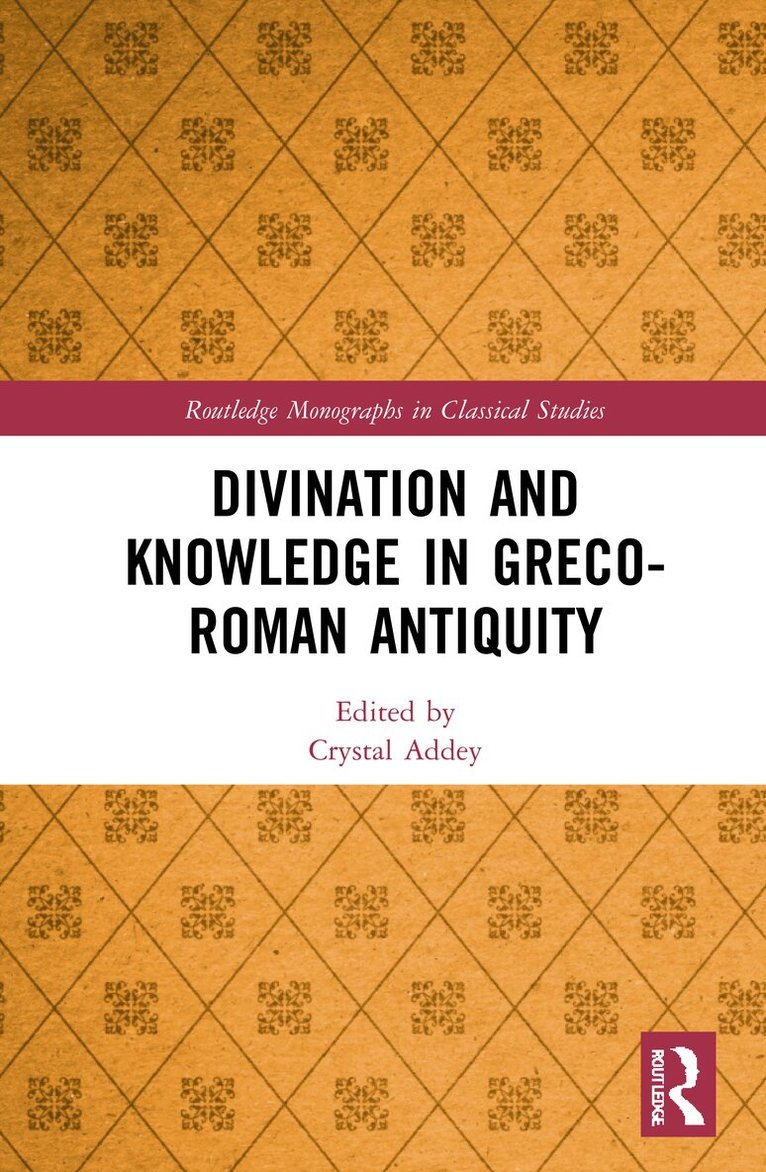
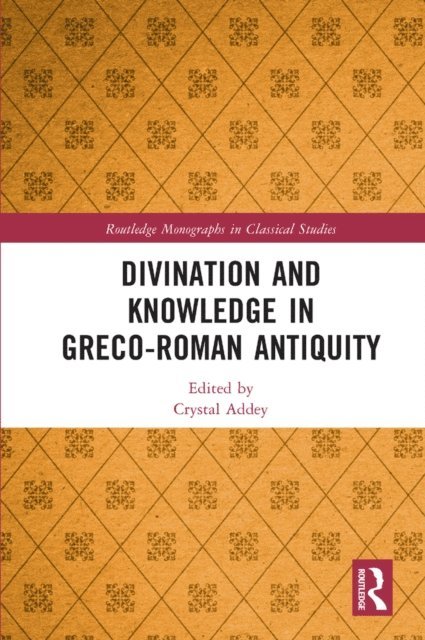
Addressing the close connections between ancient divination and knowledge, this volume offers an interlinked and detailed set of case studies which examine the epistemic value and significance of divination in ancient Greek and Roman cultures.Focusing on diverse types of divination, including oracles, astrology, and the reading of omens and signs in the entrails of sacrificial animals, chance utterances and other earthly and celestial phenomena, this volume reveals that divination was conceived of as a significant path to the attainment of insight and understanding by the ancient Greeks and Romans. It also explores the connections between divination and other branches of knowledge in Greco-Roman antiquity, such as medicine and ethnographic discourse. Drawing on anthropological studies of contemporary divination and exploring a wide range of ancient philosophical, historical, technical and literary evidence, chapters focus on the interconnections and close relationship between divine and human modes of knowledge, in relation to nuanced and subtle formulations of the blending of divine, cosmic and human agency; philosophical approaches towards and uses of divination (particularly within Platonism), including links between divination and time, ethics, and cosmology; and the relationship between divination and cultural discourses focusing on gender. The volume aims to catalyse new questions and approaches relating to these under-investigated areas of ancient Greek and Roman life. which have significant implications for the ways in which we understand and assess ancient Greek and Roman conceptions of epistemic value and variant ways of knowing, ancient philosophy and intellectual culture, lived, daily experience in the ancient world, and religious and ritual traditions.Divination and Knowledge in Greco-Roman Antiquity will be of particular relevance to researchers and students in classics, ancient history, ancient philosophy, religious studies and anthropology who are working on divination, lived religion and intellectual culture, but will also appeal to general readers who are interested in the widespread practice and significance of divination in the ancient world.
2 113 kr
Skickas inom 10-15 vardagar
Addressing the close connections between ancient divination and knowledge, this volume offers an interlinked and detailed set of case studies which examine the epistemic value and significance of divination in ancient Greek and Roman cultures.Focusing on diverse types of divination, including oracles, astrology, and the reading of omens and signs in the entrails of sacrificial animals, chance utterances and other earthly and celestial phenomena, this volume reveals that divination was conceived of as a significant path to the attainment of insight and understanding by the ancient Greeks and Romans. It also explores the connections between divination and other branches of knowledge in Greco-Roman antiquity, such as medicine and ethnographic discourse. Drawing on anthropological studies of contemporary divination and exploring a wide range of ancient philosophical, historical, technical and literary evidence, chapters focus on the interconnections and close relationship between divine and human modes of knowledge, in relation to nuanced and subtle formulations of the blending of divine, cosmic and human agency; philosophical approaches towards and uses of divination (particularly within Platonism), including links between divination and time, ethics, and cosmology; and the relationship between divination and cultural discourses focusing on gender. The volume aims to catalyse new questions and approaches relating to these under-investigated areas of ancient Greek and Roman life. which have significant implications for the ways in which we understand and assess ancient Greek and Roman conceptions of epistemic value and variant ways of knowing, ancient philosophy and intellectual culture, lived, daily experience in the ancient world, and religious and ritual traditions.Divination and Knowledge in Greco-Roman Antiquity will be of particular relevance to researchers and students in classics, ancient history, ancient philosophy, religious studies and anthropology who are working on divination, lived religion and intellectual culture, but will also appeal to general readers who are interested in the widespread practice and significance of divination in the ancient world.
2 113 kr
Skickas inom 10-15 vardagar
Why did ancient philosophers consult oracles, write about them, and consider them to be an important part of philosophical thought and practice? This book explores the extensive links between oracles and philosophy in Late Antiquity, particularly focusing on the roles of oracles and other forms of divination in third and fourth century CE Neoplatonism. Examining some of the most significant debates between pagan philosophers and Christian intellectuals on the nature of oracles as a central yet contested element of religious tradition, Addey focuses particularly on Porphyry's Philosophy from Oracles and Iamblichus' De Mysteriis - two works which deal extensively with oracles and other forms of divination. This book argues for the significance of divination within Neoplatonism and offers a substantial reassessment of oracles and philosophical works and their relationship to one another. With a broad interdisciplinary approach, encompassing Classics, Ancient Philosophy, Theology, Religious Studies and Ancient History, Addey draws on recent anthropological and religious studies research which has challenged and re-evaluated the relationship between rationality and ritual.
909 kr
Skickas inom 5-8 vardagar
1 126 kr
Skickas inom 5-8 vardagar