Crystal Bartolovich – författare
Visar alla böcker från författaren Crystal Bartolovich. Handla med fri frakt och snabb leverans.
4 produkter
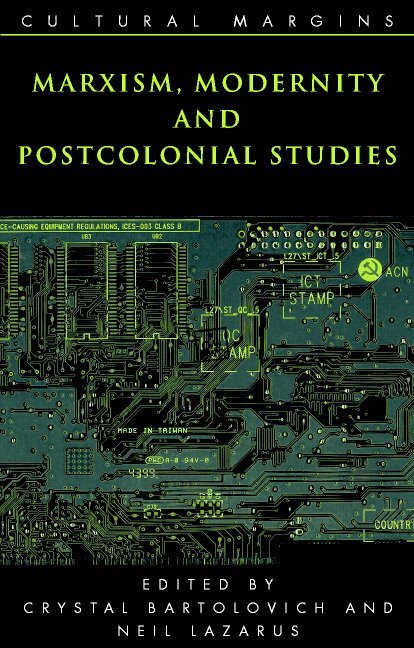
Marxism, Modernity and Postcolonial Studies
Av Crystal Bartolovich, Neil Lazarus
Häftad, 2002
804 kr
Lägg i varukorg
At a time when even much of the political left seems to believe that transnational capitalism is here to stay, Marxism, Modernity and Postcolonial Studies refuses to accept the inevitability of the so-called 'New World Order'. By giving substantial attention to topics such as globalisation, racism, …
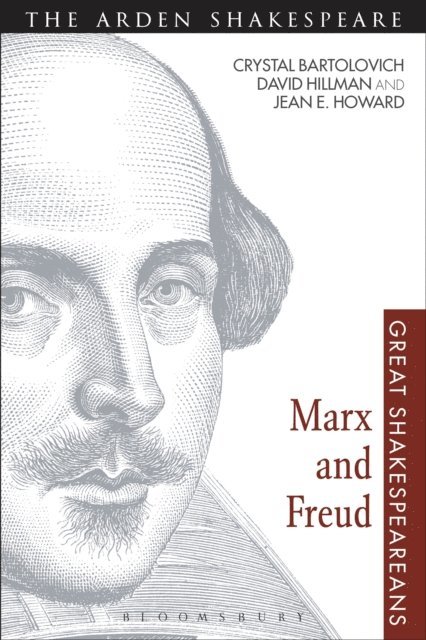
Marx and Freud
Great Shakespeareans: Volume X
Av Crystal Bartolovich, David Hillman m. fl.
E-bok, 2013
645 kr
Lägg i varukorg
This volume looks at Marx and Freud, who, though not 'Shakespeareans' in the usual academic or theatrical sense, were both deeply informed by Shakespeare's writings, and have both had enormous influence on the understanding and reception of Shakespeare. The first section of this volume consists of …
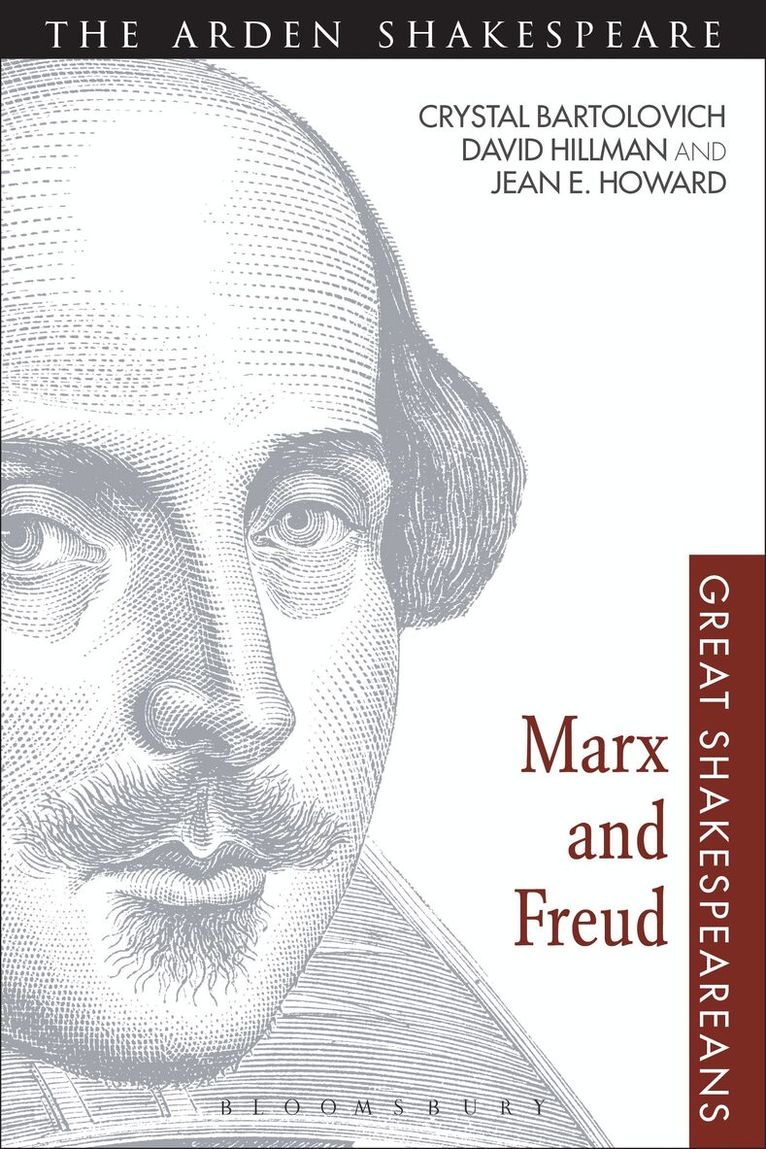
Marx and Freud
Great Shakespeareans: Volume X
Av Crystal Bartolovich, David Hillman m. fl.
Häftad, 2014
592 kr
Lägg i varukorg
This volume looks at Marx and Freud, who, though not 'Shakespeareans' in the usual academic or theatrical sense, were both deeply informed by Shakespeare's writings, and have both had enormous influence on the understanding and reception of Shakespeare. The first section of this volume consists of …
Marx and Freud
Great Shakespeareans: Volume X
Av Crystal Bartolovich, David Hillman m. fl.
E-bok, 2014
645 kr
Lägg i varukorg
This volume looks at Marx and Freud, who, though not ''Shakespeareans'' in the usual academic or theatrical sense, were both deeply informed by Shakespeare''s writings, and have both had enormous influence on the understanding and reception of Shakespeare. The first section of this volume consists …