Cüneyt Çakırlar – författare
Visar alla böcker från författaren Cüneyt Çakırlar. Handla med fri frakt och snabb leverans.
7 produkter
Mustang
Translating Willful Youth
Av Elif Akçalı, Cüneyt Çakırlar m. fl.
Inbunden, 2022
998 kr
Lägg i varukorg
This book provides a critically informed account of the Turkey-born France-based director Deniz Gamze Ergüven’s debut film Mustang (2015), which tells the story of five orphaned sisters living with their grandmother and uncle in a remote Turkish village.The film’s familiar art-house style, and its …
Mustang
Translating Willful Youth
Av Elif Akçalı, Cüneyt Çakırlar m. fl.
Häftad, 2024
348 kr
Lägg i varukorg
This book provides a critically informed account of the Turkey-born France-based director Deniz Gamze Ergüven’s debut film Mustang (2015), which tells the story of five orphaned sisters living with their grandmother and uncle in a remote Turkish village.The film’s familiar art-house style, and its …
Mustang
Translating Willful Youth
Av Ozlem Guclu, Cuneyt Cakirlar m. fl.
E-bok, 2022
373 kr
Lägg i varukorg
This book provides a critically informed account of the Turkey-born France-based director Deniz Gamze Ergüven’s debut film Mustang (2015), which tells the story of five orphaned sisters living with their grandmother and uncle in a remote Turkish village. The film’s familiar art-house style, …
Mustang
Translating Willful Youth
Av Ozlem Guclu, Cuneyt Cakirlar m. fl.
E-bok, 2022
373 kr
Lägg i varukorg
This book provides a critically informed account of the Turkey-born France-based director Deniz Gamze Ergüven’s debut film Mustang (2015), which tells the story of five orphaned sisters living with their grandmother and uncle in a remote Turkish village. The film’s familiar art-house style, …
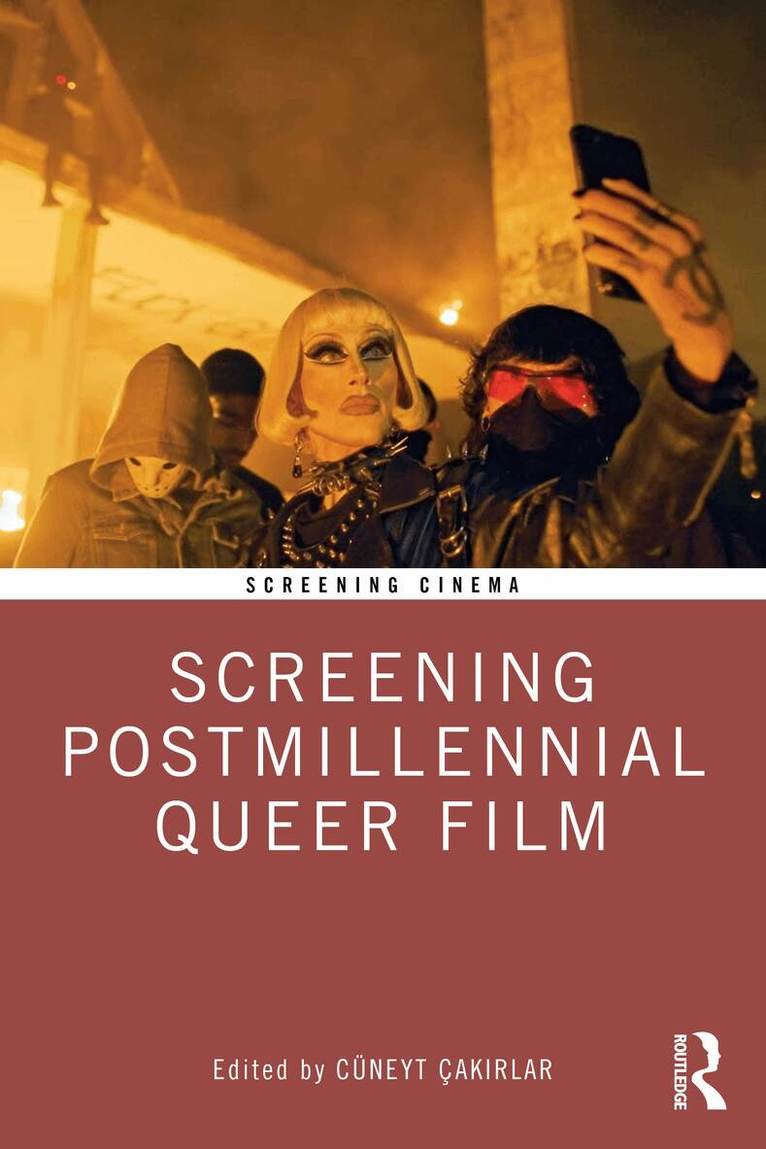
Screening Postmillennial Queer Film
Häftad, 2026
711 kr
Kommande
Screening Postmillennial Queer Film provides a critical overview of global LGBTQIA+ filmmaking in the twenty-first century, examining queer cinema beyond the New Queer Cinema paradigm, and as part of a progressively re-conceptualised world cinema.This volume explores how LGBTQIA+ film has evolved …
Screening Postmillennial Queer Film
Inbunden, 2026
2478 kr
Kommande
Screening Postmillennial Queer Film provides a critical overview of global LGBTQIA+ filmmaking in the twenty-first century, examining queer cinema beyond the New Queer Cinema paradigm, and as part of a progressively re-conceptualised world cinema.This volume explores how LGBTQIA+ film has evolved …
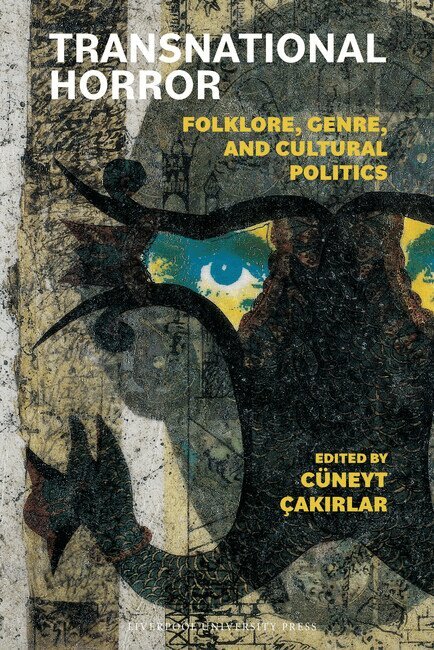
Transnational Horror
Folklore, Genre, and Cultural Politics
Inbunden, 2025
2299 kr
Lägg i varukorg
Adopting a multi-method critical approach to the global revival of folklore-themed horror media, Transnational Horror contests Anglophone film scholarship’s widespread adherence to its own film-historical canons. Navigating alternative meanings of 'folk horror' and locating these meanings within a …