D. Elwood Dunn - Böcker
Visar alla böcker från författaren D. Elwood Dunn. Handla med fri frakt och snabb leverans.
2 produkter
2 produkter
488 kr
Skickas inom 10-15 vardagar
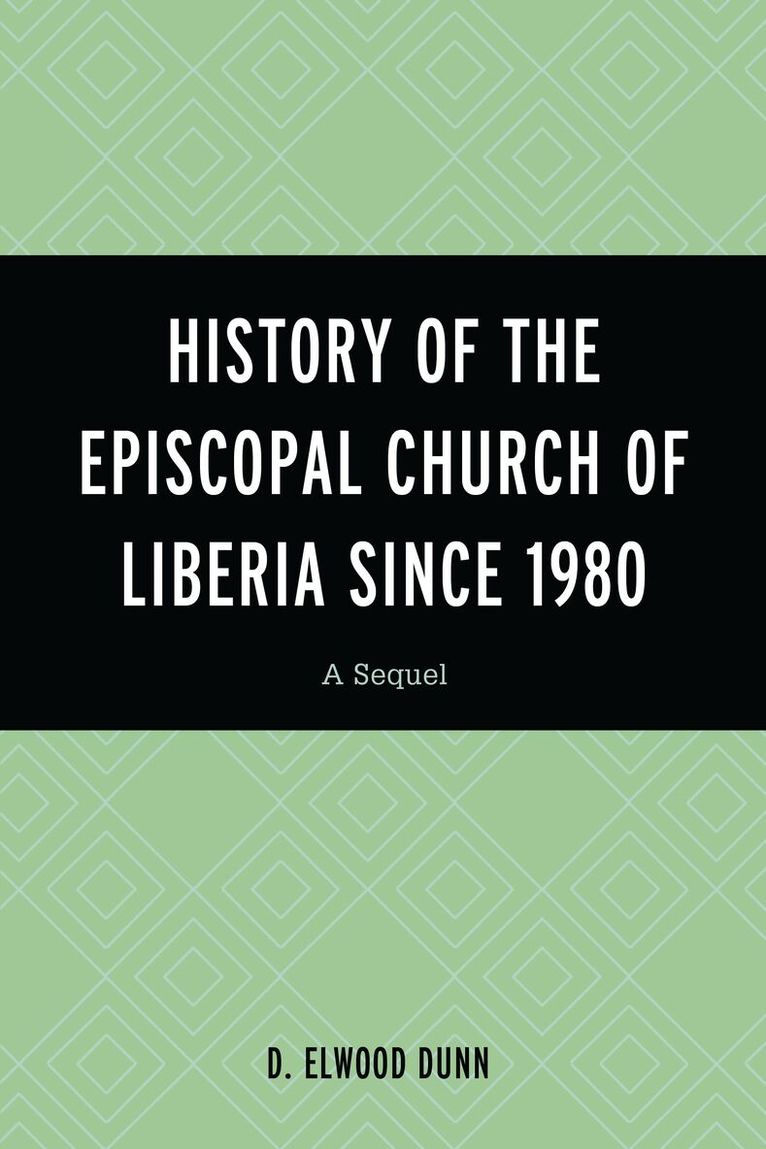
This study is a sequel to A History of the Episcopal Church in Liberia 1821–1980 (1992). It is a narrative shaped by contexts—context of the Episcopal Church and its Christian witness through the episcopacies of Diocesan Bishops George Daniel Browne, Edward Wea Neufville II, and Jonathan B. B. Hart; the context of a modernizing Liberia plunged into unprecedented political violence by a military coup d’etat in 1980 and a devastating civil war that ensued and consumed the country for some 14 years; and the context of shifting external ties with the American Church, the Liberian Episcopal community in the United States, and the Church of the Anglican Province of West Africa. D. Elwood Dunn also examines what the church’s contemporary history uncovers about Liberia’s social history in its juxtaposition of national identity issues with religious syncretism (a mixture of African traditional religions, Islam, some elements of Christianity, and basic human secularism), while suggesting challenges for the Episcopal Church’s Christian witness going forward.All of this is done in four concise chapters successively addressing the episcopate of Bishop Browne, a critical interregnum period between Browne and his successor, Bishop Neufville, the episcopate of Neufville, and initiating the episcopate of incumbent Bishop Hart. This is followed by a general conclusion and assessment of the church’s work. The study ends with an epilogue on the Episcopal Church that was, the Church that is, and the Church of the future.
Del 41 - Afrika-Studiecentrum Series
Liberian Life
Memoir of an Academic and Former Minister of State for Presidential Affairs
Häftad, Engelska, 2022
884 kr
Skickas inom 5-8 vardagar
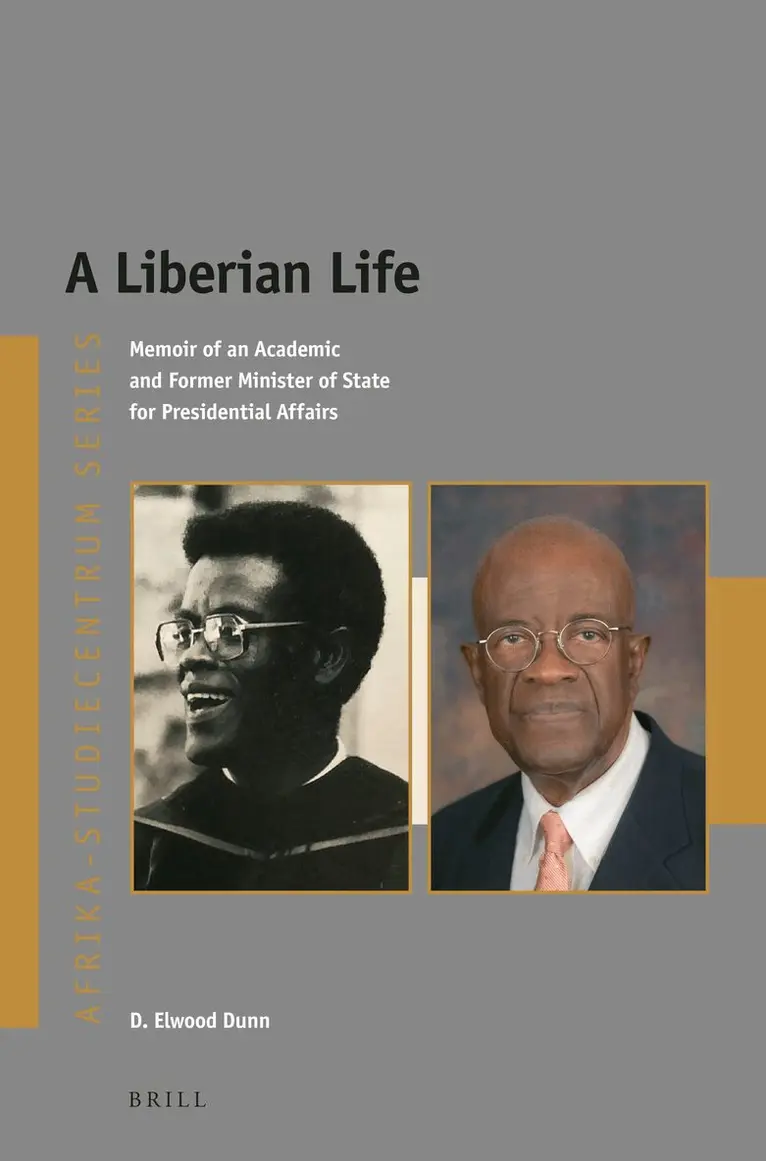
An account of the author’s triple careers in academia, and services to two distinct governments of Liberia – William R. Tolbert’s and Ellen Johnson Sirleaf’s (consultant). Situated between the crisis years of the True Whig Party (TWP) regime, and the hopeful years of the first post-civil war government, stands more than three decades of teaching, research and public intellectual engagement. More than an impressionistic account, the author employs a rich repertoire of unpublished documents that include his personal cabinet notes and a wide range of government papers. His personal research papers acquired from archival research and interviews over the years supplement these. It is this rich background material that enables the telling of a fascinating story of the tensions within the TWP regime on the eve of the bloody 1980 coup, and in the process, paints enlightening portraits of such key players as Tolbert and his finance minister, Ellen Johnson Sirleaf, among a host of others. Included as well are some specifics of the 1979 “rice riots” and its impact on the politics of change. Discoveries are also unearthed about the author’s role in racially integrating and internationalizing an American Episcopal/Anglican University in rural Tennessee.Among the questions explained are: Who was President Tolbert? What sort of finance minister to Tolbert was Ellen Johnson Sirleaf? Who was C. Cecil Dennis? Who was Jackson Fiah Doe? Who was Bacchus Matthews? How did the forces for change interact with those of the status quo in the 1970s? What were some of the forces at play in the reform attempts in the early 2000s? All things considered, what are Liberia’s prospects going forward?