D. H. Evans – författare
Visar alla böcker från författaren D. H. Evans. Handla med fri frakt och snabb leverans.
10 produkter
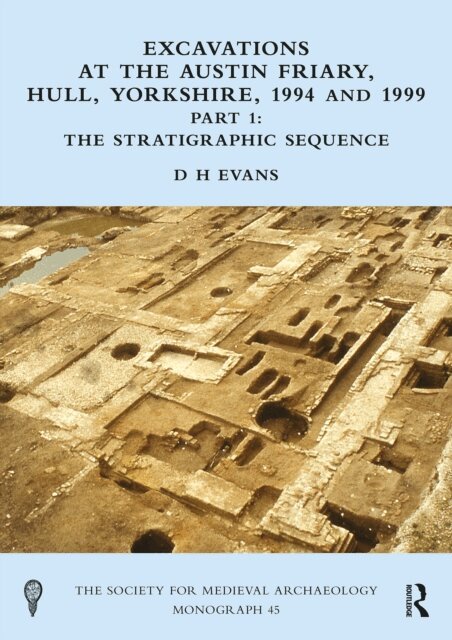
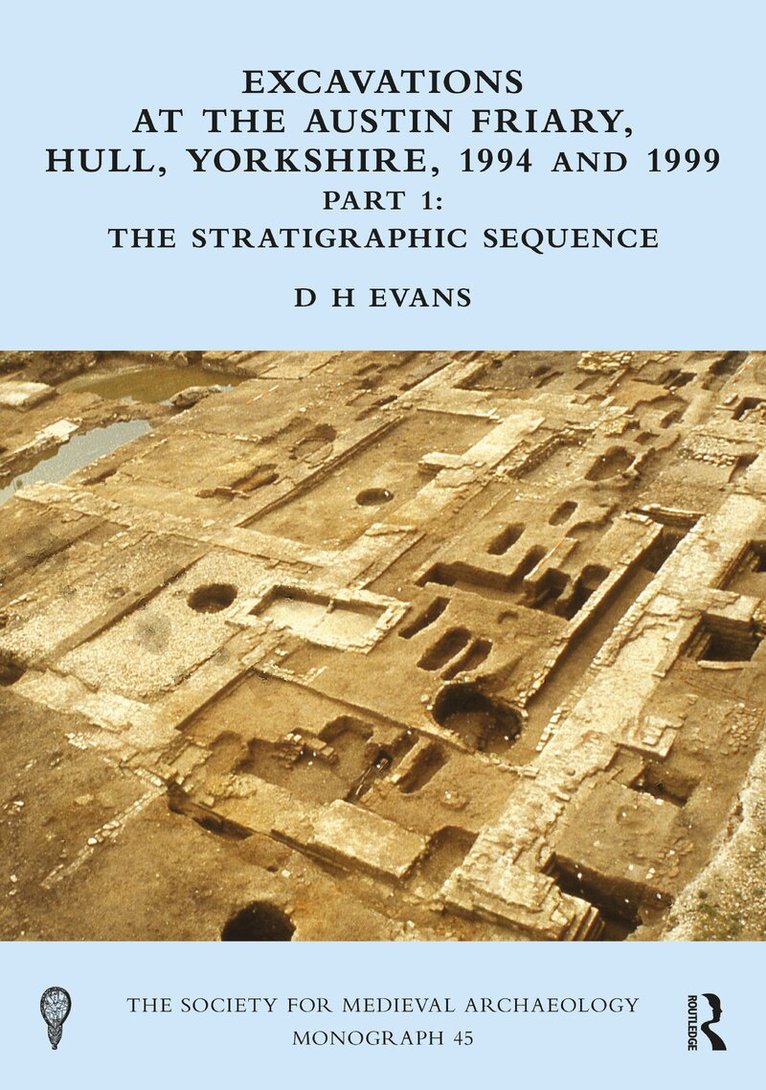
Excavations at the Austin Friary, Hull, Yorkshire, 1994 and 1999, Part 1
The Stratigraphic Sequence
Av D H Evans
E-bok, 2025
746 kr
Lägg i varukorg
The Austin Friary at Hull was founded in 1316/17 as a daughter-house of the York friary. It would be the very last of the Order to surrender to the Crown, on 10 March 1539. This monastic house was located in the heart of the medieval Old Town, next to its market place. It was excavated in 1994 and …
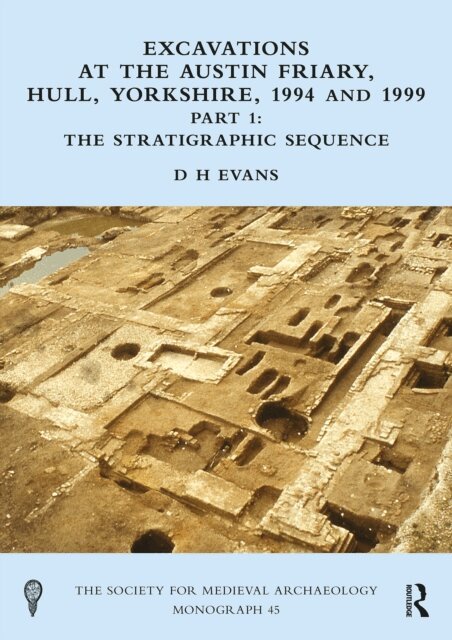
Excavations at the Austin Friary, Hull, Yorkshire, 1994 and 1999, Part 1
The Stratigraphic Sequence
Av D H Evans
E-bok, 2025
762 kr
Lägg i varukorg
The Austin Friary at Hull was founded in 1316/17 as a daughter-house of the York friary. It would be the very last of the Order to surrender to the Crown, on 10 March 1539. This monastic house was located in the heart of the medieval Old Town, next to its market place. It was excavated in 1994 and …
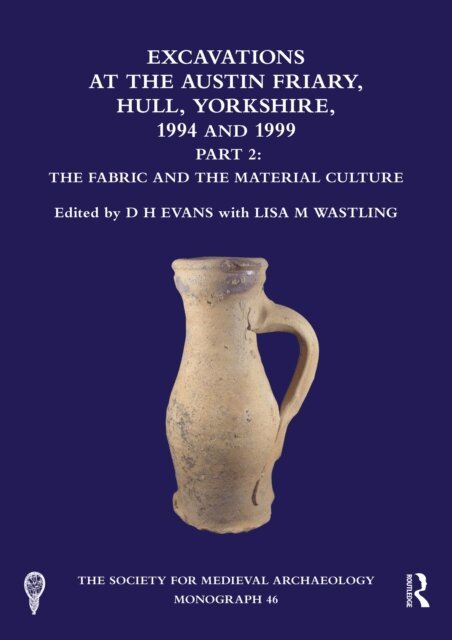
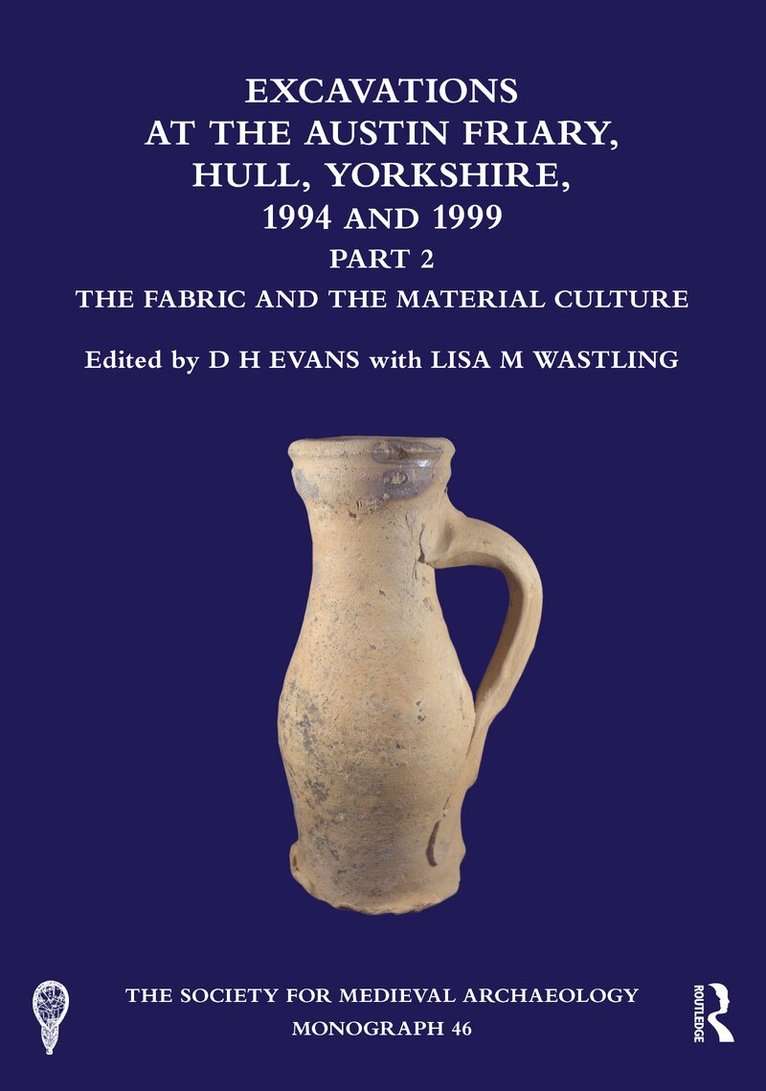
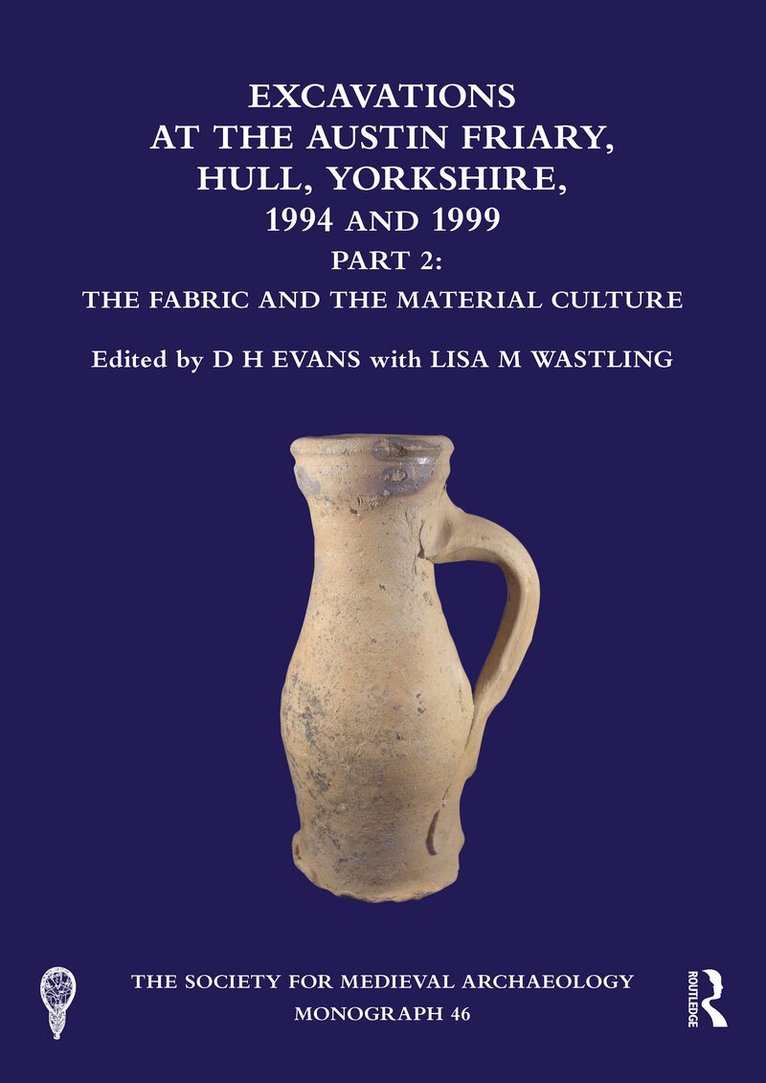
Excavations at the Austin Friary, Hull, Yorkshire, 1994 and 1999, Part 2
The Fabric and the Material Culture
Av Lisa M. Wastling, D. H. Evans
E-bok, 2026
733 kr
Lägg i varukorg
Excavations at the Austin Friary, Hull, Yorkshire, 1994 and 1999, Part 2, details the excavations of the Austin Friary in Hull, a house founded in 1316/17 and surrendered to the Crown in 1539.This volume concentrates on the material culture recovered during the excavations. The site yielded a …
Excavations at the Austin Friary, Hull, Yorkshire, 1994 and 1999, Part 2
The Fabric and the Material Culture
Av Lisa M. Wastling, D. H. Evans
E-bok, 2026
733 kr
Lägg i varukorg
Excavations at the Austin Friary, Hull, Yorkshire, 1994 and 1999, Part 2, details the excavations of the Austin Friary in Hull, a house founded in 1316/17 and surrendered to the Crown in 1539.This volume concentrates on the material culture recovered during the excavations. The site yielded a …
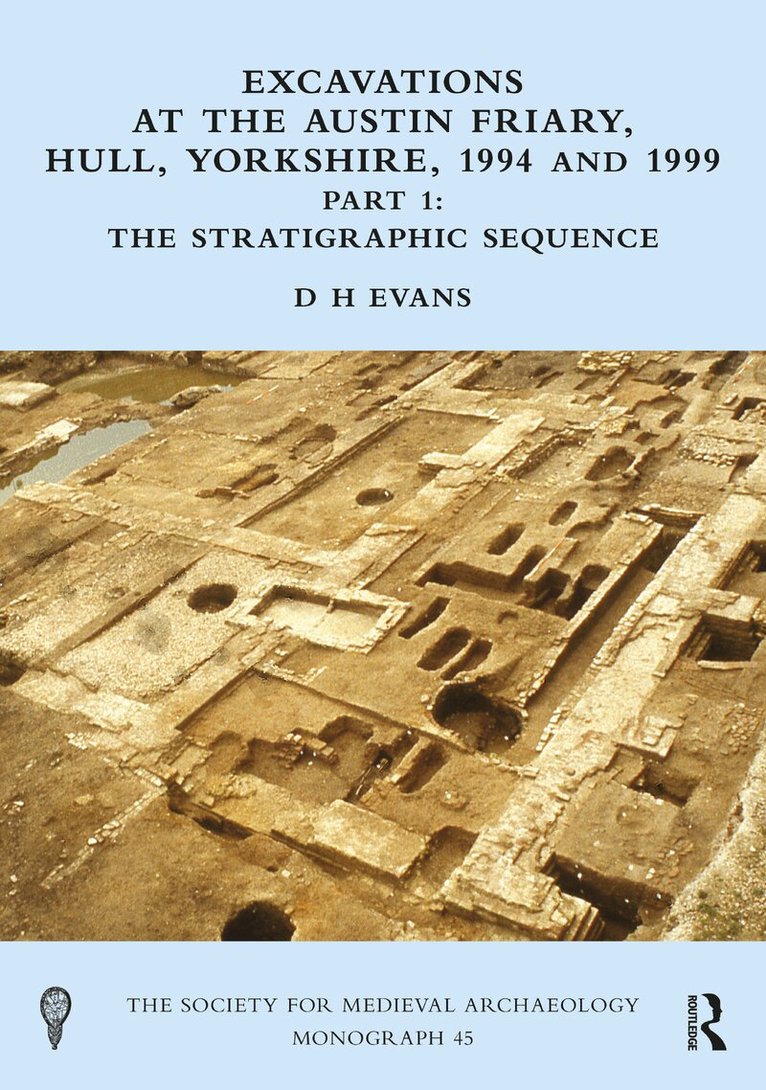
Excavations at the Austin Friary, Hull, Yorkshire, 1994 and 1999, Part 1
The Stratigraphic Sequence
Av D H Evans
Häftad, 2025
658 kr
Lägg i varukorg
The Austin Friary at Hull was founded in 1316/17 as a daughter-house of the York friary. It would be the very last of the Order to surrender to the Crown, on 10 March 1539. This monastic house was located in the heart of the medieval Old Town, next to its market place. It was excavated in 1994 and …
Excavations at the Austin Friary, Hull, Yorkshire, 1994 and 1999, Part 1
The Stratigraphic Sequence
Av D H Evans
Inbunden, 2025
2586 kr
Lägg i varukorg
The Austin Friary at Hull was founded in 1316/17 as a daughter-house of the York friary. It would be the very last of the Order to surrender to the Crown, on 10 March 1539. This monastic house was located in the heart of the medieval Old Town, next to its market place. It was excavated in 1994 and …
Excavations at the Austin Friary, Hull, Yorkshire, 1994 and 1999, Part 2
The Fabric and the Material Culture
Av D. H. Evans, Lisa M. Wastling m. fl.
Häftad, 2026
619 kr
Lägg i varukorg
Excavations at the Austin Friary, Hull, Yorkshire, 1994 and 1999, Part 2, details the excavations of the Austin Friary in Hull, a house founded in 1316/17 and surrendered to the Crown in 1539.This volume concentrates on the material culture recovered during the excavations. The site yielded a …
Excavations at the Austin Friary, Hull, Yorkshire, 1994 and 1999, Part 2
The Fabric and the Material Culture
Av D. H. Evans, Lisa M. Wastling m. fl.
Inbunden, 2026
2512 kr
Lägg i varukorg
Excavations at the Austin Friary, Hull, Yorkshire, 1994 and 1999, Part 2, details the excavations of the Austin Friary in Hull, a house founded in 1316/17 and surrendered to the Crown in 1539.This volume concentrates on the material culture recovered during the excavations. The site yielded a …
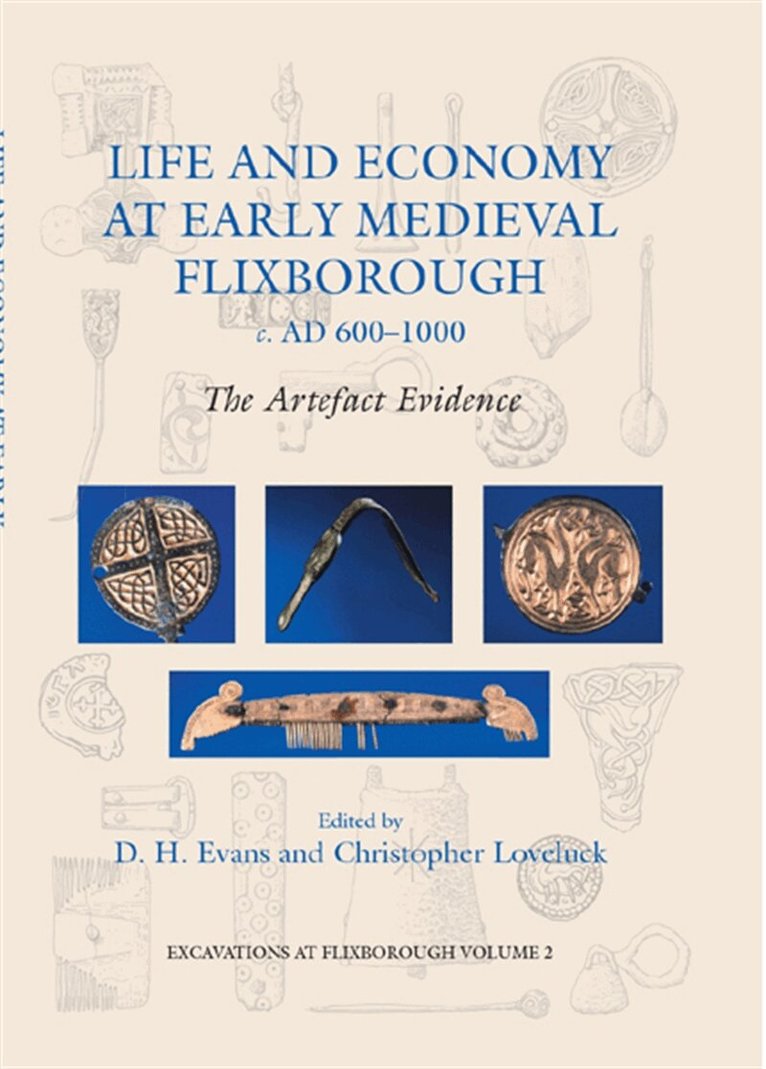
Life and Economy at Early Medieval Flixborough, c. AD 600-1000
The Artefact Evidence
Av D. H. Evans
E-bok, 2021
127 kr
Lägg i varukorg
Between 1989 and 1991, excavations in the parish of Flixborough, North Lincolnshire, unearthed remains of an Anglo-Saxon settlement associated with one of the largest collections of artefacts and animal bones yet found on such a site. In an unprecedented occupation sequence from an Anglo-Saxon …