D. Pearce - Böcker
Visar alla böcker från författaren D. Pearce. Handla med fri frakt och snabb leverans.
4 produkter
4 produkter
536 kr
Skickas inom 10-15 vardagar
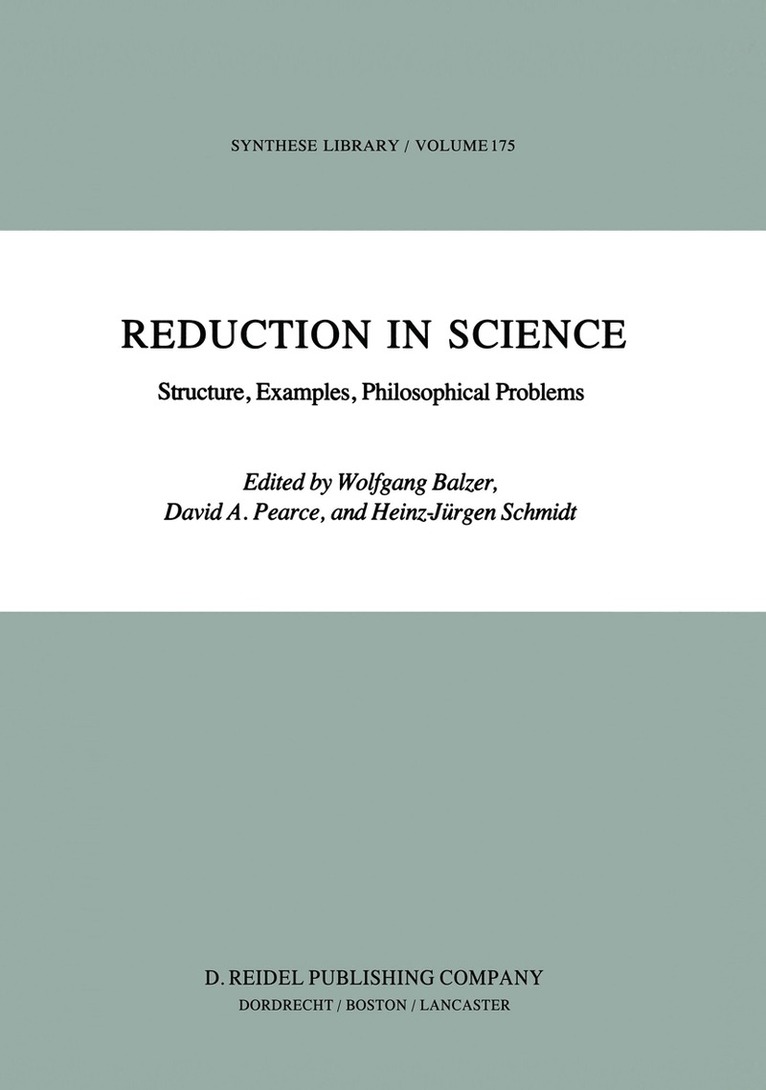
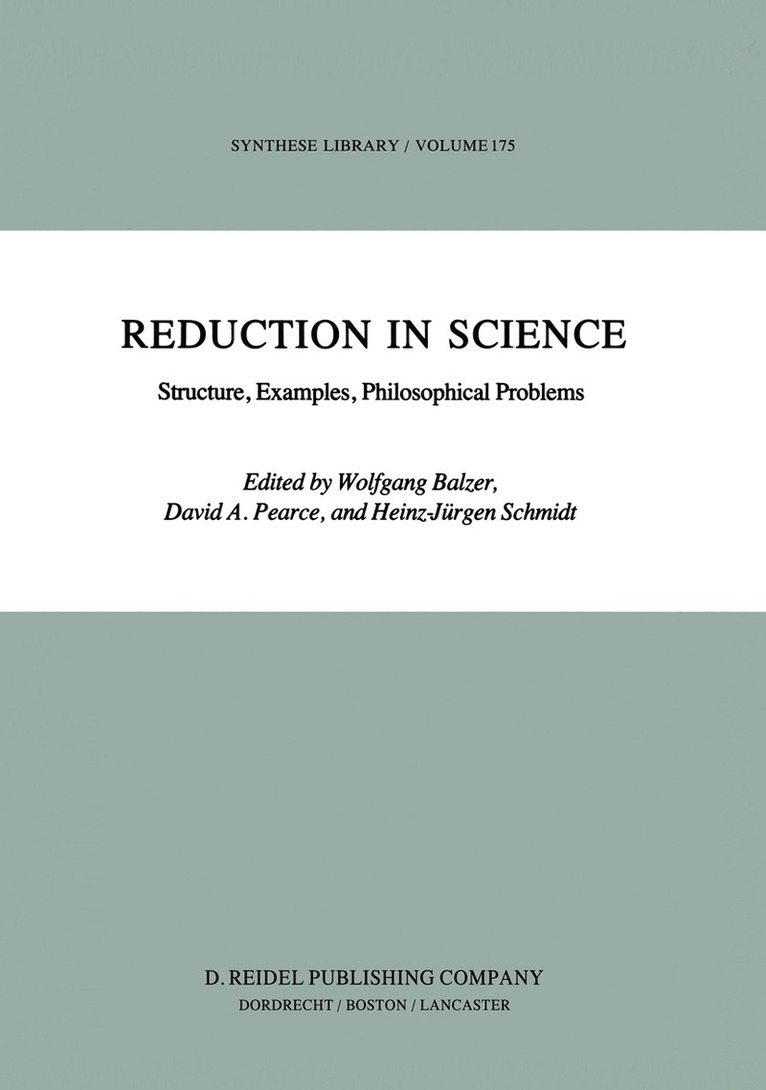
The papers in this volume were presented at the colloquium "Reduktion in der Wissenschaft: Struktur, Beispiele, philos- ophische PrObleme", held in Bielefeld, West Germany, July 18- 21, 1983. Altogether eighteen talks were delivered at the symposium, and all appear here with the exception of Professor Ehlers' address. In addition, we are pleased to be able to include three papers by invited participants (Kamiah, Ludwig, Scheibe) who were unable to attend the meeting. The meeting itself brought together a sizeable group of logicians, philosophers and working scientists to discuss and debate the theme of reduction, one that occupies a central place in contemporary philosophy of science. The participants and contributors succeeded in opening up new directions in reduction studies and presenting fresh case studies of re- duction from many different areas of scientific practice. Their efforts will greatly enhance our understanding of reduction and, consequently, our grasp of the complex process of scien- tific change and the unity and growth of scientific knowledge.
1 064 kr
Skickas inom 10-15 vardagar
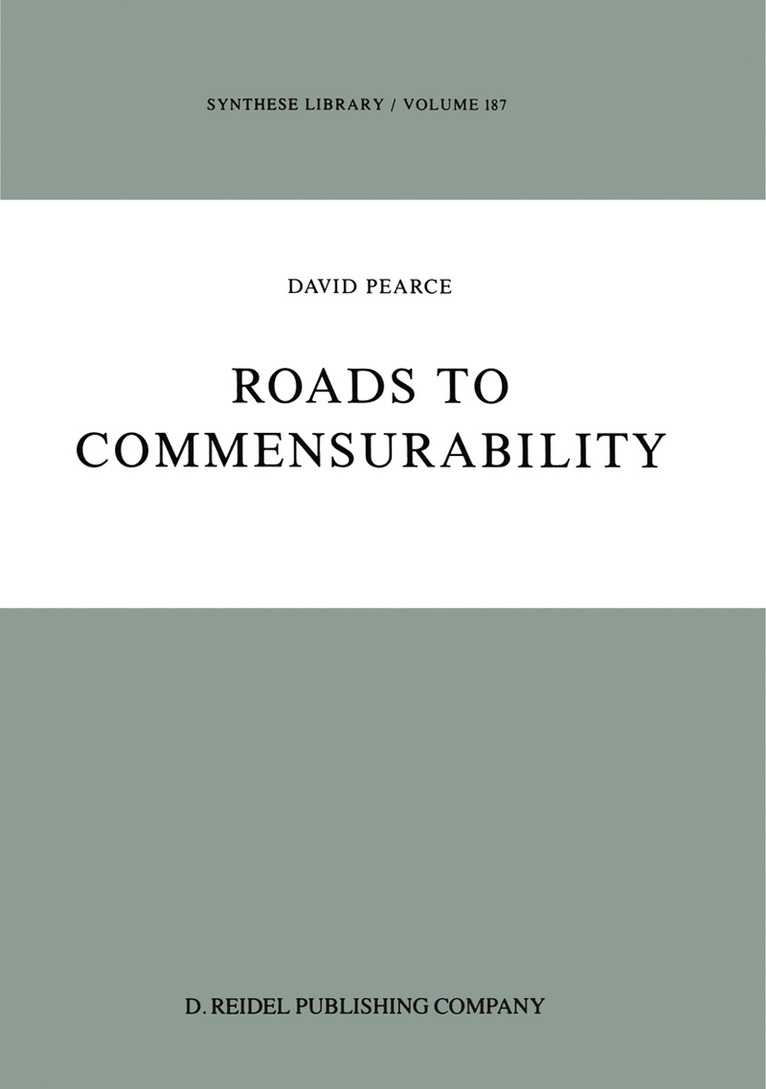
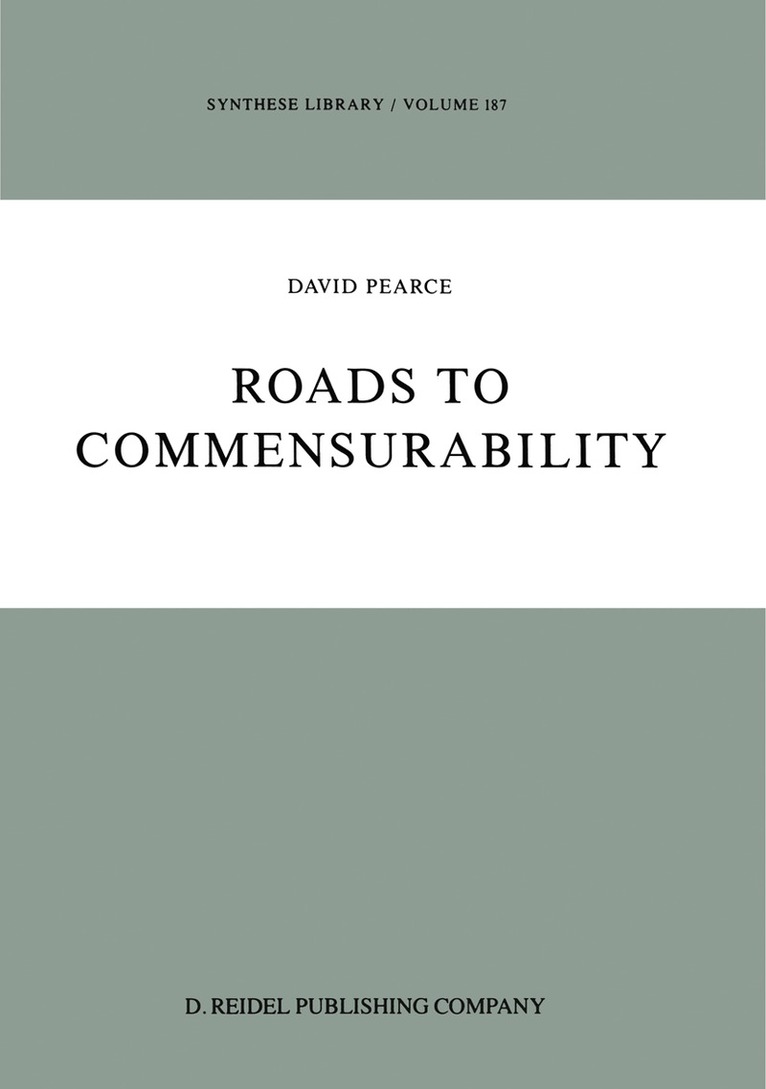
How many miles to Babylon? Three-score and ten. Can I get there by candle-light? Yes, and back again. If your heels are nimble dnd light, You may get there by candle-light. Any philosopher who takes more than a fleeting interest in the sciences and their development must at some stage confront the issue of incommensurability in one or other of its many manifes tations. For the philosopher of science concerned with problems of conceptual change and the growth of knowledge, matters of incommensurability are of paramount concern. After many years of skating over, skimming through and skirting round this issue in my studies of intertheory relations in science, I decided to take the plunge and make the problem of incommensurability the central and unifying theme of a book. The present volume is the result of that decision. My interest in problems of comparability and commensurability in science was awakened in the formative years of my philosophi cal studies by my teacher, Jerzy Giedymin. From him I have learnt not only to enjoy philosophical problems but also to beware of simpleminded solutions to them. The vibrant seminars of Paul Feyerabend held at Sussex University in 1974 left me in no doubt that incommensurability was, and would remain, a major topic of debate and dispute in the philosophical study of human knowledge.
Del 175 - Synthese Library
Reduction in Science
Structure, Examples, Philosophical Problems
Häftad, Engelska, 2012
536 kr
Skickas inom 10-15 vardagar
The papers in this volume were presented at the colloquium "Reduktion in der Wissenschaft: Struktur, Beispiele, philos- ophische PrObleme", held in Bielefeld, West Germany, July 18- 21, 1983. Altogether eighteen talks were delivered at the symposium, and all appear here with the exception of Professor Ehlers' address. In addition, we are pleased to be able to include three papers by invited participants (Kamiah, Ludwig, Scheibe) who were unable to attend the meeting. The meeting itself brought together a sizeable group of logicians, philosophers and working scientists to discuss and debate the theme of reduction, one that occupies a central place in contemporary philosophy of science. The participants and contributors succeeded in opening up new directions in reduction studies and presenting fresh case studies of re- duction from many different areas of scientific practice. Their efforts will greatly enhance our understanding of reduction and, consequently, our grasp of the complex process of scien- tific change and the unity and growth of scientific knowledge.
1 064 kr
Skickas inom 10-15 vardagar
How many miles to Babylon? Three-score and ten. Can I get there by candle-light? Yes, and back again. If your heels are nimble dnd light, You may get there by candle-light. Any philosopher who takes more than a fleeting interest in the sciences and their development must at some stage confront the issue of incommensurability in one or other of its many manifes tations. For the philosopher of science concerned with problems of conceptual change and the growth of knowledge, matters of incommensurability are of paramount concern. After many years of skating over, skimming through and skirting round this issue in my studies of intertheory relations in science, I decided to take the plunge and make the problem of incommensurability the central and unifying theme of a book. The present volume is the result of that decision. My interest in problems of comparability and commensurability in science was awakened in the formative years of my philosophi cal studies by my teacher, Jerzy Giedymin. From him I have learnt not only to enjoy philosophical problems but also to beware of simpleminded solutions to them. The vibrant seminars of Paul Feyerabend held at Sussex University in 1974 left me in no doubt that incommensurability was, and would remain, a major topic of debate and dispute in the philosophical study of human knowledge.