Daan J.A. Crommelin – författare
Visar alla böcker från författaren Daan J.A. Crommelin. Handla med fri frakt och snabb leverans.
9 produkter
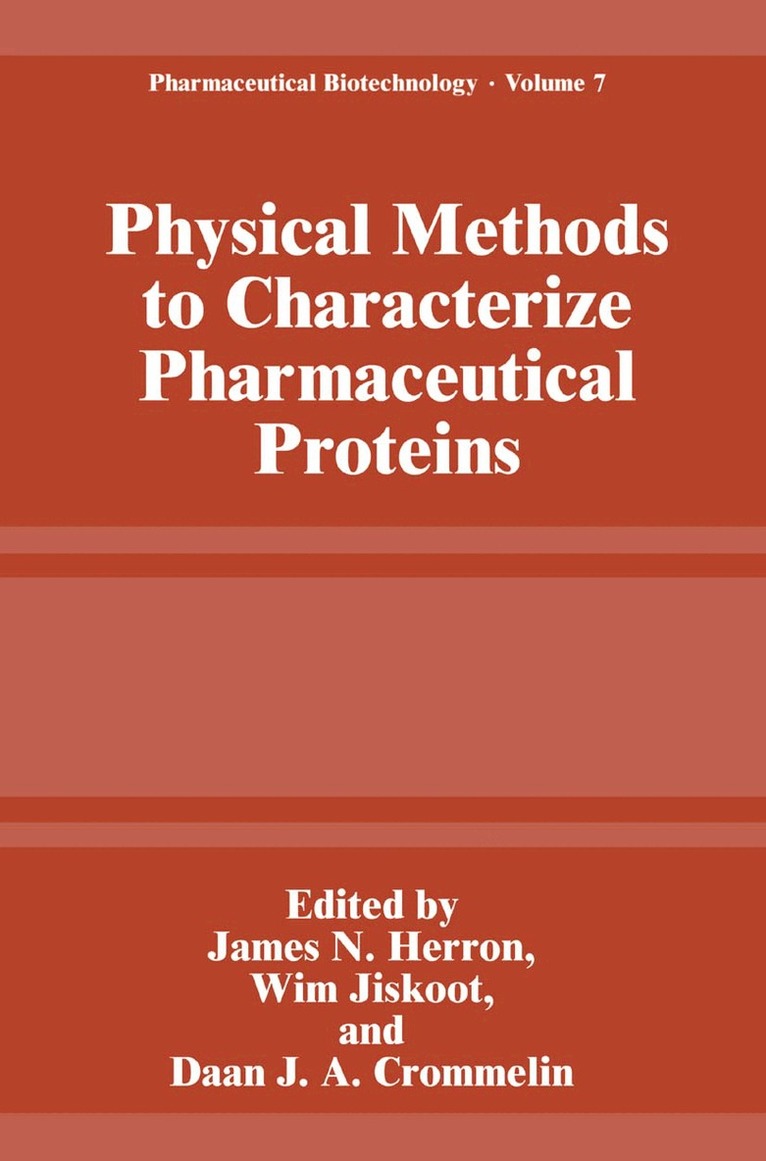
Physical Methods to Characterize Pharmaceutical Proteins
Av James N. Herron, James Ed. Herron m. fl.
Inbunden, 1995
1638 kr
Lägg i varukorg
Proteins are still gaining importance in the pharmaceutical world, where they are used to improve our arsenal of therapeutic drugs and vaccines and as diagnostic tools. Proteins are different from "traditional" low-molecular-weight drugs. As a group, they exhibit a number of biopharmaceutical and …
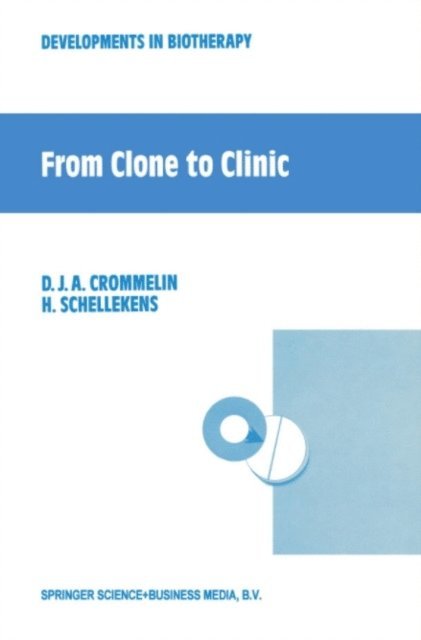
From Clone to Clinic
Av D.J.A. Crommelin, Daan J.A. Crommelin m. fl.
Inbunden, 1990
1243 kr
Lägg i varukorg
Physical Methods to Characterize Pharmaceutical Proteins
Av Daan J.A. Crommelin, Wim Jiskoot m. fl.
E-bok, 2013
2174 kr
Lägg i varukorg
Proteins are still gaining importance in the pharmaceutical world, where they are used to improve our arsenal of therapeutic drugs and vaccines and as diagnostic tools. Proteins are different from "traditional" low-molecular-weight drugs. As a group, they exhibit a number of biopharmaceutical and …
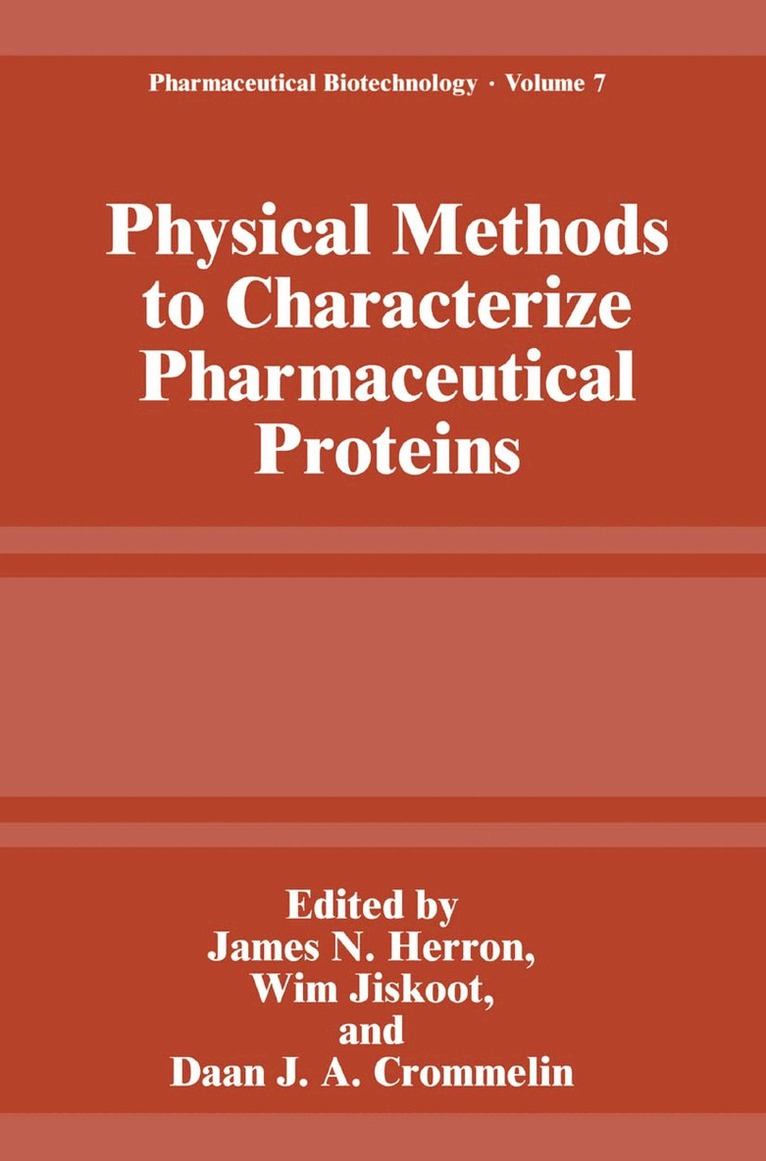
Physical Methods to Characterize Pharmaceutical Proteins
Av James N. Herron, Wim Jiskoot m. fl.
Häftad, 2013
1687 kr
Lägg i varukorg
Proteins are still gaining importance in the pharmaceutical world, where they are used to improve our arsenal of therapeutic drugs and vaccines and as diagnostic tools. Proteins are different from "traditional" low-molecular-weight drugs. As a group, they exhibit a number of biopharmaceutical and …
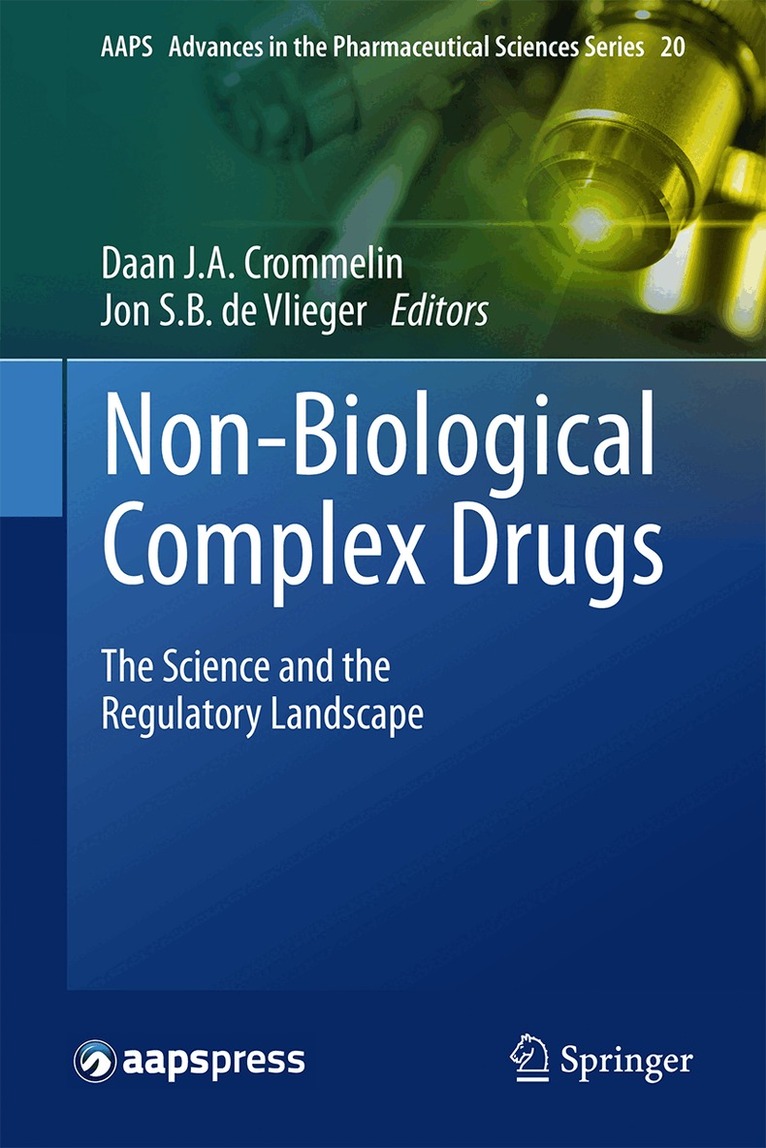
Non-Biological Complex Drugs
The Science and the Regulatory Landscape
Av Daan J.A. Crommelin, Jon S. B. de Vlieger
Inbunden, 2015
1203 kr
Lägg i varukorg
The rise of bio- and nano-technology in the last decades has led to the emergence of a new and unique type of medicine known as non-biological complex drugs (NBCDs). This book illustrates the challenges associated with NBCD development, as well as the complexity of assessing the effects of …
Non-Biological Complex Drugs
The Science and the Regulatory Landscape
Av Jon S. B. de Vlieger, Daan J.A. Crommelin
E-bok, 2015
1585 kr
Lägg i varukorg
The rise of bio- and nano-technology in the last decades has led to the emergence of a new and unique type of medicine known as non-biological complex drugs (NBCDs). This book illustrates the challenges associated with NBCD development, as well as the complexity of assessing the effects of …
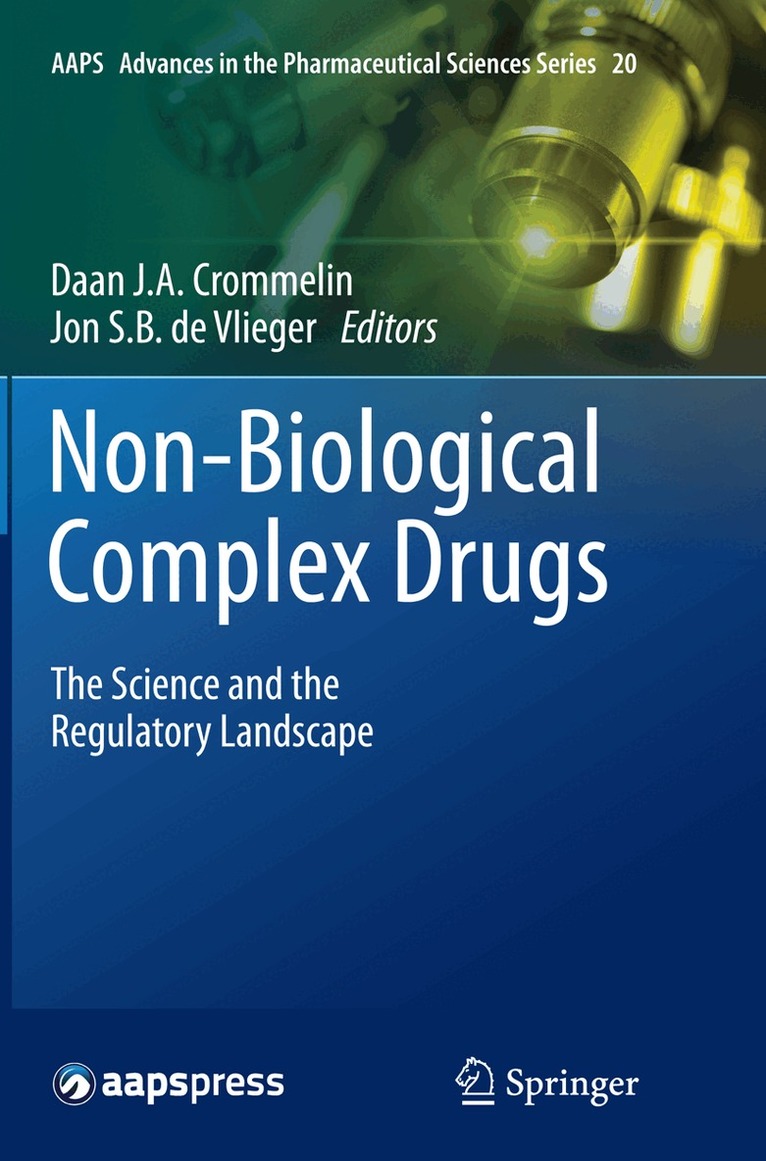
Non-Biological Complex Drugs
The Science and the Regulatory Landscape
Av Daan J.A. Crommelin, Jon S. B. de Vlieger
Häftad, 2016
1239 kr
Lägg i varukorg
The rise of bio- and nano-technology in the last decades has led to the emergence of a new and unique type of medicine known as non-biological complex drugs (NBCDs). This book illustrates the challenges associated with NBCD development, as well as the complexity of assessing the effects of …
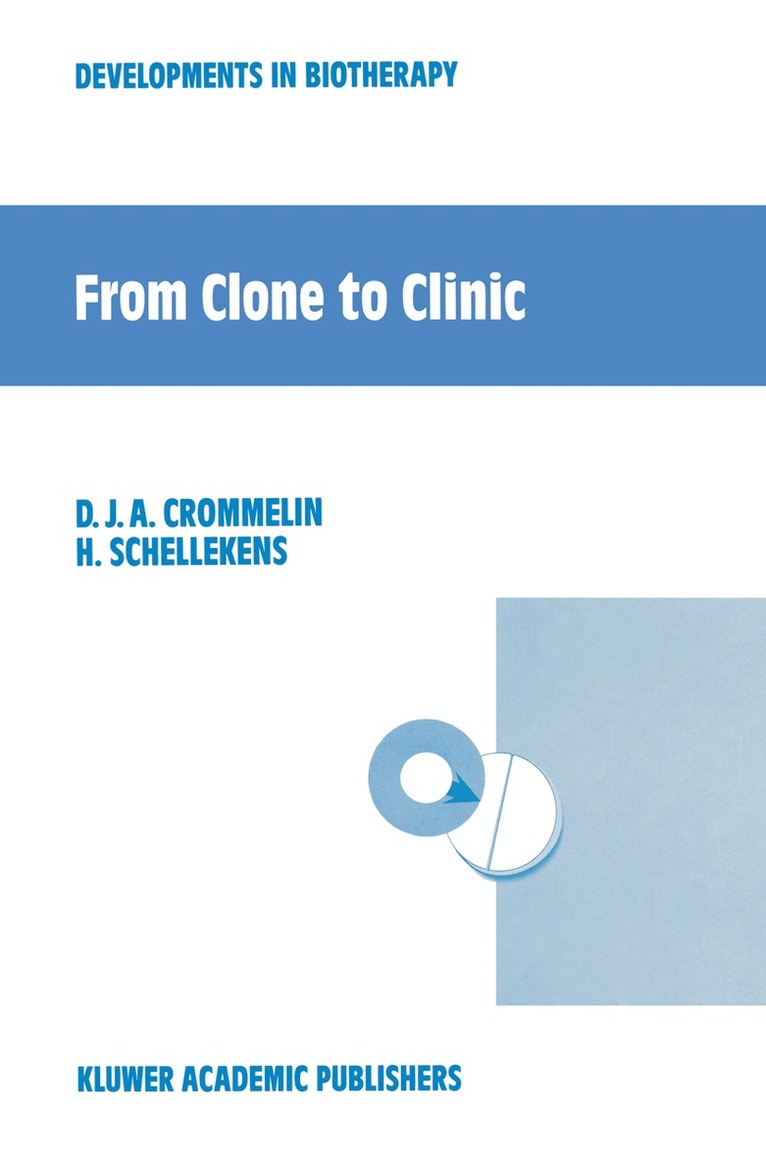
From Clone to Clinic
Av Daan J.A. Crommelin, H. Schellekens
Häftad, 2012
1127 kr
Lägg i varukorg
This book contains a selection of the papers presented at the meeting "Between Clone and Clinic" which was organised in March 1990 in Amsterdam by the dutch Organisation for Applied Research, TNO, and the University of Utrecht. The scope of this meeting was the development of biotechnological …
From Clone to Clinic
Av H. Schellekens, Daan J.A. Crommelin
E-bok, 2012
1502 kr
Lägg i varukorg
This book contains a selection of the papers presented at the meeting "Between Clone and Clinic" which was organised in March 1990 in Amsterdam by the dutch Organisation for Applied Research, TNO, and the University of Utrecht. The scope of this meeting was the development of biotechnological …