Wim Jiskoot – författare
Visar alla böcker från författaren Wim Jiskoot. Handla med fri frakt och snabb leverans.
7 produkter
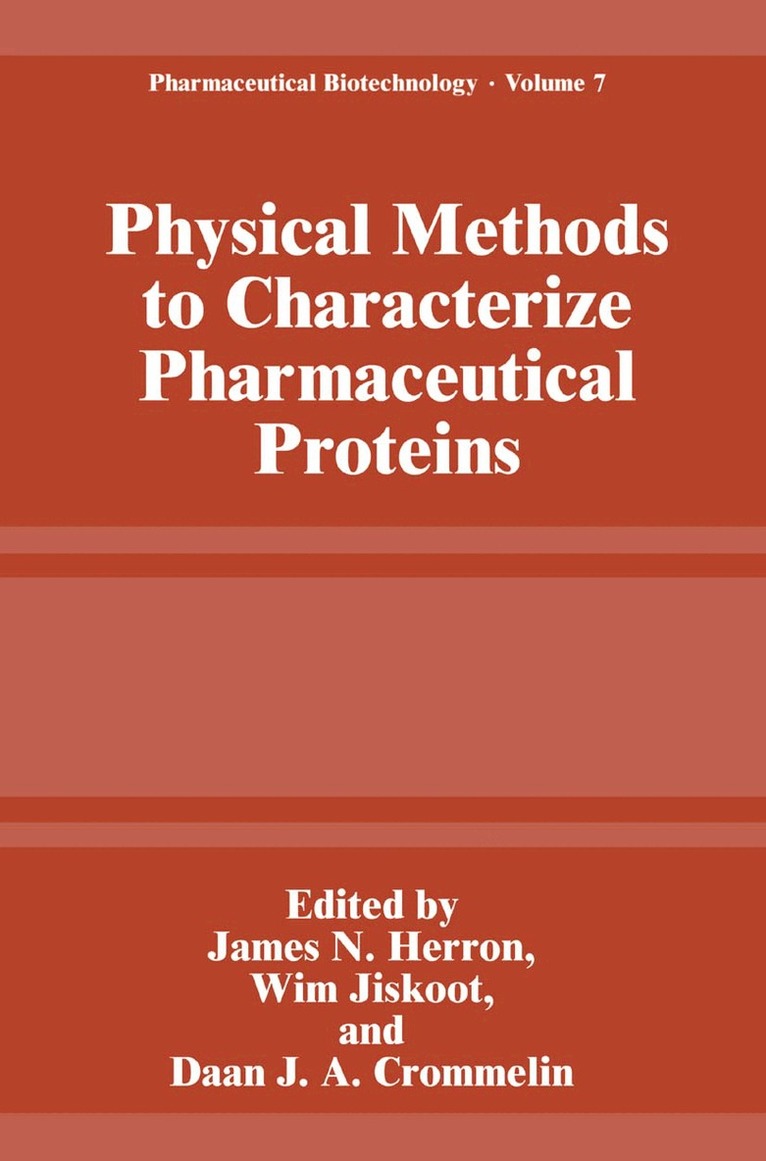
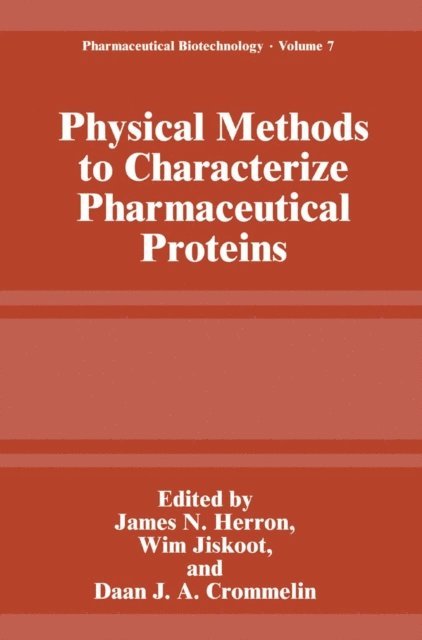
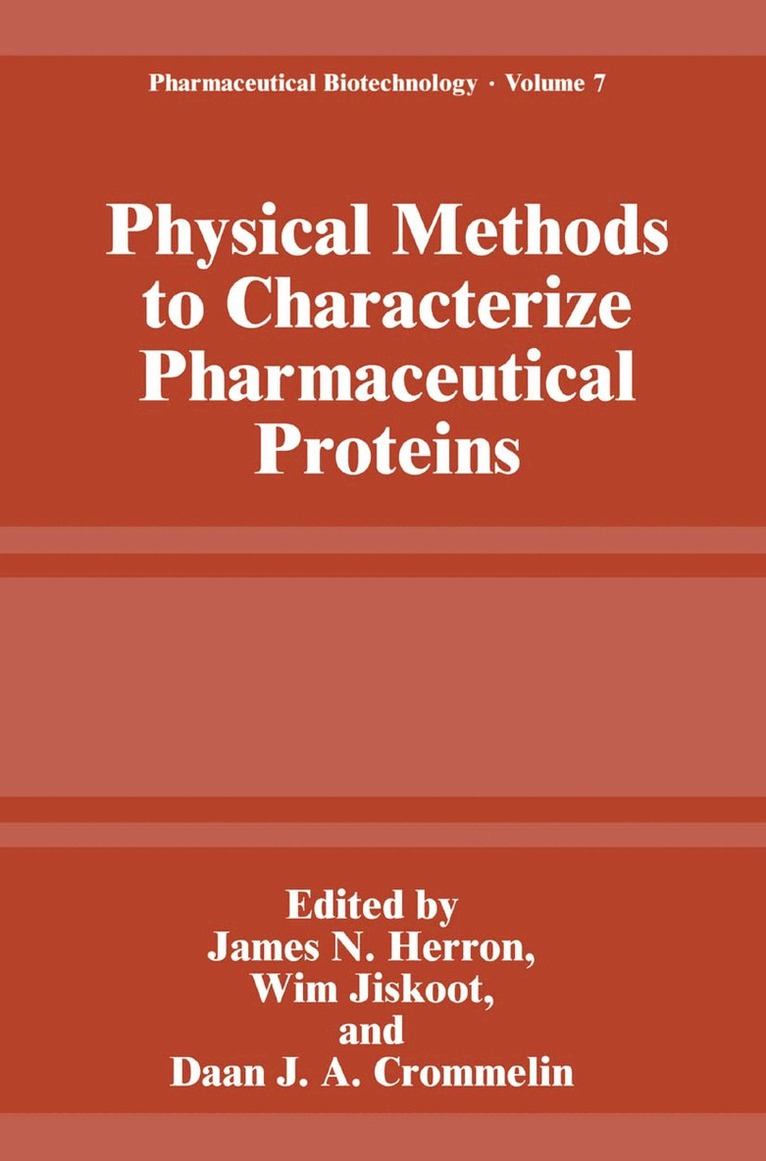
Physical Methods to Characterize Pharmaceutical Proteins
Av James N. Herron, James Ed. Herron m. fl.
Inbunden, 1995
1638 kr
Lägg i varukorg
Proteins are still gaining importance in the pharmaceutical world, where they are used to improve our arsenal of therapeutic drugs and vaccines and as diagnostic tools. Proteins are different from "traditional" low-molecular-weight drugs. As a group, they exhibit a number of biopharmaceutical and …
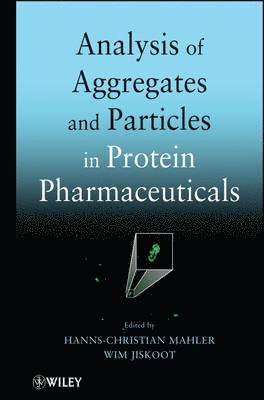
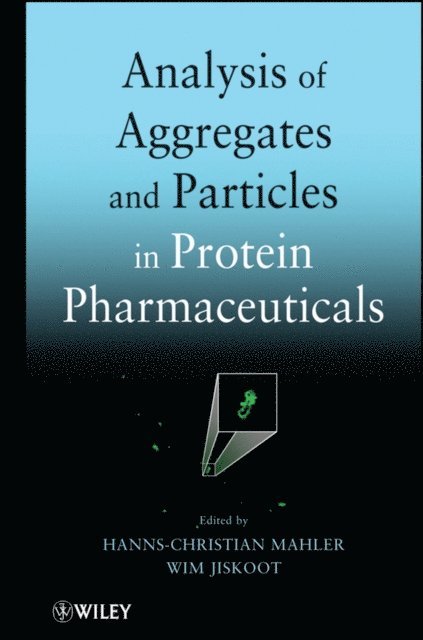
Analysis of Aggregates and Particles in Protein Pharmaceuticals
Av Hanns-Christian Mahler, Wim Jiskoot
Inbunden, 2012
1736 kr
Lägg i varukorg
This book describes how to address the analysis of aggregates and particles in protein pharmaceuticals, provides a comprehensive overview of current methods and integrated approaches used to quantify and characterize aggregates and particles, and discusses regulatory requirements. Analytical …
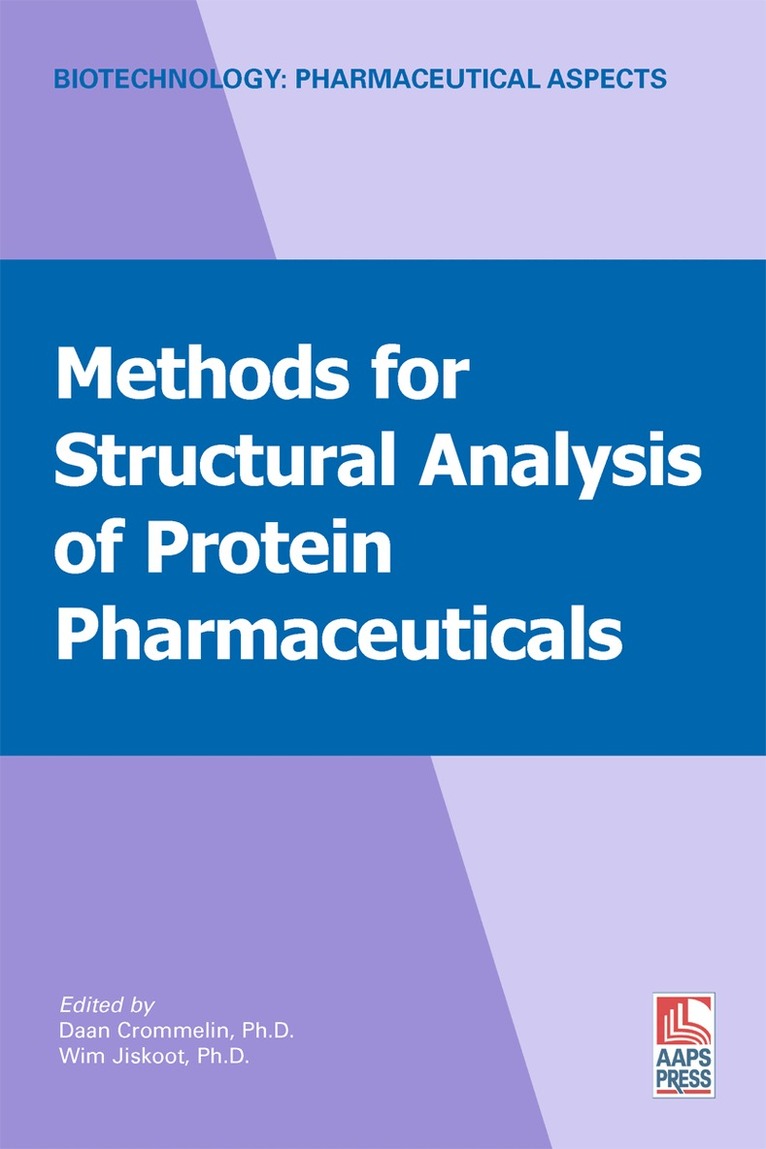
Methods for Structural Analysis of Protein Pharmaceuticals
Av Wim Jiskoot, Daan Crommelin
Inbunden, 2005
3371 kr
Lägg i varukorg
Protein pharmaceuticals form a fast-growing category in the arsenal of drugs. In the coming years, the patents on a number of the first-generation protein pharmaceuticals will expire, opening the door for the development of biogenerics into the market. However, it is very difficult to characterize …
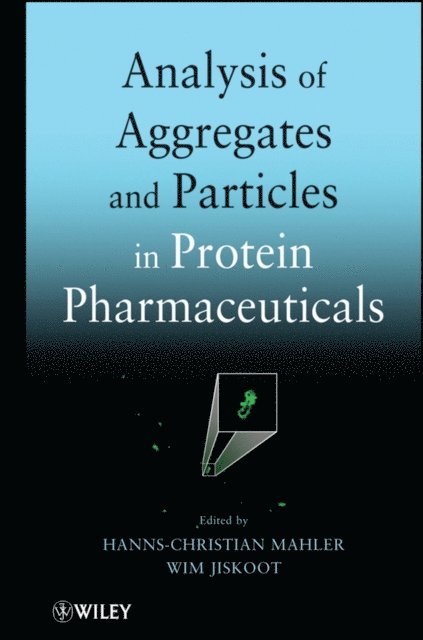
Analysis of Aggregates and Particles in Protein Pharmaceuticals
Av Wim Jiskoot, Hanns-Christian Mahler
E-bok, 2011
1955 kr
Lägg i varukorg
This book describes how to address the analysis of aggregates and particles in protein pharmaceuticals, provides a comprehensive overview of current methods and integrated approaches used to quantify and characterize aggregates and particles, and discusses regulatory requirements. Analytical …
Analysis of Aggregates and Particles in Protein Pharmaceuticals
Av Wim Jiskoot, Hanns-Christian Mahler
E-bok, 2011
1955 kr
Lägg i varukorg
This book describes how to address the analysis of aggregates and particles in protein pharmaceuticals, provides a comprehensive overview of current methods and integrated approaches used to quantify and characterize aggregates and particles, and discusses regulatory requirements. Analytical …
Physical Methods to Characterize Pharmaceutical Proteins
Av Daan J.A. Crommelin, Wim Jiskoot m. fl.
E-bok, 2013
2174 kr
Lägg i varukorg
Proteins are still gaining importance in the pharmaceutical world, where they are used to improve our arsenal of therapeutic drugs and vaccines and as diagnostic tools. Proteins are different from "traditional" low-molecular-weight drugs. As a group, they exhibit a number of biopharmaceutical and …
Physical Methods to Characterize Pharmaceutical Proteins
Av James N. Herron, Wim Jiskoot m. fl.
Häftad, 2013
1687 kr
Lägg i varukorg
Proteins are still gaining importance in the pharmaceutical world, where they are used to improve our arsenal of therapeutic drugs and vaccines and as diagnostic tools. Proteins are different from "traditional" low-molecular-weight drugs. As a group, they exhibit a number of biopharmaceutical and …