Dana El Kurd – författare
Visar alla böcker från författaren Dana El Kurd. Handla med fri frakt och snabb leverans.
3 produkter
3 produkter
2 311 kr
Kommande
This open access handbook provides an overview of Arab authoritarianism and how it has evolved in the face of a global decade of protest, democratic decline, and surging conflict.The chapters in this volume highlight the specificities of authoritarianism in the Arab world while also placing the region in the context of global trends. Contributions combine fresh theoretical analysis with rich case study information on actors, movements, communities, and dynamics that are often ignored in our understanding of this region. With an emphasis on voices from the Arab world, the contributions in this volume span a wide range of disciplinary approaches and address the following areas: strategies and practices of authoritarianism, international and transnational trends, the political economy of authoritarianism, identity, ideology, and resistance. Addressing these issues not only illuminates the persistence of authoritarianism in the region, but also what Arab authoritarianism teaches us about world politics.The ebook editions of this book are available open access under a CC BY-NC-ND 4.0 licence on bloomsburycollections.com. Open access was funded by the University of Richmond.
591 kr
Skickas inom 11-20 vardagar
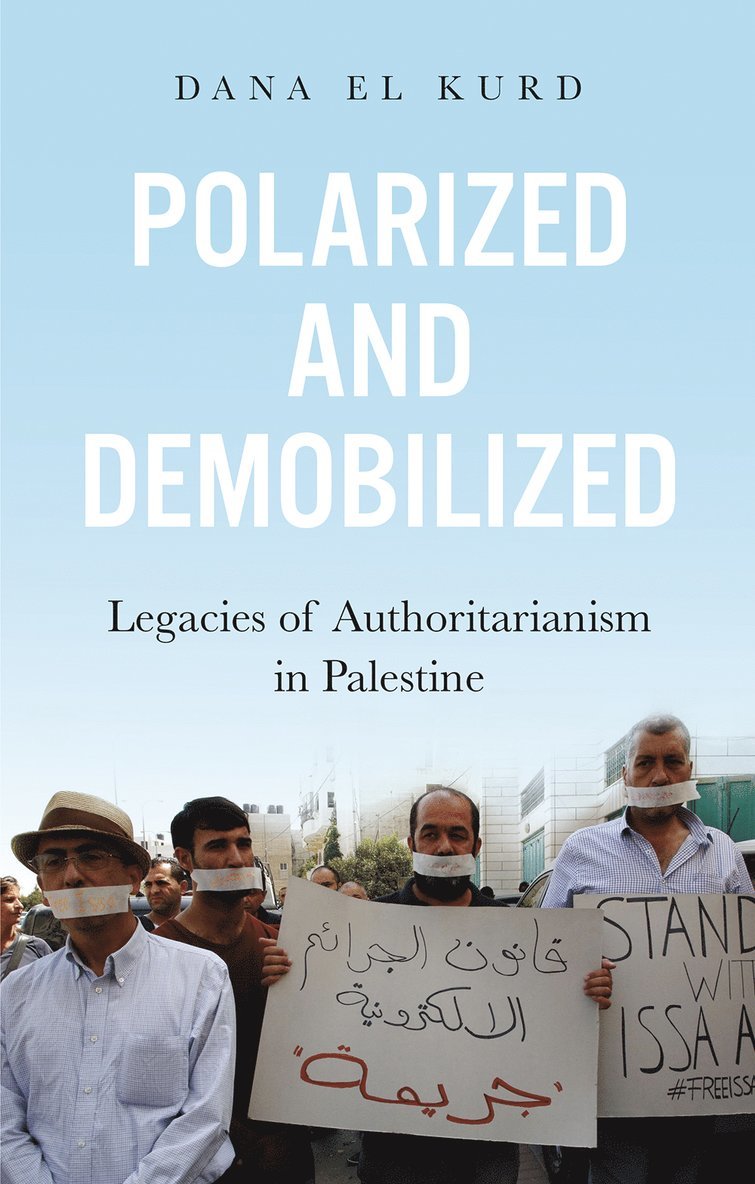
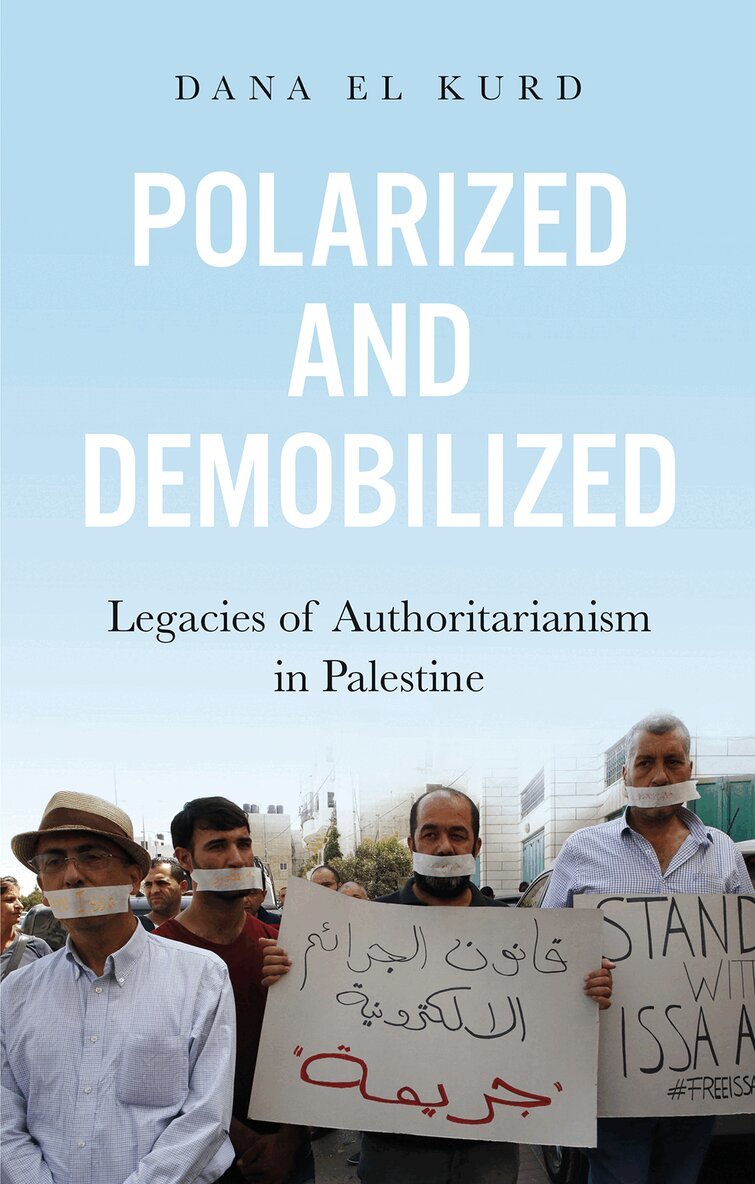
After the 1994 Oslo Accords, Palestinians were hopeful that an end to the Israeli occupation was within reach, and that a state would be theirs by 1999. With this promise, international powers became increasingly involved in Palestinian politics, and many shadows of statehood arose in the territories. Today, however, no state has emerged, and the occupation has become more entrenched. Concurrently, the Palestinian Authority has become increasingly authoritarian, and Palestinians ever more polarised and demobilised. Palestine is not unique in this: international involvement, and its disruptive effects, have been a constant across the contemporary Arab world. This book argues that internationally backed authoritarianism has an effect on society itself, not just on regime-level dynamics. It explains how the Oslo paradigm has demobilised Palestinians in a way that direct Israeli occupation, for many years, failed to do. Using a multi-method approach including interviews, historical analysis, and cutting-edge experimental data, Dana El Kurd reveals how international involvement has insulated Palestinian elites from the public, and strengthened their ability to engage in authoritarian practices. In turn, those practices have had profound effects on society, including crippling levels of polarisation and a weakened capacity for collective action.
254 kr
Skickas
After the 1994 Oslo Accords, Palestinians were hopeful that an end to the Israeli occupation was within reach, and that a state would be theirs by 1999. With this promise, international powers became increasingly involved in Palestinian politics, and many shadows of statehood arose in the territories. Today, however, no state has emerged, and the occupation has become more entrenched. Concurrently, the Palestinian Authority has become increasingly authoritarian, and Palestinians ever more polarised and demobilised. Palestine is not unique in this: international involvement, and its disruptive effects, have been a constant across the contemporary Arab world. This book argues that internationally backed authoritarianism has an effect on society itself, not just on regime-level dynamics. It explains how the Oslo paradigm has demobilised Palestinians in a way that direct Israeli occupation, for many years, failed to do. Using a multi-method approach including interviews, historical analysis, and cutting-edge experimental data, Dana El Kurd reveals how international involvement has insulated Palestinian elites from the public, and strengthened their ability to engage in authoritarian practices. In turn, those practices have had profound effects on society, including crippling levels of polarisation and a weakened capacity for collective action.