Dana Sawchuk - Böcker
Visar alla böcker från författaren Dana Sawchuk. Handla med fri frakt och snabb leverans.
3 produkter
3 produkter
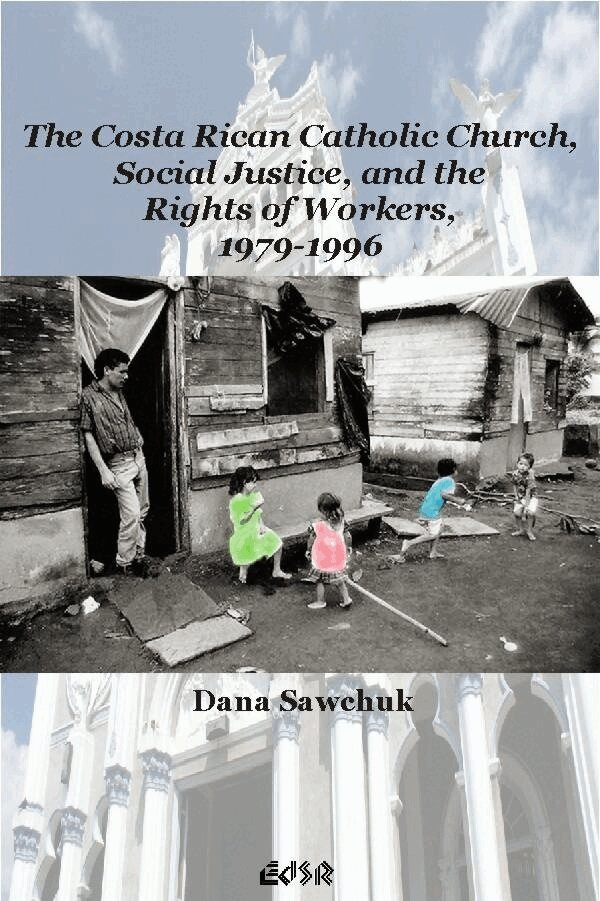
Costa Rican Catholic Church, Social Justice, and the Rights of Workers, 1979-1996
Inbunden, Engelska, 2004
1 053 kr
Skickas inom 11-20 vardagar
Provides a new understanding of the relationship between Church and State in 20th-century Costa Rica. Understanding the relationship between religion and social justice in Costa Rica involves piecing together the complex interrelationships between Church and State - between priests, popes, politics, and the people. This book does just that. Dana Sawchuk chronicles the fortunes of the country's two competing forms of labour organizations during the 1980s and demonstrates how different factions within the Church came to support either the union movement or Costa Rica's home-grown Solidarity movement. Challenging the conventional understanding of Costa Rica as a wholly peaceful and prosperous nation, and traditional interpretations of Catholic Social Teaching, this book introduces readers to a Church largely unknown outside Costa Rica. Sawchuk has carefully analyzed material from a multitude of sources - interviews, newspapers, books, and articles, as well as official Church documents, editorials, and statements by Church representativesto provide a firmly rooted socio-economic history of the experiences of workers, and the Catholic Church's responses to workers in Costa Rica.
308 kr
Skickas inom 7-10 vardagar
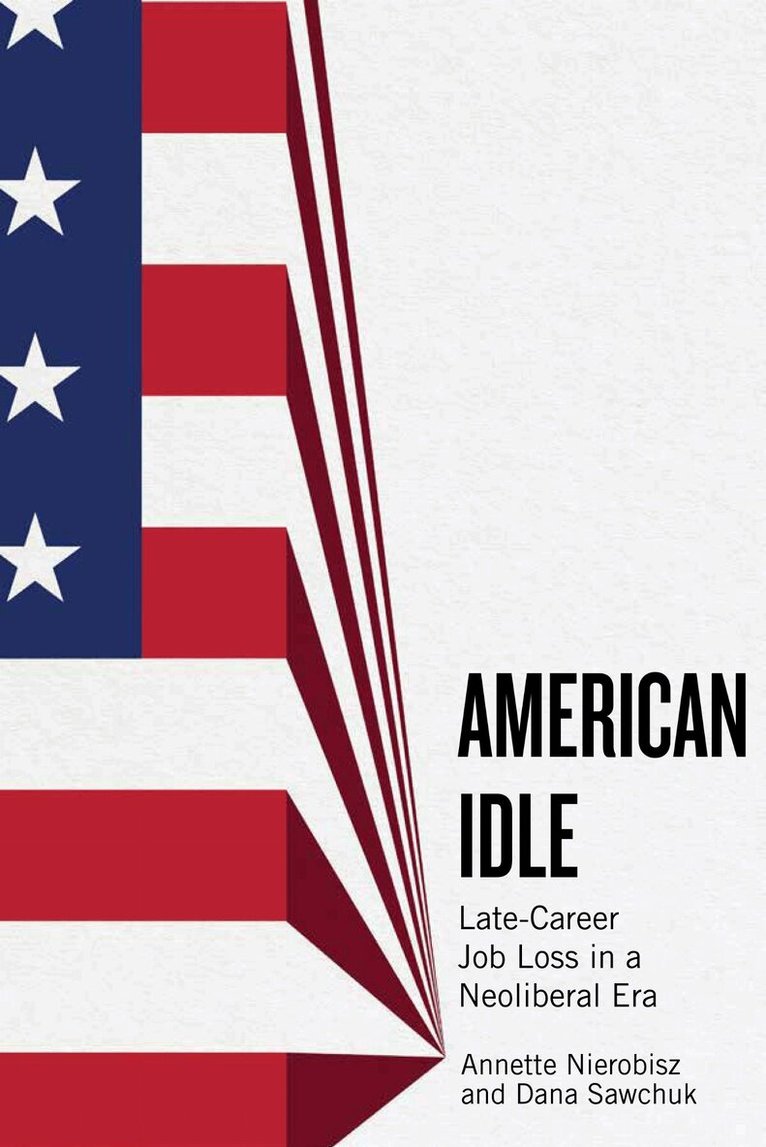
In American Idle, sociologists Annette Nierobisz and Dana Sawchuk report their findings from interviews with sixty-two mostly white-collar workers who experienced late-career job loss in the wake of the Great Recession. Without the benefits of planned retirement or time horizons favorable to recouping their losses, these employees experience an array of outcomes, from hard falls to soft landings. Notably, the authors find that when reflecting on the effects of job loss, fruitless job searches, and the overall experience of unemployment, participants regularly called on the frameworks instilled by neoliberalism. Invoking neoliberal rhetoric, these older Americans deferred to businesses’ need to prioritize bottom lines, accepted the shift toward precarious employment, or highlighted the importance of taking initiative and maintaining a positive mindset in the face of structural obstacles. Even so, participants also recognized the incompatibility between neoliberalism’s “one-size-fits-all” solutions and their own situations; this disconnect led them to consider their experiences through competing frameworks and to voice resistance to aspects of neoliberal capitalism. Employing a life course sociology perspective to explore older workers’ precarity in an age of rising economic insecurity, Nierobisz and Sawchuk shed light on a new wrinkle in American aging.
1 308 kr
Skickas inom 11-20 vardagar
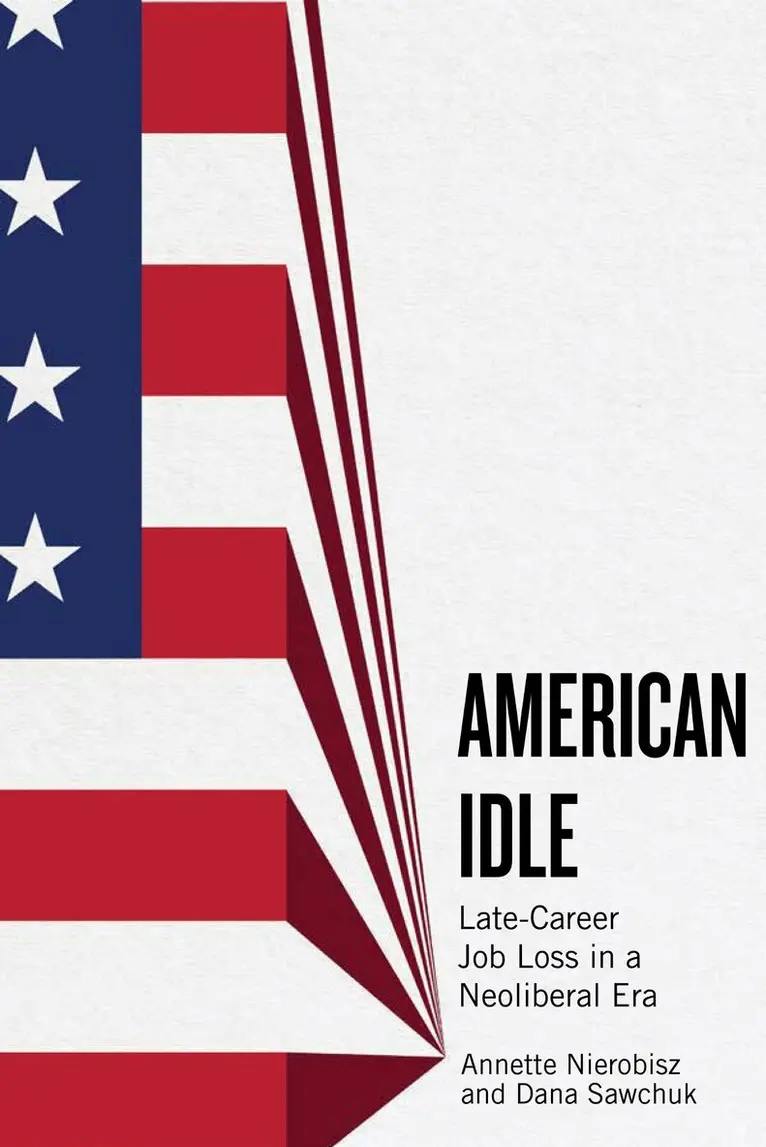
In American Idle, sociologists Annette Nierobisz and Dana Sawchuk report their findings from interviews with sixty-two mostly white-collar workers who experienced late-career job loss in the wake of the Great Recession. Without the benefits of planned retirement or time horizons favorable to recouping their losses, these employees experience an array of outcomes, from hard falls to soft landings. Notably, the authors find that when reflecting on the effects of job loss, fruitless job searches, and the overall experience of unemployment, participants regularly called on the frameworks instilled by neoliberalism. Invoking neoliberal rhetoric, these older Americans deferred to businesses’ need to prioritize bottom lines, accepted the shift toward precarious employment, or highlighted the importance of taking initiative and maintaining a positive mindset in the face of structural obstacles. Even so, participants also recognized the incompatibility between neoliberalism’s “one-size-fits-all” solutions and their own situations; this disconnect led them to consider their experiences through competing frameworks and to voice resistance to aspects of neoliberal capitalism. Employing a life course sociology perspective to explore older workers’ precarity in an age of rising economic insecurity, Nierobisz and Sawchuk shed light on a new wrinkle in American aging.