
Daniel Gavron – författare
Visar alla böcker från författaren Daniel Gavron. Handla med fri frakt och snabb leverans.
3 produkter
3 produkter
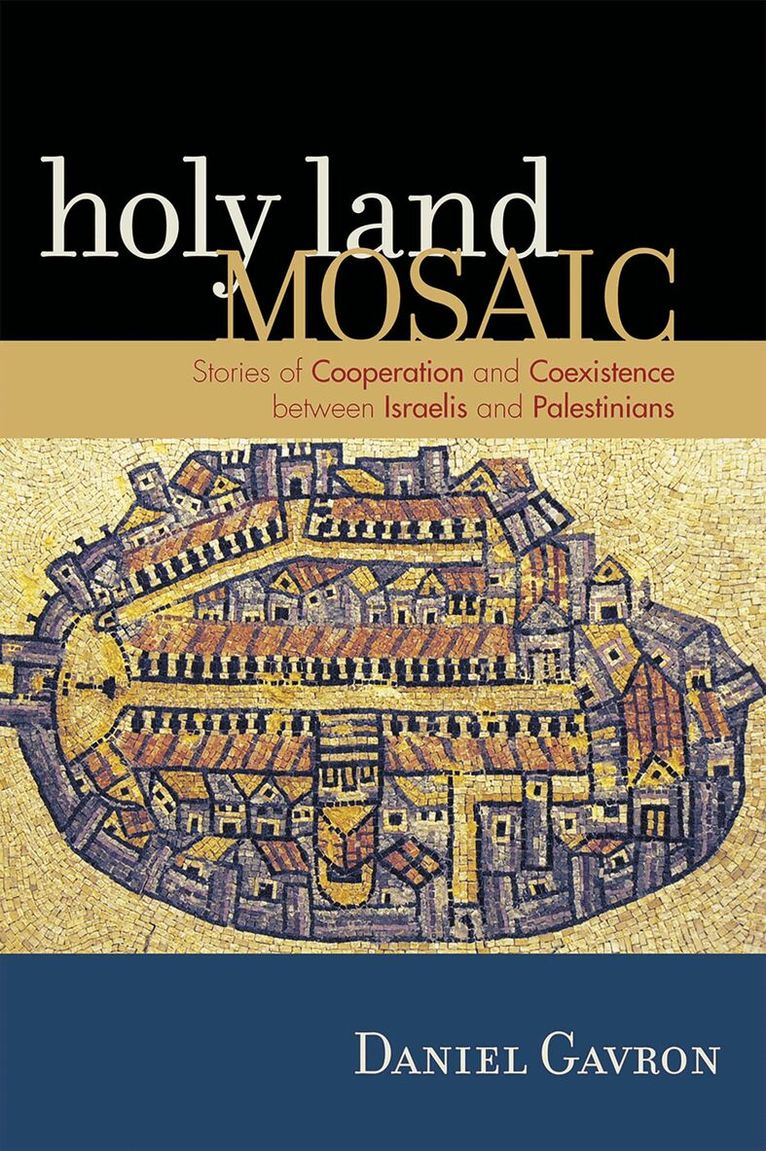
Holy Land Mosaic
Stories of Cooperation and Coexistence between Israelis and Palestinians
Inbunden, Engelska, 2007
1 256 kr
Skickas
The unrelenting conflict between Jews and Arabs in the Middle East is reported daily, but the ongoing dialogue and cooperation between the two is less known. Holy Land Mosaic chronicles the less reported side of the Middle East scene: the ongoing projects of conciliation and coexistence between Israelis and Palestinians, and between Arabs and Jews in Israel. Daniel Gavron presents a personal journey through the different movements, projects, organizations, and NGOs that promote tolerance and understanding between the two warring peoples, depicting some remarkable Jews and Arabs. Among the projects described are the village of Neve Shalom, where Jews and Arabs have lived together for three decades; the Hand-in-Hand bilingual schools, where Arab and Jewish children study in Hebrew and Arabic; and an Israeli group that rebuilds demolished Arab houses. In no way does the author play down the grim reality of the Middle East conflict, but his narrative shows that the enmity is not endemic. The current atmosphere is far from one of harmony and tranquility, but it can be different.
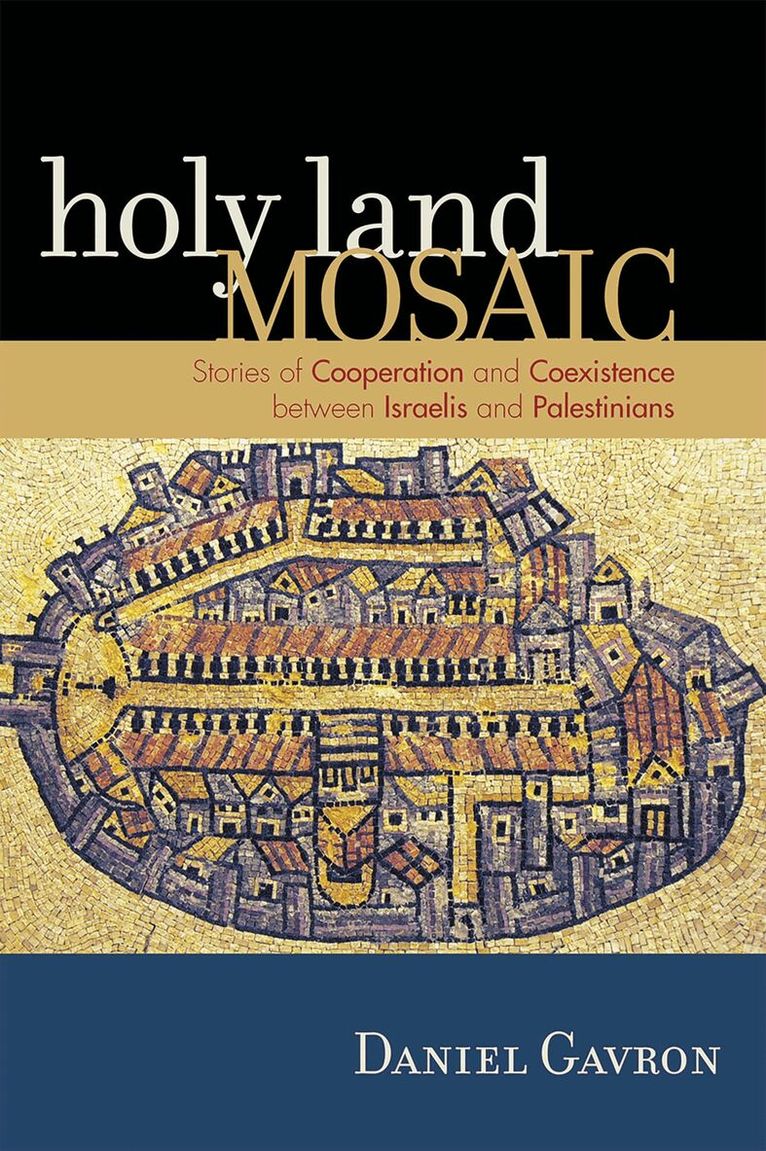
Holy Land Mosaic
Stories of Cooperation and Coexistence between Israelis and Palestinians
Häftad, Engelska, 2007
534 kr
Skickas inom 10-15 vardagar
The unrelenting conflict between Jews and Arabs in the Middle East is reported daily, but the ongoing dialogue and cooperation between the two is less known. Holy Land Mosaic chronicles the less reported side of the Middle East scene: the ongoing projects of conciliation and coexistence between Israelis and Palestinians, and between Arabs and Jews in Israel. Daniel Gavron presents a personal journey through the different movements, projects, organizations, and NGOs that promote tolerance and understanding between the two warring peoples, depicting some remarkable Jews and Arabs. Among the projects described are the village of Neve Shalom, where Jews and Arabs have lived together for three decades; the Hand-in-Hand bilingual schools, where Arab and Jewish children study in Hebrew and Arabic; and an Israeli group that rebuilds demolished Arab houses. In no way does the author play down the grim reality of the Middle East conflict, but his narrative shows that the enmity is not endemic. The current atmosphere is far from one of harmony and tranquility, but it can be different.
406 kr
Skickas inom 5-8 vardagar
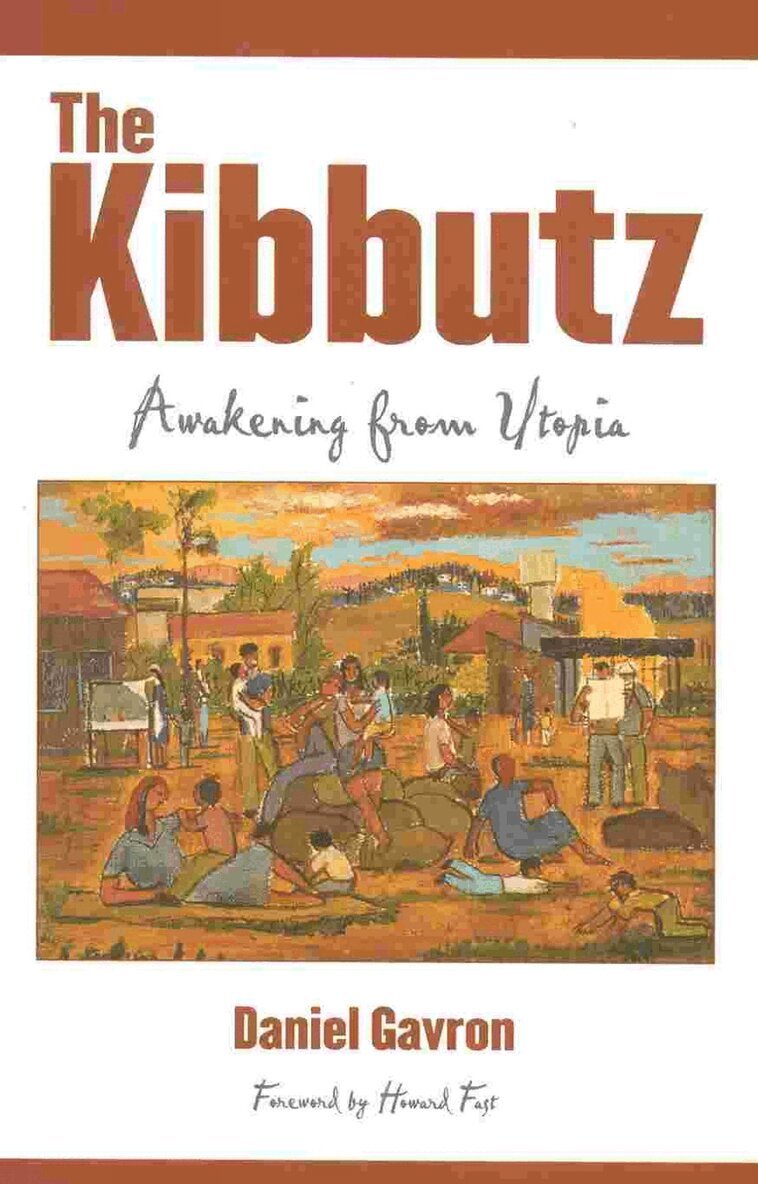
The Israeli kibbutz, the twentieth century’s most interesting social experiment, is in the throes of change. Instrumental in establishing the State of Israel, defending its borders, creating its agriculture and industry, and setting its social norms, the kibbutz is the only commune in history to have played a central role in a nation’s life. Over the years, however, Israel has developed from an idealistic pioneering community into a materialistic free market society. Consequently, the kibbutz has been marginalized and is undergoing a radical transformation. The egalitarian ethic expressed in the phrase, “From each according to ability, to each according to need,” is being replaced by the concept of reward for effort. Cooperative management is increasingly giving way to business administration. Kibbutz members, who were obligated to and dependent on their community, are now responsible for running their own lives and earning their own living.Through distinguished journalist Daniel Gavron’s revealing portraits of ten kibbutzim we hear the voices both of the veterans who are witnessing the collapse of their dream and of the youngsters who have rejected the vision of their parents. The author also analyzes the economic collapse that triggered the changes and the failure of the unique kibbutz education system to perpetuate communal values. The opening and concluding chapters provide a compelling overview of the situation and look toward the future.Gavron, a former kibbutznik, brings a keen and sensitive eye to this first overview of the current revolution in the Israeli kibbutz. Jewish readers and all those interested in Israel will find this book a compelling portrait of a country trying to hold onto its past while facing its future.