Daniel Gervais – författare
1 338 kr
Läs direkt efter köp
1 778 kr
Läs direkt efter köp
2 427 kr
Skickas inom 3-6 vardagar
The Evolution and Equilibrium of Copyright in the Digital Age
1 355 kr
Skickas inom 7-10 vardagar
618 kr
Skickas inom 3-6 vardagar
338 kr
Skickas inom 3-6 vardagar
464 kr
Skickas
With the use of artificial intelligence (AI), the border that has traditionally separated fact, or “nonfiction,” and fiction has become increasingly porous. Think of posts on social media by bots pretending to be human, altered photos and videos, including deep fakes. Science-fiction has always held a special place in this divide; it is often the nonfiction of tomorrow. In this book, the author crosses the border in both directions, using fiction to teach the law of AI by asking the reader to follow Christine Jacobs, a law professor, and her students, in discussing what it means to be human in the age of AI, humanoid robots, and cyborgs as her boyfriend prepares the world for what’s next. Crisscrossed by world travel, peppered with fine food and wines, filled with Russian poetry and cinema, and reflections about life and death, this book invites the reader to a world in which technology allows humans to live forever—as long as they are willing to die first.
464 kr
Skickas
With the use of artificial intelligence (AI), the border that has traditionally separated fact, or “nonfiction,” and fiction has become increasingly porous. Think of posts on social media by bots pretending to be human, altered photos and videos, including deep fakes. Science-fiction has always held a special place in this divide; it is often the nonfiction of tomorrow. In this book, the author crosses the border in both directions, using fiction to teach the law of AI by asking the reader to follow Christine Jacobs, a law professor, and her students, in discussing what it means to be human in the age of AI, humanoid robots, and cyborgs as her boyfriend prepares the world for what’s next. Crisscrossed by world travel, peppered with fine food and wines, filled with Russian poetry and cinema, and reflections about life and death, this book invites the reader to a world in which technology allows humans to live forever—as long as they are willing to die first.
3 573 kr
Läs direkt efter köp
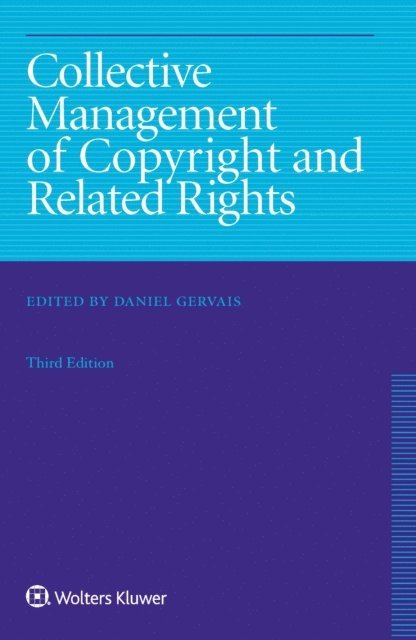
In the course of the last two decades, collective management organizations (CMOs) have become the nerve centres of copyright licensing in virtually every country. Their expertise and knowledge of copyright law and management have proven essential to make copyright work in the digital age. However, they have also been at the centre of debates about their efficiency, their transparency and their governance. This book, an extensively revised and updated edition of the major work on the legal status of CMOs, offers an in-depth analysis of the various operating CMO models, their rights and obligations vis-à-vis both users and members, acquisition of legal authority to license, and (most important) the rights to license digital uses of protected material and build (or improve current) information systems to deal with ever more complex rights management and licensing tasks. All the chapters have been updated since the 2010 edition. New chapters on Africa, China, Central Europe and New Zealand (together with Australia, which is no longer discussed in the separate chapter on Canada) have been added.
Factors considered include the following:• role of ''families'' such as the International Confederation of Societies of Authors and Composers (CISAC) and the International Federation of Reproduction Rights Organizations (IFRRO);• cases where the unavailability of adequating options makes authorized use difficult or impossible taking transaction costs into account;• growing importance of extended repertoire systems (also known as extended collective licensing);• relationship among collective management, rights to remuneration, and the ways in which CMOs acquire authority to license;• transnational licensing and the possible role of multi-territorial licensing; and• threat of monopolies or regional oligopolies for the management of online music rights.Legal underpinnings covered in the course of the analysis include the 1996 WIPO Copyright Treaties, the US Digital Millennium Copyright Act, the Napster case, the Santiago Agreement, relevant EU Papers and the 2014 Copyright Directive, and work done by the UN Committee on Economic, Social and Cultural Rights. Part I presents a number of horizontal issues that affect collective management in almost every country. Part II is divided on a geographical basis, focusing on systems representative of the principal models applied in various countries and regions. Each country specific or region-specific chapter provides a historical overview and a presentation of existing CMOs and their activities, gives financial information where available, describes how CMOs are supervised or controlled by legislation, and offers thoughts about the challenges facing CMOs in the country or region concerned. Many of these national and regional commentaries are the only such information sources available in English.
Whatever the future of copyright holds, it is clear that users will continue to want access and the ability to reuse material lawfully, and authors and other rights holders will want to ensure that they can put some reasonable limits on those uses, including an ability to monetize commercially relevant uses. CMOs are sure to be critical intermediaries in this process. The second edition of this important resource, with its key insights into the changing nature of collective management, will be of immeasurable value to all concerned with shaping policy towards collective management or working with the ever more complex legal issues arising in digital age copyright matters.
2 522 kr
Läs direkt efter köp
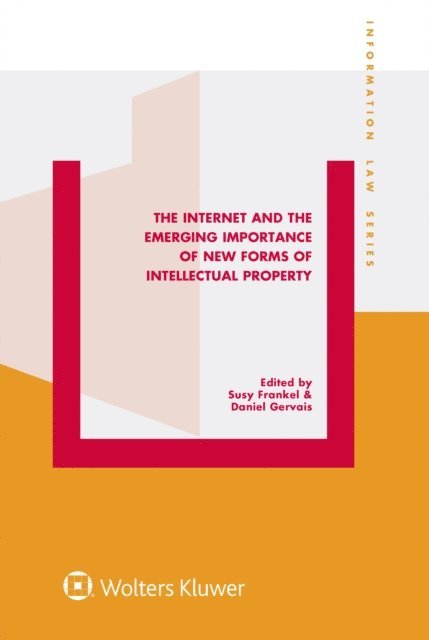
The term ‘intellectual property’ has come to include numerous intangible rights beyond the traditional ‘Big Three’ (patent, trademark and copyright) – rights that force us to reconsider and maybe also change the object and purpose of intellectual property (IP). Not only do these rights generally have less solid normative footing and few if any well understood inherent limits, but the borders of their misappropriation are hard to draw. This groundbreaking book scrutinizes the existence of commonalities in this realm, and poses the question of what risks and advantages accrue to such IP or ‘IP-like’ rights.
Sixteen distinguished contributors offer in-depth analyses of such rights as the following:
- trade secrets;- image and publicity rights;- geographical indications;- traditional knowledge;- protection of databases; and- sports rights and ambush marketing.Recommendations and solutions investigated include the use of specialized courts or judges and of private standards. There are also thoughtful considerations of practices such as forum-shifting and an analysis of the special value of evolving Chinese law as a ‘norm laboratory’. Two chapters discuss the complexities of enforcement. Enforcement impacts substantive intellectual property and can be said to be its own ‘form’ of IP.
Practitioners, judges, academics, and policymakers will all welcome this work and value it highly. Its contributors collectively take a giant step toward clarifying and synthesizing one of the most baffling areas of current law both internationally and at national level around the globe.
3 573 kr
Läs direkt efter köp
In the course of the last two decades, collective management organizations (CMOs) have become the nerve centres of copyright licensing in virtually every country. Their expertise and knowledge of copyright law and management have proven essential to make copyright work in the digital age. However, they have also been at the centre of debates about their efficiency, their transparency and their governance. This book, an extensively revised and updated edition of the major work on the legal status of CMOs, offers an in-depth analysis of the various operating CMO models, their rights and obligations vis-à-vis both users and members, acquisition of legal authority to license, and (most important) the rights to license digital uses of protected material and build (or improve current) information systems to deal with ever more complex rights management and licensing tasks. All the chapters have been updated since the 2010 edition. New chapters on Africa, China, Central Europe and New Zealand (together with Australia, which is no longer discussed in the separate chapter on Canada) have been added.
Factors considered include the following:• role of ''families'' such as the International Confederation of Societies of Authors and Composers (CISAC) and the International Federation of Reproduction Rights Organizations (IFRRO);• cases where the unavailability of adequating options makes authorized use difficult or impossible taking transaction costs into account;• growing importance of extended repertoire systems (also known as extended collective licensing);• relationship among collective management, rights to remuneration, and the ways in which CMOs acquire authority to license;• transnational licensing and the possible role of multi-territorial licensing; and• threat of monopolies or regional oligopolies for the management of online music rights.Legal underpinnings covered in the course of the analysis include the 1996 WIPO Copyright Treaties, the US Digital Millennium Copyright Act, the Napster case, the Santiago Agreement, relevant EU Papers and the 2014 Copyright Directive, and work done by the UN Committee on Economic, Social and Cultural Rights. Part I presents a number of horizontal issues that affect collective management in almost every country. Part II is divided on a geographical basis, focusing on systems representative of the principal models applied in various countries and regions. Each country specific or region-specific chapter provides a historical overview and a presentation of existing CMOs and their activities, gives financial information where available, describes how CMOs are supervised or controlled by legislation, and offers thoughts about the challenges facing CMOs in the country or region concerned. Many of these national and regional commentaries are the only such information sources available in English.
Whatever the future of copyright holds, it is clear that users will continue to want access and the ability to reuse material lawfully, and authors and other rights holders will want to ensure that they can put some reasonable limits on those uses, including an ability to monetize commercially relevant uses. CMOs are sure to be critical intermediaries in this process. The second edition of this important resource, with its key insights into the changing nature of collective management, will be of immeasurable value to all concerned with shaping policy towards collective management or working with the ever more complex legal issues arising in digital age copyright matters.
2 886 kr
Läs direkt efter köp
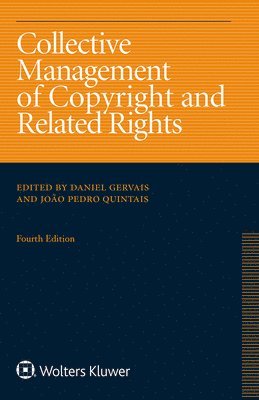
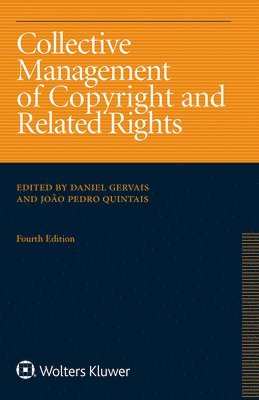
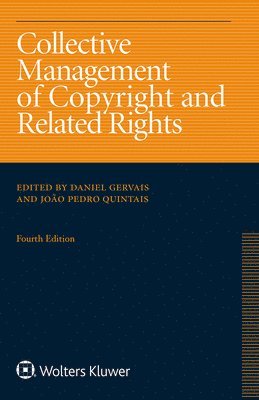
Over the past three decades, collective management organizations (CMOs) have become the nerve centres of copyright licensing in virtually every country. Their expertise and knowledge of copyright law and management have proven essential to making copyright work in the digital age. But they have also been at the centre of debates about their effectiveness, transparency and governance. This book provides an in-depth analysis of the various operational CMO models, their rights and obligations vis-à-vis authors, other right-holders and users, the acquisition of the legal authority to license and (most importantly) the rights to license digital uses of protected material, and the creation (or improvement) of information systems to deal with the increasingly complex tasks of rights management and licensing.
All chapters have been updated since the third (2015) edition and several new chapters have been added, including a new chapter on the economics of collective management and a chapter on limitation-based remuneration rights. Factors considered include the following:
cases where the unavailability of adequate licensing options makes authorized use of material protected by copyright or a related right difficult or impossible taking transaction costs into account;
the growing importance of extended repertoire systems and different forms of collective licensing with extended effect;
transnational and multi-territorial licensing;
the relationship among collective management, rights to remuneration, and the ways in which CMOs acquire authority to license;
the threat of monopolies or regional oligopolies for the management of online music rights;
the impact of new technologies on collective rights management and licensing; and
the role of ''families'' such as the International Confederation of Societies of Authors and Composers (CISAC) and the International Federation of Reproduction Rights Organizations (IFRRO).
The analysis covers the 1996 WIPO Copyright Treaties, the US Digital Millennium Copyright Act, the Santiago Agreement, relevant EU policy documents and legislative instruments – including the 2014 Collective Rights Management Directive and 2019 Copyright in the Digital Single Market Directive –and the work of the UN Committee on Economic, Social and Cultural Rights. Part I presents a number of horizontal issues that affect collective management in almost every country. Part II is organized geographically, focusing on systems that are representative of the main models used in different countries and regions. Each country- or region-specific chapter provides a historical overview and a description of existing CMOs and their activities, provides financial information where available, describes how CMOs are supervised or controlled by legislation, and offers reflections on the challenges facing CMOs in that country or region. Some of these national and regional commentaries are the only such sources of information available in English.
Whatever the future of copyright, it is clear that users will continue to want access and the ability to legally reuse material, and that authors and other rights holders will want to ensure that they can place some reasonable limits on those uses, including the ability to monetize commercially relevant uses. CMOs will certainly be critical intermediaries in this process. The fourth edition of this important resource, with its key insights into the changing nature of collective management, will be of immeasurable value to anyone involved in shaping collective management policy or dealing with the increasingly complex legal issues that arise in copyright matters in the digital age, and even more in the age of artificial intelligence and the training of large language models.
2 886 kr
Läs direkt efter köp
Over the past three decades, collective management organizations (CMOs) have become the nerve centres of copyright licensing in virtually every country. Their expertise and knowledge of copyright law and management have proven essential to making copyright work in the digital age. But they have also been at the centre of debates about their effectiveness, transparency and governance. This book provides an in-depth analysis of the various operational CMO models, their rights and obligations vis-à-vis authors, other right-holders and users, the acquisition of the legal authority to license and (most importantly) the rights to license digital uses of protected material, and the creation (or improvement) of information systems to deal with the increasingly complex tasks of rights management and licensing.
All chapters have been updated since the third (2015) edition and several new chapters have been added, including a new chapter on the economics of collective management and a chapter on limitation-based remuneration rights. Factors considered include the following:
cases where the unavailability of adequate licensing options makes authorized use of material protected by copyright or a related right difficult or impossible taking transaction costs into account;
the growing importance of extended repertoire systems and different forms of collective licensing with extended effect;
transnational and multi-territorial licensing;
the relationship among collective management, rights to remuneration, and the ways in which CMOs acquire authority to license;
the threat of monopolies or regional oligopolies for the management of online music rights;
the impact of new technologies on collective rights management and licensing; and
the role of ''families'' such as the International Confederation of Societies of Authors and Composers (CISAC) and the International Federation of Reproduction Rights Organizations (IFRRO).
The analysis covers the 1996 WIPO Copyright Treaties, the US Digital Millennium Copyright Act, the Santiago Agreement, relevant EU policy documents and legislative instruments – including the 2014 Collective Rights Management Directive and 2019 Copyright in the Digital Single Market Directive –and the work of the UN Committee on Economic, Social and Cultural Rights. Part I presents a number of horizontal issues that affect collective management in almost every country. Part II is organized geographically, focusing on systems that are representative of the main models used in different countries and regions. Each country- or region-specific chapter provides a historical overview and a description of existing CMOs and their activities, provides financial information where available, describes how CMOs are supervised or controlled by legislation, and offers reflections on the challenges facing CMOs in that country or region. Some of these national and regional commentaries are the only such sources of information available in English.
Whatever the future of copyright, it is clear that users will continue to want access and the ability to legally reuse material, and that authors and other rights holders will want to ensure that they can place some reasonable limits on those uses, including the ability to monetize commercially relevant uses. CMOs will certainly be critical intermediaries in this process. The fourth edition of this important resource, with its key insights into the changing nature of collective management, will be of immeasurable value to anyone involved in shaping collective management policy or dealing with the increasingly complex legal issues that arise in copyright matters in the digital age, and even more in the age of artificial intelligence and the training of large language models.
3 387 kr
Skickas inom 5-8 vardagar
288 kr
Skickas inom 5-8 vardagar