Daniel L. Byman – författare
Visar alla böcker från författaren Daniel L. Byman. Handla med fri frakt och snabb leverans.
18 produkter
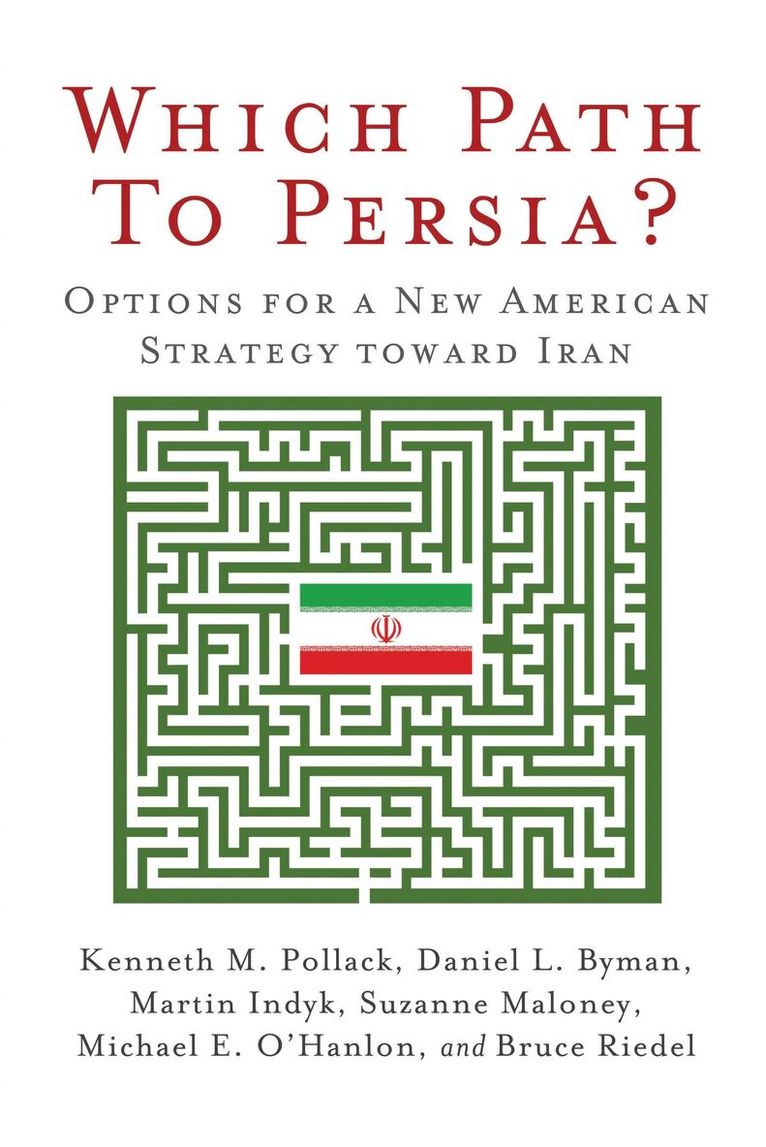
Which Path to Persia?
Options for a New American Strategy toward Iran
Av Kenneth M. Pollack, Daniel L. Byman m. fl.
Häftad, 2009
318 kr
Lägg i varukorg
Crafting a new policy toward Iran is a complicated, uncertain, and perilous challenge. Since it is an extremely complex society, with an opaque political system, it is no wonder that the United States has not yet figured out the puzzle that is Iran. With the clock ticking on Iran's pursuit of …
Which Path to Persia?
Options for a New American Strategy Toward Iran
Av Kenneth M. Pollack, Daniel L. Byman m. fl.
E-bok, 2009
332 kr
Lägg i varukorg
Crafting a new policy toward Iran is a complicated, uncertain, and perilous challenge. Since it is an extremely complex society, with an opaque political system, it is no wonder that the United States has not yet figured out the puzzle that is Iran. With the clock ticking on Iran's pursuit of …
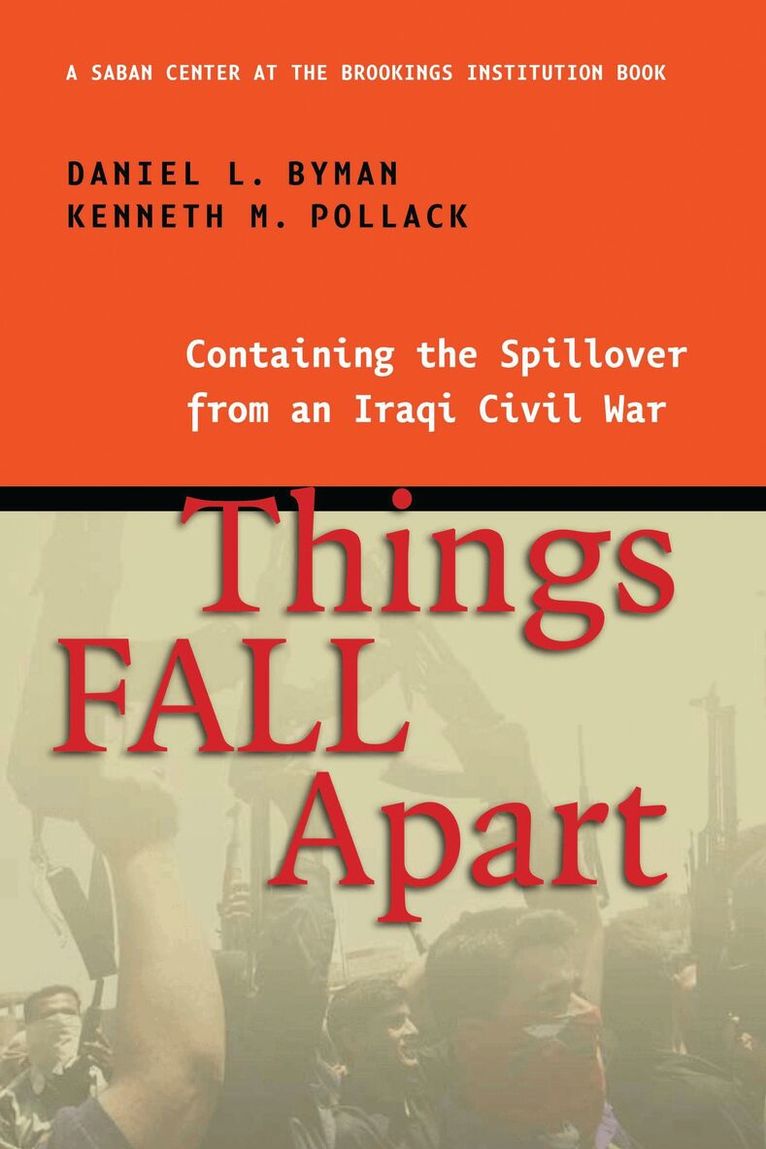
Things Fall Apart
Containing the Spillover from an Iraqi Civil War
Av Daniel L. Byman, Kenneth M. Pollack
Häftad, 2007
318 kr
Lägg i varukorg
""Iraq is rapidly descending into all-out civil war. Unfortunately, the United States probably will not be able to just walk away from the chaos. Even setting aside the humanitarian nightmare that will ensue, a full-scale civil war would likely consume more than Iraq: historically, such massive …
Things Fall Apart
Containing the Spillover from an Iraqi Civil War
Av Daniel L. Byman, Kenneth M. Pollack
E-bok, 2008
338 kr
Lägg i varukorg
""Iraq is rapidly descending into all-out civil war. Unfortunately, the United States probably will not be able to just walk away from the chaos. Even setting aside the humanitarian nightmare that will ensue, a full-scale civil war would likely consume more than Iraq: historically, such massive …
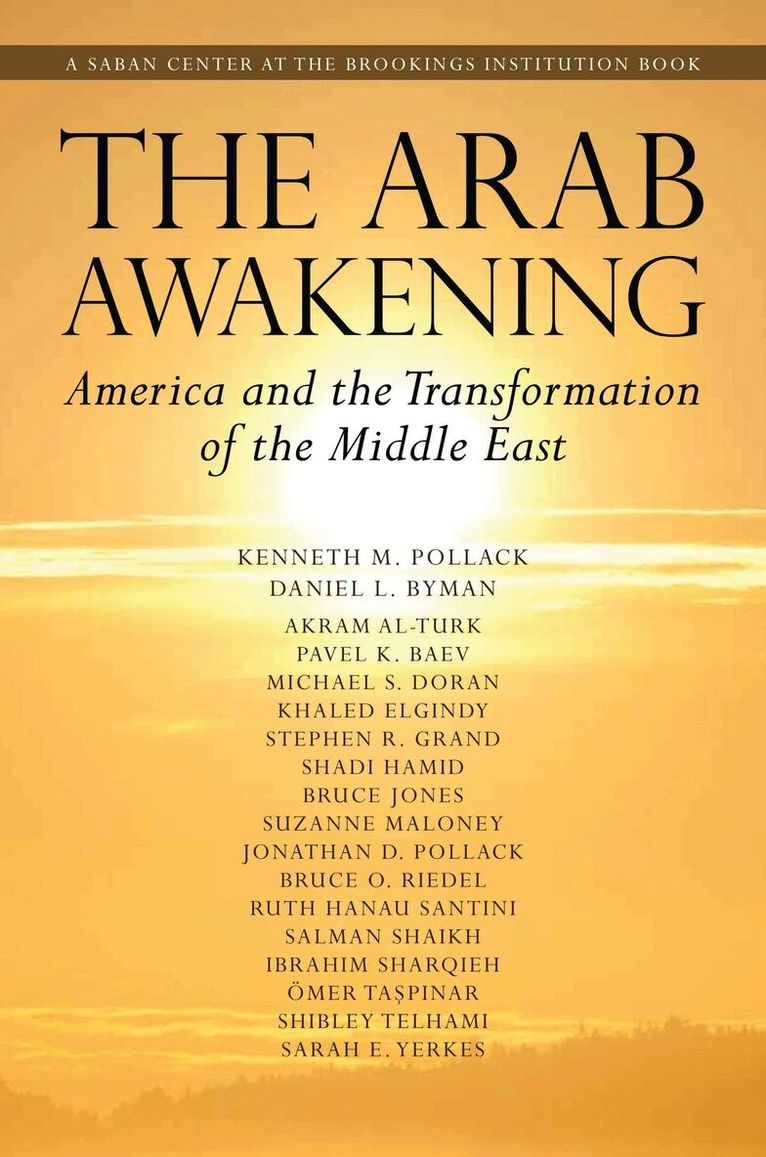
Arab Awakening
America and the Transformation of the Middle East
Av Kenneth M. Pollack, Daniel L. Byman m. fl.
Häftad, 2011
374 kr
Lägg i varukorg
Even the most seasoned Middle East observers were taken aback by the events of early 2011. Protests born of oppression and socioeconomic frustration erupted throughout the streets; public unrest provoked violent police backlash; long-established dictatorships fell. How did this all happen? What …
Arab Awakening
America and the Transformation of the Middle East
Av Kenneth M. Pollack, Daniel L. Byman m. fl.
E-bok, 2011
405 kr
Lägg i varukorg
Even the most seasoned Middle East observers were taken aback by the events of early 2011. Protests born of oppression and socioeconomic frustration erupted throughout the streets; public unrest provoked violent police backlash; long-established dictatorships fell. How did this all happen? What …
Air Power as a Coercive Instrument
Av Daniel L. Byman, Matthew C. Waxman m. fl.
Häftad, 1999
245 kr
Lägg i varukorg
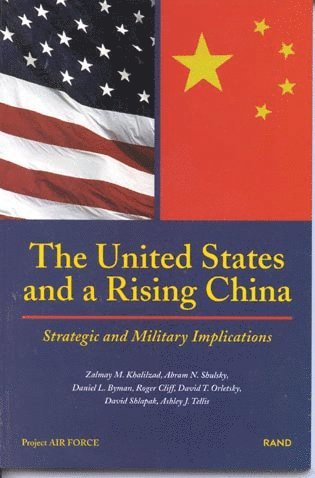
United States and a Rising China
Strategic and Military Implications
Av Zalmay Khalilzad, Abram N. Shulsky m. fl.
Häftad, 1999
226 kr
Lägg i varukorg
Keeping the Peace
Lasting Solutions to Ethnic Conflicts
Häftad, 2002
313 kr
Tillfälligt slut
What strategies can a government use to end violent ethnic conflicts in the long term? Under what conditions do these strategies work best, and what are their limitations? Are there some ethnic conflicts that governments simply cannot solve? Drawing on an intimate knowledge of the Middle East as …
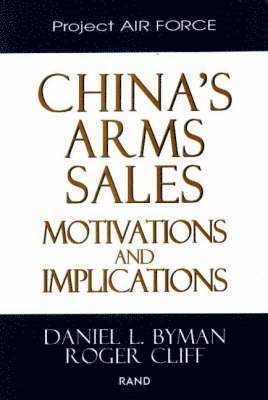
China's Arms Sales
Motivations and Implications
Av Daniel L. Byman, Roger Cliff
Häftad, 2000
226 kr
Tillfälligt slut
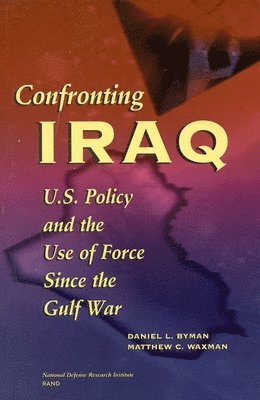
Confronting Iraq
U.S. Policy and the Use of Force since the Gulf War
Av Daniel L. Byman, Matthew C. Waxman
Häftad, 2000
226 kr
Tillfälligt slut
A Stronger Partnership
Improving Military Cooperation with Relief Agencies and Allies in Humanitarian Crises
Av Daniel L. Byman, Ian Lesser m. fl.
Häftad, 2000
365 kr
Tillfälligt slut
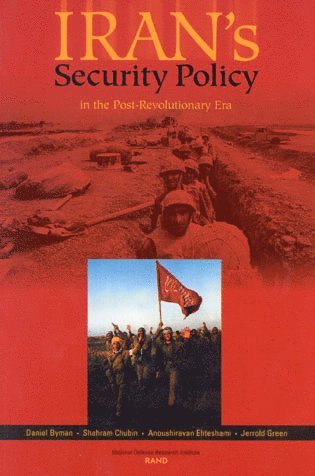
Irans's Security Policy In the Post-revolutionary Era
Av Daniel L. Byman, Shahram Chubin m. fl.
Häftad, 2001
259 kr
Tillfälligt slut
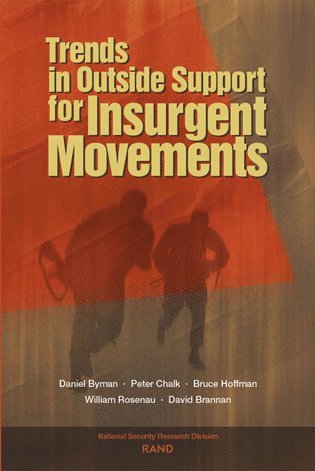
Trends in Outside Support for Insurgent Movements
Av Daniel L. Byman, Peter Chalk m. fl.
Häftad, 2001
259 kr
Tillfälligt slut
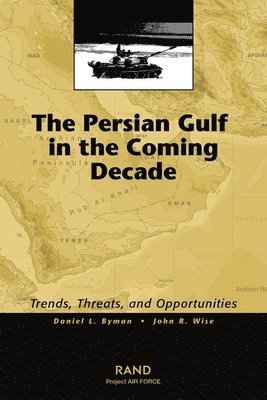
Persian Gulf in the Coming Decade
Trends, Threats and Opportunities
Av Daniel L. Byman, John R. Wise
Häftad, 2002
226 kr
Tillfälligt slut
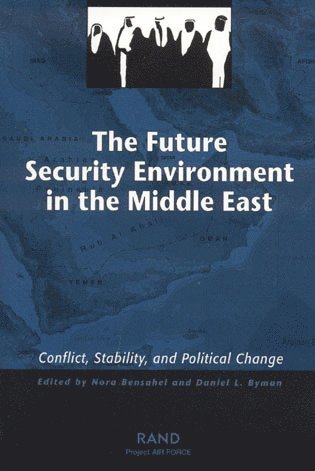
Future Security Environment in the Middle East
Conflict, Stability and Political Change
Av Nora Bensahel, Daniel L. Byman
Häftad, 2004
259 kr
Tillfälligt slut