Daniel Sacilotto - Böcker
Visar alla böcker från författaren Daniel Sacilotto. Handla med fri frakt och snabb leverans.
5 produkter
5 produkter
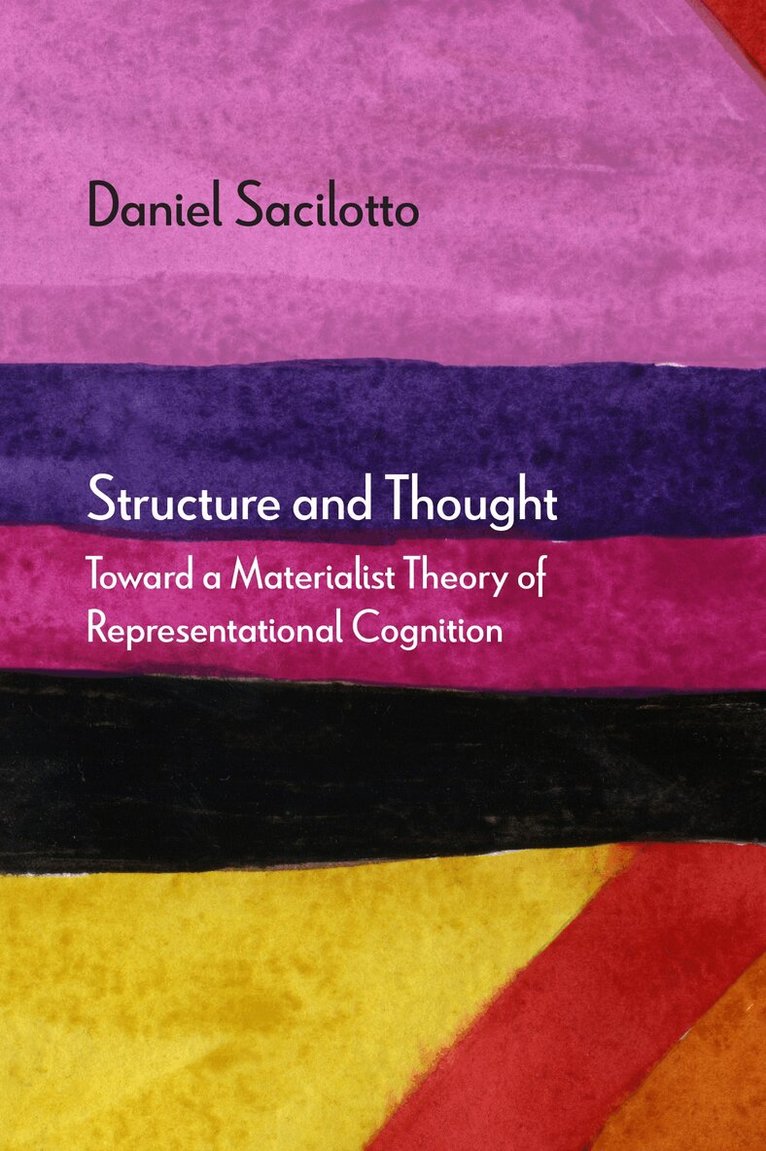
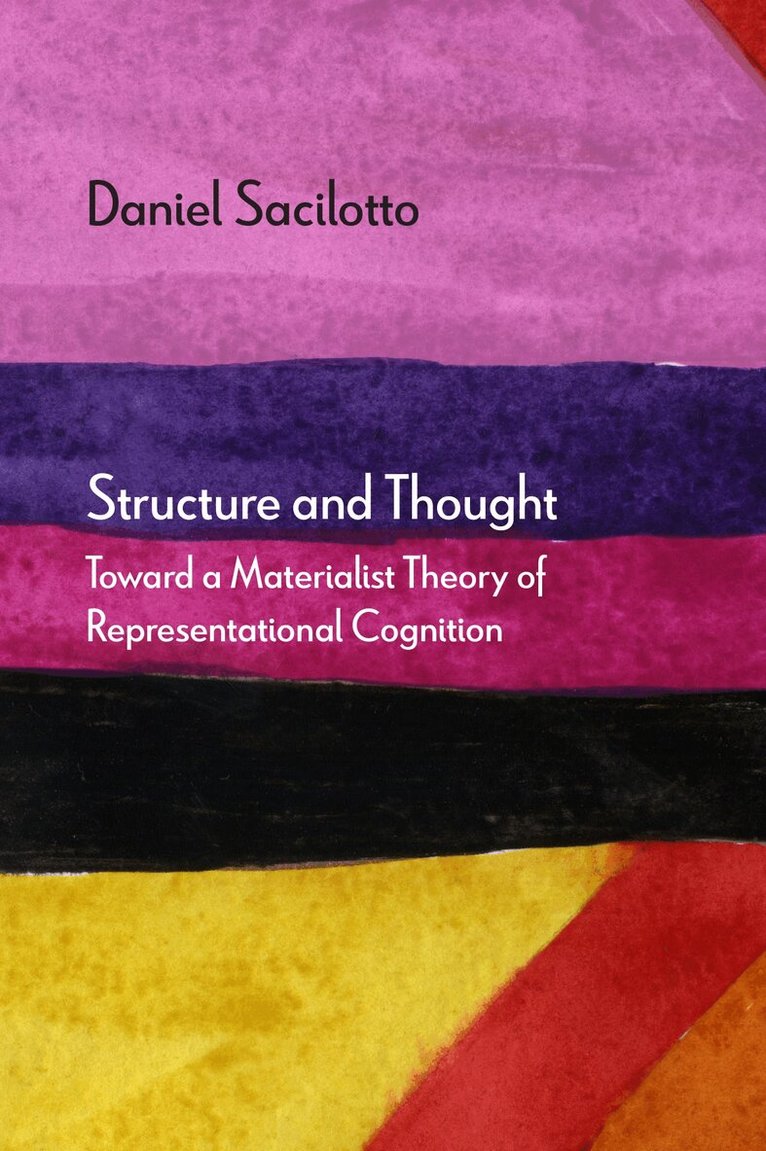
Structure and Thought
Toward a Materialist Theory of Representational Cognition
Häftad, Engelska, 2024
388 kr
Skickas inom 7-10 vardagar
Offers a new understanding of representational cognition that synthesizes postwar philosophical approaches to the question of objective knowledgeThis study develops a novel account of representational cognition, explaining how cognitive systems progressively come to map the structure of their worlds. Daniel Sacilotto offers a constructive response to the critique of representation formulated throughout the post‑Kantian philosophical tradition. Rather than a skepticism or idealism whereby thinking can grasp appearances but never the real, representation, Sacilotto shows, is a constitutive dimension of cognitive systems’ creative capacity to know and intervene in the world of which they are part.Structure and Thought: Toward a Materialist Theory of Representational Cognition integrates various lines in contemporary philosophy, including those often seen as incommensurable or in irresolvable tension with one another. Sacilotto thus advances a productive synthesis of a materialist ambition to provide a creative and historical understanding of cognition with a structural realist account of representation. He shows how the different forms of sensory, discursive, and theoretical mediation that characterize human cognition are conducive to a realist epistemological framework that explains how the possibility of knowledge about a mind‑independent reality is conceivable.
1 442 kr
Skickas inom 5-8 vardagar
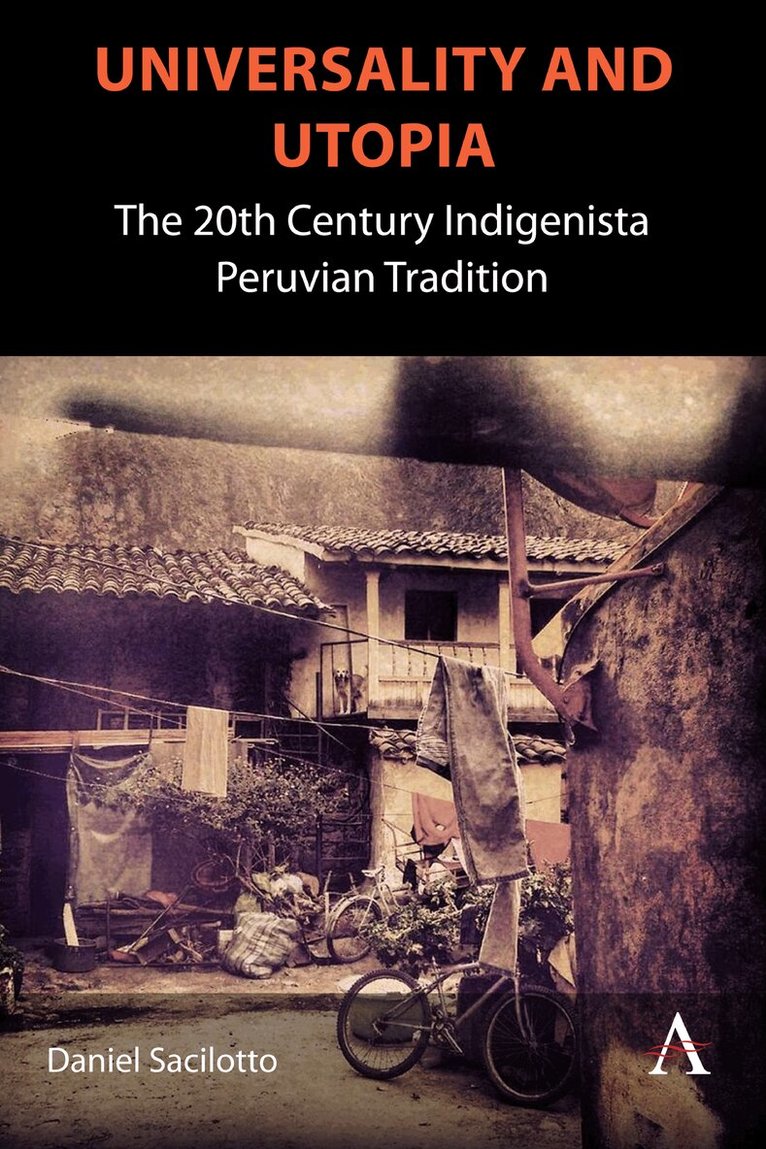
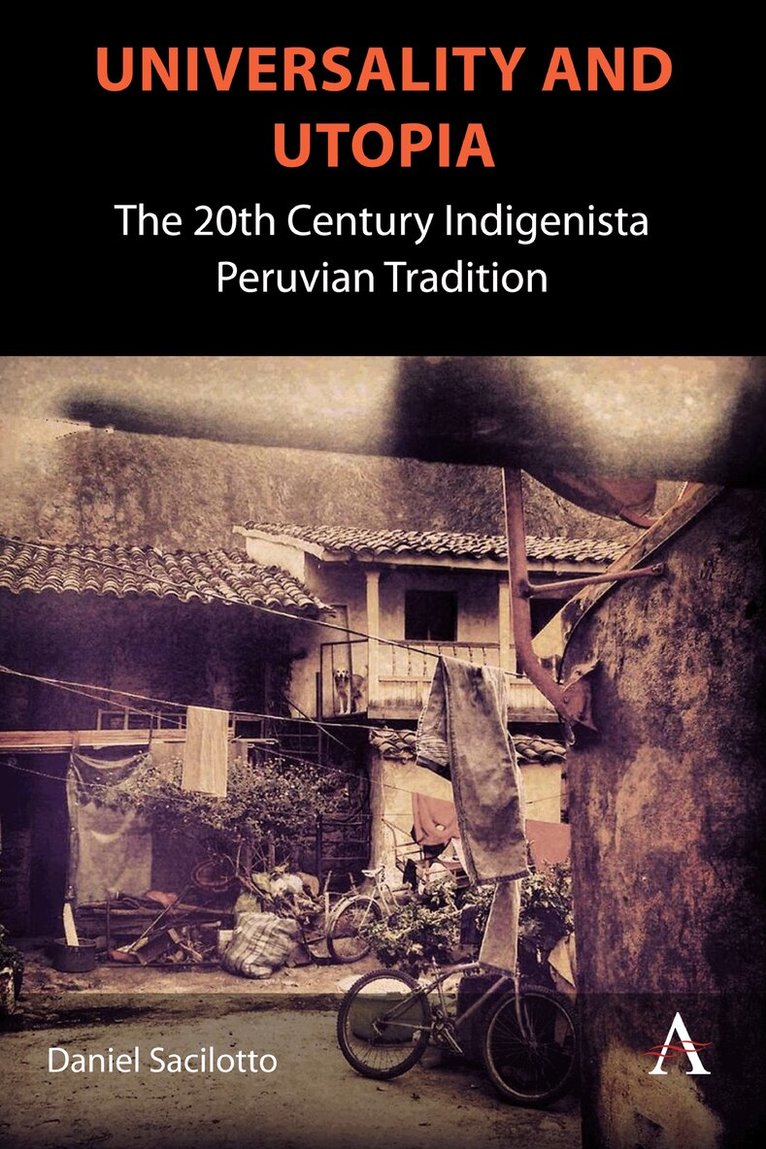
This book explores the intersection between philosophical and literary universalism in Latin America, tracing its configuration within the twentieth-century Peruvian socialist indigenista tradition, following from the work of José Carlos Mariátegui and elaborated in the literary works of César Vallejo and José MaríaArguedas. Departing from conventional accounts that interpret indigenismo as part of a regionalist literature seeking to describe and vindicate the rural Indian in particular, I argue that Peruvian indigenista literature formed part of a historical sequence through which urban mestizo intellectuals sought to imagine a future for Peruvian society as a whole. Going beyond the destiny of acculturation imagined by liberal writers, such as Manuel González Prada, in the late nineteenth century, I show how the socialist indigenista tradition imagined a bilateral process of appropriation and mediation between the rural Indian and mestizo, integrating pre-Hispanic, as well as Western cultural and economic forms, so as to give shape to a process of alternative modernity apposite to the Andean world. In doing so, indigenista authors interrogated the foundations of European Marxism in light of the distinctiveness of Peruvian society and its history, expressing ever more nuanced figurations of the emancipatory process and the forms of its revolutionary agency.
512 kr
Tillfälligt slut
495 kr
Tillfälligt slut
462 kr
Skickas inom 5-8 vardagar
This book explores the intersection between philosophical and literary universalism in Latin America, tracing its configuration within the twentieth-century Peruvian socialist indigenista tradition, following from the work of José Carlos Mariátegui and elaborated in the literary works of César Vallejo and José MaríaArguedas. Departing from conventional accounts that interpret indigenismo as part of a regionalist literature seeking to describe and vindicate the rural Indian in particular, I argue that Peruvian indigenista literature formed part of a historical sequence through which urban mestizo intellectuals sought to imagine a future for Peruvian society as a whole. Going beyond the destiny of acculturation imagined by liberal writers, such as Manuel González Prada, in the late nineteenth century, I show how the socialist indigenista tradition imagined a bilateral process of appropriation and mediation between the rural Indian and mestizo, integrating pre-Hispanic, as well as Western cultural and economic forms, so as to give shape to a process of alternative modernity apposite to the Andean world. In doing so, indigenista authors interrogated the foundations of European Marxism in light of the distinctiveness of Peruvian society and its history, expressing ever more nuanced figurations of the emancipatory process and the forms of its revolutionary agency.