Daniel Soars - Böcker
Visar alla böcker från författaren Daniel Soars. Handla med fri frakt och snabb leverans.
4 produkter
4 produkter
1 444 kr
Skickas inom 10-15 vardagar
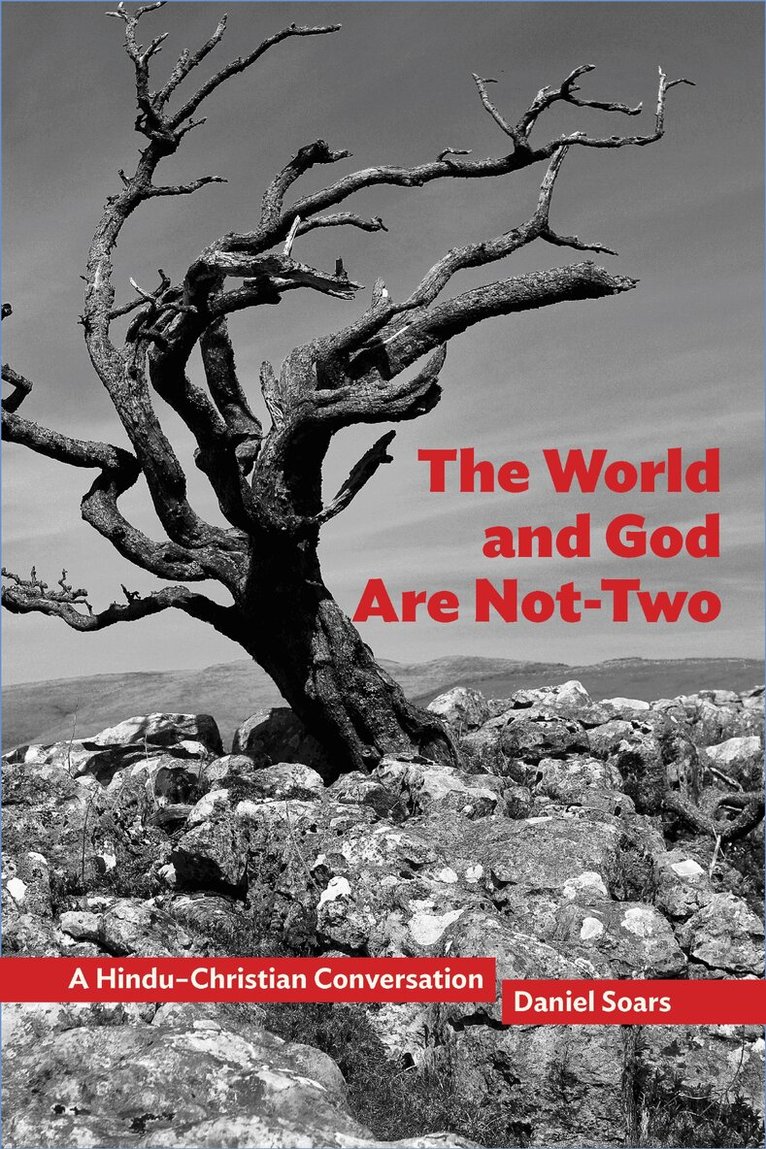
The World and God Are Not-Two is a book about how the God in whom Christians believe ought to be understood. The key conceptual argument that runs throughout is that the distinctive relation between the world and God in Christian theology is best understood as a non-dualistic one. The "two"—"God" and "World" cannot be added up as separate, enumerable realities or contrasted with each other against some common background because God does not belong in any category and creatures are ontologically constituted by their relation to the Creator.In exploring the unique character of this distinctive relation, Soars turns to Sara Grant's work on the Hindu tradition of Advaita Vedānta and the metaphysics of creation found in Thomas Aquinas. He develops Grant's work and that of the earlier Calcutta School by drawing explicit attention to the Neoplatonic themes in Aquinas that provide some of the most fruitful areas for comparative engagement with Vedānta. To the Christian, the fact that the world exists only as dependent on God means that "world" and "God" must be ontologically distinct because God's existence does not depend on the world. To the Advaitin, this simultaneously means that "World" and "God" cannot be ontologically separate either. The language of non-duality allows us to see that both positions can be held coherently together without entailing any contradiction or disagreement at the level of fundamental ontology. What it means to be "world" does not and cannot exclude what it means to be "God."
361 kr
Skickas inom 7-10 vardagar
The World and God Are Not-Two is a book about how the God in whom Christians believe ought to be understood. The key conceptual argument that runs throughout is that the distinctive relation between the world and God in Christian theology is best understood as a non-dualistic one. The "two"—"God" and "World" cannot be added up as separate, enumerable realities or contrasted with each other against some common background because God does not belong in any category and creatures are ontologically constituted by their relation to the Creator.In exploring the unique character of this distinctive relation, Soars turns to Sara Grant's work on the Hindu tradition of Advaita Vedānta and the metaphysics of creation found in Thomas Aquinas. He develops Grant's work and that of the earlier Calcutta School by drawing explicit attention to the Neoplatonic themes in Aquinas that provide some of the most fruitful areas for comparative engagement with Vedānta. To the Christian, the fact that the world exists only as dependent on God means that "world" and "God" must be ontologically distinct because God's existence does not depend on the world. To the Advaitin, this simultaneously means that "World" and "God" cannot be ontologically separate either. The language of non-duality allows us to see that both positions can be held coherently together without entailing any contradiction or disagreement at the level of fundamental ontology. What it means to be "world" does not and cannot exclude what it means to be "God."
1 498 kr
Skickas inom 10-15 vardagar
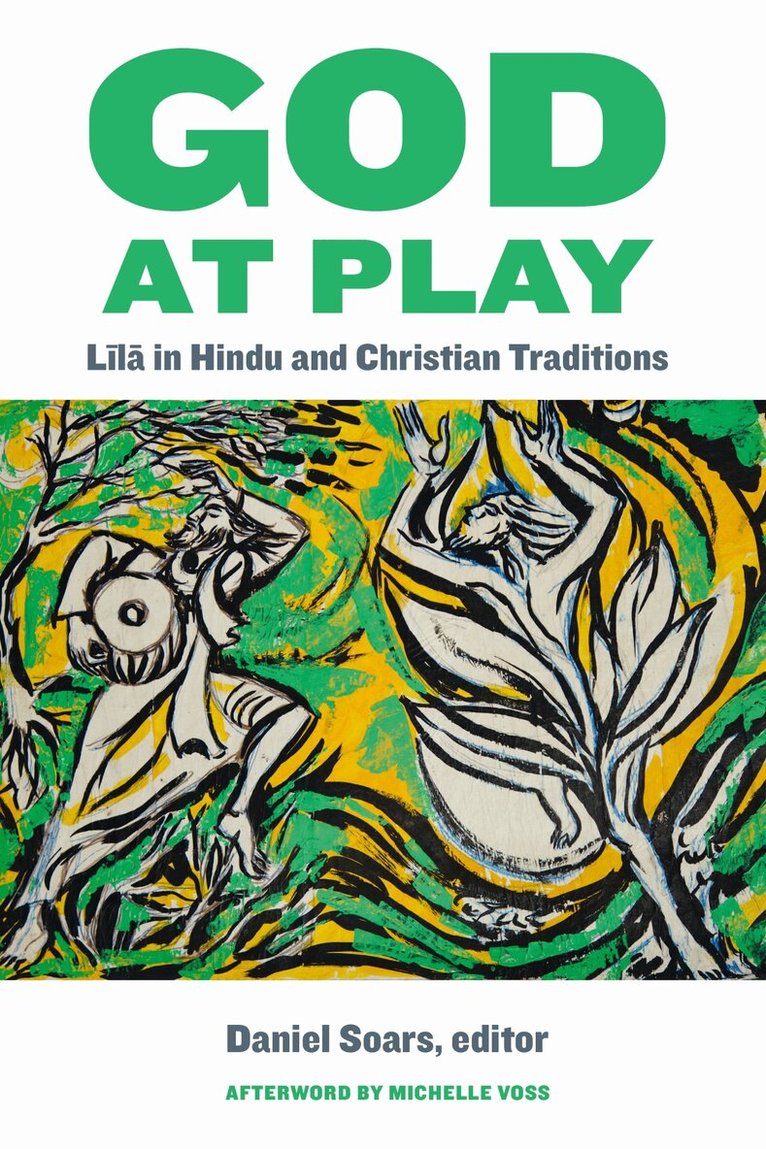
The first comparative treatment of the topic of līlā in Hindu and Christian traditions, this volume explores what it means to consider divine and human action under the categories of play, wit, drama, grace, and compassionGod at Play presents a theological exploration of the multifaceted motif of līlā across diverse Hindu and Christian landscapes and its wide-ranging connections to divine and human creativity. Given its ubiquity in Hindu theologies and life-forms, līlā offers a rich comparative framework for exploring certain ways of understanding divine and human action as expressed in Hindu and Christian sacred texts, philosophical theology, and ritual practices.Though līlā is often interpreted simply as "play," the essays in this volume reflect a far richer semantic and conceptual field, ranging from spontaneity and gratuitousness, through joy and humor, to mercy and compassion. By focusing on the different contexts in which līlā is found in Hindu traditions and resisting any uniform translation of the term, the contributors to this volume avoid the risk of using predominantly western or Christian categories to understand the Hindu other. The volume thus explores how līlā functions in a variety of distinctive philosophical, theological, and devotional ways across Hindu traditions, and listens for echoes in Christian understandings of the gratuitousness of the created order in relation to God.God at Play is a genuine experiment in deep learning across traditions. Each chapter reflects on what is learned by taking līlā as the category of comparison and invites the reader to think about what these conversations add, confirm, or change in relation to earlier twentieth-century scholarship on play—not least, in terms of what difference it might make to understand human life as an imitation and a participation in the divine life of a playful deity.
410 kr
Skickas
The first comparative treatment of the topic of līlā in Hindu and Christian traditions, this volume explores what it means to consider divine and human action under the categories of play, wit, drama, grace, and compassionGod at Play presents a theological exploration of the multifaceted motif of līlā across diverse Hindu and Christian landscapes and its wide-ranging connections to divine and human creativity. Given its ubiquity in Hindu theologies and life-forms, līlā offers a rich comparative framework for exploring certain ways of understanding divine and human action as expressed in Hindu and Christian sacred texts, philosophical theology, and ritual practices.Though līlā is often interpreted simply as "play," the essays in this volume reflect a far richer semantic and conceptual field, ranging from spontaneity and gratuitousness, through joy and humor, to mercy and compassion. By focusing on the different contexts in which līlā is found in Hindu traditions and resisting any uniform translation of the term, the contributors to this volume avoid the risk of using predominantly western or Christian categories to understand the Hindu other. The volume thus explores how līlā functions in a variety of distinctive philosophical, theological, and devotional ways across Hindu traditions, and listens for echoes in Christian understandings of the gratuitousness of the created order in relation to God.God at Play is a genuine experiment in deep learning across traditions. Each chapter reflects on what is learned by taking līlā as the category of comparison and invites the reader to think about what these conversations add, confirm, or change in relation to earlier twentieth-century scholarship on play—not least, in terms of what difference it might make to understand human life as an imitation and a participation in the divine life of a playful deity.