Daniela Melo – författare
Visar alla böcker från författaren Daniela Melo. Handla med fri frakt och snabb leverans.
3 produkter
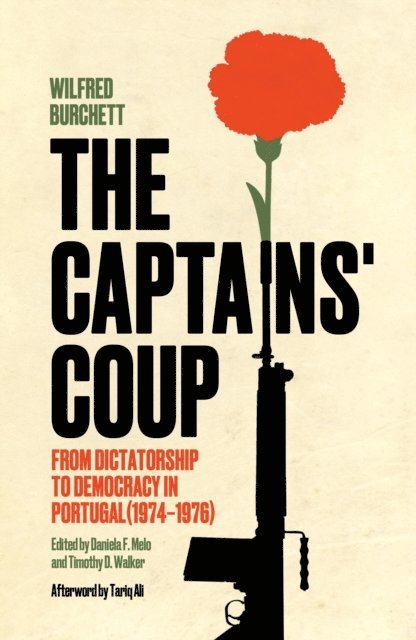
Captains' Coup
From Dictatorship to Democracy in Portugal (1974-1976)
Av Wilfred Burchett, Daniela Melo m. fl.
Inbunden, 2025
312 kr
Lägg i varukorg
Wilfred Burchett went to Lisbon in 1974 to cover the military overthrow of the fascist dictatorship that had ruled the country for nearly five decades. Burchett's on-the-ground reporting details the immediate aftermath of the coup and the civilian uprising that followed, which took its name, the …
Captains' Coup
From Dictatorship to Democracy in Portugal (1974-1976)
Av Wilfred Burchett, Daniela Melo m. fl.
E-bok, 2025
179 kr
Lägg i varukorg
Wilfred Burchett went to Lisbon in 1974 to cover the military overthrow of the fascist dictatorship that had ruled the country for nearly five decades. Burchett''s on-the-ground reporting details the immediate aftermath of the coup and the civilian uprising that followed, which took its name, the …
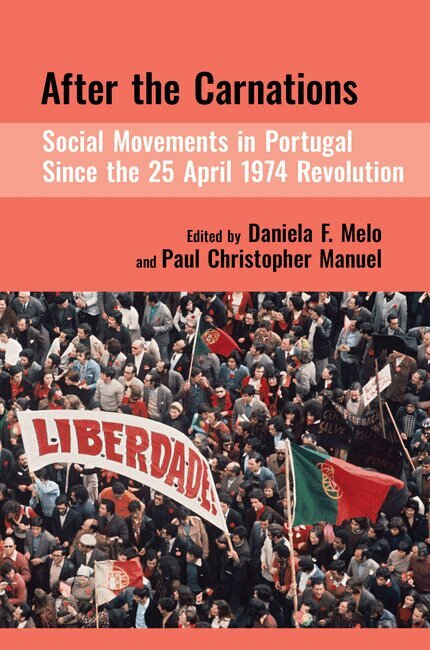
After the Carnations: Social Movements in Portugal Since the 25 April 1974 Revolution
Av Daniela Melo, Daniela F. Melo m. fl.
Inbunden, 2025
2232 kr
Lägg i varukorg
The Portuguese revolution of April 25, 1974, has drawn much well-deserved scholarly attention: it offers an innovative example of a leftist military-led revolutionary process that unexpectedly resulted in the transition to a West European-style social democracy. Although much of the existing …