Wilfred Burchett – författare
Visar alla böcker från författaren Wilfred Burchett. Handla med fri frakt och snabb leverans.
3 produkter
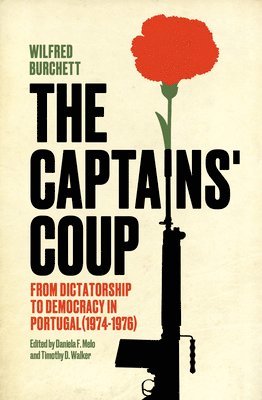
Captains' Coup
From Dictatorship to Democracy in Portugal (1974-1976)
Av Wilfred Burchett, Daniela Melo m. fl.
Inbunden, 2025
312 kr
Lägg i varukorg
Wilfred Burchett went to Lisbon in 1974 to cover the military overthrow of the fascist dictatorship that had ruled the country for nearly five decades. Burchett's on-the-ground reporting details the immediate aftermath of the coup and the civilian uprising that followed, which took its name, the …
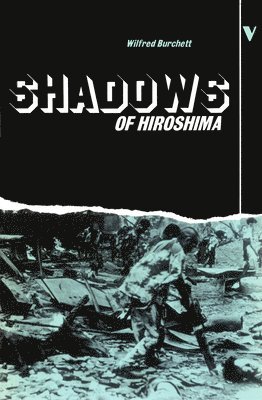
Shadows of Hiroshima
Häftad, 1987
5,0 utav 5 stjärnor. Totalt antal röster: (1)
276 kr
Lägg i varukorg
'I Write This As A Warning To The World'This headline in the London Daily Express on 5 September 1945 was the first cry of alarm that the age of threatening nuclear catastrophe had dawned. Wilfred Burchett, who became the most famous radical journalist of his generation, wrote It and the …
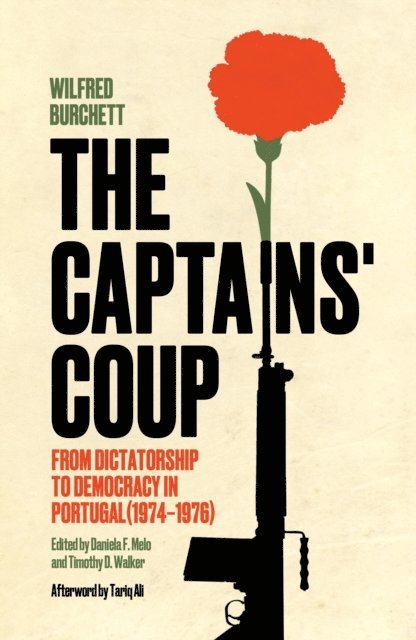
Captains' Coup
From Dictatorship to Democracy in Portugal (1974-1976)
Av Wilfred Burchett, Daniela Melo m. fl.
E-bok, 2025
179 kr
Lägg i varukorg
Wilfred Burchett went to Lisbon in 1974 to cover the military overthrow of the fascist dictatorship that had ruled the country for nearly five decades. Burchett''s on-the-ground reporting details the immediate aftermath of the coup and the civilian uprising that followed, which took its name, the …