Danielle Child – författare
Visar alla böcker från författaren Danielle Child. Handla med fri frakt och snabb leverans.
7 produkter
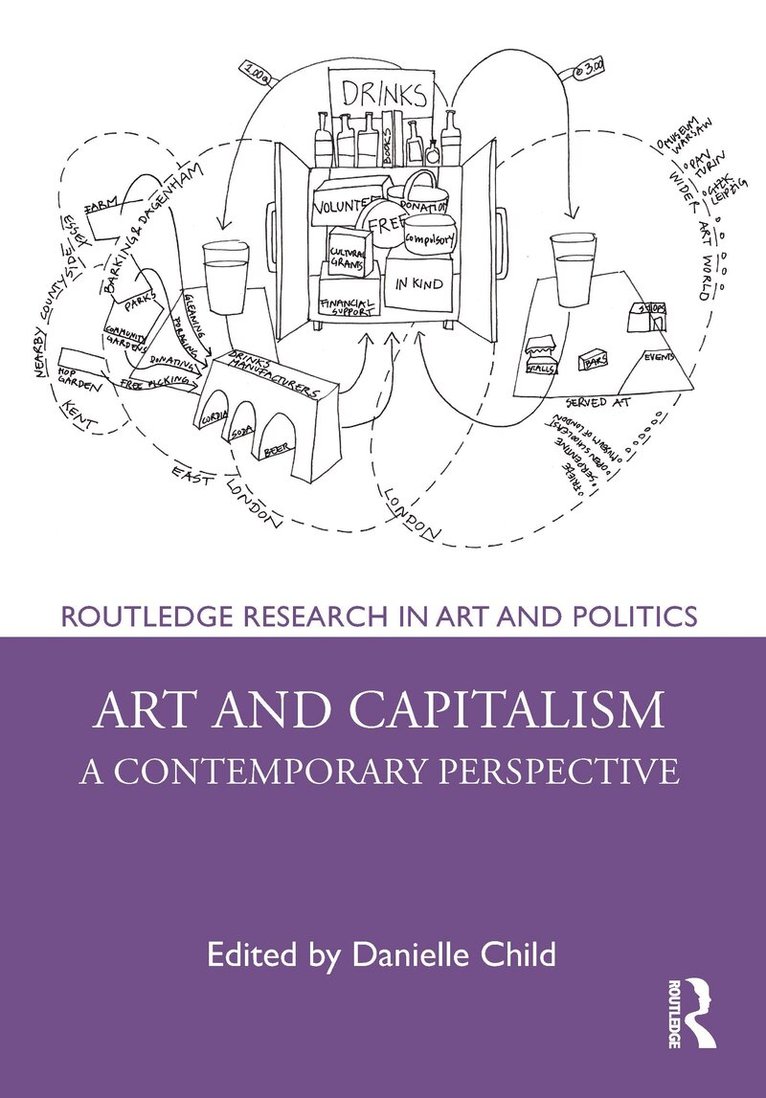
Art and Capitalism
A Contemporary Perspective
Inbunden, 2026
2586 kr
Lägg i varukorg
A central tenet of capitalism is the production of commodities to create profit (money); as such, the logical starting place for this collection is the relationship of art to these foundational elements of capitalism. However, as the contributions to the volume reveal, capitalism encompasses more …
Art and Capitalism
A Contemporary Perspective
E-bok, 2026
674 kr
Lägg i varukorg
A central tenet of capitalism is the production of commodities to create profit (money); as such, the logical starting place for this collection is the relationship of art to these foundational elements of capitalism. However, as the contributions to the volume reveal, capitalism encompasses more …
Art and Capitalism
A Contemporary Perspective
E-bok, 2026
838 kr
Lägg i varukorg
A central tenet of capitalism is the production of commodities to create profit (money); as such, the logical starting place for this collection is the relationship of art to these foundational elements of capitalism. However, as the contributions to the volume reveal, capitalism encompasses more …
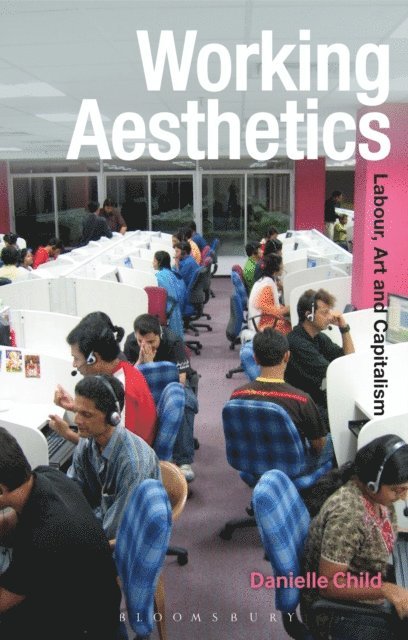
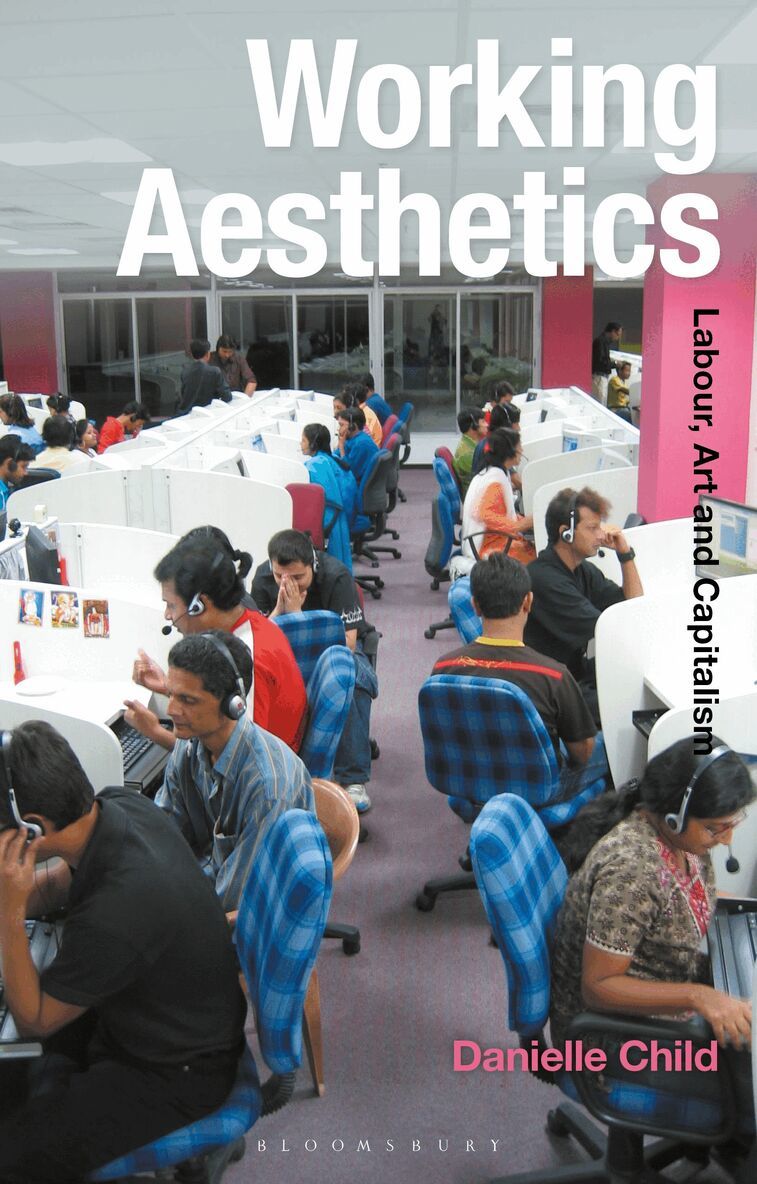
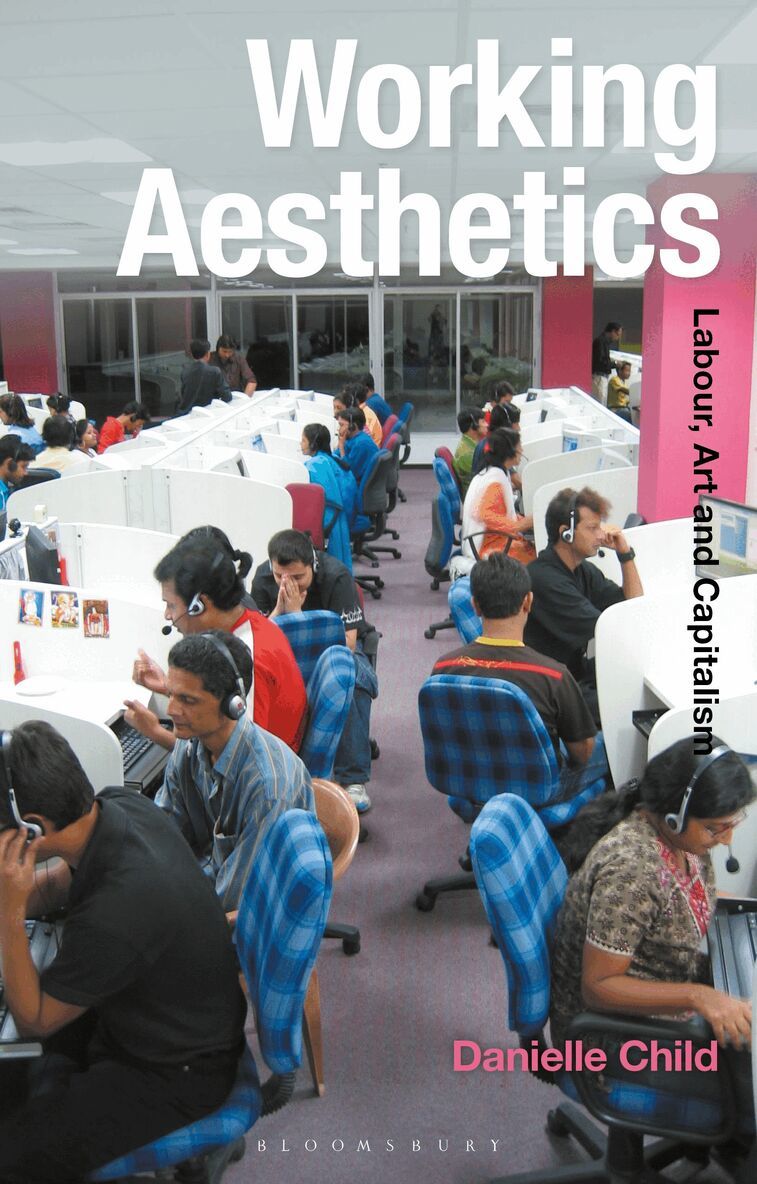
Working Aesthetics
Labour, Art and Capitalism
E-bok, 2019
412 kr
Lägg i varukorg
Working Aesthetics is about the relationship between art and work under contemporary capitalism. Whilst labour used to be regarded as an unattractive subject for art, the proximity of work to everyday life has subsequently narrowed the gap between work and art. The artist is no longer considered …
Working Aesthetics
Labour, Art and Capitalism
Av Danielle Child, Gillian Whiteley
Inbunden, 2019
1208 kr
Lägg i varukorg
Working Aesthetics is about the relationship between art and work under contemporary capitalism. Whilst labour used to be regarded as an unattractive subject for art, the proximity of work to everyday life has subsequently narrowed the gap between work and art. The artist is no longer considered …
Working Aesthetics
Labour, Art and Capitalism
Av Danielle Child, Gillian Whiteley
Häftad, 2019
388 kr
Lägg i varukorg
Working Aesthetics is about the relationship between art and work under contemporary capitalism. Whilst labour used to be regarded as an unattractive subject for art, the proximity of work to everyday life has subsequently narrowed the gap between work and art. The artist is no longer considered …
Working Aesthetics
Labour, Art and Capitalism
E-bok, 2019
412 kr
Lägg i varukorg
Working Aesthetics is about the relationship between art and work under contemporary capitalism. Whilst labour used to be regarded as an unattractive subject for art, the proximity of work to everyday life has subsequently narrowed the gap between work and art. The artist is no longer considered …