Gillian Whiteley - Böcker
Visar alla böcker från författaren Gillian Whiteley. Handla med fri frakt och snabb leverans.
14 produkter
14 produkter
345 kr
Skickas inom 10-15 vardagar
Investigating art practitioners’ responses to violence, this book considers how artists have used art practices to rethink concepts of violence and non-violence. It explores the strategies that artists have deployed to expose physical and symbolic violence through representational, performative and interventional means. It examines how intellectual and material contexts have affected art interventions and how visual arts can open up critical spaces to explore violence without reinforcement or recuperation. Its premises are that art is not only able to contest prevailing norms about violence but that contemporary artists are consciously engaging with publics through their practice in order to do so. Contributors respond to three questions: how can political violence be understood or interpreted through art? How are publics understood or identified? How are art interventions designed to shift, challenge or respond to public perceptions of political violence and how are they constrained by them? They discuss violence in the everyday and at state level: the Watts’ Rebellion and Occupy, repression in Russia, domination in Hong Kong, the violence of migration and the unfolding art activist logic of the sigma portfolio. Asking how public debates can be shaped through the visual and performing arts and setting taboos about violence to one side, the volume provides an innovative approach to a perennial issue of interest to scholars of international politics, art and cultural studies.
935 kr
Skickas inom 10-15 vardagar
Investigating art practitioners’ responses to violence, this book considers how artists have used art practices to rethink concepts of violence and non-violence. It explores the strategies that artists have deployed to expose physical and symbolic violence through representational, performative and interventional means. It examines how intellectual and material contexts have affected art interventions and how visual arts can open up critical spaces to explore violence without reinforcement or recuperation. Its premises are that art is not only able to contest prevailing norms about violence but that contemporary artists are consciously engaging with publics through their practice in order to do so. Contributors respond to three questions: how can political violence be understood or interpreted through art? How are publics understood or identified? How are art interventions designed to shift, challenge or respond to public perceptions of political violence and how are they constrained by them? They discuss violence in the everyday and at state level: the Watts’ Rebellion and Occupy, repression in Russia, domination in Hong Kong, the violence of migration and the unfolding art activist logic of the sigma portfolio. Asking how public debates can be shaped through the visual and performing arts and setting taboos about violence to one side, the volume provides an innovative approach to a perennial issue of interest to scholars of international politics, art and cultural studies.
1 142 kr
Skickas inom 10-15 vardagar
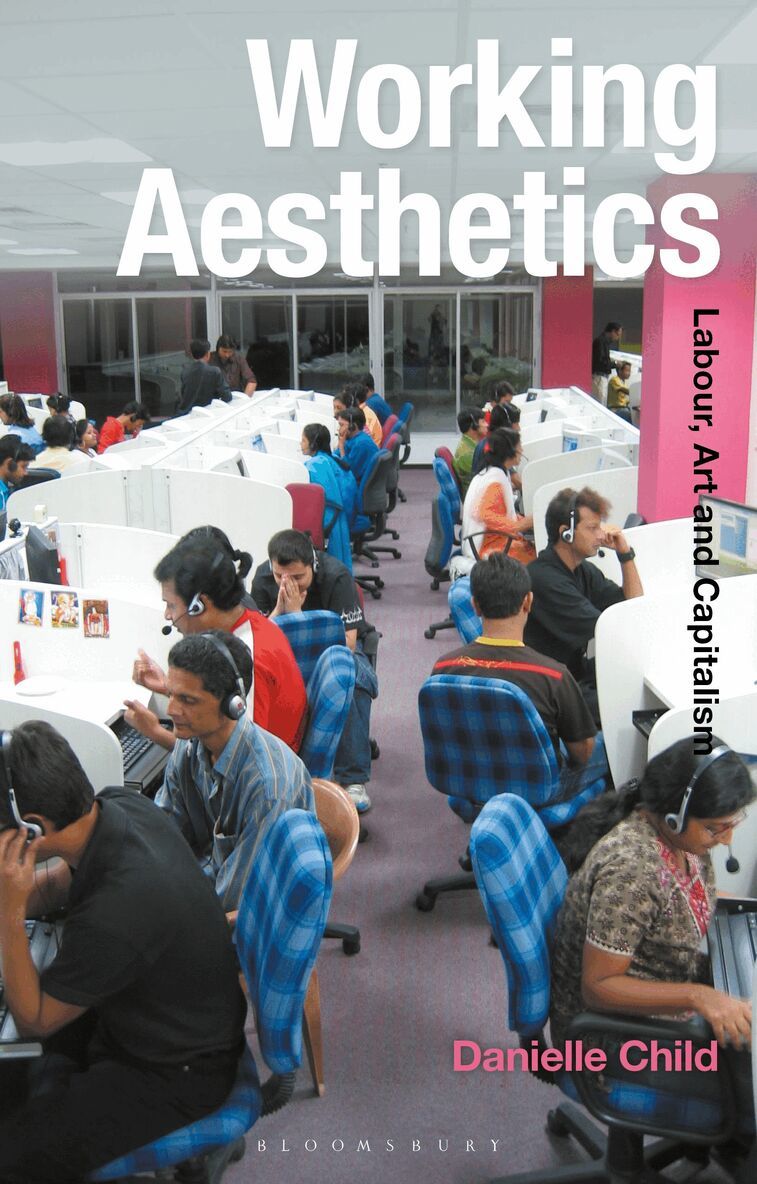
Working Aesthetics is about the relationship between art and work under contemporary capitalism. Whilst labour used to be regarded as an unattractive subject for art, the proximity of work to everyday life has subsequently narrowed the gap between work and art. The artist is no longer considered apart from the economic, but is heralded as an example of how to work in neoliberal management textbooks. As work and life become obscured within the contemporary period, this book asks how artistic practice is affected, including those who labour for artists. Through a series of case studies, Working Aesthetics critically examines the moments in which labour and art intersect under capitalism. When did labour disappear from art production, or accounts of art history? Can we consider the dematerialization of art in the 1960s in relation to the deskilling of work? And how has neoliberal management theory adopting the artist as model worker affected artistic practices in the 21st century? With the narrowing of work and art visible in galleries and art discourse today, Working Aesthetics takes a step back to ask why labour has become a valid subject for contemporary art, and explores what this means for aesthetic culture today.
368 kr
Skickas inom 10-15 vardagar
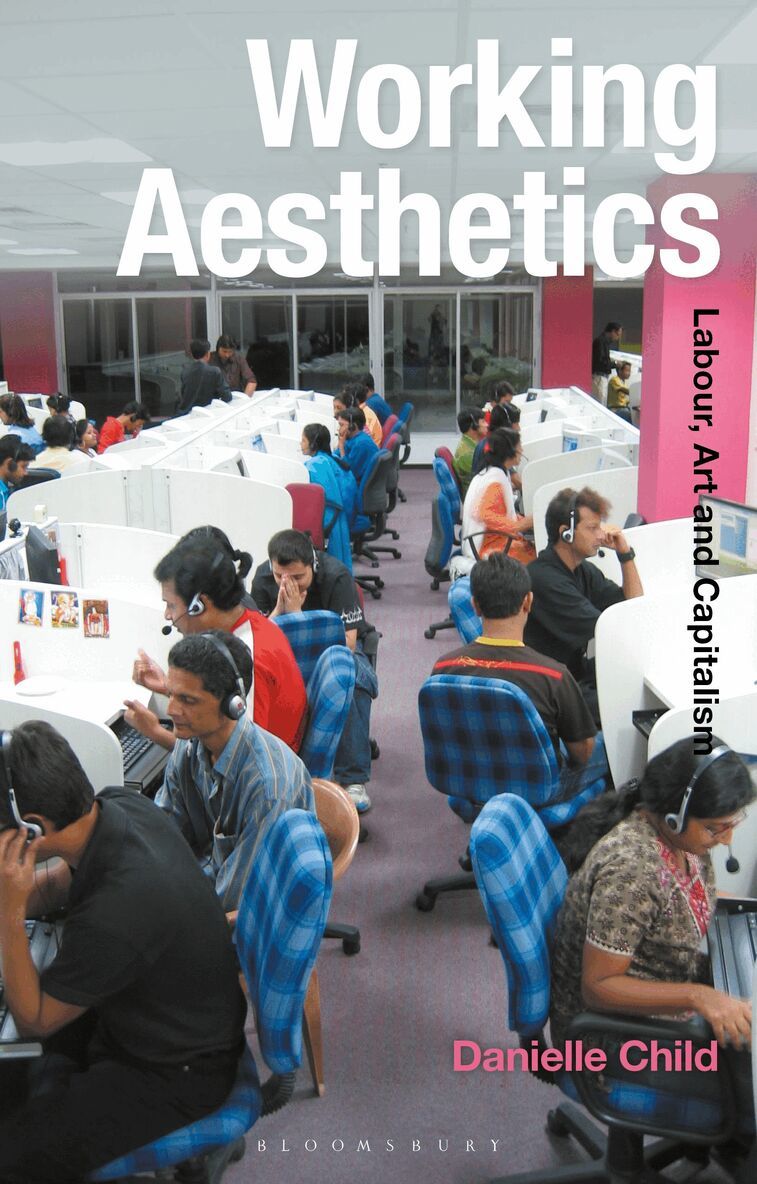
Working Aesthetics is about the relationship between art and work under contemporary capitalism. Whilst labour used to be regarded as an unattractive subject for art, the proximity of work to everyday life has subsequently narrowed the gap between work and art. The artist is no longer considered apart from the economic, but is heralded as an example of how to work in neoliberal management textbooks. As work and life become obscured within the contemporary period, this book asks how artistic practice is affected, including those who labour for artists. Through a series of case studies, Working Aesthetics critically examines the moments in which labour and art intersect under capitalism. When did labour disappear from art production, or accounts of art history? Can we consider the dematerialization of art in the 1960s in relation to the deskilling of work? And how has neoliberal management theory adopting the artist as model worker affected artistic practices in the 21st century? With the narrowing of work and art visible in galleries and art discourse today, Working Aesthetics takes a step back to ask why labour has become a valid subject for contemporary art, and explores what this means for aesthetic culture today.
806 kr
Skickas
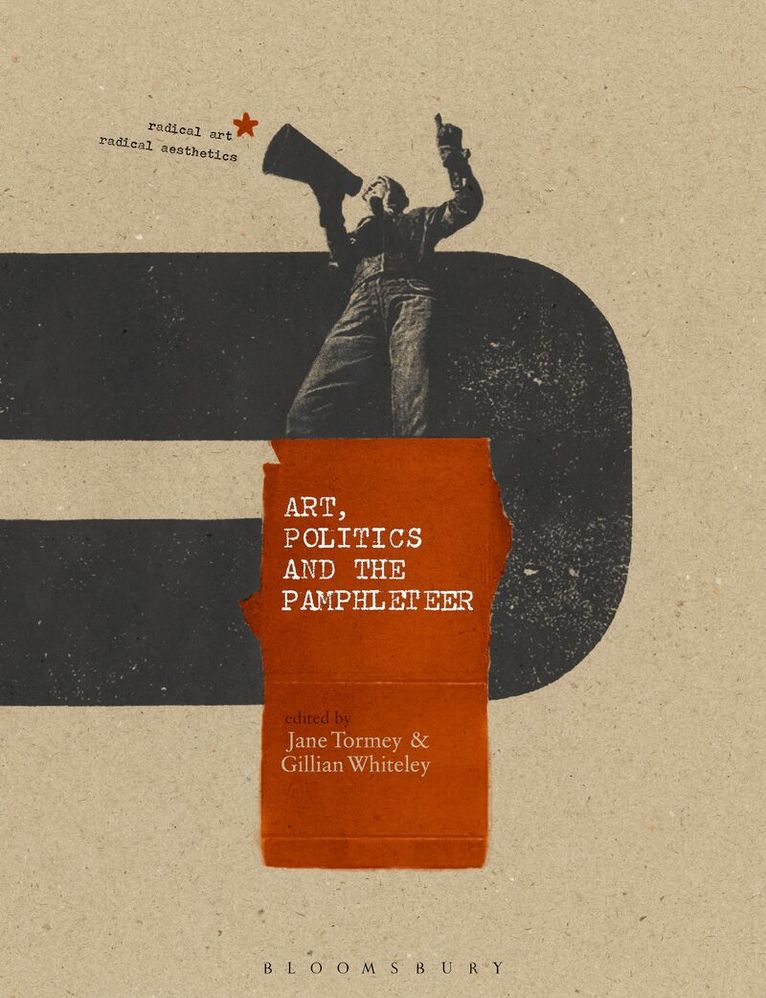
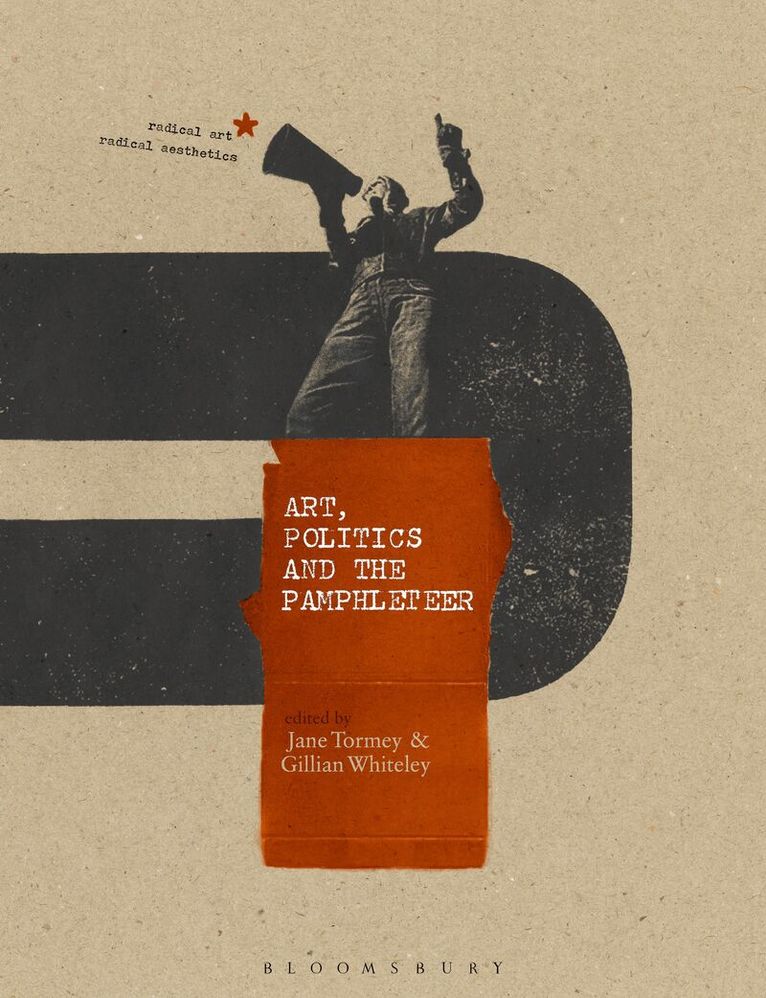
Art, Politics and the Pamphleteer brings together a collection of text-based and visual essays, commissioned artworks and graphics. This richly illustrated book responds to the concept, aesthetics and function of the political pamphlet. It is diverse in content, interpreting the ‘pamphlet’ in the broadest terms, and encompassing a number of case studies that offer historical or specific examples of contemporary pamphleteering practice that can be seen to perform ‘a clear political implication’ or protest. Besides exploring the radical history and diverse cultures of the pamphlet, it also celebrates the rich visual rhetoric, typography and contemporary relevance of the format for both artists and activists. Contributions include an historical overview and essays by: Andy Abbott, Angeliki Avgitidu, Aziz Choudry and Désirée Rochat, David Murrieta Flores, Michelle Kempson, Pil and Galia Kollectiv, Rachel Schreiber, Jane Tormey, Gillian Whiteley; visual contributions by Gary Anderson and Steven Shakespeare, Ruth Beale, Ami Clarke, Common Culture, Jeremy Deller, Freee, Patrick Goddard, Gavin Grindon, Ferenc Grof, Marc Herbst, Joanne Lee, Josh MacPhee, Manual Labours, Mark McGowan, Minute Works, Chris Morton, radicalreThink, Hester Reeve, Oliver Ressler, Greg Sholette & Christopher Darling, Laura Wild, Andrew Wilson. As the book was conceived as predominantly visual from the outset, the book concept has been a collaboration with The Little Riot Press (Phil Eastwood and Chris Dunne). Overall, an aesthetic of protest and propaganda was considered integral to the design to reiterate the generally handmade, analogue techniques found in political pamphlets. The Little Riot Press have thus approached the illustration and overall visual cohesion from the perspective of the radical artist pamphleteer. www.thelittleriotpress.com
408 kr
Skickas inom 10-15 vardagar
Art, Politics and the Pamphleteer brings together a collection of text-based and visual essays, commissioned artworks and graphics. This richly illustrated book responds to the concept, aesthetics and function of the political pamphlet. It is diverse in content, interpreting the ‘pamphlet’ in the broadest terms, and encompassing a number of case studies that offer historical or specific examples of contemporary pamphleteering practice that can be seen to perform ‘a clear political implication’ or protest. Besides exploring the radical history and diverse cultures of the pamphlet, it also celebrates the rich visual rhetoric, typography and contemporary relevance of the format for both artists and activists. Contributions include an historical overview and essays by: Andy Abbott, Angeliki Avgitidu, Aziz Choudry and Désirée Rochat, David Murrieta Flores, Michelle Kempson, Pil and Galia Kollectiv, Rachel Schreiber, Jane Tormey, Gillian Whiteley; visual contributions by Gary Anderson and Steven Shakespeare, Ruth Beale, Ami Clarke, Common Culture, Jeremy Deller, Freee, Patrick Goddard, Gavin Grindon, Ferenc Grof, Marc Herbst, Joanne Lee, Josh MacPhee, Manual Labours, Mark McGowan, Minute Works, Chris Morton, radicalreThink, Hester Reeve, Oliver Ressler, Greg Sholette & Christopher Darling, Laura Wild, Andrew Wilson. As the book was conceived as predominantly visual from the outset, the book concept has been a collaboration with The Little Riot Press (Phil Eastwood and Chris Dunne). Overall, an aesthetic of protest and propaganda was considered integral to the design to reiterate the generally handmade, analogue techniques found in political pamphlets. The Little Riot Press have thus approached the illustration and overall visual cohesion from the perspective of the radical artist pamphleteer. www.thelittleriotpress.com
1 703 kr
Skickas inom 10-15 vardagar
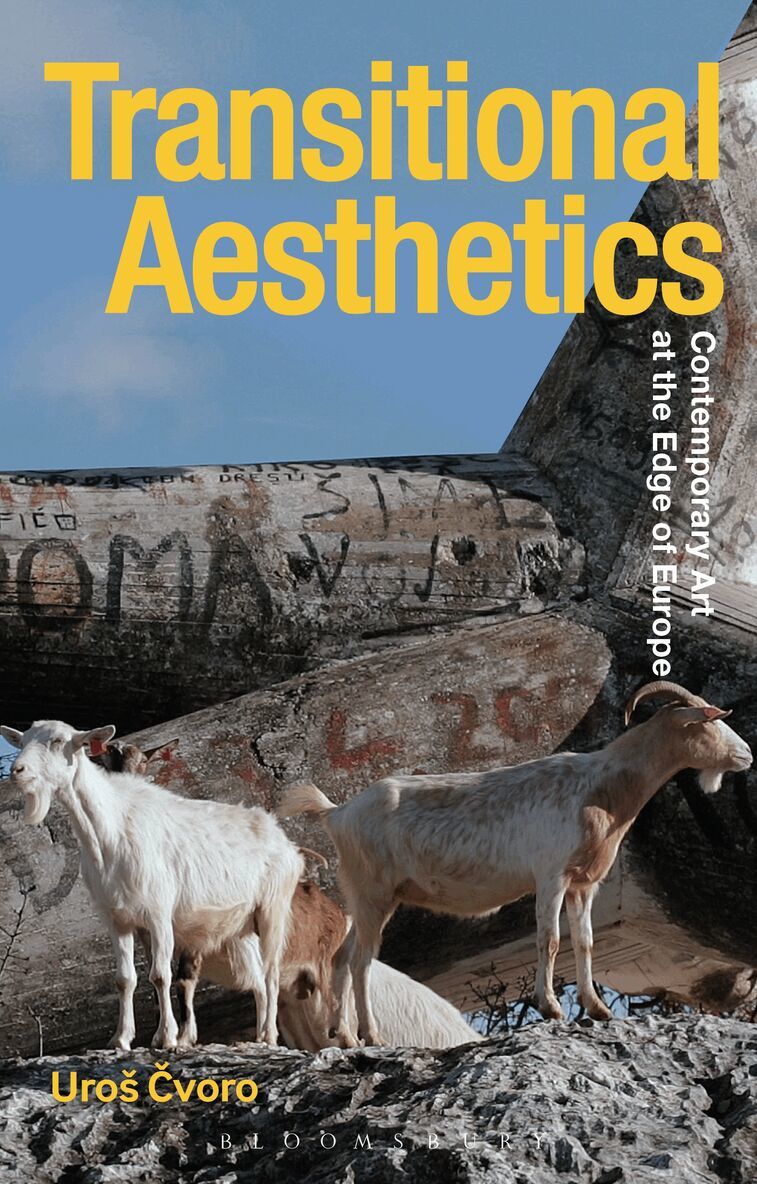
Using the way in which artists from the former Eastern bloc perceive the experience of EU integration and transition from a Soviet past as a conceptual launching pad, this book explores how artists critically inhabit a permanent state of ‘in-between’ to capture the simultaneous existence of multiple and overlapping temporalities. Transitional aesthetics are artistic strategies that disrupt and interrogate ideologically loaded trajectories of cultural, social, or political transition. Examples of such trajectories include the movement from totalitarianism to democracy (post-socialism), from war to freedom and reconciliation (post-conflict), and from the edges of Europe to its centre (inclusion in the European Union). These transitional states include: the future orientation of (failed) socialism and the perpetual present of global capital; the history of unresolved past conflicts and reconciliation through ‘transitional justice’; nationalist obsessions with the past and the cultural appeal of kitsch and retro objects in fashion, film and music; and the uncertain future promise of EU membership and resurgence of global right-wing populism, headed by figures like Berlusconi, Le Pen, and Trump. Transitional Aesthetics shows that apprehending time in contemporary art is fundamental to capturing the lived experience of a permanent state of instability; particularly relevant to Europe in the contemporary moment. In a world that has entered ‘accelerated transition’ towards instability, understanding this experience has broad and resonating relevance for politics, art and society.
1 476 kr
Skickas inom 10-15 vardagar
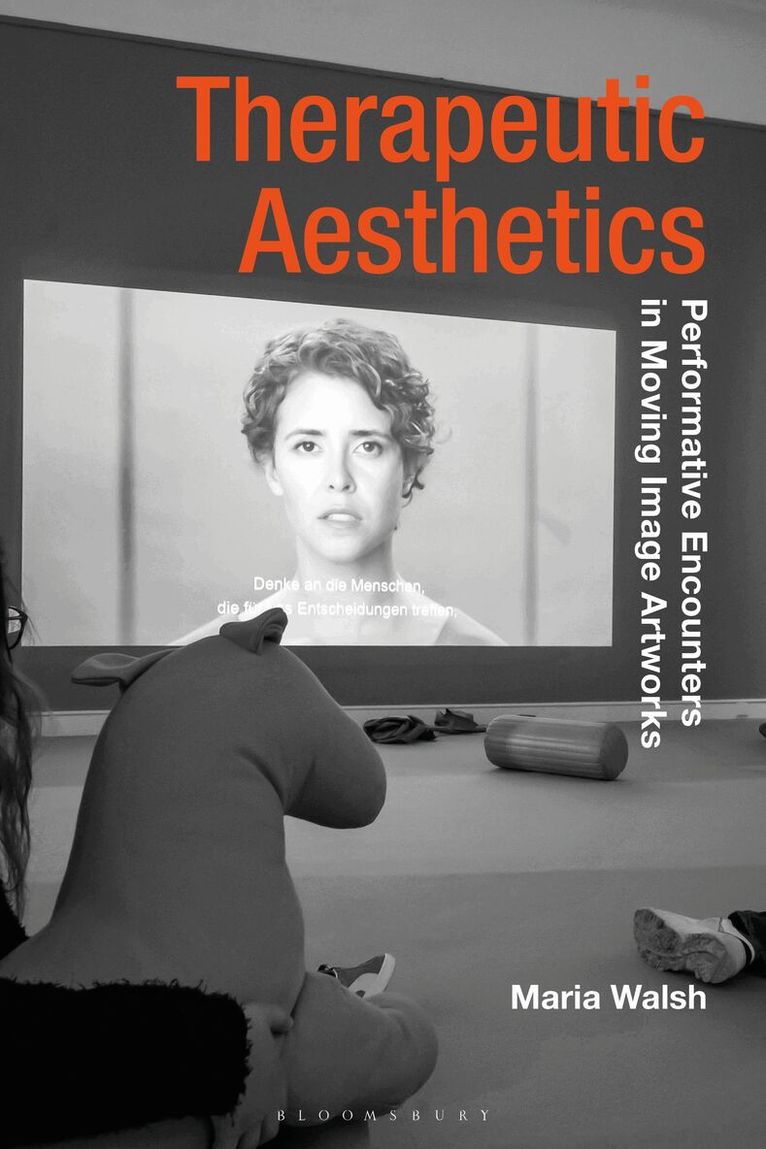
Therapeutic Aesthetics focuses on moving image artworks as expressive of social psychopathological symptoms that arise in a climate of neoliberal cognitive capitalism, such as anxiety, depression, post- traumatic stress disorder and burnout. The book is not about engaging with art as a therapy to express personal traumas and symptoms but proposes that a selective range of contemporary moving image artworks performatively mimic the psychopathologies of cognitive capitalism in a conflictual manner. Engaging with a range of philosophers and theorists, including Bernard Stiegler, Franco ‘Bifo’ Berardi, Judith Butler, Félix Guattari, and Eva Illouz, Maria Walsh proposes that there is no cure, only provisional moments of reparation. To address this idea, she uses the concept of the pharmakon, the Greek term for drug which means both remedy and poison. Through this approach, she maintains the conflict between the curative and the harmful in relation to moving image artworks by artists such as Omer Fast, Liz Magic Laser, Leigh Ledare, Oriana Fox, Gillian Wearing and Rehana Zaman. As transitional spaces, these artworks can enable a toleration of anxiety and conflict that may offer another kind of aesthetic self-cultivation than the subjection to biopolitical governance in cognitive capitalism.
484 kr
Kommande
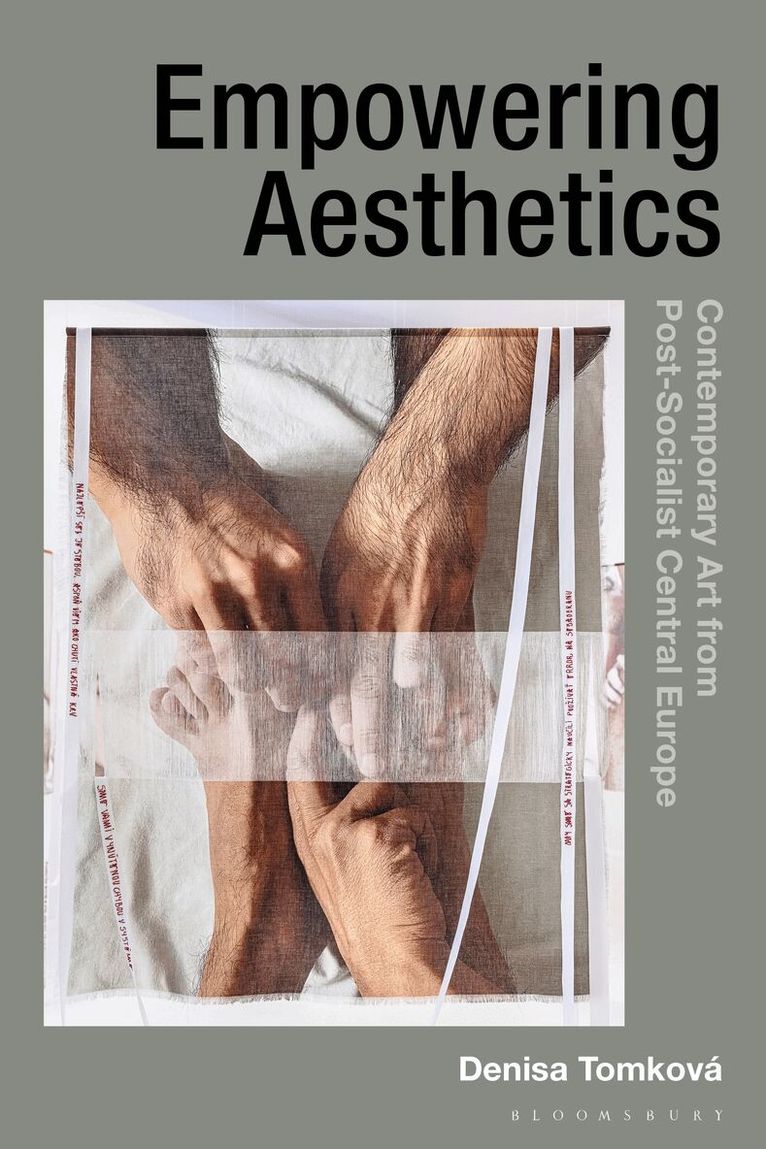
The artistic strategies explored in this book are essential tools in fostering emancipatory consciousness in marginalized communities. Empowering Aesthetics weaves together case studies from the post-socialist Central European region (the Czech Republic, Hungary, Poland, and Slovakia) to show how art can provide critical support to gender, sexual and racialized groups. The empowering aesthetics employed by the artists in this book are not only urgent and critical, but also vitally personal, each chapter building a clear understanding of what social equality looks like in these specific political and geographic contexts. These practices are a response to the rise of nationalism, homophobia, transphobia, and xenophobia in the region. Engaging with contemporary philosophy and feminist, queer and decolonial (art) theory (Sara Ahmed, Judith Butler, Angela Dimitrakaki, Boris Groys, Jack Halberstam, Grant Kester, Ewa Majewska, Paul B. Preciado, Legacy Russell, Madina Tlostanova, etc.), this book highlights a shift in the understanding of the artwork and aesthetic experience that is enduring rather than immediate, drawing attention to a given community. The projects discussed in this book are created with the artist and the wider community or family in mind and are created in intersubjective connection with others. This volume highlights that empowering aesthetics perform an important function in challenging these narratives while contributing to building an inclusive collective memory that emancipates systematically marginalized individuals and communities.
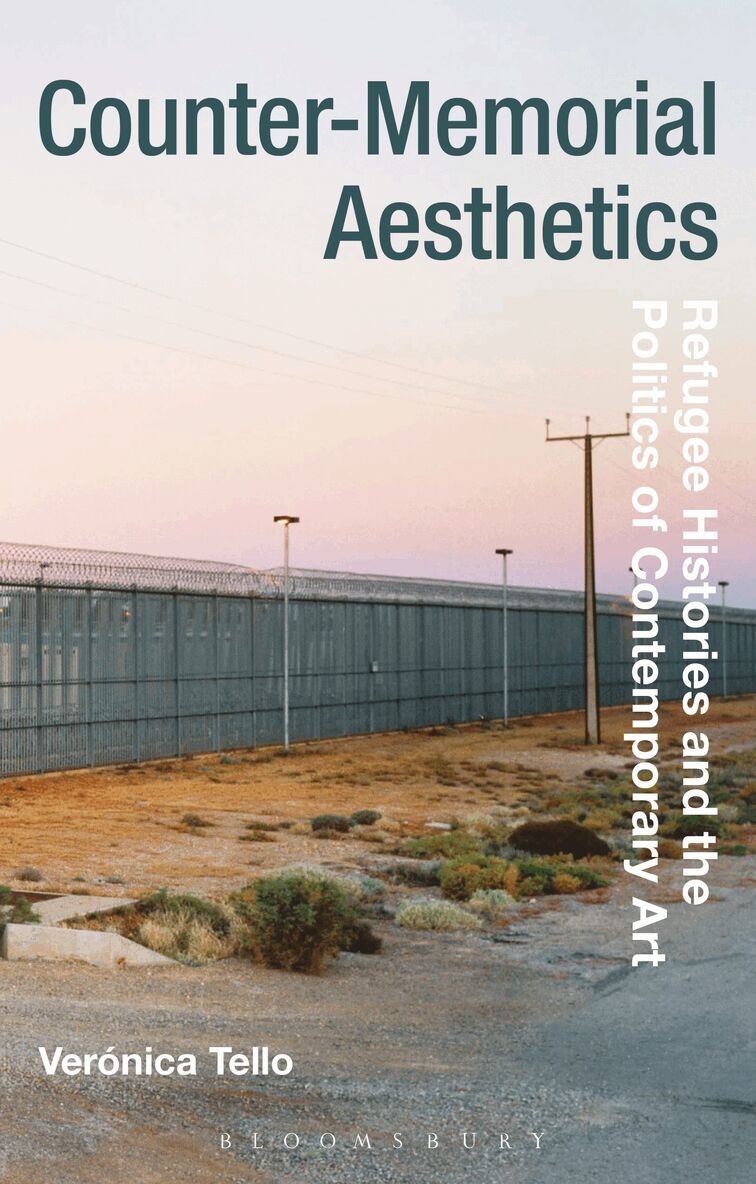
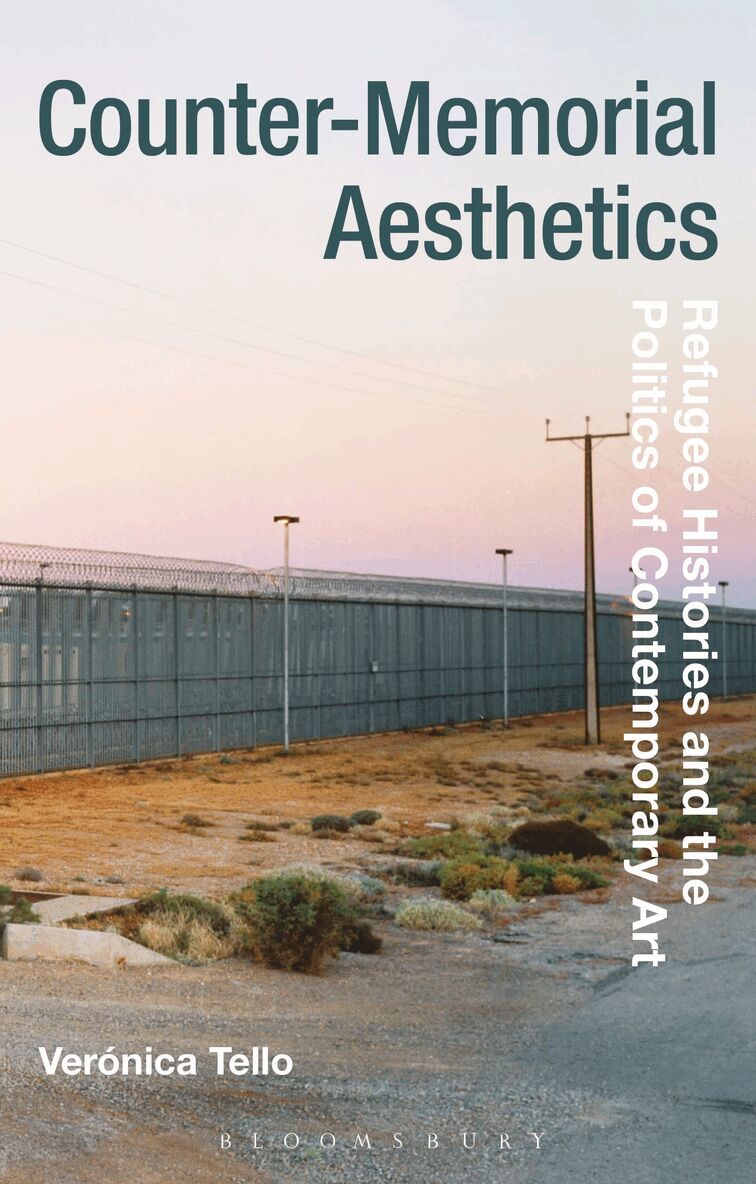
Counter-Memorial Aesthetics
Refugee Histories and the Politics of Contemporary Art
Häftad, Engelska, 2016
381 kr
Skickas inom 10-15 vardagar
Restrictive border protection policies directed toward managing the flow of refugees coming into neoliberal democracies (and out of failing nation-states) are a defining feature of contemporary politics. In this book, Verónica Tello analyses how contemporary artists—such as Tania Bruguera, Isaac Julien, Rosemary Laing, Dinh Q. Lé, Dierk Schmidt, Hito Steyerl, Lyndell Brown and Charles Green—negotiate their diverse subject positions while addressing and taking part in the production of images associated with refugee experiences and histories. Tello argues that their practices, which manifest across a range of contexts including Cuba, the United States, Australia and Europe, represent an emergent, global paradigm of contemporary art, ‘counter-memorial aesthetics’.Counter-Memorial Aesthetics, Tello argues, is characterized by its conjunction of heterogeneous signifiers and voices of many times and places, generating an experimental, non-teleological approach to the construction of contemporary history, which also takes into account the complex, disorienting spatial affects of globalization. Spanning performance art, experimental 'history painting', aftermath photography and video installation, counter-memorial aesthetics bring to the fore, Tello argues, how contemporary refugee flows and related traumatic events critically challenge and conflict with many existing, tired if not also stubborn notions of national identity, borders, history and memory. Building on the writings of such thinkers as Michel Foucault and Jacques Rancière, this book offers a useful concept of 'counter-memory' for the twenty-first century. It shows how counter-memorial aesthetics is not only central to the nexus of contemporary art and refugee histories but also how it can offer a way of being critically present with many other, often interrelated, global crises in the contemporary era.
Counter-Memorial Aesthetics
Refugee Histories and the Politics of Contemporary Art
Inbunden, Engelska, 2016
1 703 kr
Skickas inom 10-15 vardagar
Restrictive border protection policies directed toward managing the flow of refugees coming into neoliberal democracies (and out of failing nation-states) are a defining feature of contemporary politics. In this book, Verónica Tello analyses how contemporary artists—such as Tania Bruguera, Isaac Julien, Rosemary Laing, Dinh Q. Lé, Dierk Schmidt, Hito Steyerl, Lyndell Brown and Charles Green—negotiate their diverse subject positions while addressing and taking part in the production of images associated with refugee experiences and histories. Tello argues that their practices, which manifest across a range of contexts including Cuba, the United States, Australia and Europe, represent an emergent, global paradigm of contemporary art, ‘counter-memorial aesthetics’.Counter-Memorial Aesthetics, Tello argues, is characterized by its conjunction of heterogeneous signifiers and voices of many times and places, generating an experimental, non-teleological approach to the construction of contemporary history, which also takes into account the complex, disorienting spatial affects of globalization. Spanning performance art, experimental 'history painting', aftermath photography and video installation, counter-memorial aesthetics bring to the fore, Tello argues, how contemporary refugee flows and related traumatic events critically challenge and conflict with many existing, tired if not also stubborn notions of national identity, borders, history and memory. Building on the writings of such thinkers as Michel Foucault and Jacques Rancière, this book offers a useful concept of 'counter-memory' for the twenty-first century. It shows how counter-memorial aesthetics is not only central to the nexus of contemporary art and refugee histories but also how it can offer a way of being critically present with many other, often interrelated, global crises in the contemporary era.
1 703 kr
Skickas inom 10-15 vardagar
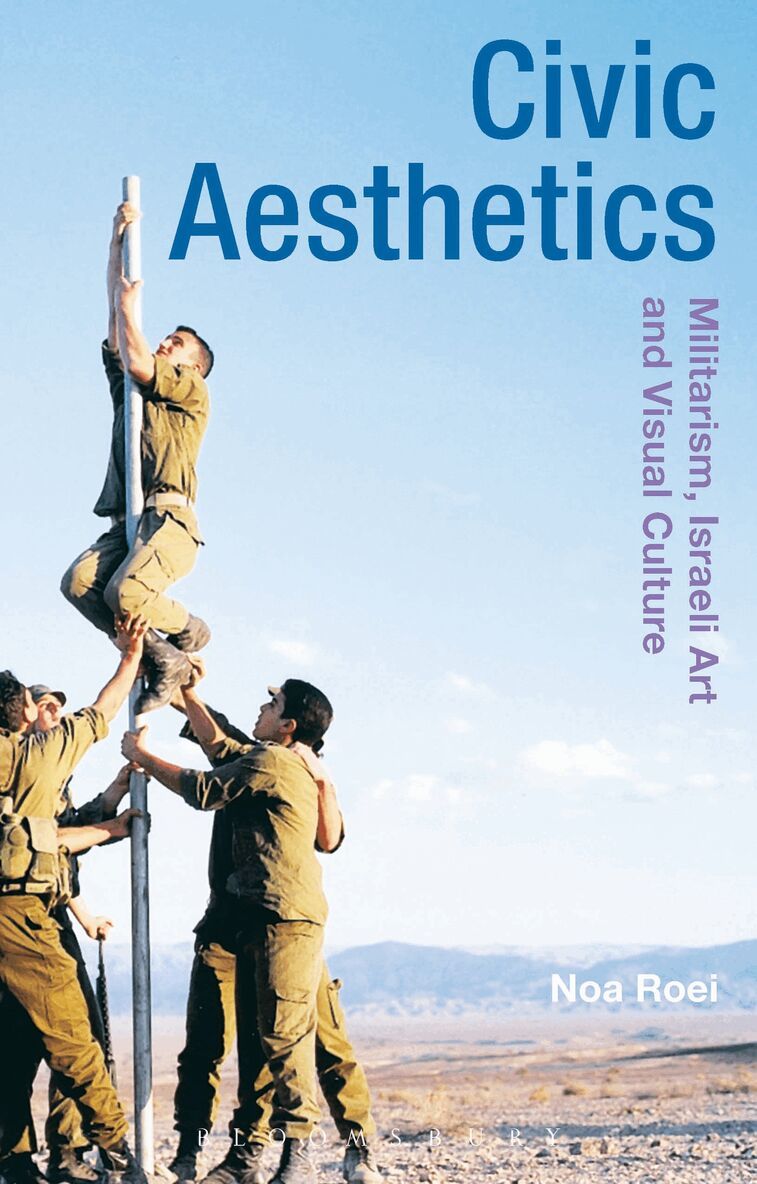
Awarded an Honourable Mention by the Association for Israeli Studies. Exploring the politics of the image in the context of Israeli militarized visual culture, Civic Aesthetics examines both the omnipresence of militarism in Israeli culture and society and the way in which this omnipresence is articulated, enhanced, and contested within local contemporary visual art. Looking at a range of contemporary artworks through the lens of “civilian militarism”, Roei employs the theory of various fields, including memory studies, gender studies, landscape theory, and aesthetics, to explore the potential of visual art to communicate military excesses to its viewers.This study builds on the specific sociological concerns of the chosen cases to discuss the complexities of visuality, the visible and non-visible, arguing for art's capacity to expose the scopic regimes that construct their visibility. Images and artworks are often read either out of context, on purely aesthetic or art-historical ground, or as cultural artefacts whose aesthetics play a minor role in their significance. This book breaks with both traditions as it approaches all art, both high and popular art, as part of the surrounding visual culture in which it is created and presented. This approach allows a new theory of the image to come forth, where the relation between the political and the aesthetic is one of exchange, rather than exclusion.
394 kr
Skickas inom 10-15 vardagar
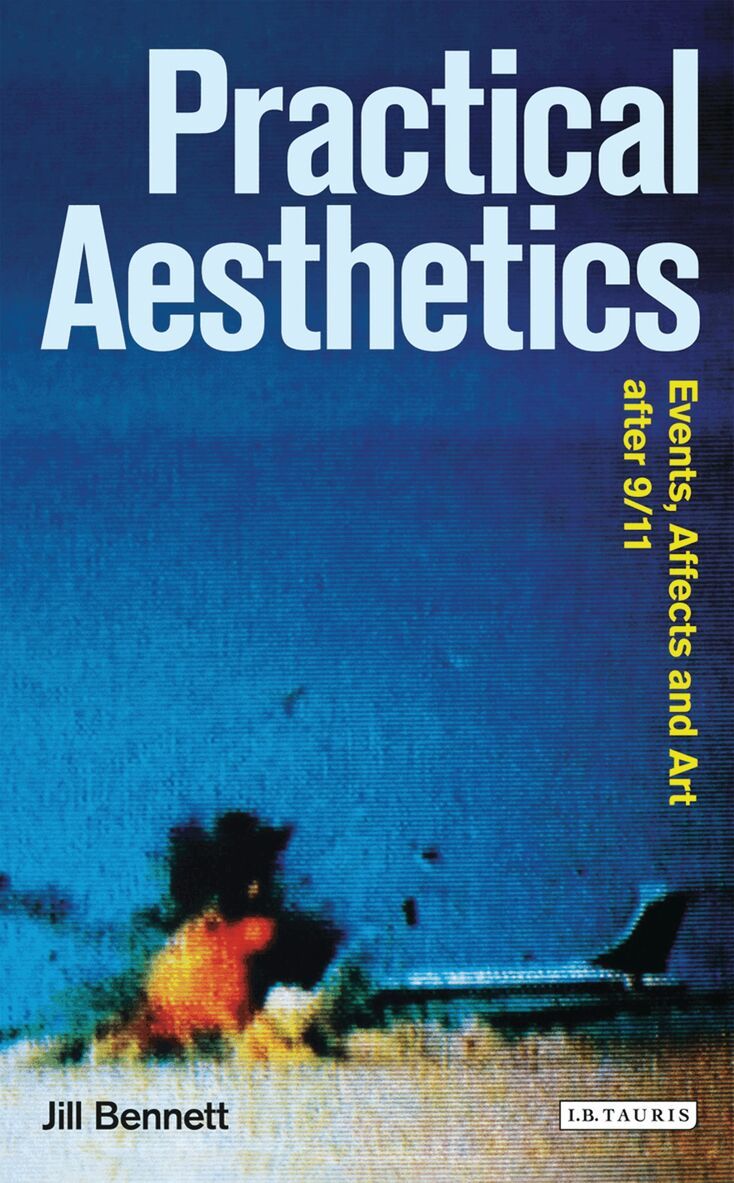
Practical Aesthetics brings a pursuit, long seen as rarefied and indulgent, out of the ivory tower and down to Ground Zero. Theoretically ambitious, fiercely original, it is a radical new account of art's rootedness in the social world and of the value of aesthetics to contemporary society. Beginning with the cultural watershed of 9/11, internationally-renowned scholar Jill Bennett explores artistic developments in relation to current events to argue that understanding aesthetics is as vital to social and political theory as it is to the arts. Taking as its starting-point a definition of art as the critical, self-conscious manipulation of media, Bennett examines a wide range of events from the "War on Terror" to the football World Cup to elucidate how aesthetic perception works in a social field, a process that begins with the rich emotional content of the visual imagery with which we are constantly bombarded. Now more than ever, Bennett argues, understanding how what we see informs what we do is not merely an artistic endeavour but one which is fundamental to our very being.Part of the Radical Aesthetics, Radical Art series, this book challenges the notion that art and 'real life' are somehow opposed. Practical Aesthetics proposes a new way of reading contemporary artworks - and a new understanding of how fundamental art is to our social survival.
351 kr
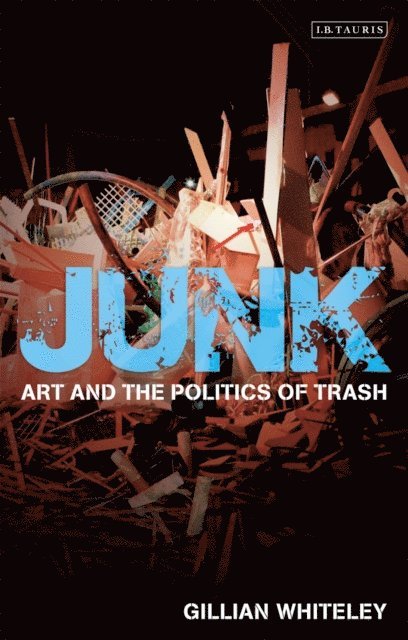
Skickas inom 10-15 vardagar
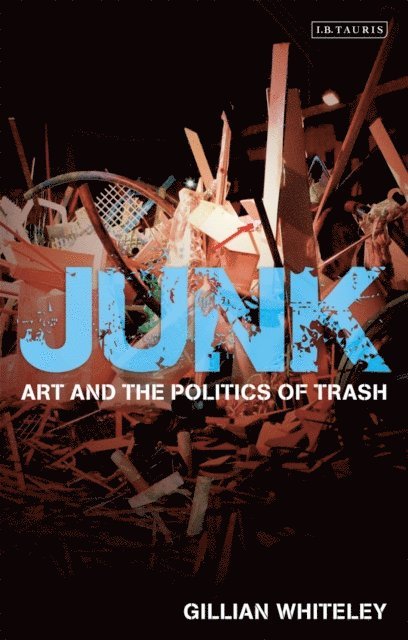
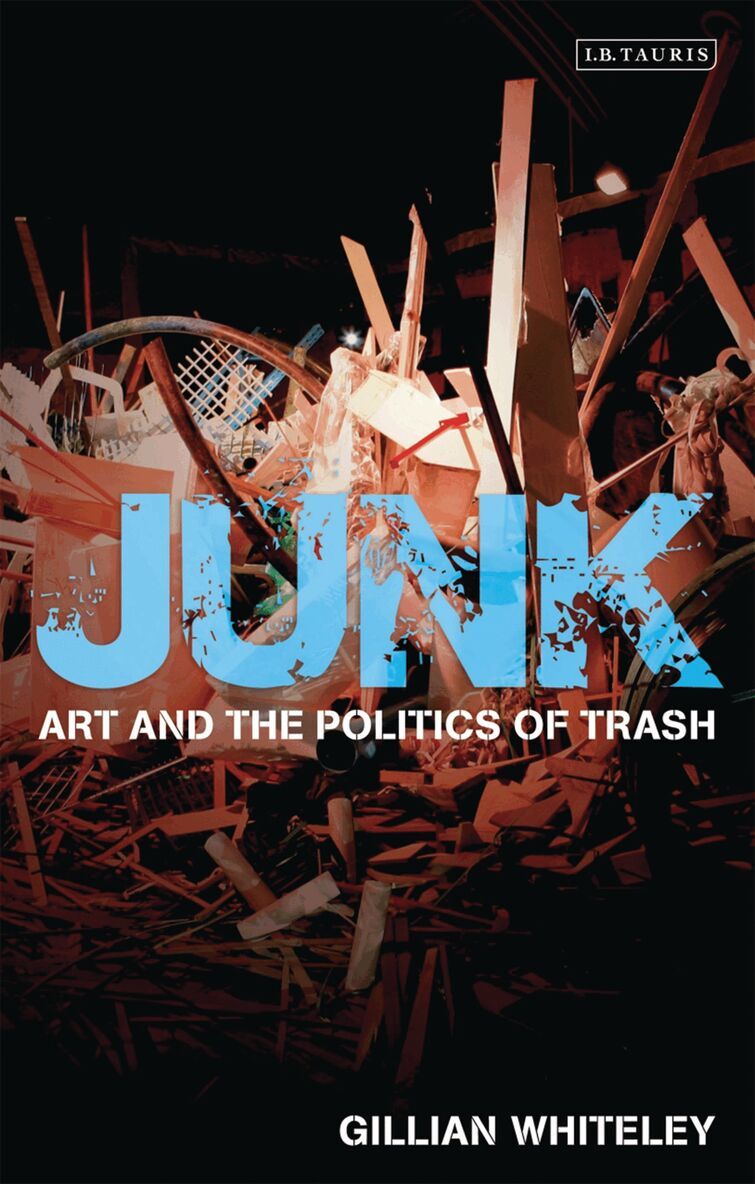
Trash, garbage, rubbish, dross, and detritus - in this enjoyably radical exploration of 'Junk', Gillian Whiteley rethinks art's historical and present appropriation of junk within our eco-conscious and globalised culture. She does this through an illustrated exploration of particular materials, key moments and locations and the telling of a panoply of trash narratives. Found and ephemeral materials are primarily associated with assemblage - object-based practices which emerged in the mid-1950s and culminated in the seminal exhibition 'The Art of Assemblage' in New York in 1961. With its deployment of the discarded and the filthy, Whiteley argues, assemblage has been viewed as a disruptive, transgressive artform that engaged with narratives of social and political dissent, often in the face of modernist condemnation as worthless kitsch. In the Sixties, parallel techniques flourished in Western Europe, the US and Australia but the idiom of assemblage and the re-use of found materials and objects - with artist as bricoleur - is just as prevalent now. This is a timely book that uncovers the etymology of waste and the cultures of disposability within these economies of wealth.