• Fri frakt över 249 kr
  • •
  • Snabba leveranser
  • •
  • Billiga böcker
Kundservice

Du är på sajten för privatpersoner.

Företag, bibliotek eller offentlig verksamhet?

Du handlar på classic.bokus.com, där alla dina funktioner finns intakta.
Till classic.bokus.com
Bokus logotyp. Gå till startsidan.
  • Erbjudanden
  • Student
  • Topplistor
  • Barn & ungdom
  • Bokus Play
  • E-böcker
  • Ljudböcker
  • Pocketböcker
  • Spel och pussel

5% studentrabatt – använd koden KURSBOK27 →

Sidfot

Mina sidor

    Hjälp

    • Kundservice
    • Vanliga frågor och svar
    • Frakt och leverans
    • Retur vid ångerrätt
    • Reklamera vara
    • Betalning
    • Köpvillkor
    • Allmänna villkor
    • Information om webbplatsens tillgänglighet

    Om Bokus

    • Om oss
    • Pressrum
    • För studenter
    • För företag
    • För bibliotek och offentlig verksamhet
    • För leverantörer
    • Hållbarhet

    Populärt

    • Aktuella erbjudanden
    • Presentkort
    • Studentlitteratur
    • Nya böcker
    • Topplistor
    • Signerade böcker
    • Engelska böcker

    Inspiration

    • Boktips
    • BookTok
    • Barnbokskaraktärer
    • Populära författare
    Logotyp för Bokus
    Följ oss på Facebook (extern länk)Följ oss på Instagram (extern länk)Följ oss på YouTube (extern länk)Följ oss på TikTok (extern länk)
    bokus @ CookiesAnpassa cookiesIntegritetspolicyKöpvillkor
    Till Citymail hemsida (extern länk)Till Budbee hemsida (extern länk)Till Postnord hemsida (extern länk)Till Schenker hemsida (extern länk)Till Early Bird hemsida (extern länk)Till Walleys hemsida (extern länk)
    1. Kultur
    2. Konstböcker
    3. Konstteori

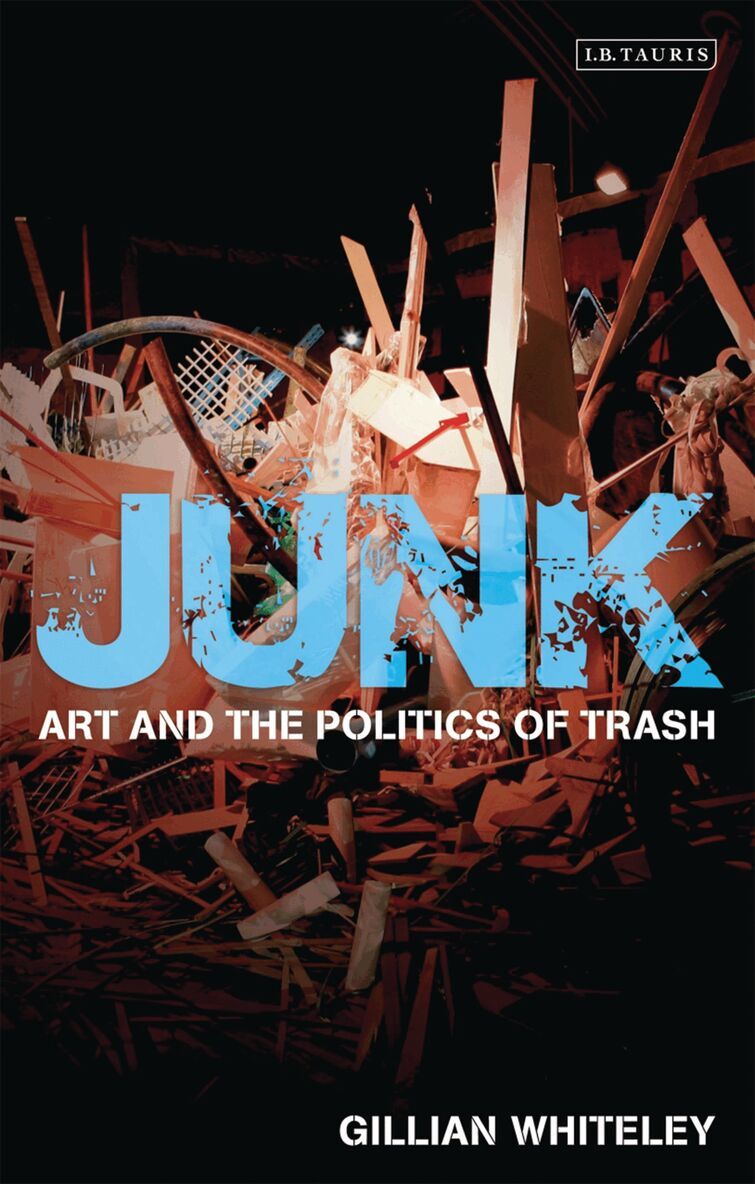
    Junk

    Art and the Politics of Trash

    AvGillian Whiteley

    Häftad, Engelska, 2010

    363 kr

    Beställningsvara. Skickas inom 10-15 vardagar. Fri frakt över 249 kr.

    Fler format och utgåvor

    E-bok

    389 kr

    E-bok

    389 kr

    Beskrivning

    Trash, garbage, rubbish, dross, and detritus - in this enjoyably radical exploration of 'Junk', Gillian Whiteley rethinks art's historical and present appropriation of junk within our eco-conscious and globalised culture. She does this through an illustrated exploration of particular materials, key moments and locations and the telling of a panoply of trash narratives. Found and ephemeral materials are primarily associated with assemblage - object-based practices which emerged in the mid-1950s and culminated in the seminal exhibition 'The Art of Assemblage' in New York in 1961. With its deployment of the discarded and the filthy, Whiteley argues, assemblage has been viewed as a disruptive, transgressive artform that engaged with narratives of social and political dissent, often in the face of modernist condemnation as worthless kitsch. In the Sixties, parallel techniques flourished in Western Europe, the US and Australia but the idiom of assemblage and the re-use of found materials and objects - with artist as bricoleur - is just as prevalent now. This is a timely book that uncovers the etymology of waste and the cultures of disposability within these economies of wealth.

    Produktinformation

    • Utgivningsdatum:2010-11-30
    • Mått:138 x 216 x 14 mm
    • Vikt:300 g
    • Format:Häftad
    • Språk:Engelska
    • Antal sidor:232
    • Förlag:Bloomsbury Publishing PLC
    • ISBN:9781848854130

    Utforska kategorier

    • Konstteori inom Kultur
    • Kulturvetenskap inom Samhälle och politik

    Mer om författaren

    Gillian Whiteley is a curator and is lecturer in visual and material culture at Loughborough University. Her publications include 'Telling Stories: Theories & Criticism, Cinematic Essay, Objects & Narrative' (2009). She is a regular contributor to 'The Art Book', for which during 2009 she has been Honorary Editor.

    Recensioner i media

    'A finite stockpile of Earth resources comprises humanity's shared inheritance with all other forms of life. What we are and all we own are fabricated out of this common pool. Even the molecules that comprise our bodies are merely on loan from the ecosystem. These molecules endure, but increasingly they endure stripped of their utility for humans and for the planet. Unwanted stuff is proliferating along with the nouns that describe them: discard, scrap, debris, rubbish, garbage, scrap, junk, litter, refuse, cast-off. Gillian Whiteley has written a thorough and compelling narrative of the role of trash as a source of artistic inspiration. Her discerning commentary has the power to transform readers into connoisseurs of waste.' - Linda Weintraub, author and publisher of Avant-Guardians: Textlets in Art and Ecology, published by Artnow Publications; 'Gillian Whiteley's well-researched contemporary art history is an important and scholarly book on the new aesthetics of eco-art. Trash, junk and what we discard are the real markers of our civilization. Whiteley sheds light on the artists who are tackling the growing landscape - the mountains and monuments of trash - of our temporary culture.' - Holly Crawford, Ph.D., Director AC Institute, NYC; 'In Junk Art: The Politics of Trash Gillian Whiteley offers a striking and timely assessment of the ways in which 'junk' has been appropriated, celebrated, recycled and claimed. More than a history of the uses of trash in modern art, Whiteley presents a powerful and necessary argument for the political and ecological implications of 'junk art' that, far from belonging to a historical past, continue to resonate today. This compelling book is required reading for anyone concerned with the role of art in society, and the critical and aesthetic status of objects which have been rejected, discarded and thrown away.' - Dr. Jo Applin, Lecturer in Modern and Contemporary Art, Department of History of Art, University of York

    Innehållsförteckning

    • DedicationContents AcknowledgmentsPreface - The ragman’s grandaughter Introduction - Culturalist bricolage and garbology Chapter One - Rehabilitating rubbish : histories, values, aesthetics Chapter Two - The cultural life of detritus : from objet trouvé to the art of assemblage Chapter Three - Dissenters, drifters and poets: ‘placing’ assemblage in the San Francisco Bay Area Chapter Four - The ‘comedy of waste’ : a load of British rubbish Chapter Five - Accumulations, panoplies and le quotidien: French practice and the transfiguration of everyday mess Chapter Six - Cross-cultural encounters and collisions : the Annandale Imitation Realists and Australian modernism Afterword - Digital ordure, leftovers and leavings BibliographyIndex