Jane Tormey - Böcker
Visar alla böcker från författaren Jane Tormey. Handla med fri frakt och snabb leverans.
20 produkter
20 produkter
555 kr
Skickas inom 10-15 vardagar
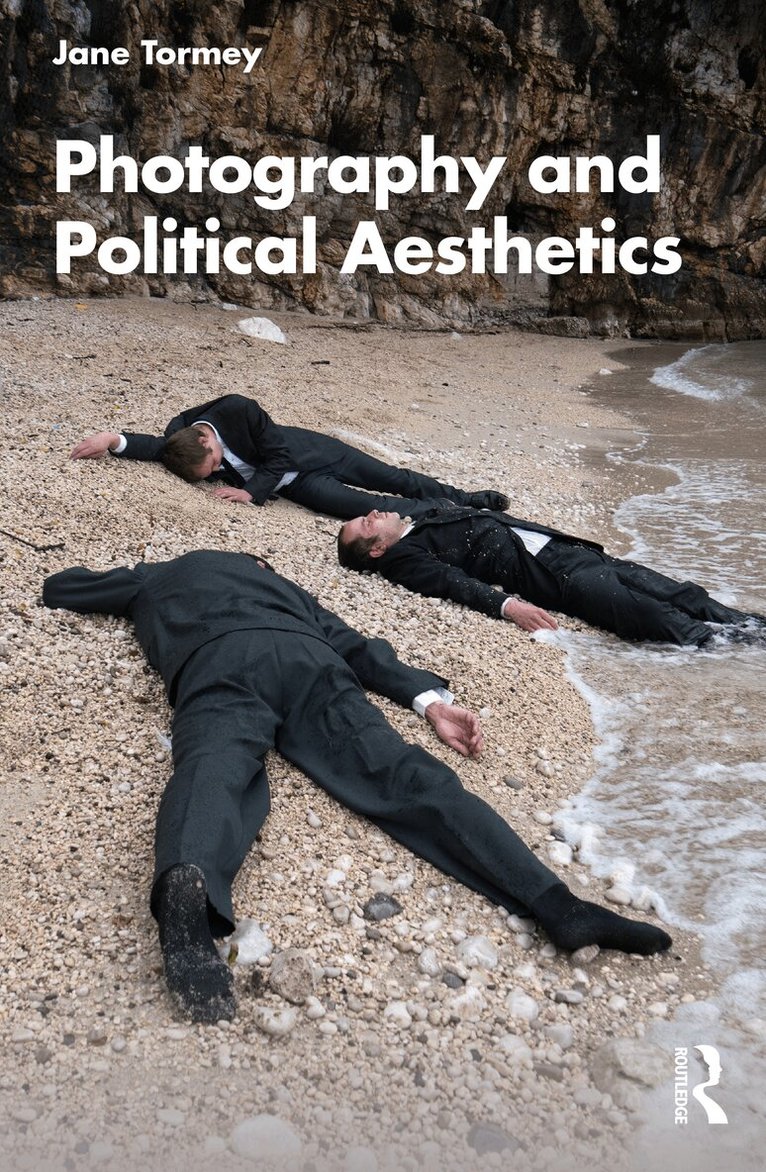
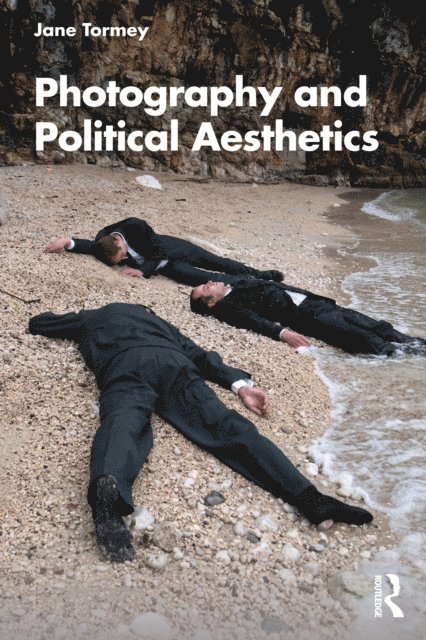
This accessible book explores the creative uses of photography with political purpose, both in terms of subject matter and of the political perspectives that have driven attitudes to viewing photographs. The shorter Part I reviews twentieth-century thinking that has influenced attitudes to photography and the political. Part II identifies the political ideas that drive practical strategies in the twenty-first century. It considers the politics of photography by looking at what affects people’s lives and agency: attitudes to difference and identity; power relations between institutions, individuals, and communities; the impact of trauma and global change. With a focus on the exchange of ideas between visual practice and theories, a selection of projects are examined from a range of perspectives, such as post-colonial and feminist thinking, post-humanism, and cultural and social theory, with references ranging from Michel Foucault and Judith Butler to Achille Mbembe, Bruno Latour, and Chantal Mouffe. The pursuit of ‘political aesthetics’ borrows from Jacques Rancière’s ideas about cultural production. Photography and Political Aesthetics identifies photography as politically productive when positioned within political movements, and champions practices that perform, investigate, or give attention to presentation and public dissemination. This book is ideally suited to students studying photography, art and aesthetics, visual politics, and cultural studies, and researchers across the fields of photography, media, art, and politics.
2 166 kr
Skickas inom 10-15 vardagar
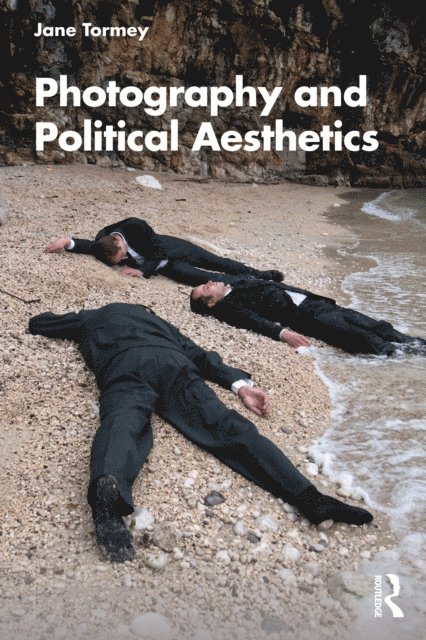
This accessible book explores the creative uses of photography with political purpose, both in terms of subject matter and of the political perspectives that have driven attitudes to viewing photographs. The shorter Part I reviews twentieth-century thinking that has influenced attitudes to photography and the political. Part II identifies the political ideas that drive practical strategies in the twenty-first century. It considers the politics of photography by looking at what affects people’s lives and agency: attitudes to difference and identity; power relations between institutions, individuals, and communities; the impact of trauma and global change. With a focus on the exchange of ideas between visual practice and theories, a selection of projects are examined from a range of perspectives, such as post-colonial and feminist thinking, post-humanism, and cultural and social theory, with references ranging from Michel Foucault and Judith Butler to Achille Mbembe, Bruno Latour, and Chantal Mouffe. The pursuit of ‘political aesthetics’ borrows from Jacques Rancière’s ideas about cultural production. Photography and Political Aesthetics identifies photography as politically productive when positioned within political movements, and champions practices that perform, investigate, or give attention to presentation and public dissemination. This book is ideally suited to students studying photography, art and aesthetics, visual politics, and cultural studies, and researchers across the fields of photography, media, art, and politics.
2 306 kr
Skickas inom 10-15 vardagar
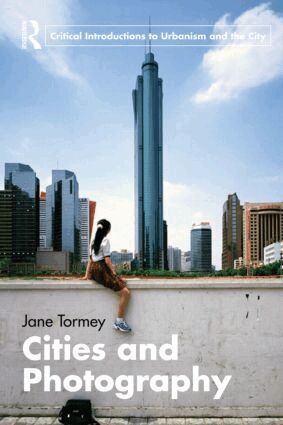
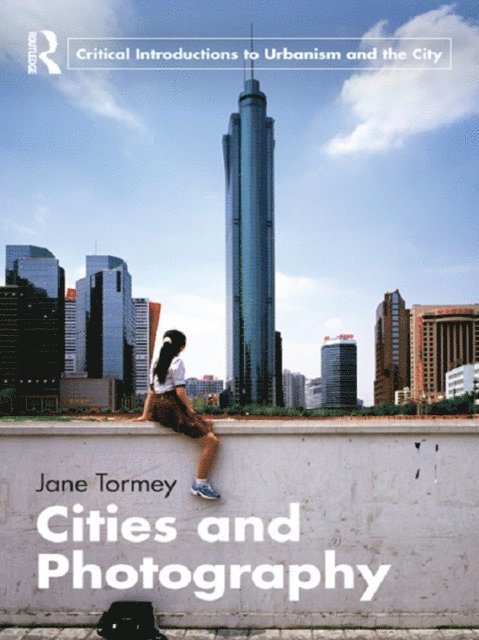
Photographs display attitudes, agency and vision in the way cities are documented and imagined. Cities and Photography explores the relationship between people and the city, visualized in photographs. It provides a visually focused examination of the city and urbanism for a range of different disciplines: across the social sciences and humanities, photography and fine art.This text offers different perspectives from which to view social, political and cultural ideas about the city and urbanism, through both verbal discussion and photographic representation. It provides introductions to theoretical conceptions of the city that are useful to photographers addressing urban issues, as well as discussing themes that have preoccupied photographers and informed cultural issues central to a discussion of city. This text interprets the city as a spatial network that we inhabit on different conceptual, psychological and physical levels, and gives emphasis to how people operate within, relate to, and activate the city via construction, habitation and disruption. Cities and Photography aims to demonstrate the potential of photography as a contributor to commentary and analytical frameworks: what does photography as a medium provide for a vision of ‘city’ and what can photographs tell us about cities, histories, attitudes and ideas?This introductory text is richly illustrated with case studies and over 50 photographs, summarizing complex theory and analysis with application to specific examples. Emphasis is given to international, contemporary photographic projects to provide provide focus for the discussion of theoretical conceptions of the city through the analysis of photographic interpretation and commentary. This text will be of great appeal to those interested in Photography, Urban Studies and Human Geography.
689 kr
Skickas inom 10-15 vardagar
Photographs display attitudes, agency and vision in the way cities are documented and imagined. Cities and Photography explores the relationship between people and the city, visualized in photographs. It provides a visually focused examination of the city and urbanism for a range of different disciplines: across the social sciences and humanities, photography and fine art.This text offers different perspectives from which to view social, political and cultural ideas about the city and urbanism, through both verbal discussion and photographic representation. It provides introductions to theoretical conceptions of the city that are useful to photographers addressing urban issues, as well as discussing themes that have preoccupied photographers and informed cultural issues central to a discussion of city. This text interprets the city as a spatial network that we inhabit on different conceptual, psychological and physical levels, and gives emphasis to how people operate within, relate to, and activate the city via construction, habitation and disruption. Cities and Photography aims to demonstrate the potential of photography as a contributor to commentary and analytical frameworks: what does photography as a medium provide for a vision of ‘city’ and what can photographs tell us about cities, histories, attitudes and ideas?This introductory text is richly illustrated with case studies and over 50 photographs, summarizing complex theory and analysis with application to specific examples. Emphasis is given to international, contemporary photographic projects to provide provide focus for the discussion of theoretical conceptions of the city through the analysis of photographic interpretation and commentary. This text will be of great appeal to those interested in Photography, Urban Studies and Human Geography.
1 100 kr
Skickas inom 5-8 vardagar
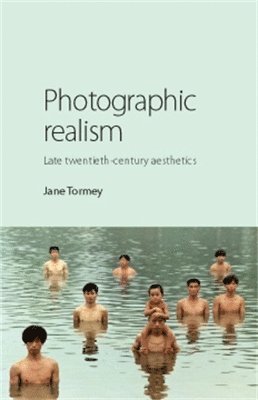
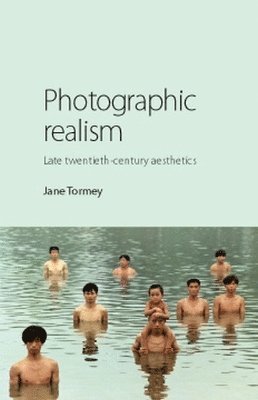
Photographic realism: Late twentieth-century aesthetics provides an accessible and useful introduction to uses of photography in art practice, and relates them to wider cultural ideas. Focusing on conceptual and political projects between 1970 and the turn of the century, it draws parallels between issues discussed in theory and those displayed visually in practice. Tormey discusses a dynamic era in photography’s history, which follows the influences of conceptual art and shifts in thinking about representation and subjectivity. The author moves away from the preoccupations of modernist photography to outline a photographic aesthetic that signals a direction for development in the twenty-first century, exampled here by the complex practices of Chinese photography. This book emphasises how photographs construct ideas, make comments and promote thought – philosophically, culturally and politically.
696 kr
Skickas inom 10-15 vardagar
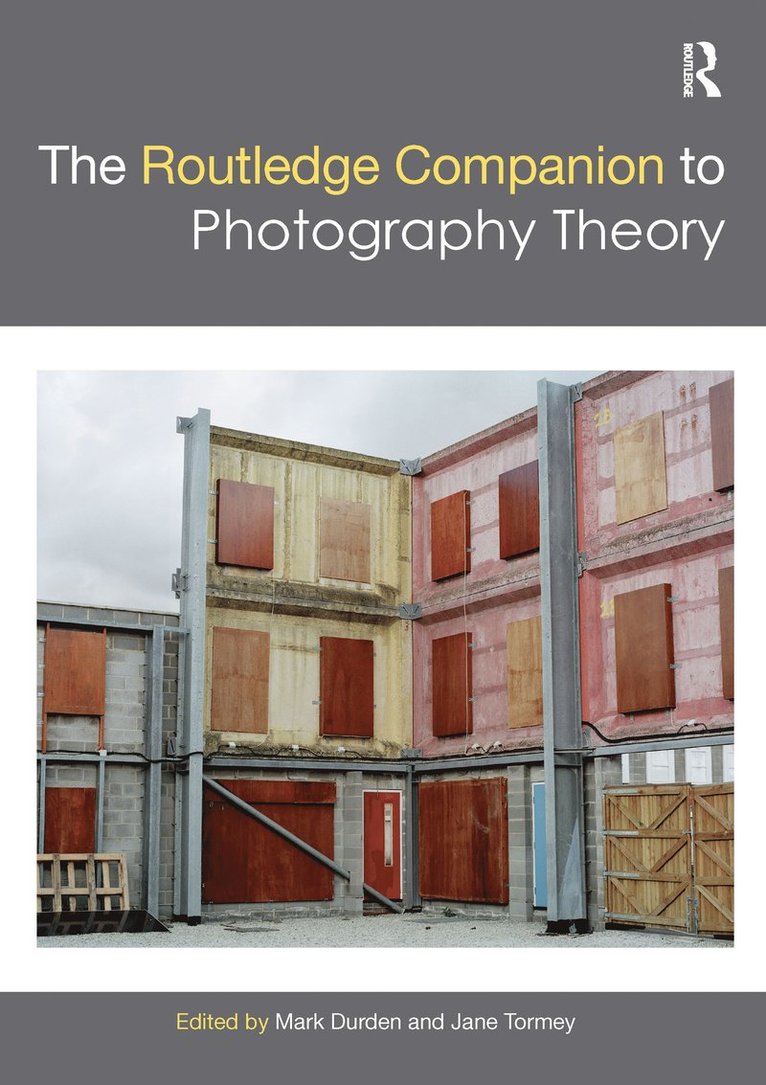
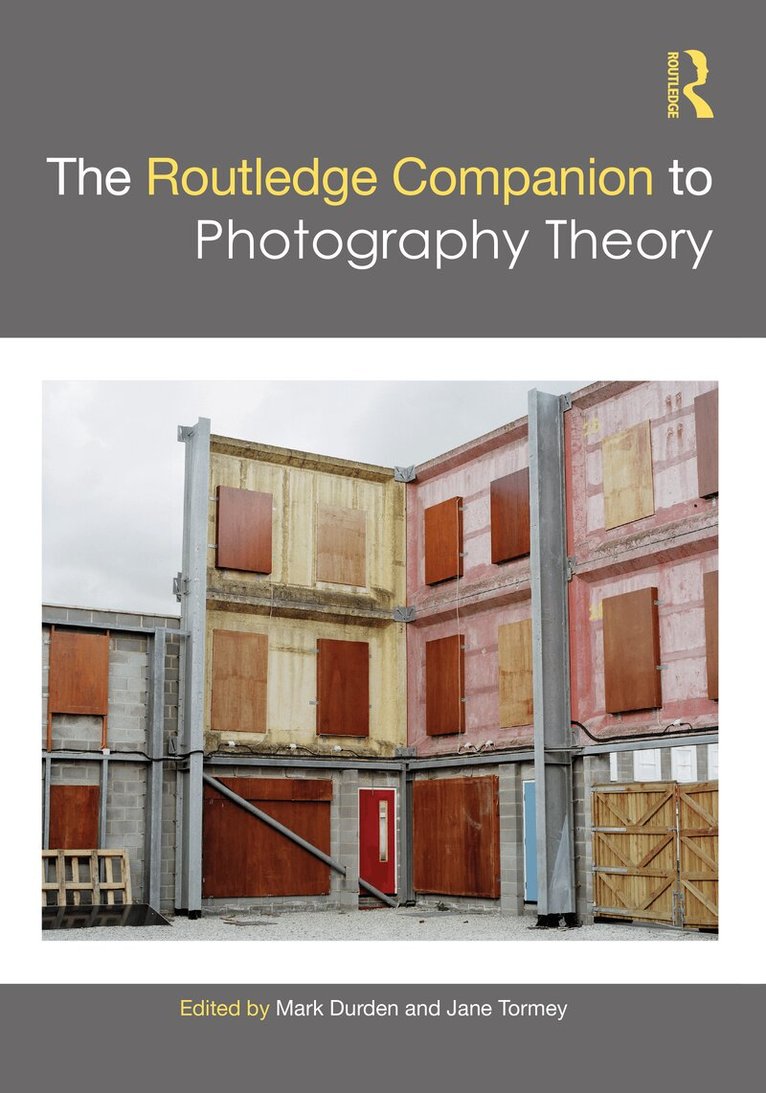
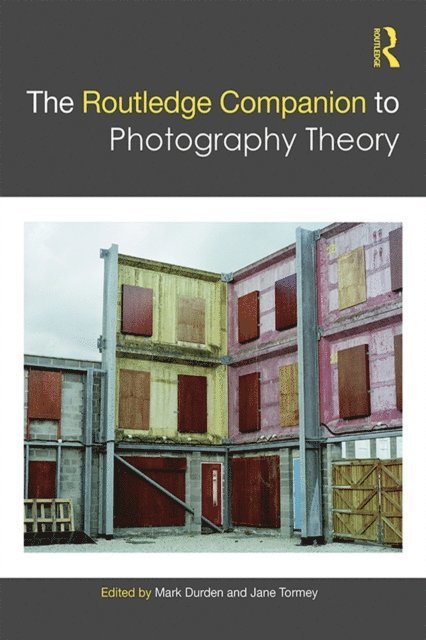
With newly commissioned essays by some of the leading writers on photography today, this companion tackles some of the most pressing questions about photography theory’s direction, relevance, and purpose. This book shows how digital technologies and global dissemination have radically advanced the pluralism of photographic meaning and fundamentally transformed photography theory. Having assimilated the histories of semiotic analysis and post-structural theory, critiques of representation continue to move away from the notion of original and copy and towards materiality, process, and the interdisciplinary. The implications of what it means to ‘see’ an image is now understood to encompass, not only the optical, but the conceptual, ethical, and haptic experience of encountering an image. The 'fractal' is now used to theorize the new condition of photography as an algorithmic medium and leads us to reposition our relationship to photographs and lend nuances to what essentially underlies any photography theory — that is, the relationship of the image to the real world and how we conceive what that means. Diverse in its scope and themes, The Routledge Companion to Photography Theory is an indispensable collection of essays and interviews for students, researchers, and teachers. The volume also features extensive images, including beautiful colour plates of key photographs.
3 386 kr
Skickas inom 10-15 vardagar
With newly commissioned essays by some of the leading writers on photography today, this companion tackles some of the most pressing questions about photography theory’s direction, relevance, and purpose. This book shows how digital technologies and global dissemination have radically advanced the pluralism of photographic meaning and fundamentally transformed photography theory. Having assimilated the histories of semiotic analysis and post-structural theory, critiques of representation continue to move away from the notion of original and copy and towards materiality, process, and the interdisciplinary. The implications of what it means to ‘see’ an image is now understood to encompass, not only the optical, but the conceptual, ethical, and haptic experience of encountering an image. The 'fractal' is now used to theorize the new condition of photography as an algorithmic medium and leads us to reposition our relationship to photographs and lend nuances to what essentially underlies any photography theory — that is, the relationship of the image to the real world and how we conceive what that means. Diverse in its scope and themes, The Routledge Companion to Photography Theory is an indispensable collection of essays and interviews for students, researchers, and teachers. The volume also features extensive images, including beautiful colour plates of key photographs.
338 kr
Skickas inom 7-10 vardagar
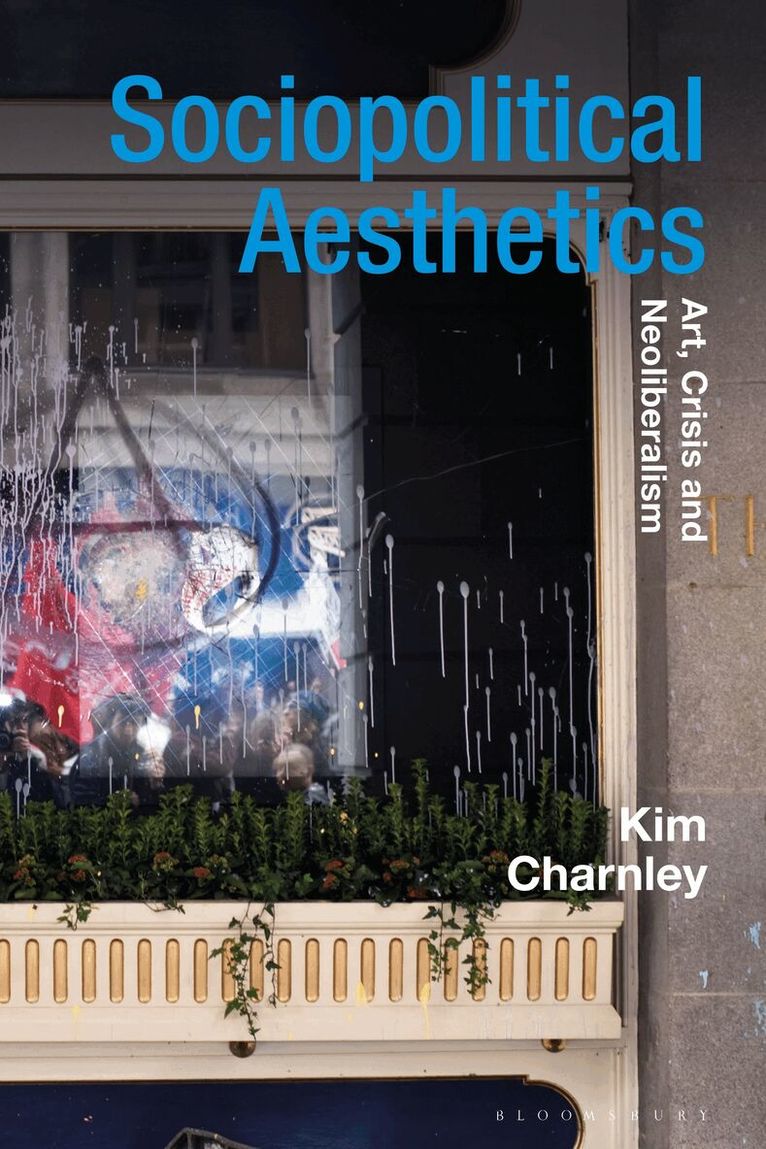
Since the turn of the millennium, protests, meetings, schoolrooms, reading groups and many other social forms have been proposed as artworks or, more ambiguously, as interventions that are somewhere between art and politics. This book surveys the resurgence of politicized art, tracing key currents of theory and practice, and mapping them against the dominant experience of the last decade: crisis.Drawing upon leading artists and theorists within this field – including Hito Steyerl, Marina Vishmidt, Art & Language, Gregory Sholette, John Roberts and Dave Beech – this book argues for a new interpretation of the relationship between socially-engaged art and neoliberalism. Kim Charnley explores the possibility that neoliberalism has destabilized the art system so that it is no longer able to absorb and neutralize dissent. As a result, the relationship between aesthetics and politics is experienced with fresh urgency and militancy.
661 kr
Skickas
Since the turn of the millennium, protests, meetings, schoolrooms, reading groups and many other social forms have been proposed as artworks or, more ambiguously, as interventions that are somewhere between art and politics. This book surveys the resurgence of politicized art, tracing key currents of theory and practice, and mapping them against the dominant experience of the last decade: crisis.Drawing upon leading artists and theorists within this field – including Hito Steyerl, Marina Vishmidt, Art & Language, Gregory Sholette, John Roberts and Dave Beech – this book argues for a new interpretation of the relationship between socially-engaged art and neoliberalism. Kim Charnley explores the possibility that neoliberalism has destabilized the art system so that it is no longer able to absorb and neutralize dissent. As a result, the relationship between aesthetics and politics is experienced with fresh urgency and militancy.
806 kr
Skickas
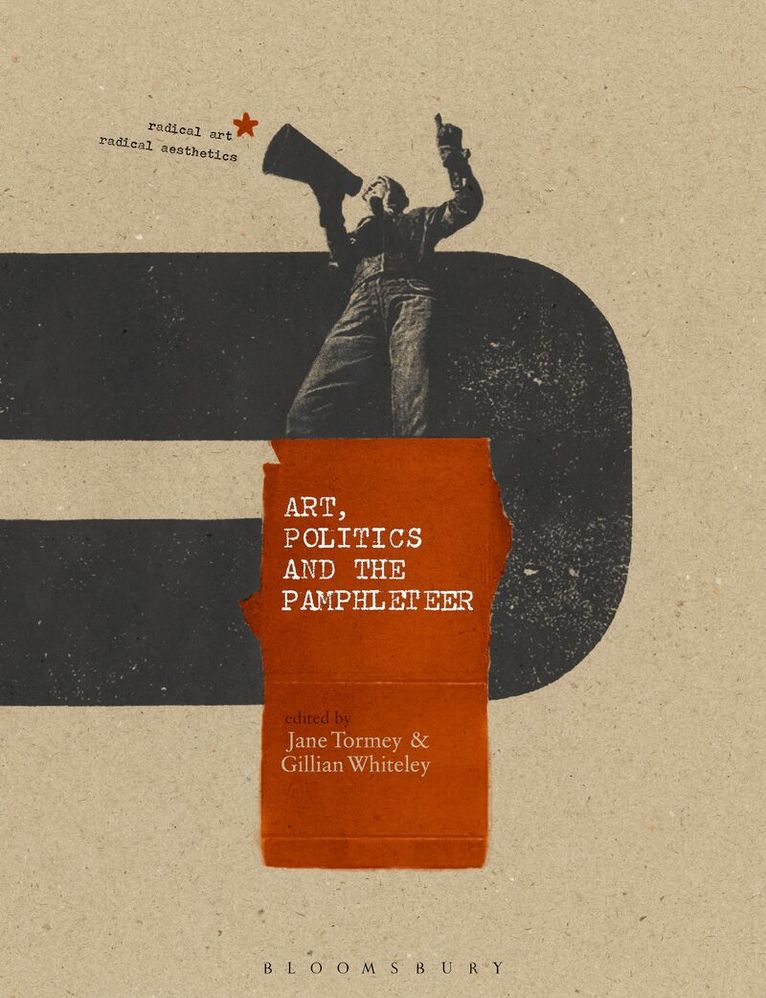
Art, Politics and the Pamphleteer brings together a collection of text-based and visual essays, commissioned artworks and graphics. This richly illustrated book responds to the concept, aesthetics and function of the political pamphlet. It is diverse in content, interpreting the ‘pamphlet’ in the broadest terms, and encompassing a number of case studies that offer historical or specific examples of contemporary pamphleteering practice that can be seen to perform ‘a clear political implication’ or protest. Besides exploring the radical history and diverse cultures of the pamphlet, it also celebrates the rich visual rhetoric, typography and contemporary relevance of the format for both artists and activists. Contributions include an historical overview and essays by: Andy Abbott, Angeliki Avgitidu, Aziz Choudry and Désirée Rochat, David Murrieta Flores, Michelle Kempson, Pil and Galia Kollectiv, Rachel Schreiber, Jane Tormey, Gillian Whiteley; visual contributions by Gary Anderson and Steven Shakespeare, Ruth Beale, Ami Clarke, Common Culture, Jeremy Deller, Freee, Patrick Goddard, Gavin Grindon, Ferenc Grof, Marc Herbst, Joanne Lee, Josh MacPhee, Manual Labours, Mark McGowan, Minute Works, Chris Morton, radicalreThink, Hester Reeve, Oliver Ressler, Greg Sholette & Christopher Darling, Laura Wild, Andrew Wilson. As the book was conceived as predominantly visual from the outset, the book concept has been a collaboration with The Little Riot Press (Phil Eastwood and Chris Dunne). Overall, an aesthetic of protest and propaganda was considered integral to the design to reiterate the generally handmade, analogue techniques found in political pamphlets. The Little Riot Press have thus approached the illustration and overall visual cohesion from the perspective of the radical artist pamphleteer. www.thelittleriotpress.com
408 kr
Skickas inom 10-15 vardagar
Art, Politics and the Pamphleteer brings together a collection of text-based and visual essays, commissioned artworks and graphics. This richly illustrated book responds to the concept, aesthetics and function of the political pamphlet. It is diverse in content, interpreting the ‘pamphlet’ in the broadest terms, and encompassing a number of case studies that offer historical or specific examples of contemporary pamphleteering practice that can be seen to perform ‘a clear political implication’ or protest. Besides exploring the radical history and diverse cultures of the pamphlet, it also celebrates the rich visual rhetoric, typography and contemporary relevance of the format for both artists and activists. Contributions include an historical overview and essays by: Andy Abbott, Angeliki Avgitidu, Aziz Choudry and Désirée Rochat, David Murrieta Flores, Michelle Kempson, Pil and Galia Kollectiv, Rachel Schreiber, Jane Tormey, Gillian Whiteley; visual contributions by Gary Anderson and Steven Shakespeare, Ruth Beale, Ami Clarke, Common Culture, Jeremy Deller, Freee, Patrick Goddard, Gavin Grindon, Ferenc Grof, Marc Herbst, Joanne Lee, Josh MacPhee, Manual Labours, Mark McGowan, Minute Works, Chris Morton, radicalreThink, Hester Reeve, Oliver Ressler, Greg Sholette & Christopher Darling, Laura Wild, Andrew Wilson. As the book was conceived as predominantly visual from the outset, the book concept has been a collaboration with The Little Riot Press (Phil Eastwood and Chris Dunne). Overall, an aesthetic of protest and propaganda was considered integral to the design to reiterate the generally handmade, analogue techniques found in political pamphlets. The Little Riot Press have thus approached the illustration and overall visual cohesion from the perspective of the radical artist pamphleteer. www.thelittleriotpress.com
461 kr
Skickas inom 10-15 vardagar
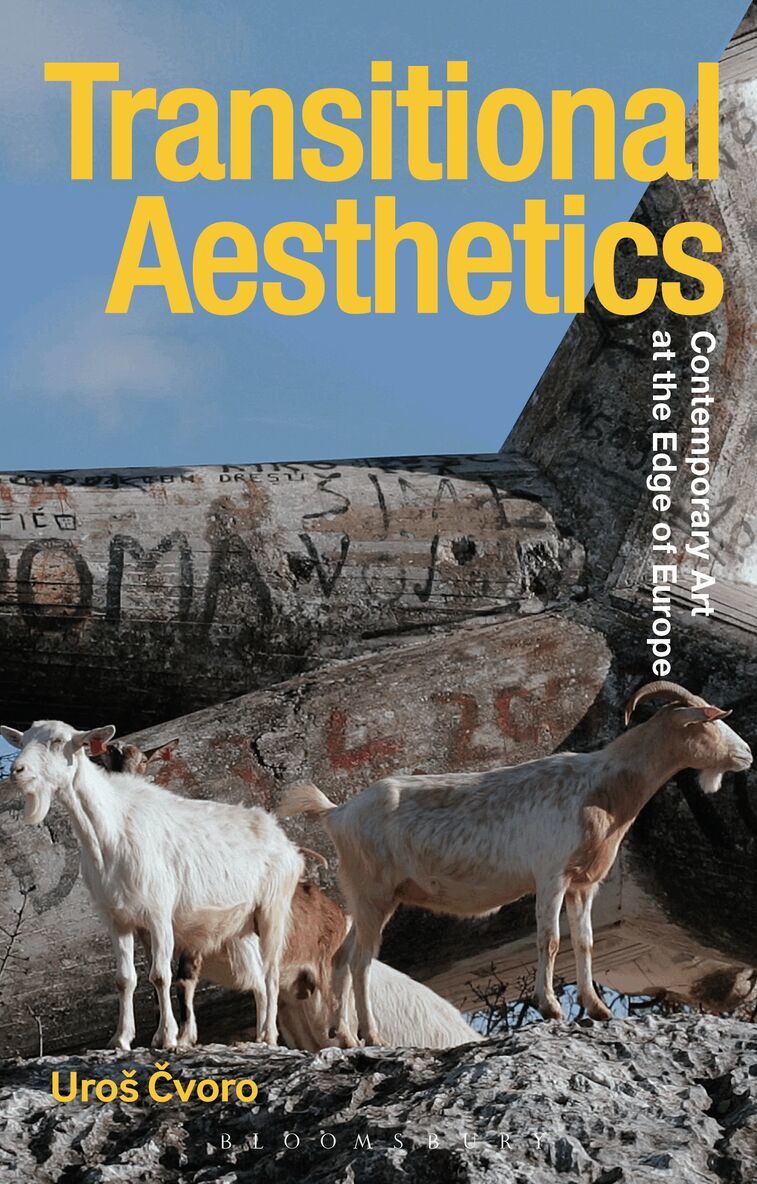
Using the way in which artists from the former Eastern bloc perceive the experience of EU integration and transition from a Soviet past as a conceptual launching pad, this book explores how artists critically inhabit a permanent state of ‘in-between’ to capture the simultaneous existence of multiple and overlapping temporalities. Transitional aesthetics are artistic strategies that disrupt and interrogate ideologically loaded trajectories of cultural, social, or political transition. Examples of such trajectories include the movement from totalitarianism to democracy (post-socialism), from war to freedom and reconciliation (post-conflict), and from the edges of Europe to its centre (inclusion in the European Union). These transitional states include: the future orientation of (failed) socialism and the perpetual present of global capital; the history of unresolved past conflicts and reconciliation through ‘transitional justice’; nationalist obsessions with the past and the cultural appeal of kitsch and retro objects in fashion, film and music; and the uncertain future promise of EU membership and resurgence of global right-wing populism, headed by figures like Berlusconi, Le Pen, and Trump. Transitional Aesthetics shows that apprehending time in contemporary art is fundamental to capturing the lived experience of a permanent state of instability; particularly relevant to Europe in the contemporary moment. In a world that has entered ‘accelerated transition’ towards instability, understanding this experience has broad and resonating relevance for politics, art and society.
434 kr
Skickas inom 10-15 vardagar
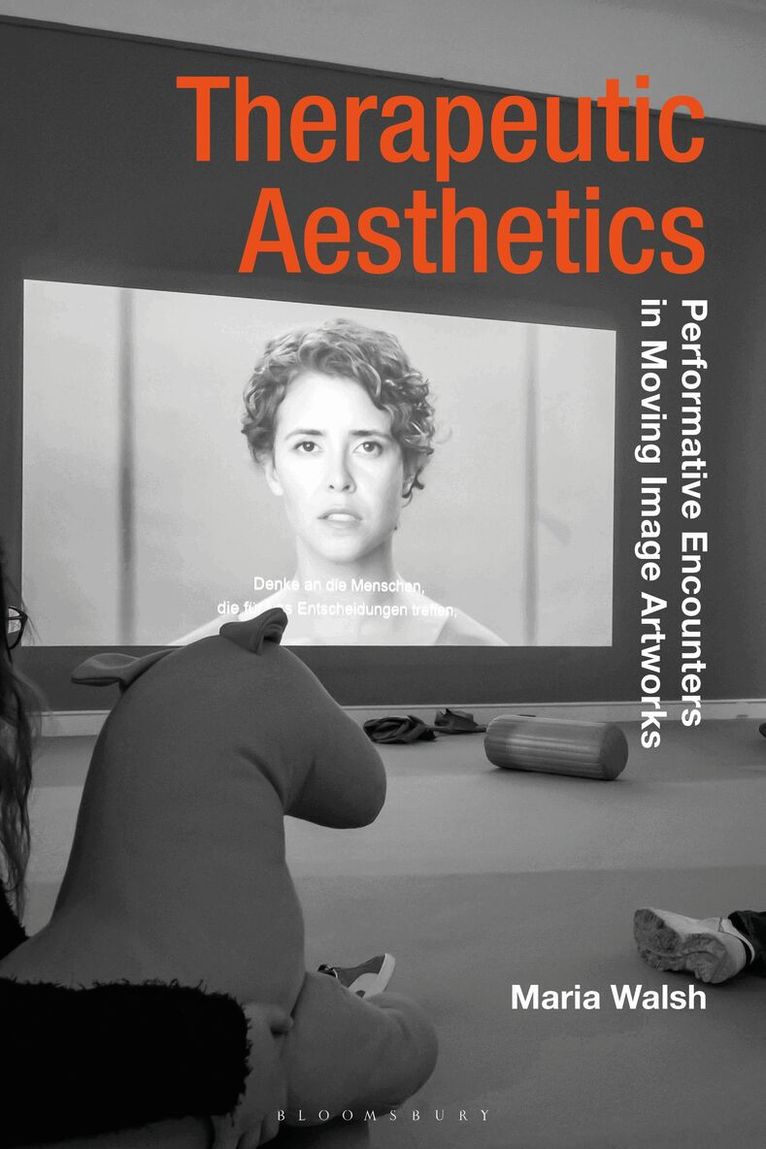
Therapeutic Aesthetics focuses on moving image artworks as expressive of social psychopathological symptoms that arise in a climate of neoliberal cognitive capitalism, such as anxiety, depression, post- traumatic stress disorder and burnout. The book is not about engaging with art as a therapy to express personal traumas and symptoms but proposes that a selective range of contemporary moving image artworks performatively mimic the psychopathologies of cognitive capitalism in a conflictual manner. Engaging with a range of philosophers and theorists, including Bernard Stiegler, Franco ‘Bifo’ Berardi, Judith Butler, Félix Guattari, and Eva Illouz, Maria Walsh proposes that there is no cure, only provisional moments of reparation. To address this idea, she uses the concept of the pharmakon, the Greek term for drug which means both remedy and poison. Through this approach, she maintains the conflict between the curative and the harmful in relation to moving image artworks by artists such as Omer Fast, Liz Magic Laser, Leigh Ledare, Oriana Fox, Gillian Wearing and Rehana Zaman. As transitional spaces, these artworks can enable a toleration of anxiety and conflict that may offer another kind of aesthetic self-cultivation than the subjection to biopolitical governance in cognitive capitalism.
1 209 kr
Skickas inom 10-15 vardagar
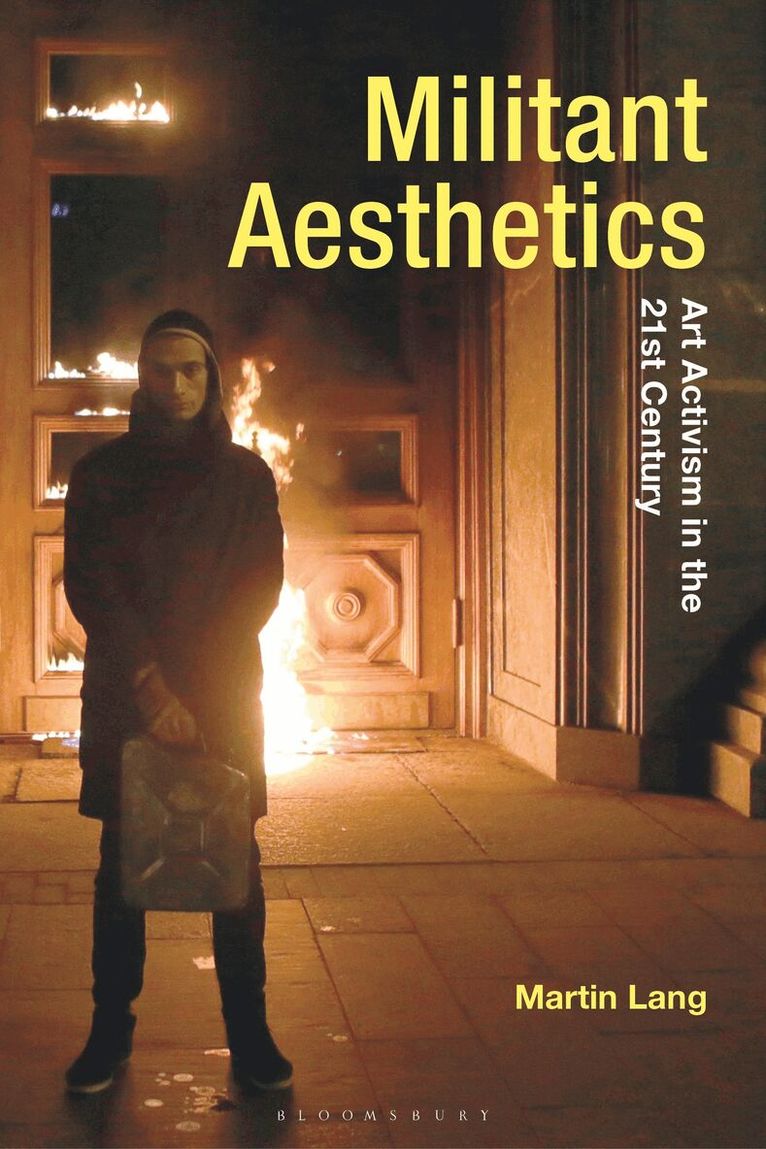
In 2008 an Iraqi artist was waterboarded as performance art. In 2010 artists upturned police cars in Russia. But what exactly do we mean by militant art and aesthetics? Bringing together the philosophy of art and politics, Martin Lang provides a comprehensive examination of militant art activism: its history, its advocates and the aesthetic theory behind it. Protest art is not a new concept and yet this book argues that after the terrorist attacks of 9/11 distinctly 21st-century forms of art activism emerged. On the one hand these became militant as artists retained belief in the possibility of radical political change through art. On the other hand, this belief developed in a hostile environment, when anti-terror legislations reclassified activists and artists as terrorists. Through first-hand interviews and experiences, Militant Aesthetics sheds light on numerous international case studies of modern art activism and the different ways they can be classified as militant. Many artists and collectives, including Grupo Etcétera in Buenos Aries, are prepared to break the law and risk arrest for their art. Others like Thomas Bresolin’s Militant Training Camp utilise military uniforms in violent performances that connect with public anger, and artists such as Zthoven in the Czech Republic occupy, hack, antagonise and disrupt in increasingly militant ways. Combining these examples with the pioneering thought of Badiou, Žižek, Rancière and Mouffe, as well as up-to-date scholarship from Bishop, Léger and others, Lang investigates the instances, attributes and rules of militant art in order to introduce a new overall theory of 21st-century militant aesthetics.
394 kr
Skickas inom 10-15 vardagar
In 2008 an Iraqi artist was waterboarded as performance art. In 2010 artists upturned police cars in Russia. But what exactly do we mean by militant art and aesthetics? Bringing together the philosophy of art and politics, Martin Lang provides a comprehensive examination of militant art activism: its history, its advocates and the aesthetic theory behind it. Protest art is not a new concept and yet this book argues that after the terrorist attacks of 9/11 distinctly 21st-century forms of art activism emerged. On the one hand these became militant as artists retained belief in the possibility of radical political change through art. On the other hand, this belief developed in a hostile environment, when anti-terror legislations reclassified activists and artists as terrorists. Through first-hand interviews and experiences, Militant Aesthetics sheds light on numerous international case studies of modern art activism and the different ways they can be classified as militant. Many artists and collectives, including Grupo Etcétera in Buenos Aries, are prepared to break the law and risk arrest for their art. Others like Thomas Bresolin’s Militant Training Camp utilise military uniforms in violent performances that connect with public anger, and artists such as Zthoven in the Czech Republic occupy, hack, antagonise and disrupt in increasingly militant ways. Combining these examples with the pioneering thought of Badiou, Žižek, Rancière and Mouffe, as well as up-to-date scholarship from Bishop, Léger and others, Lang investigates the instances, attributes and rules of militant art in order to introduce a new overall theory of 21st-century militant aesthetics.
484 kr
Kommande
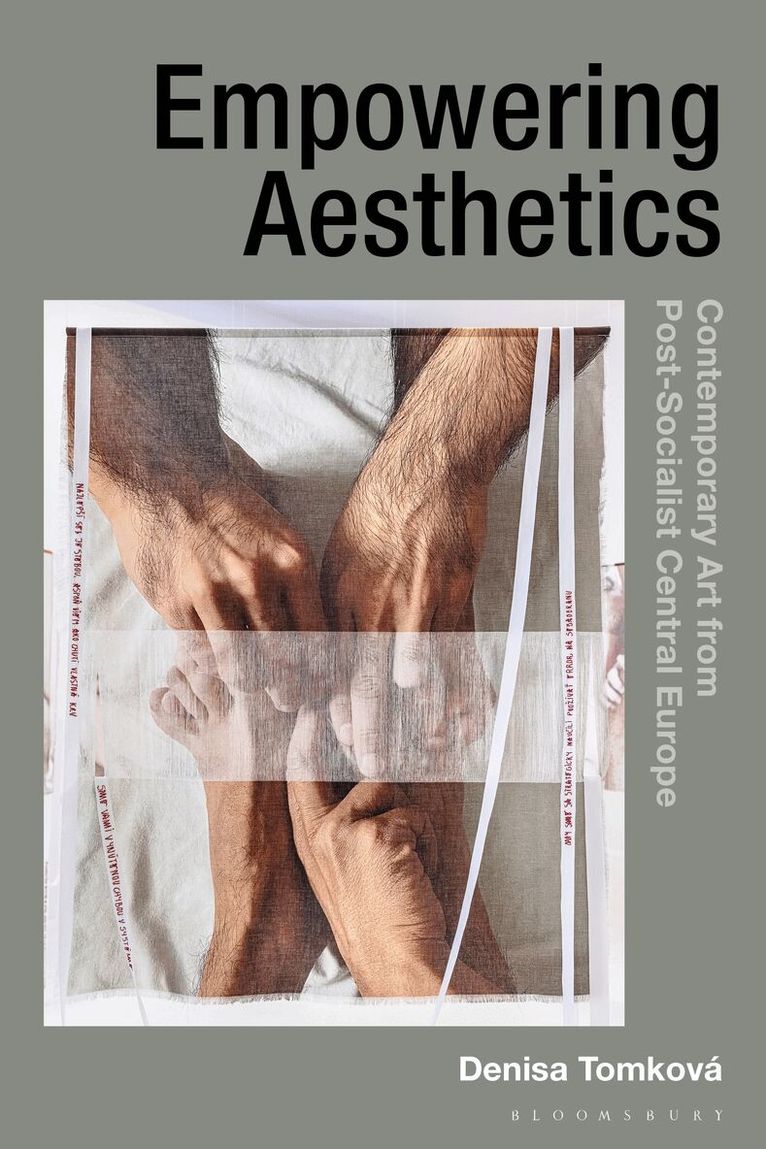
The artistic strategies explored in this book are essential tools in fostering emancipatory consciousness in marginalized communities. Empowering Aesthetics weaves together case studies from the post-socialist Central European region (the Czech Republic, Hungary, Poland, and Slovakia) to show how art can provide critical support to gender, sexual and racialized groups. The empowering aesthetics employed by the artists in this book are not only urgent and critical, but also vitally personal, each chapter building a clear understanding of what social equality looks like in these specific political and geographic contexts. These practices are a response to the rise of nationalism, homophobia, transphobia, and xenophobia in the region. Engaging with contemporary philosophy and feminist, queer and decolonial (art) theory (Sara Ahmed, Judith Butler, Angela Dimitrakaki, Boris Groys, Jack Halberstam, Grant Kester, Ewa Majewska, Paul B. Preciado, Legacy Russell, Madina Tlostanova, etc.), this book highlights a shift in the understanding of the artwork and aesthetic experience that is enduring rather than immediate, drawing attention to a given community. The projects discussed in this book are created with the artist and the wider community or family in mind and are created in intersubjective connection with others. This volume highlights that empowering aesthetics perform an important function in challenging these narratives while contributing to building an inclusive collective memory that emancipates systematically marginalized individuals and communities.
381 kr
Skickas inom 10-15 vardagar
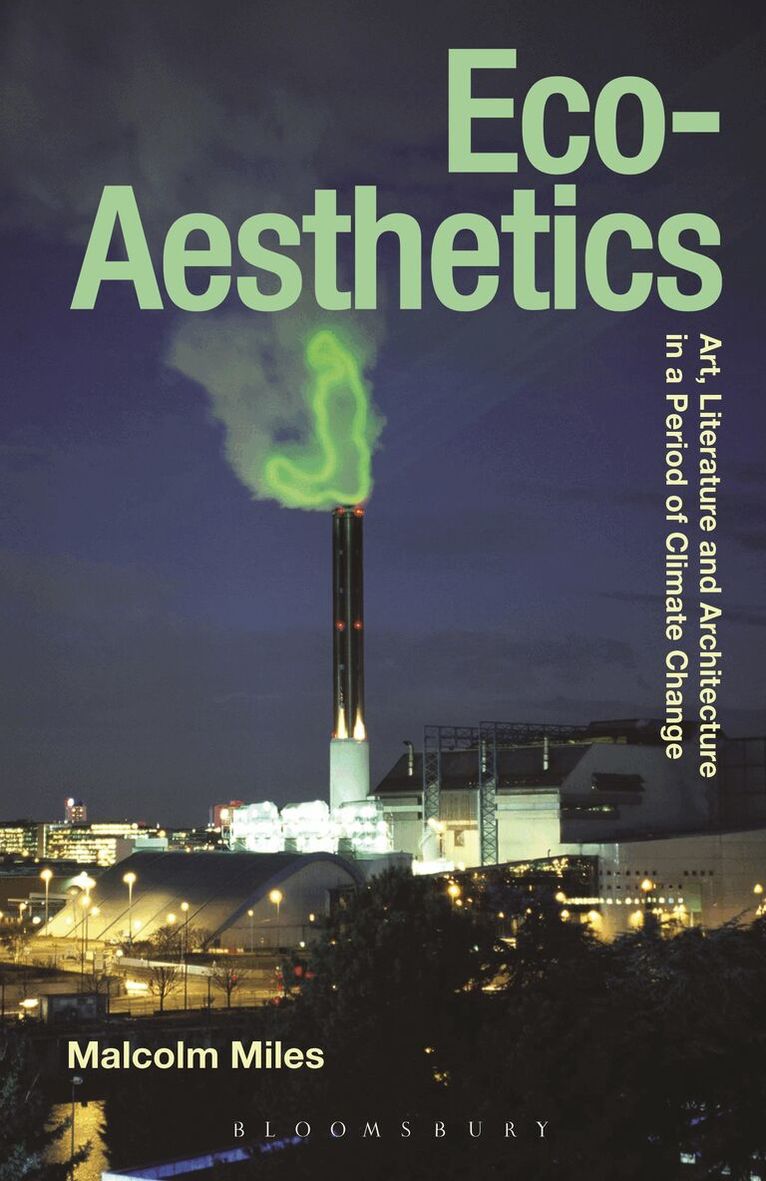
By moving beyond traditional aesthetic categories (beauty, the sublime, the religious), Eco-Aesthetics takes an inter-disciplinary approach bridging the arts, humanities and social sciences and explores what aesthetics might mean in the 21st century. It is one in a series of new, radical aesthetics promoting debate, confronting convention and formulating alternative ways of thinking about art practice. There is no doubt that the social and environmental spheres are interconnected but can art and artists really make a difference to the global environmental crisis? Can art practice meaningfully contribute to the development of sustainable lifestyles? Malcolm Miles explores the strands of eco-art, eco-aesthetics and contemporary aesthetic theories, offering timely critiques of consumerism and globalisation and, ultimately, offers a possible formulation of an engaged eco-aesthetic for the early 21st century.
381 kr
Skickas inom 10-15 vardagar
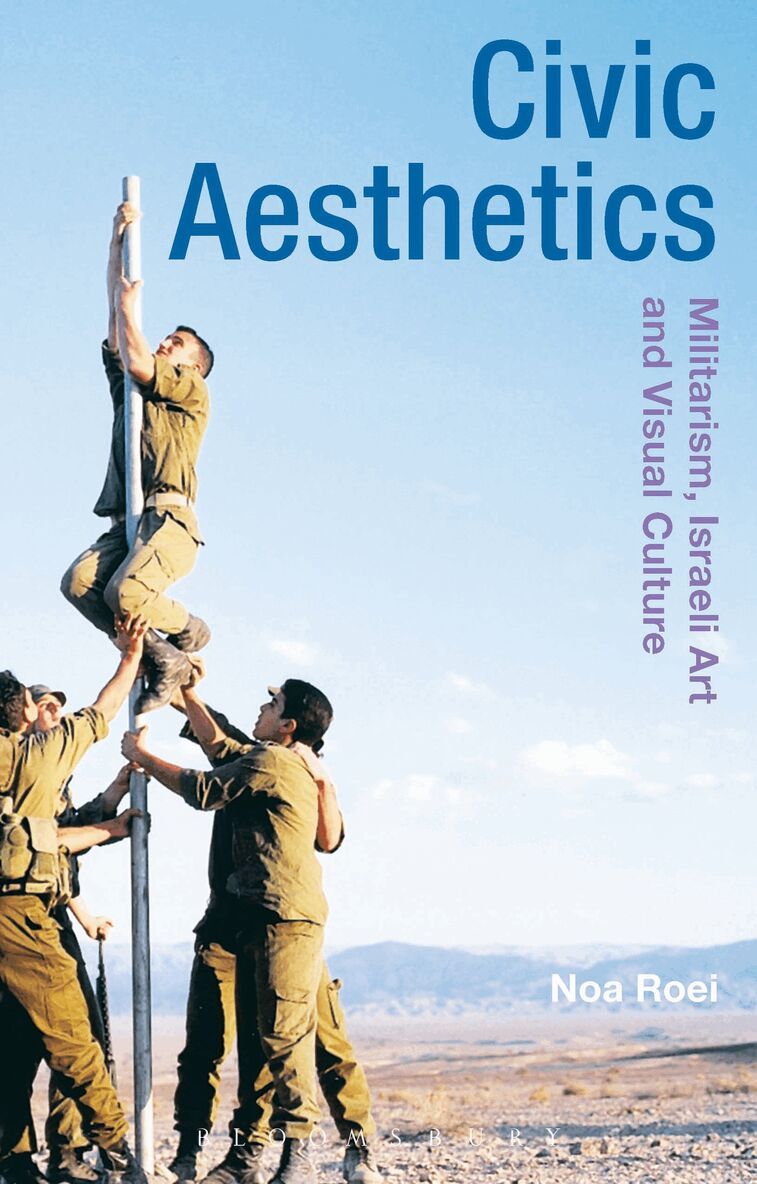
Awarded an Honourable Mention by the Association for Israeli Studies. Exploring the politics of the image in the context of Israeli militarized visual culture, Civic Aesthetics examines both the omnipresence of militarism in Israeli culture and society and the way in which this omnipresence is articulated, enhanced, and contested within local contemporary visual art. Looking at a range of contemporary artworks through the lens of “civilian militarism”, Roei employs the theory of various fields, including memory studies, gender studies, landscape theory, and aesthetics, to explore the potential of visual art to communicate military excesses to its viewers.This study builds on the specific sociological concerns of the chosen cases to discuss the complexities of visuality, the visible and non-visible, arguing for art's capacity to expose the scopic regimes that construct their visibility. Images and artworks are often read either out of context, on purely aesthetic or art-historical ground, or as cultural artefacts whose aesthetics play a minor role in their significance. This book breaks with both traditions as it approaches all art, both high and popular art, as part of the surrounding visual culture in which it is created and presented. This approach allows a new theory of the image to come forth, where the relation between the political and the aesthetic is one of exchange, rather than exclusion.
348 kr
Skickas inom 7-10 vardagar
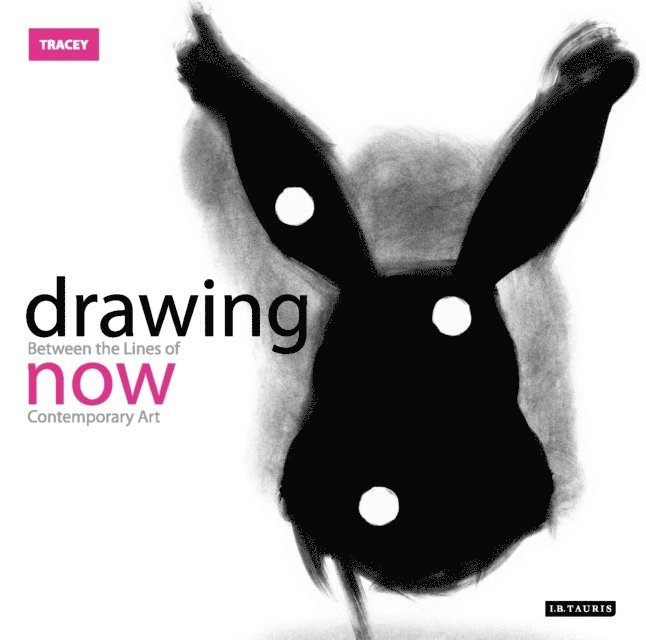
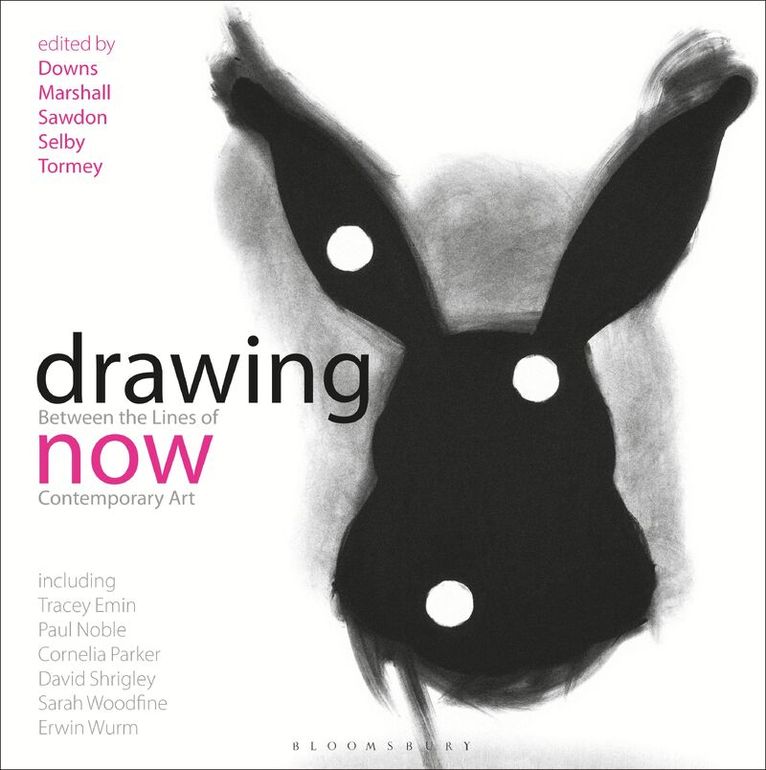
An exhibition in book form, this showcase of the best of drawing now features one hundred works by almost fifty artists including Susan Hauptman, Paul Noble, Jeff Gabel, Tracey Emin, Jane Harris, Julia Fish, Cornelia Parker and Jerwood Drawing Prize winner Sarah Woodfine. Carefully 'curated' with many new drawings specifically commissioned for the volume, the book also includes an Introduction by the Editors which lays out the themes underpinning this diverse and exciting selection of work. With a revival of interest in drawing in recent years, "Drawing Now" is a timely collection of the work of artists intent on giving a contemporary twist to the most traditional of forms.
334 kr
Skickas inom 5-8 vardagar
Photographic realism: Late twentieth-century aesthetics provides an accessible and useful introduction to uses of photography in art practice, and relates them to wider cultural ideas. Focusing on conceptual and political projects between 1970 and the turn of the century, it draws parallels between issues discussed in theory and those displayed visually in practice. Tormey discusses a dynamic era in photography’s history, which follows the influences of conceptual art and shifts in thinking about representation and subjectivity. The author moves away from the preoccupations of modernist photography to outline a photographic aesthetic that signals a direction for development in the twenty-first century, exampled here by the complex practices of Chinese photography. This book emphasises how photographs construct ideas, make comments and promote thought – philosophically, culturally and politically. It will be particularly useful in post-graduate courses on fine art and photography, but it will also appeal to students and lecturers of art history, visual culture and media studies.