Dassia N Posner – författare
Visar alla böcker från författaren Dassia N Posner. Handla med fri frakt och snabb leverans.
7 produkter
7 produkter
556 kr
Skickas inom 5-8 vardagar
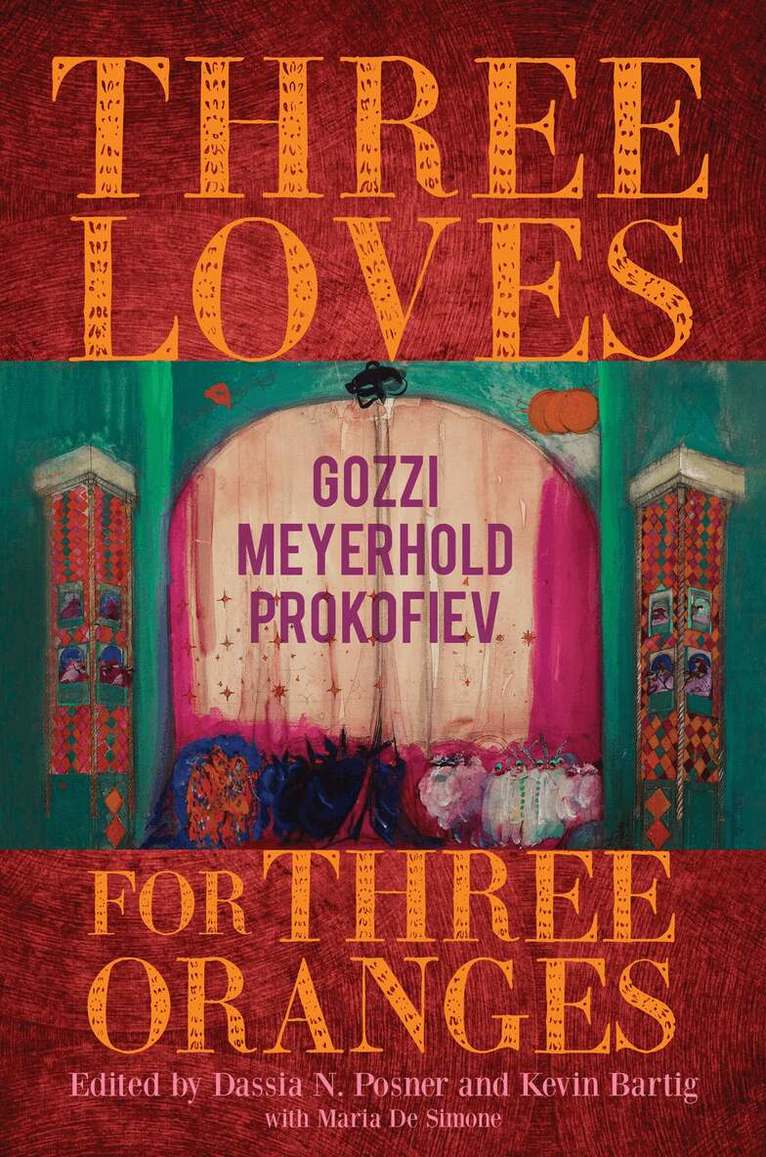
In 1921, Sergei Prokofiev's Love for Three Oranges—one of the earliest, most famous examples of modernist opera—premiered in Chicago. Prokofiev's source was a 1913 theatrical divertissement by Vsevolod Meyerhold, who, in turn, took inspiration from Carlo Gozzi's 1761 commedia dell'arte–infused theatrical fairy tale. Only by examining these whimsical, provocative works together can we understand the full significance of their intertwined lineage. With contributions from 17 distinguished scholars in theater, art history, Italian, Slavic studies, and musicology, Three Loves for Three Oranges: Gozzi, Meyerhold, Prokofiev illuminates the historical development of Modernism in the arts, the ways in which commedia dell'arte's self-referential and improvisatory elements have inspired theater and music innovations, and how polemical playfulness informs creation. A resource for scholars and theater lovers alike, this collection of essays, paired with new translations of Love for Three Oranges, charts the transformations and transpositions that this fantastical tale underwent to provoke theatrical revolutions that still reverberate today.
3 328 kr
Skickas inom 10-15 vardagar
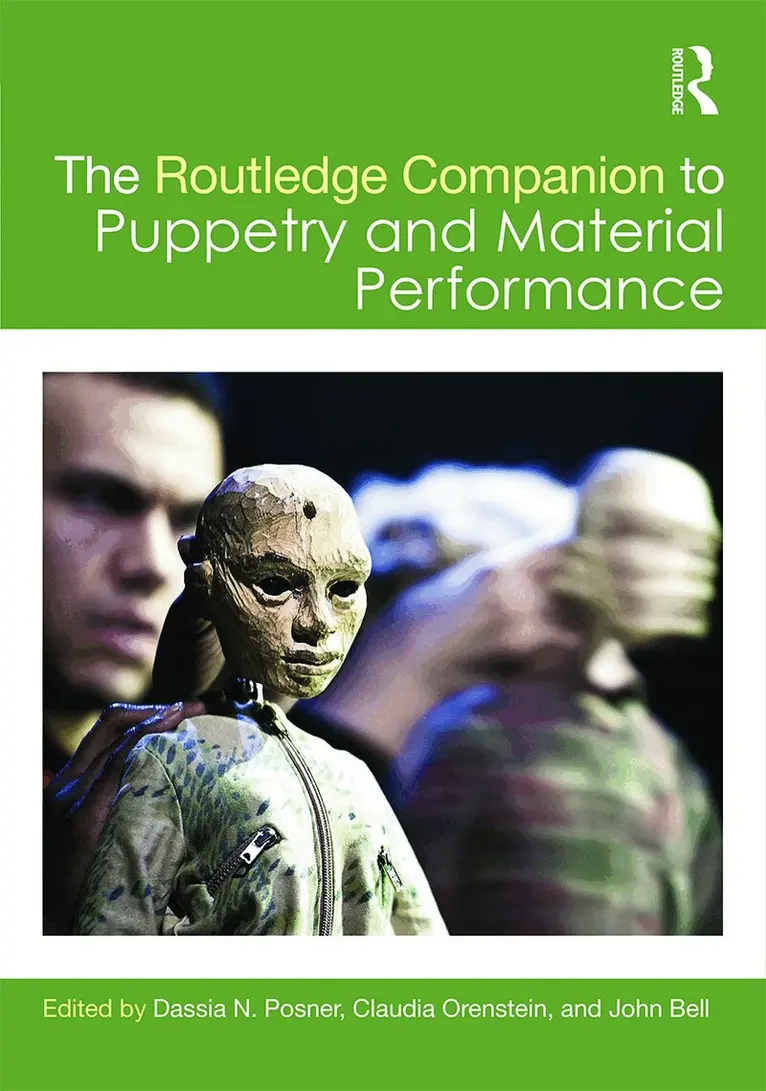
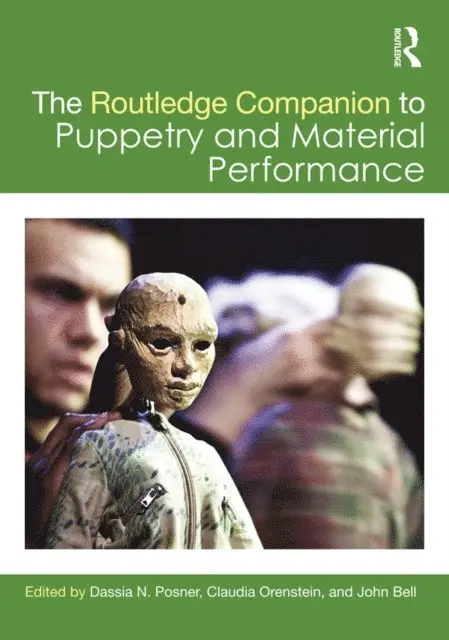
The Routledge Companion to Puppetry and Material Performance offers a wide-rangingperspective on how scholars and artists are currently re-evaluating the theoretical, historical,and theatrical significance of performance that embraces the agency of inanimate objects.This book proposes a collaborative, responsive model for broader artistic engagement in andwith the material world. Its 28 chapters aim to advance the study of the puppet not only as atheatrical object but also as a vibrant artistic and scholarly discipline.This Companion looks at puppetry and material performance from six perspectives: theoreticalapproaches to the puppet, perspectives from practitioners, revisiting history, negotiating tradition,material performances in contemporary theatre, and hybrid forms. Its wide range of topics, whichspan 15 countries over five continents, encompasses:• visual dramaturgy• theatrical juxtapositions of robots and humans• contemporary transformations of Indonesian wayang kulit• Japanese ritual body substitutes• recent European productions featuring toys, clay, and food.The book features newly commissioned essays by leading scholars such as Matthew IsaacCohen, Kathy Foley, Jane Marie Law, Eleanor Margolies, Cody Poulton, and Jane Taylor.It also celebrates the vital link between puppetry as a discipline and as a creative practicewith chapters by active practitioners, including Handspring Puppet Company’s Basil Jones,Redmoon’s Jim Lasko, and Bread and Puppet’s Peter Schumann. Fully illustrated with morethan 60 images, this volume comprises the most expansive English-language collection ofinternational puppetry scholarship to date.
598 kr
Skickas inom 10-15 vardagar
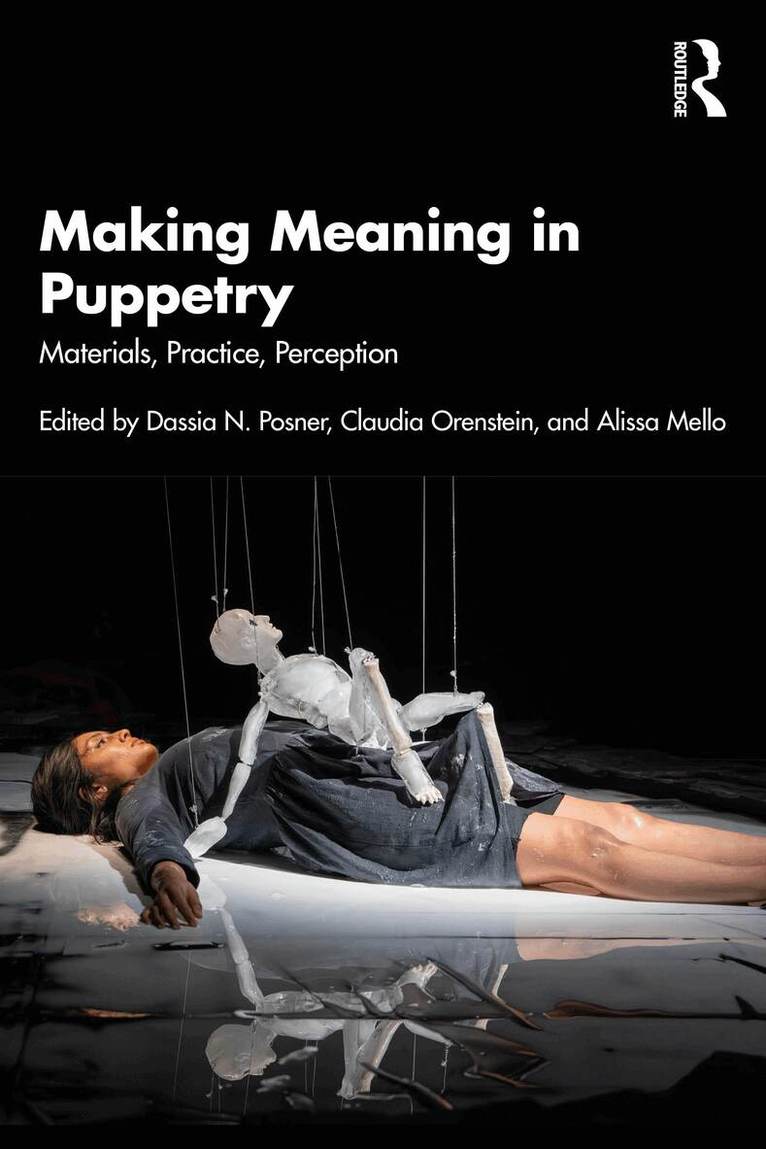
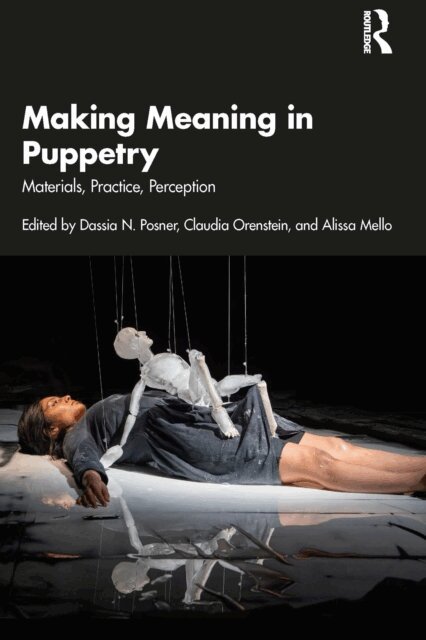
From ice puppets to robots, from intricate marionettes to abstract forms, Making Meaning in Puppetry investigates the elusive and multifaceted how of how puppets make meaning in performance.This engaging collection develops a vocabulary for understanding and articulating how the puppet’s meaning-making systems work across the book’s three distinct parts. Part 1 on Materiality illuminates how materials are chosen and dramaturgy is crafted into a puppet’s design; Part 2 on Practice investigates the interresponsive collaboration between puppet and puppeteer; and Part 3 on Perception considers how spectators understand and read a puppet production. The volume thus traces the full evolution of a puppet, from its raw materials, to its performance possibilities, to the moment it comes to imagined life. The seventeen chapters, authored by experts in the field, build bridges between puppetry and related fields, such as robotics, phenomenology, cognitive science, and queer theory, while using the puppet as their primary anchor of analysis.Making Meaning in Puppetry is ideal for students of theatre and performance studies, theatre artists, scholars, and anyone who is fascinated by this rich performance form and wants to understand it more deeply.
2 187 kr
Skickas inom 10-15 vardagar
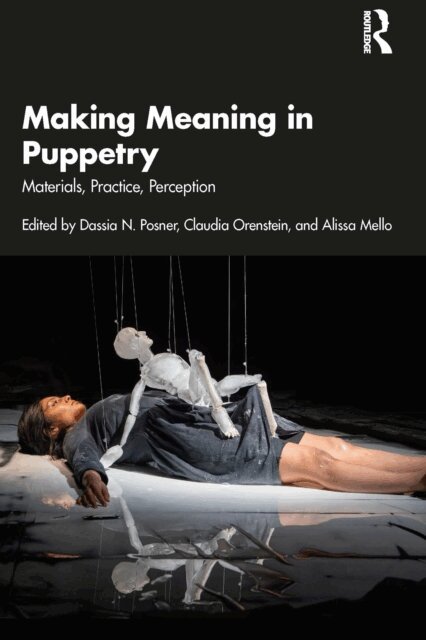
From ice puppets to robots, from intricate marionettes to abstract forms, Making Meaning in Puppetry investigates the elusive and multifaceted how of how puppets make meaning in performance.This engaging collection develops a vocabulary for understanding and articulating how the puppet’s meaning-making systems work across the book’s three distinct parts. Part 1 on Materiality illuminates how materials are chosen and dramaturgy is crafted into a puppet’s design; Part 2 on Practice investigates the interresponsive collaboration between puppet and puppeteer; and Part 3 on Perception considers how spectators understand and read a puppet production. The volume thus traces the full evolution of a puppet, from its raw materials, to its performance possibilities, to the moment it comes to imagined life. The seventeen chapters, authored by experts in the field, build bridges between puppetry and related fields, such as robotics, phenomenology, cognitive science, and queer theory, while using the puppet as their primary anchor of analysis.Making Meaning in Puppetry is ideal for students of theatre and performance studies, theatre artists, scholars, and anyone who is fascinated by this rich performance form and wants to understand it more deeply.
724 kr
Skickas inom 10-15 vardagar
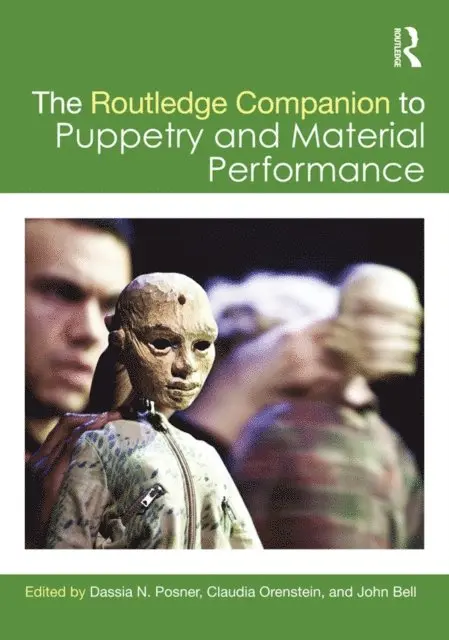
The Routledge Companion to Puppetry and Material Performance offers a wide-rangingperspective on how scholars and artists are currently re-evaluating the theoretical, historical,and theatrical significance of performance that embraces the agency of inanimate objects.This book proposes a collaborative, responsive model for broader artistic engagement in andwith the material world. Its 28 chapters aim to advance the study of the puppet not only as atheatrical object but also as a vibrant artistic and scholarly discipline.This Companion looks at puppetry and material performance from six perspectives: theoreticalapproaches to the puppet, perspectives from practitioners, revisiting history, negotiating tradition,material performances in contemporary theatre, and hybrid forms. Its wide range of topics, whichspan 15 countries over five continents, encompasses:• visual dramaturgy• theatrical juxtapositions of robots and humans• contemporary transformations of Indonesian wayang kulit• Japanese ritual body substitutes• recent European productions featuring toys, clay, and food.The book features newly commissioned essays by leading scholars such as Matthew IsaacCohen, Kathy Foley, Jane Marie Law, Eleanor Margolies, Cody Poulton, and Jane Taylor.It also celebrates the vital link between puppetry as a discipline and as a creative practicewith chapters by active practitioners, including Handspring Puppet Company’s Basil Jones,Redmoon’s Jim Lasko, and Bread and Puppet’s Peter Schumann. Fully illustrated with morethan 60 images, this volume comprises the most expansive English-language collection ofinternational puppetry scholarship to date.
712 kr
Kommande
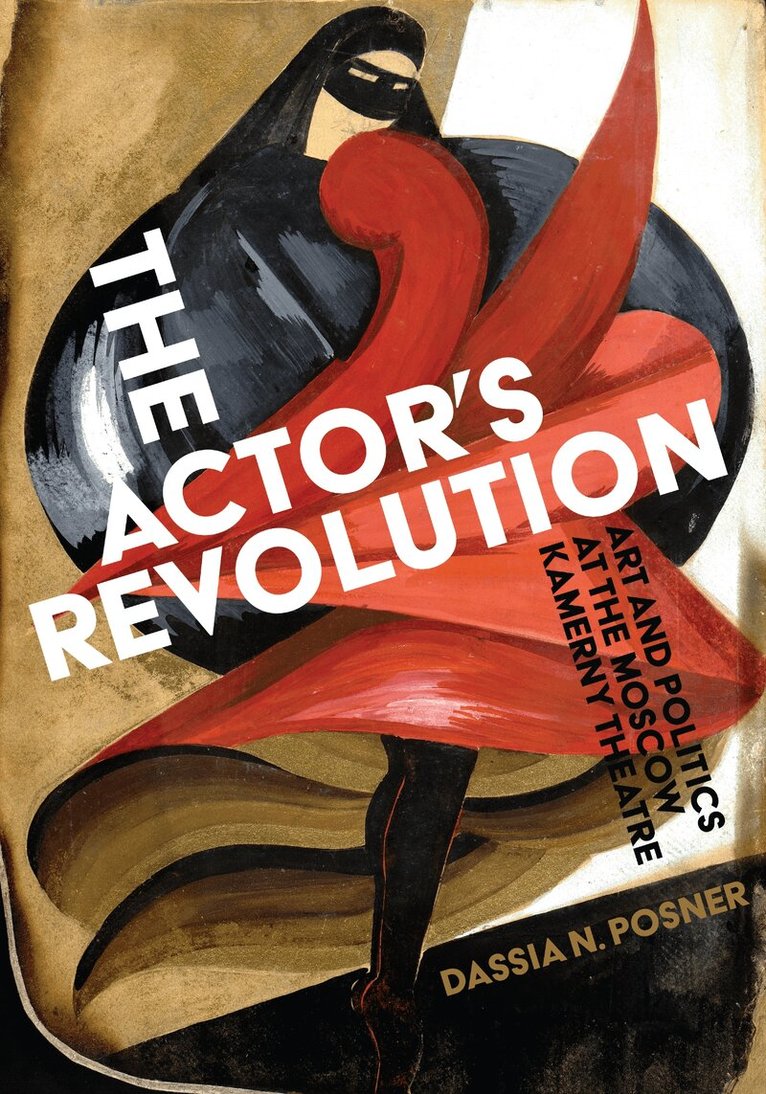
Reclaims the lost history of one of the twentieth century's most innovative theatersThe Moscow Kamerny Theatre created stage worlds of movement, color, and light. Cofounded in 1914 by Alexander Tairov, a Jewish director from Ukraine, and Alisa Koonen, a Moscow-born actress from an immigrant family, the company celebrated the actor's virtuosic inventiveness during an era when most theaters imitated daily life or prioritized the autocratic director's vision. By the 1920s, it had become the most famous Soviet theater in the world, renowned for its actors' acrobatic grace, its bold collaborations with avant-garde artists, and its revolutionary redefinition of what theater can be. But the accusations of Soviet disloyalty that were used to destroy the Kamerny during Stalin's post–World War II antisemitic purge have rendered it little known outside Russia today and frequently misunderstood even there.The Actor's Revolution vividly reclaims this lost history by reconstructing the theater's most illustrious premieres, analyzing them within the turbulent artistic and political context of the early Soviet era. Drawing on a decade of archival research, Dassia N. Posner restores Tairov's legacy as one of history's most significant directors and celebrates Koonen's liberatory physical expressiveness as a vital alternative to Konstantin Stanislavsky's better-known acting system. Drawing on rich archival sources, from unpublished memoirs to vibrant scenic and costume designs, this timely volume grapples with the entangled histories of art, politics, and erasure and celebrates the radical power of human creativity under—and in spite of—totalitarianism.
1 961 kr
Kommande
Reclaims the lost history of one of the twentieth century's most innovative theatersThe Moscow Kamerny Theatre created stage worlds of movement, color, and light. Cofounded in 1914 by Alexander Tairov, a Jewish director from Ukraine, and Alisa Koonen, a Moscow-born actress from an immigrant family, the company celebrated the actor's virtuosic inventiveness during an era when most theaters imitated daily life or prioritized the autocratic director's vision. By the 1920s, it had become the most famous Soviet theater in the world, renowned for its actors' acrobatic grace, its bold collaborations with avant-garde artists, and its revolutionary redefinition of what theater can be. But the accusations of Soviet disloyalty that were used to destroy the Kamerny during Stalin's post–World War II antisemitic purge have rendered it little known outside Russia today and frequently misunderstood even there.The Actor's Revolution vividly reclaims this lost history by reconstructing the theater's most illustrious premieres, analyzing them within the turbulent artistic and political context of the early Soviet era. Drawing on a decade of archival research, Dassia N. Posner restores Tairov's legacy as one of history's most significant directors and celebrates Koonen's liberatory physical expressiveness as a vital alternative to Konstantin Stanislavsky's better-known acting system. Drawing on rich archival sources, from unpublished memoirs to vibrant scenic and costume designs, this timely volume grapples with the entangled histories of art, politics, and erasure and celebrates the radical power of human creativity under—and in spite of—totalitarianism.