
David A. Hoekema – författare
Visar alla böcker från författaren . Handla med fri frakt och snabb leverans.
4 produkter
4 produkter
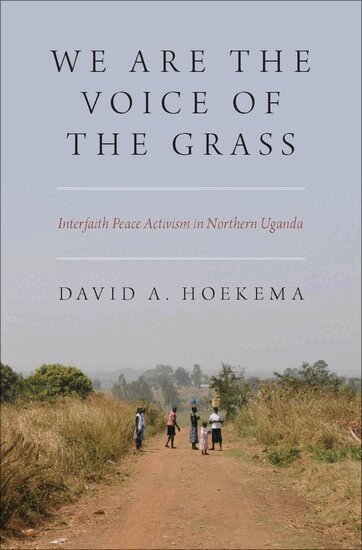
Inbunden, Engelska, 2019
374 kr
Skickas
In the international press, East Africa is depicted as a region mired in civil war, child abduction, rebel militias, Muslim-Christian violence, and grinding poverty. Joseph Kony's Lord's Resistance Army (LRA) of northern Uganda has become a symbol for the troubles of contemporary Africa. Seen from within, however, an altogether different reality is visible-one in which local communities and their leaders work together to resolve conflict and rebuild their communities. Little known beyond northern Uganda, The Acholi Religious Leaders' Peace Initiative (ARLPI) is an inspiring example of one such community organization. The story of ARLPI, examined in this book by philosopher David Hoekema, demonstrates just how much can be accomplished by a small group of dedicated community leaders in a situation where a decade of military force and international pressure have had little discernible effect.Drawing on published sources and interviews with organization leaders and LRA survivors, Hoekema illuminates how both the depredations of the LRA and the healing work of ARLPI are rooted in modern East African history. He documents the courageous work of the Catholic, Protestant, and Muslim leaders who constitute the ARLPI to overcome centuries of mistrust and help bring an end to one of the most horrific conflicts in recent history. Their work, he argues, puts philosophical and theological ideas into practice and in so doing sheds new light on how religion relates to politics, how brutal conflicts can be resolved, and how a community can reclaim its future through locally-initiated initiatives against overwhelming obstacles.
E-bok
PDF, Engelska, 2019300 kr
Läs direkt efter köp
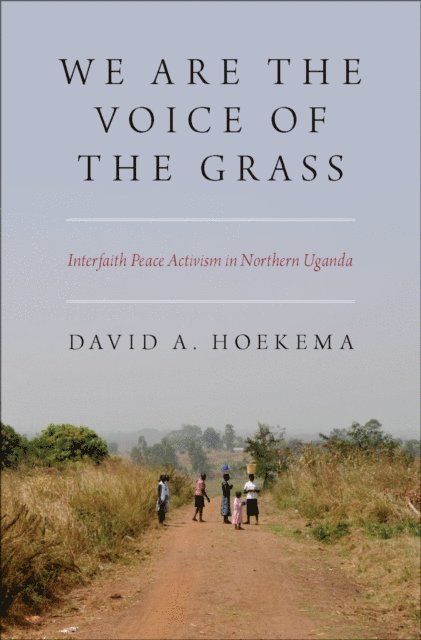
In the international press, East Africa is depicted as a region mired in civil war, child abduction, rebel militias, Muslim-Christian violence, and grinding poverty. Joseph Kony''s Lord''s Resistance Army (LRA) of northern Uganda has become a symbol for the troubles of contemporary Africa. Seen from within, however, an altogether different reality is visible-one in which local communities and their leaders work together to resolve conflict and rebuild their communities. Little known beyond northern Uganda, The Acholi Religious Leaders'' Peace Initiative (ARLPI) is an inspiring example of one such community organization. The story of ARLPI, examined in this book by philosopher David Hoekema, demonstrates just how much can be accomplished by a small group of dedicated community leaders in a situation where a decade of military force and international pressure have had little discernible effect.Drawing on published sources and interviews with organization leaders and LRA survivors, Hoekema illuminates how both the depredations of the LRA and the healing work of ARLPI are rooted in modern East African history. He documents the courageous work of the Catholic, Protestant, and Muslim leaders who constitute the ARLPI to overcome centuries of mistrust and help bring an end to one of the most horrific conflicts in recent history. Their work, he argues, puts philosophical and theological ideas into practice and in so doing sheds new light on how religion relates to politics, how brutal conflicts can be resolved, and how a community can reclaim its future through locally-initiated initiatives against overwhelming obstacles.
E-bok
Engelska, 2019300 kr
Läs direkt efter köp
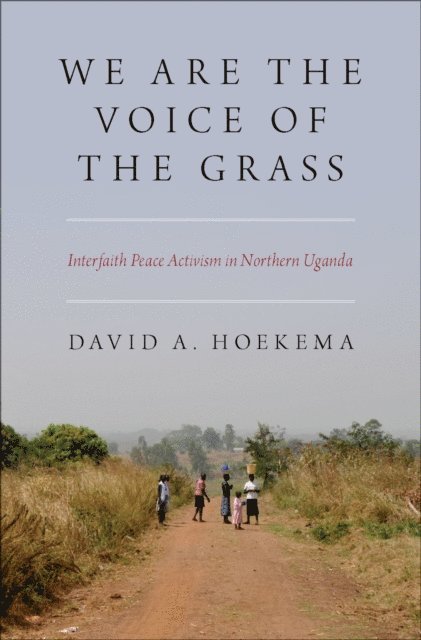
In the international press, East Africa is depicted as a region mired in civil war, child abduction, rebel militias, Muslim-Christian violence, and grinding poverty. Joseph Kony''s Lord''s Resistance Army (LRA) of northern Uganda has become a symbol for the troubles of contemporary Africa. Seen from within, however, an altogether different reality is visible-one in which local communities and their leaders work together to resolve conflict and rebuild their communities. Little known beyond northern Uganda, The Acholi Religious Leaders'' Peace Initiative (ARLPI) is an inspiring example of one such community organization. The story of ARLPI, examined in this book by philosopher David Hoekema, demonstrates just how much can be accomplished by a small group of dedicated community leaders in a situation where a decade of military force and international pressure have had little discernible effect.Drawing on published sources and interviews with organization leaders and LRA survivors, Hoekema illuminates how both the depredations of the LRA and the healing work of ARLPI are rooted in modern East African history. He documents the courageous work of the Catholic, Protestant, and Muslim leaders who constitute the ARLPI to overcome centuries of mistrust and help bring an end to one of the most horrific conflicts in recent history. Their work, he argues, puts philosophical and theological ideas into practice and in so doing sheds new light on how religion relates to politics, how brutal conflicts can be resolved, and how a community can reclaim its future through locally-initiated initiatives against overwhelming obstacles.
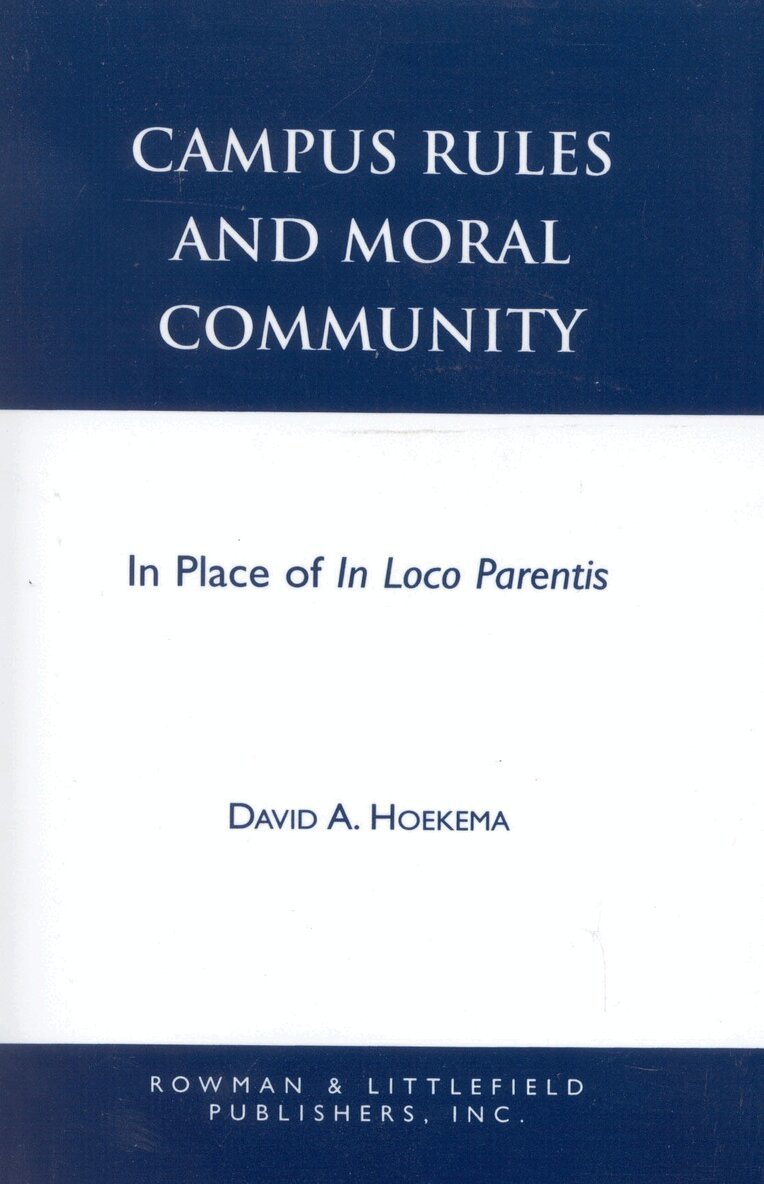
Häftad, Engelska, 1994
836 kr
Skickas inom 10-15 vardagar
Colleges and universities have largely abandoned their traditional stance in loco parentis, as moral guardians over student life, and instead seek to promote toleration while preventing conflict. In doing so, argues David A. Hoekema, they fail to provide an atmosphere conducive to the attainment of the kind of responsible independence that such goals presuppose.