David A. Rettinger - Böcker
Visar alla böcker från författaren David A. Rettinger. Handla med fri frakt och snabb leverans.
3 produkter
3 produkter
997 kr
Skickas inom 10-15 vardagar
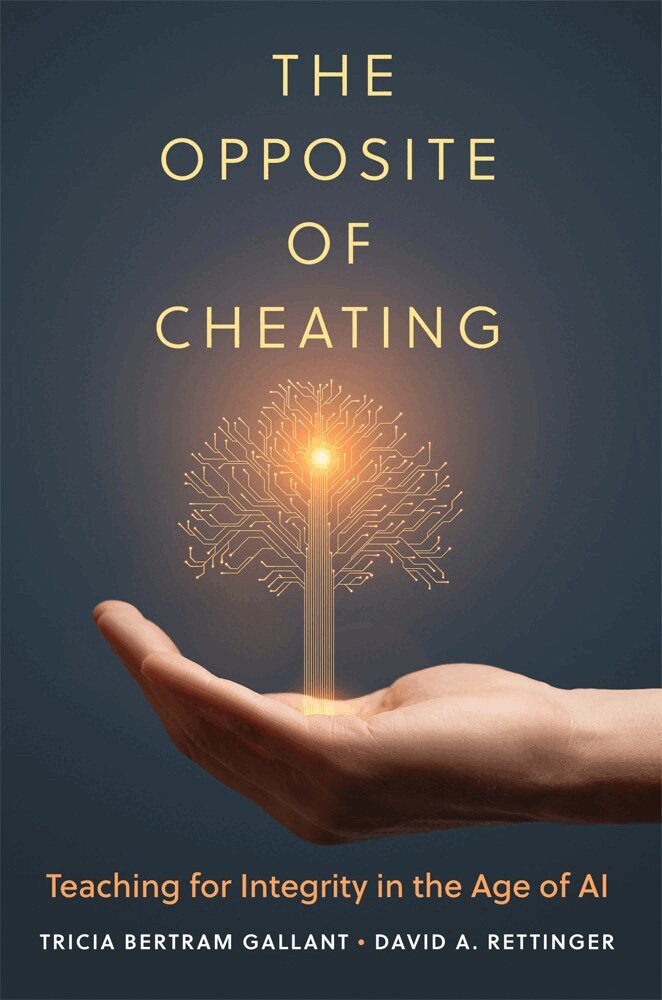
In these days of an ever-expanding internet, generative AI, and term paper mills, students may find it too easy and tempting not to cheat, and teachers may think they can’t keep up. What’s needed, and what Tricia Bertram Gallant and David A. Rettinger offer in this timely book, is a new approach—one that works with the realities of the twenty-first century, not just to protect academic integrity but also to maximize opportunities for students to learn.The Opposite of Cheating presents a positive, forward-looking, research-backed vision for what classroom integrity can look like in the GenAI era, both in cyberspace and on campus. Accordingly, the book outlines workable measures teachers can use to better understand why students cheat and to prevent cheating while aiming to enhance learning and integrity.Bertram Gallant and Rettinger provide practical suggestions to help faculty revise the conversation around integrity, refocus classes and students on learning, reconsider the structure and goals of assessment, and generally reframe our response to cheating. At the core of this strategy is a call for teachers, academic staff, institutional leaders, and administrators to rethink how we “show up” for students, and to reinforce and fully support quality teaching, learning, and assessment. With its evidentiary basis and its useful tips for instructors across disciplines, levels of experience, and modes of instruction, this book offers a much-needed chance to pause, rethink our purpose, and refocus on what matters—creating classes that center human interactions that foster the personal and professional growth of our students.
254 kr
Skickas inom 10-15 vardagar
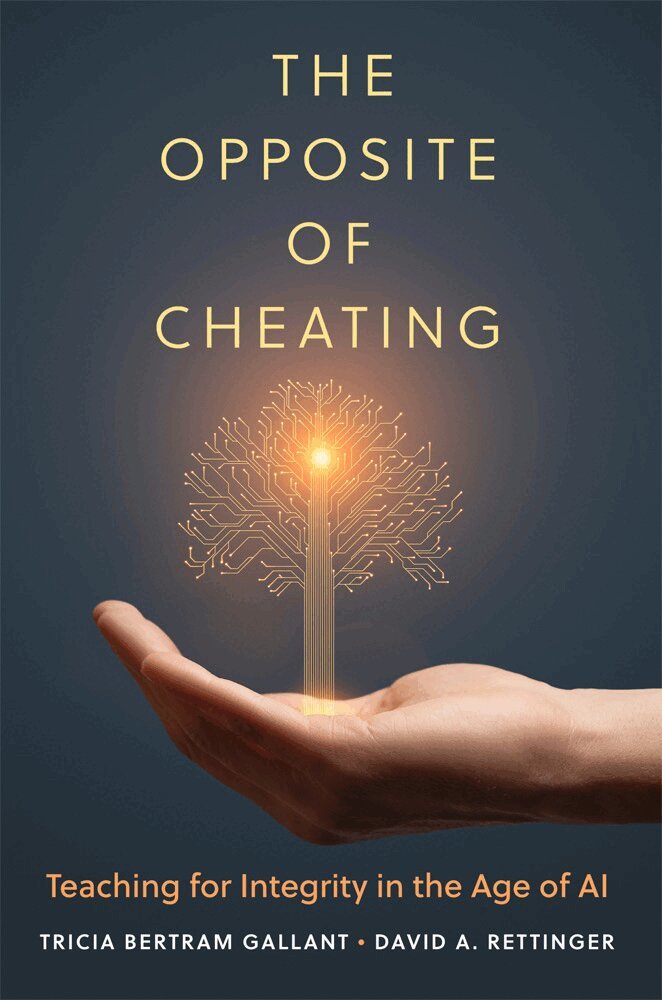
In these days of an ever-expanding internet, generative AI, and term paper mills, students may find it too easy and tempting not to cheat, and teachers may think they can’t keep up. What’s needed, and what Tricia Bertram Gallant and David A. Rettinger offer in this timely book, is a new approach—one that works with the realities of the twenty-first century, not just to protect academic integrity but also to maximize opportunities for students to learn.The Opposite of Cheating presents a positive, forward-looking, research-backed vision for what classroom integrity can look like in the GenAI era, both in cyberspace and on campus. Accordingly, the book outlines workable measures teachers can use to better understand why students cheat and to prevent cheating while aiming to enhance learning and integrity.Bertram Gallant and Rettinger provide practical suggestions to help faculty revise the conversation around integrity, refocus classes and students on learning, reconsider the structure and goals of assessment, and generally reframe our response to cheating. At the core of this strategy is a call for teachers, academic staff, institutional leaders, and administrators to rethink how we “show up” for students, and to reinforce and fully support quality teaching, learning, and assessment. With its evidentiary basis and its useful tips for instructors across disciplines, levels of experience, and modes of instruction, this book offers a much-needed chance to pause, rethink our purpose, and refocus on what matters—creating classes that center human interactions that foster the personal and professional growth of our students.
433 kr
Skickas inom 7-10 vardagar
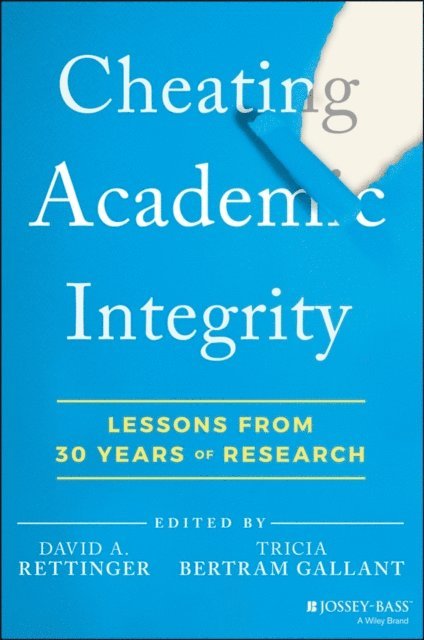
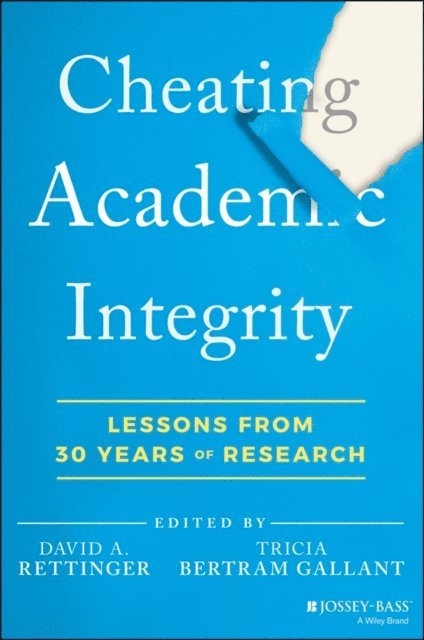
Practical and insightful solutions to the growing problem of academic dishonesty In Cheating Academic Integrity: Lessons from 30 Years of Research, a team of renowned academic integrity experts delivers revealing and practicing insights into the causes of—and solutions to—academic cheating by students. This edited volume combines leading research from an interdisciplinary group of scholars, offering readers an overview of the most important topics and trends in academic integrity research. The book focuses on teaching, classrooms, and faculty behavior and offers a glimpse into the future of this rapidly developing field. Readers will also find: Discussions of the newest forms of cheating, including online “contract cheating” and “paper mills” and the methods used to combat them Explorations of the prevalence of cheating and plagiarism between 1990 and 2020 Psychological perspectives on the student motivations underlying academic integrity violations Teaching and learning approaches to reduce academic misconduct in both online and in-person courses A must-read resource for administrators, leaders, and policymakers involved with higher education, Cheating Academic Integrity also belongs on the bookshelves of school administrators-in-training and others preparing for a career in education.