David Arellano-Gault – författare
970 kr
Läs direkt efter köp
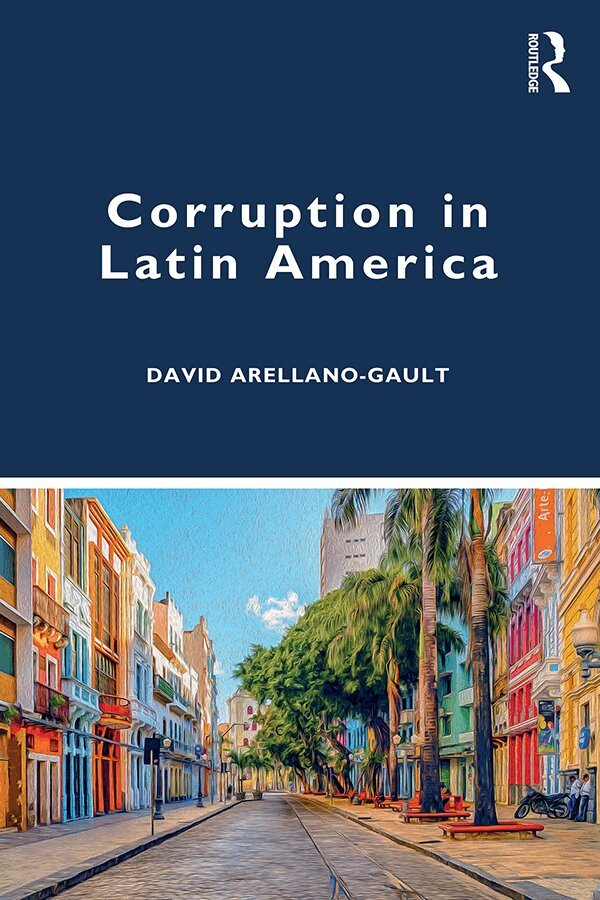
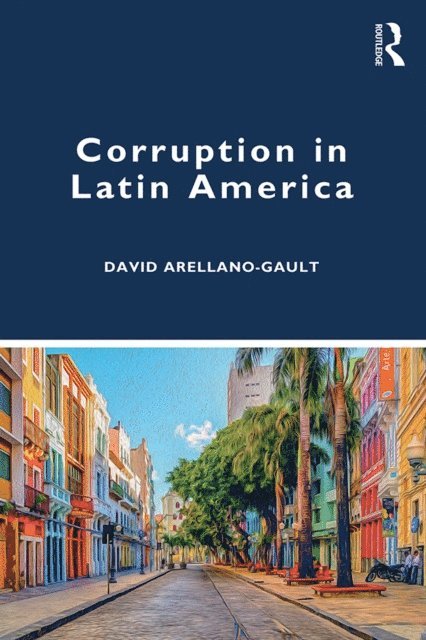
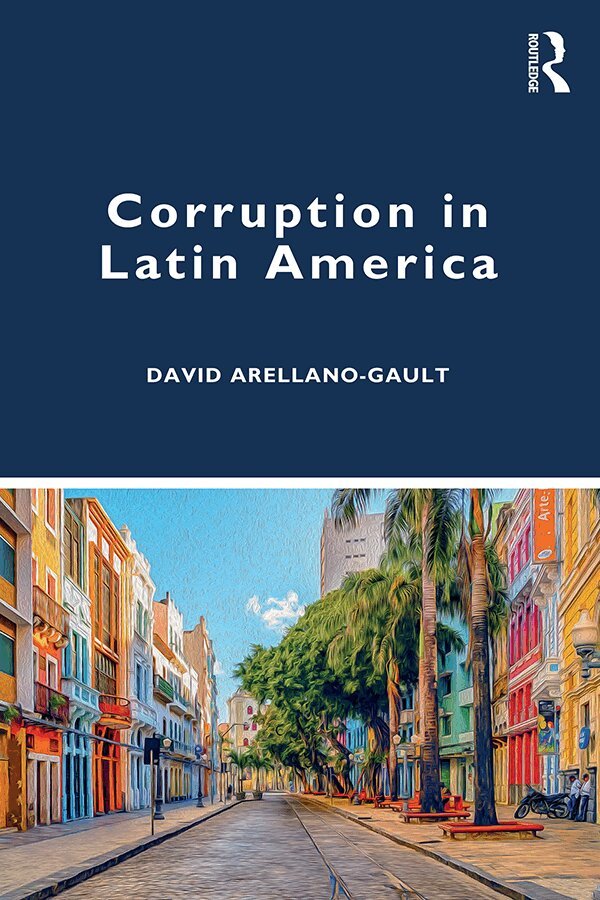
In Corruption in Latin America the reader is presented with an alternative starting point for understanding corruption in this key region. The author asserts that corruption is a stable and rational social and organizational mechanism. Seen through this lens, we can begin to understand why it persists, and how to implement strategies to control corruption effectively.
Beginning with an in-depth, nuanced examination of the concept of corruption, the author establishes the theoretical basis for viewing corruption as a social construct. An analysis of the experiences of four countries in the region – Argentina, Brazil, Guatemala and Mexico – provides the reader with concrete data from which they can understand how and why these behaviors are reproduced, validated, and tolerated in everyday settings between governments and citizens, governments and firms, and firms and clients. Once we see corruption as the socially sanctioned norm for getting business done, we can begin to produce and propose effective solutions to reduce corruption in Latin America by designing and implementing instruments that transform this dynamic.
This rigorous and original approach will challenge the reader’s assumptions about corruption, and will appeal to students of corporate governance, international business, public management, and business ethics.
936 kr
Läs direkt efter köp
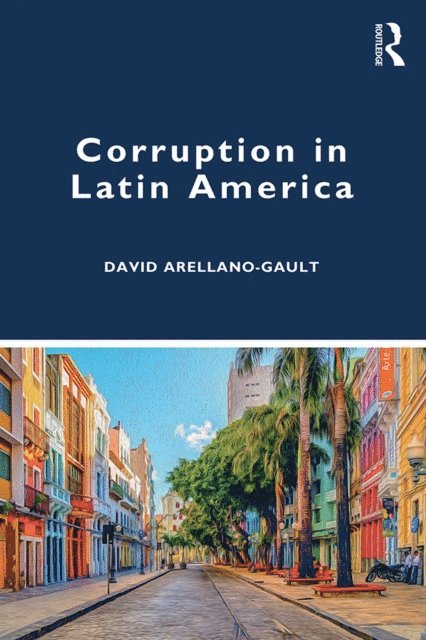
In Corruption in Latin America the reader is presented with an alternative starting point for understanding corruption in this key region. The author asserts that corruption is a stable and rational social and organizational mechanism. Seen through this lens, we can begin to understand why it persists, and how to implement strategies to control corruption effectively.
Beginning with an in-depth, nuanced examination of the concept of corruption, the author establishes the theoretical basis for viewing corruption as a social construct. An analysis of the experiences of four countries in the region – Argentina, Brazil, Guatemala and Mexico – provides the reader with concrete data from which they can understand how and why these behaviors are reproduced, validated, and tolerated in everyday settings between governments and citizens, governments and firms, and firms and clients. Once we see corruption as the socially sanctioned norm for getting business done, we can begin to produce and propose effective solutions to reduce corruption in Latin America by designing and implementing instruments that transform this dynamic.
This rigorous and original approach will challenge the reader’s assumptions about corruption, and will appeal to students of corporate governance, international business, public management, and business ethics.
2 464 kr
Skickas inom 10-15 vardagar
793 kr
Skickas inom 10-15 vardagar
1 510 kr
Kommande
1 289 kr
Skickas inom 10-15 vardagar
1 594 kr
Läs direkt efter köp
International organizations are central actors on the global stage, yet their very existence is deeply shaped by their organizational nature. As entities with histories and environments, they navigate complex networks of members and stakeholders—often pursuing conflicting objectives. These organizations must operate, decide, and act amidst unforeseen events and challenges.
Far from being abstract entities, international organizations embody all the complexities of organizations in the fullest sense. To survive, they must contend with anarchy: not only within the international system but also within their own structures and decision-making processes. Bridging the gap between Organization Theory and International Relations offers a promising avenue for building the concepts and case studies necessary to understand how organizational anarchy contributes to the creation of international order.
1 289 kr
Skickas inom 10-15 vardagar
461 kr
Skickas inom 5-8 vardagar
542 kr
Läs direkt efter köp
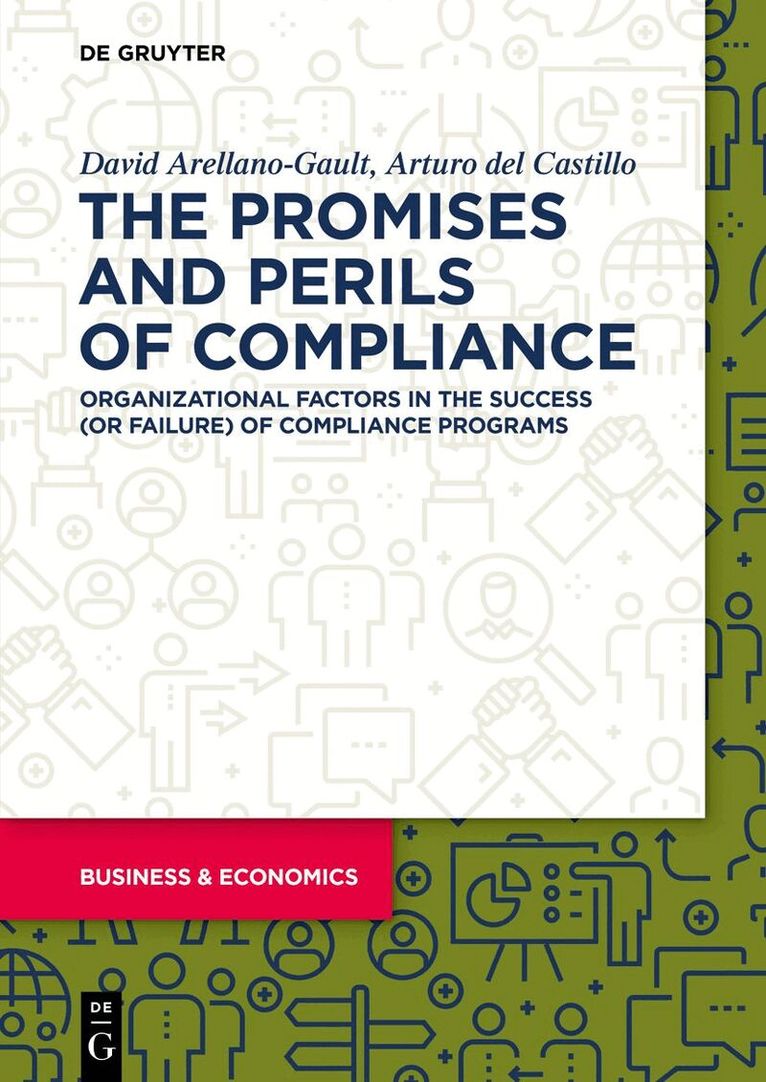
In today’s era of increased regulation and renewed enforcement efforts, unethical behavior and misconduct are a focus of concern among not only governments and regulators, but also investors, firms, employees, customers, and the public. Accordingly, compliance programs have gained prominence in the organizational agenda. A properly designed and implemented compliance program provides crucial assurance for all stakeholders that an organization’s personnel abide by all applicable regulations, internal ethical principles, codes of conduct, and other guidelines.
Based on empirical experience and illustrative cases, The Promises and Perils of Compliance seeks to discuss compliance not as just another management tool, but rather as a collection of rules, norms and controls embedded into an organization’s culture and environment that must be understood when designing a compliance program. The authors propose that organizations must be transparent at all stages of the design and implementation of the compliance program and be prepared to interpret, adapt, change, and redefine the program in action. It is also important for organizations to set a realistic agenda for the program so that gains can be seen and celebrated by all stakeholders.
This book offers a pathway to understanding the organizational dynamics any compliance effort needs to consider. It will benefit business students as well as managers, compliance officers, and CEOs and executives at every level.
542 kr
Läs direkt efter köp
In today’s era of increased regulation and renewed enforcement efforts, unethical behavior and misconduct are a focus of concern among not only governments and regulators, but also investors, firms, employees, customers, and the public. Accordingly, compliance programs have gained prominence in the organizational agenda. A properly designed and implemented compliance program provides crucial assurance for all stakeholders that an organization’s personnel abide by all applicable regulations, internal ethical principles, codes of conduct, and other guidelines.
Based on empirical experience and illustrative cases, The Promises and Perils of Compliance seeks to discuss compliance not as just another management tool, but rather as a collection of rules, norms and controls embedded into an organization’s culture and environment that must be understood when designing a compliance program. The authors propose that organizations must be transparent at all stages of the design and implementation of the compliance program and be prepared to interpret, adapt, change, and redefine the program in action. It is also important for organizations to set a realistic agenda for the program so that gains can be seen and celebrated by all stakeholders.
This book offers a pathway to understanding the organizational dynamics any compliance effort needs to consider. It will benefit business students as well as managers, compliance officers, and CEOs and executives at every level.