David B. Danbom - Böcker
Visar alla böcker från författaren David B. Danbom. Handla med fri frakt och snabb leverans.
4 produkter
4 produkter
534 kr
Skickas inom 7-10 vardagar
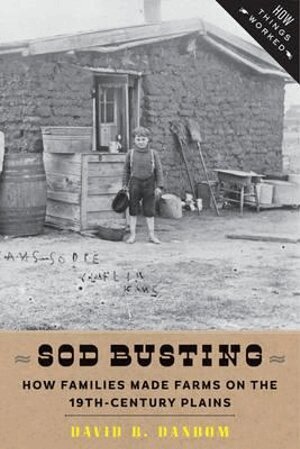
Prairie busting is central to the lore of westward expansion, but how was it actually accomplished with little more than animal and human power? In Sod Busting, David B. Danbom tells the story of Great Plains settlement in a way it has seldom been told before. Stretching beyond the sweeping accounts typical of standard textbooks, Danbom challenges students to think about the many practicalities of surviving on the Great Plains in the late nineteenth century by providing a detailed account of how settlers acquired land and made homes, farms, and communities. He examines the physical and climatic obstacles of the plains-perhaps America's most inhospitable frontier-and shows how settlers sheltered themselves, gained access to fuel and water, and broke the land for agriculture. Treating the Great Plains as a post-industrial frontier, Danbom delves into the economic motivations of settlers, as well as the physically and economically difficult process of farm making. He explains how settlers got the capital they needed to succeed and how they used the labor of the entire family to survive until farms returned profits.He examines closely the business decisions that determined the success or failure of these farmers in a boom-and-bust economy; details the creation of churches, schools, and service centers that enriched the social and material lives of the settlers; and shows how the support of government, railroads, and other businesses contributed to the success of plains settlement. Based on contemporary accounts, settlers' reminiscences, and the work of other historians, Sod Busting dives deeply into the practical realities of how things worked to make vivid one of the quintessentially American experiences, breaking new land.
264 kr
Skickas inom 7-10 vardagar
Prairie busting is central to the lore of westward expansion, but how was it actually accomplished with little more than animal and human power? In Sod Busting, David B. Danbom tells the story of Great Plains settlement in a way it has seldom been told before. Stretching beyond the sweeping accounts typical of standard textbooks, Danbom challenges students to think about the many practicalities of surviving on the Great Plains in the late nineteenth century by providing a detailed account of how settlers acquired land and made homes, farms, and communities. He examines the physical and climatic obstacles of the plains-perhaps America's most inhospitable frontier-and shows how settlers sheltered themselves, gained access to fuel and water, and broke the land for agriculture. Treating the Great Plains as a post-industrial frontier, Danbom delves into the economic motivations of settlers, as well as the physically and economically difficult process of farm making. He explains how settlers got the capital they needed to succeed and how they used the labor of the entire family to survive until farms returned profits.He examines closely the business decisions that determined the success or failure of these farmers in a boom-and-bust economy; details the creation of churches, schools, and service centers that enriched the social and material lives of the settlers; and shows how the support of government, railroads, and other businesses contributed to the success of plains settlement. Based on contemporary accounts, settlers' reminiscences, and the work of other historians, Sod Busting dives deeply into the practical realities of how things worked to make vivid one of the quintessentially American experiences, breaking new land.
336 kr
Tillfälligt slut
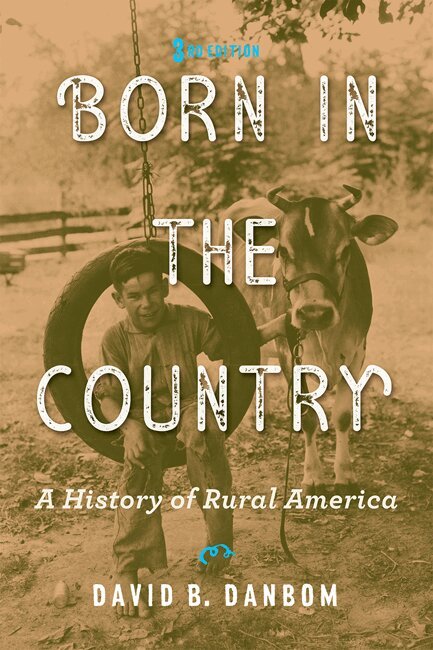
Throughout most of its history, America has been a rural nation, largely made up of farmers. David B. Danbom's Born in the Country was the first-and still the only-general history of rural America. Ranging from pre-Columbian times to the enormous changes of the twentieth century, the book masterfully integrates agricultural, technological, and economic themes with new questions about the American experience. Danbom employs the stories of particular farm families to illustrate the experiences of rural people-including the persistence of Old-World custom, chores of family members, decisions about inheritance, the evolution from subsistence to commercial farming, movement westward, demographic erosion as children left for cities, the rise of corporate agriculture, and the decline of family farming.This substantially revised and updated third edition * expands and deepens its coverage of the late twentieth and early twenty-first centuries* focuses on the changes in agriculture and rural life in the progressive and New Deal eras as well as the massive shifts that have taken place since 1945* adds new information about African American and Native American agricultural experiences* discusses the decline of agriculture as a productive enterprise and its impact on farm families and communities* explores rural culture, gender issues, agriculture, and the environment* traces the relationship among farmers, agribusiness, and consumers In a new and provocative concluding chapter, Danbom reflects on increasing consumer disenchantment with and resistance to modern agriculture as well as the transformation of rural America into a place where farmers are a shrinking minority. Ultimately, he asks whether a distinctive style of rural life exists any longer.
309 kr
Skickas inom 5-8 vardagar