David D. Van Tassel – författare
770 kr
Skickas inom 10-15 vardagar
870 kr
Skickas inom 10-15 vardagar
1 461 kr
Läs direkt efter köp
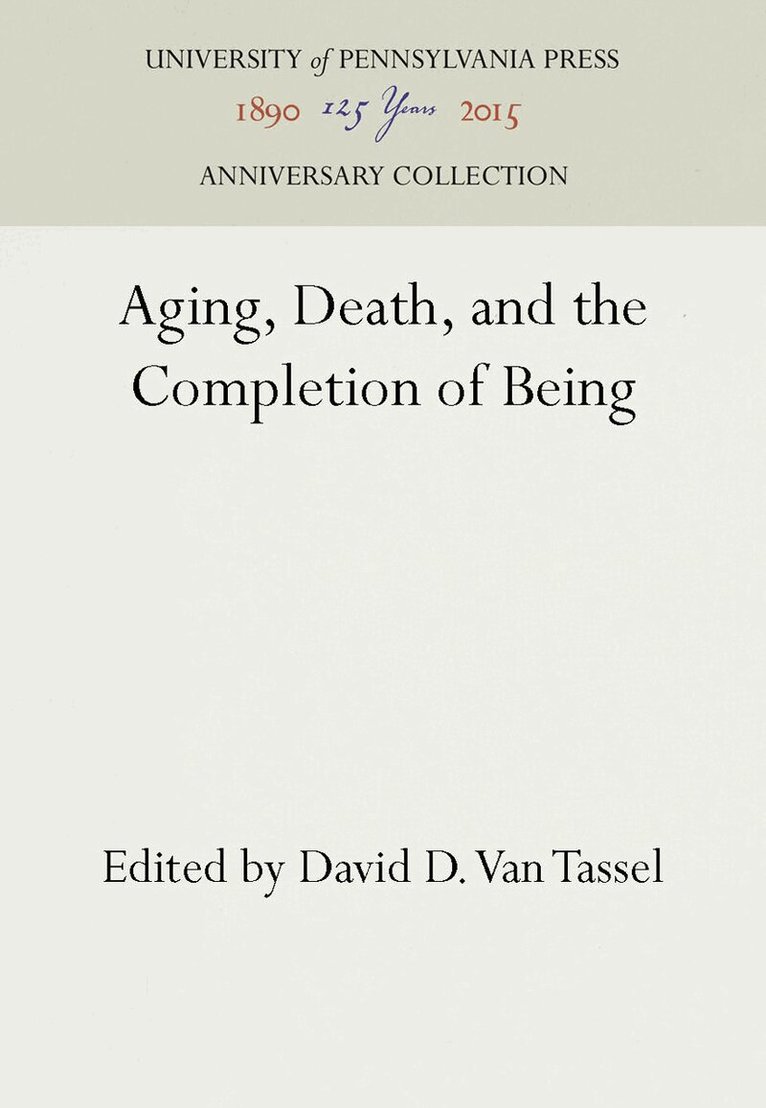
While the problems of aging are being studied with microscope, computer, and questionnaire as a medical, social, and economic challenge, these essays introduce the humanistic perspective. The assumption behind this work is that in history, literature, folklore, and art we have the record of centuries of human experience to enhance our present understanding of aging, old age, and death.Growing old is a process that occurs in every person every minute, every hour that passes. But if aging does not begin on the day of retirement at the age of sixty-five, what is the definition of old age? Is it chronologically; physiologically, mentally, or culturally determined? Old age may not be a phase of life as easily identified as adolescence.As our population continues to grow older we are ever more in need of greater sensitivity to the joys and tragedies of old age. In recent years, however, our view of old age has been clouded by our negative feelings about death. Old age has become inextricably associated with death. It was not always so: until a lower infant mortality rate, better nutrition, and a higher standard of living so greatly increased our chances of surviving into old age, death was recognized as a threat at every stage of life.This volume brings together twelve eminent scholars from various humanistic disciplines to trace the origins of our present attitudes and to identify the models and myths of old age in our culture. The historians in the group ask how old people were treated in past societies. Literary scholars and art critics discuss the effects of aging on the later works of authors and artists and art as a source of solace, inspiration, and revelation to the aged. A philosopher explores a theme shared by all: that the way one ages and dies is a function of the way one has lived.Contributors: John Demos, Leon Edel, Erik H. Erikson, Leslie Fiedler, Tamara K. Hareven, Robert Kastenbaum, Robert Kohn, Juanita M. Kreps, Peter Laslett, Francis V. O''Connor, Robert F. Sayre.
398 kr
Läs direkt efter köp
A valuable addition to the literature on Ohio and the Civil War
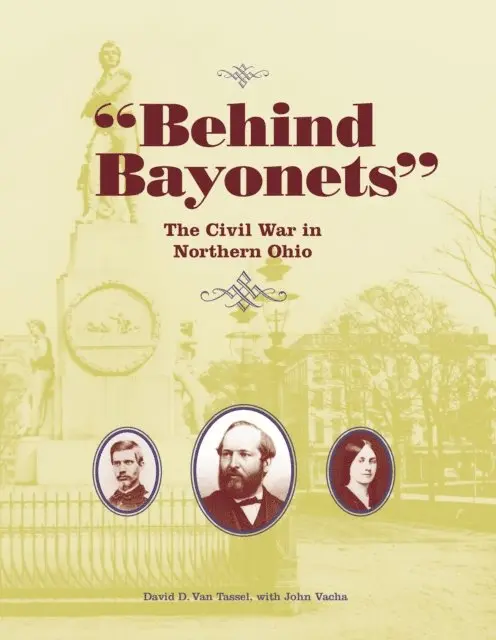
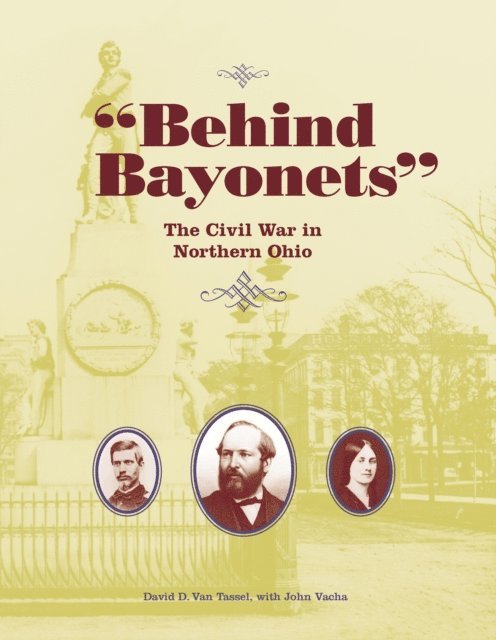
Eminent Cleveland historian David Van Tassel had undertaken the challenge of writing an illustrated history of the Cleveland homefront during the Civil War. Unfortunately, he died in 2000 before completing his manuscript. Historian John Vacha completed the final chapters using notes, lists, and ideas that Van Tassel had gathered, and their efforts are presented in Behind Bayonets.
Behind Bayonets focuses on Ohio’s substantial role in the Civil War. It is perhaps the only work that uses published and unpublished sources written by northeast Ohioans to comment on the causes, course, and purpose of the war. It does not provide an overview of battles, but it does address soldiers’ enlistments and early camp experiences, women’s experiences, public reactions to emancipation and the general political interest in the war, local business growth during the war, and Lincoln’s assassination and the funeral train’s stop in Cleveland.
The authors use moving first-person commentaries and accounts to illustrate and explain these issues and situations. Additionally, the text is lavishly illustrated with rare photographs from the Western Reserve Historical Society’s archives.
This regional perspective on the war is a noteworthy addition to Civil War literature, offering insight into what was going on at home while the war was being fought.
398 kr
Läs direkt efter köp
A valuable addition to the literature on Ohio and the Civil War
Eminent Cleveland historian David Van Tassel had undertaken the challenge of writing an illustrated history of the Cleveland homefront during the Civil War. Unfortunately, he died in 2000 before completing his manuscript. Historian John Vacha completed the final chapters using notes, lists, and ideas that Van Tassel had gathered, and their efforts are presented in Behind Bayonets.
Behind Bayonets focuses on Ohio’s substantial role in the Civil War. It is perhaps the only work that uses published and unpublished sources written by northeast Ohioans to comment on the causes, course, and purpose of the war. It does not provide an overview of battles, but it does address soldiers’ enlistments and early camp experiences, women’s experiences, public reactions to emancipation and the general political interest in the war, local business growth during the war, and Lincoln’s assassination and the funeral train’s stop in Cleveland.
The authors use moving first-person commentaries and accounts to illustrate and explain these issues and situations. Additionally, the text is lavishly illustrated with rare photographs from the Western Reserve Historical Society’s archives.
This regional perspective on the war is a noteworthy addition to Civil War literature, offering insight into what was going on at home while the war was being fought.