John Vacha – författare
Visar alla böcker från författaren John Vacha. Handla med fri frakt och snabb leverans.
9 produkter
Showtime in Cleveland
The Rise of a Regional Theater Center
Av John Vacha
Häftad, 2001
357 kr
Lägg i varukorg
This work takes the reader from the city's first professional theatrical presentation in 1820, through the heyday of vaudeville, to the grand reopening of the newly renovated Allen Theatre in 1999 and the return of touring Broadway shows to Cleveland. In 1820 Cleveland was able to draw a visit from …
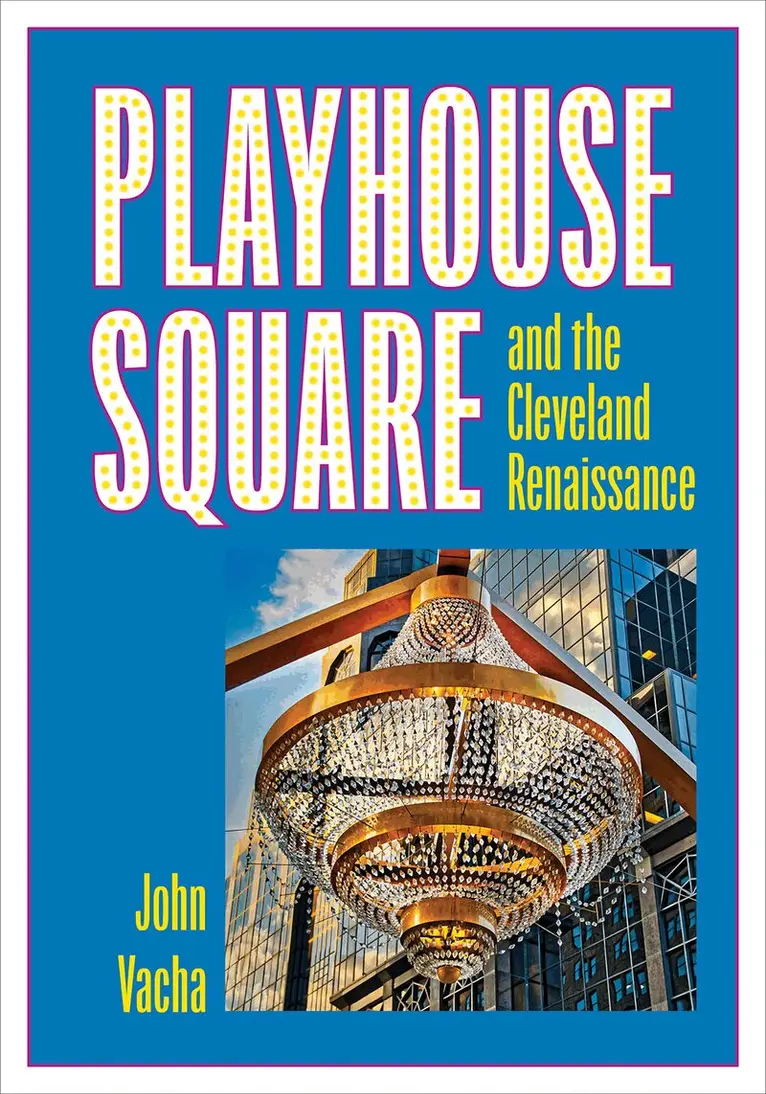
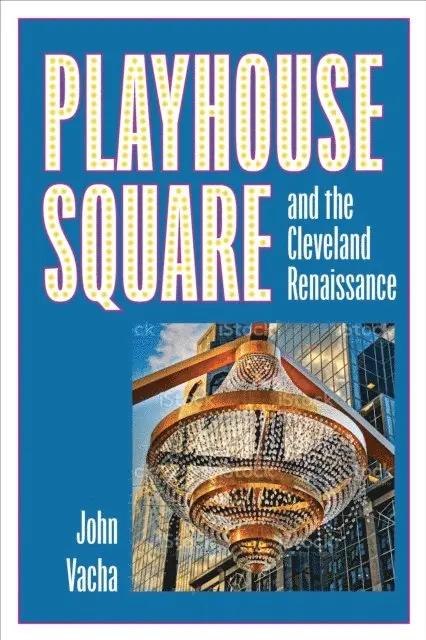
Playhouse Square and the Cleveland Renaissance
Av John Vacha
Häftad, 2024
310 kr
Lägg i varukorg
How five beloved Cleveland theaters escaped the wrecking ball and inspired city-wide urban renewal Shortly after World War I ended, five new theaters were constructed in downtown Cleveland, Ohio, all within a two-block radius. The concentration of these venues, which featured movies, vaudeville, …
Showtime in Cleveland
The Rise of a Regional Theater Center
Av John Vacha
E-bok, 2013
334 kr
Lägg i varukorg
This work takes the reader from the city''s first professional theatrical presentation in 1820, through the heyday of vaudeville, to the grand reopening of the newly renovated Allen Theater in 1999 and the return of touring Broadway shows to Cleveland. In 1820 Cleveland was able to draw a visit …
Showtime in Cleveland
The Rise of a Regional Theater Center
Av John Vacha
E-bok, 2013
341 kr
Lägg i varukorg
This work takes the reader from the city''s first professional theatrical presentation in 1820, through the heyday of vaudeville, to the grand reopening of the newly renovated Allen Theater in 1999 and the return of touring Broadway shows to Cleveland. In 1820 Cleveland was able to draw a visit …
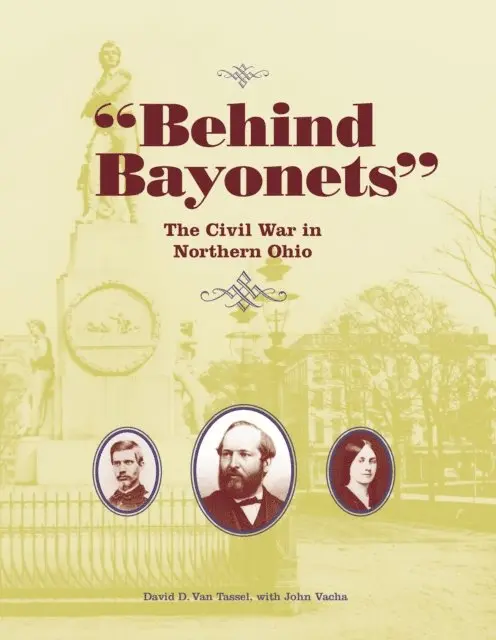
Behind Bayonets
The Civil War in Northern Ohio
Av John Vacha, David D. Van Tassel
E-bok, 2013
409 kr
Lägg i varukorg
A valuable addition to the literature on Ohio and the Civil War Eminent Cleveland historian David Van Tassel had undertaken the challenge of writing an illustrated history of the Cleveland homefront during the Civil War. Unfortunately, he died in 2000 before completing his manuscript. Historian …
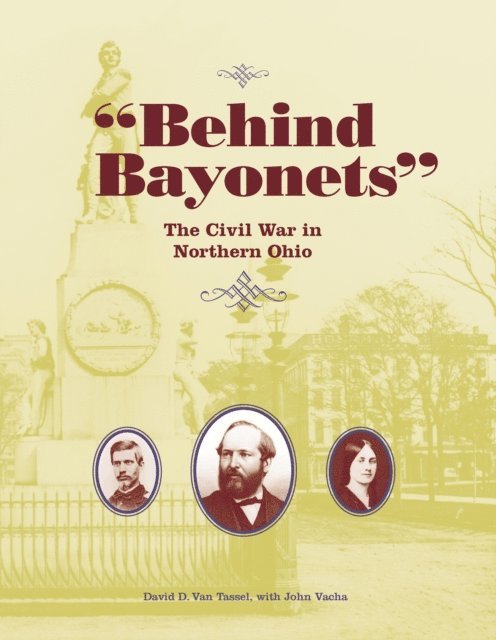
Behind Bayonets
The Civil War in Northern Ohio
Av John Vacha, David D. Van Tassel
E-bok, 2013
401 kr
Lägg i varukorg
A valuable addition to the literature on Ohio and the Civil War Eminent Cleveland historian David Van Tassel had undertaken the challenge of writing an illustrated history of the Cleveland homefront during the Civil War. Unfortunately, he died in 2000 before completing his manuscript. Historian …
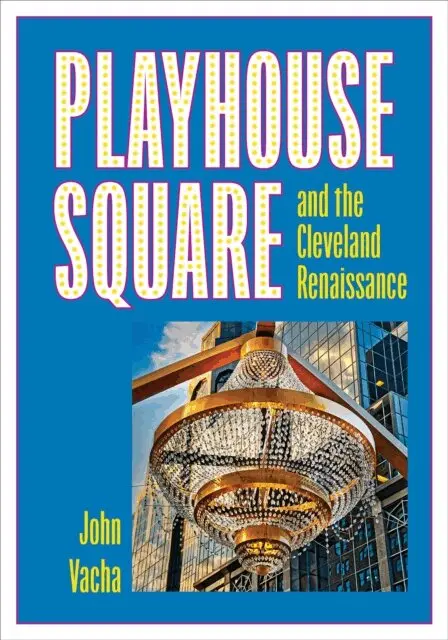
Playhouse Square and the Cleveland Renaissance
Av John Vacha
E-bok, 2024
328 kr
Lägg i varukorg
How five beloved Cleveland theaters escaped the wrecking ball and inspired city-wide urban renewal Shortly after World War I ended, five new theaters were constructed in downtown Cleveland, Ohio, all within a two-block radius. The concentration of these venues, which featured movies, vaudeville, …
Playhouse Square and the Cleveland Renaissance
Av John Vacha
E-bok, 2024
328 kr
Lägg i varukorg
How five beloved Cleveland theaters escaped the wrecking ball and inspired city-wide urban renewal Shortly after World War I ended, five new theaters were constructed in downtown Cleveland, Ohio, all within a two-block radius. The concentration of these venues, which featured movies, vaudeville, …
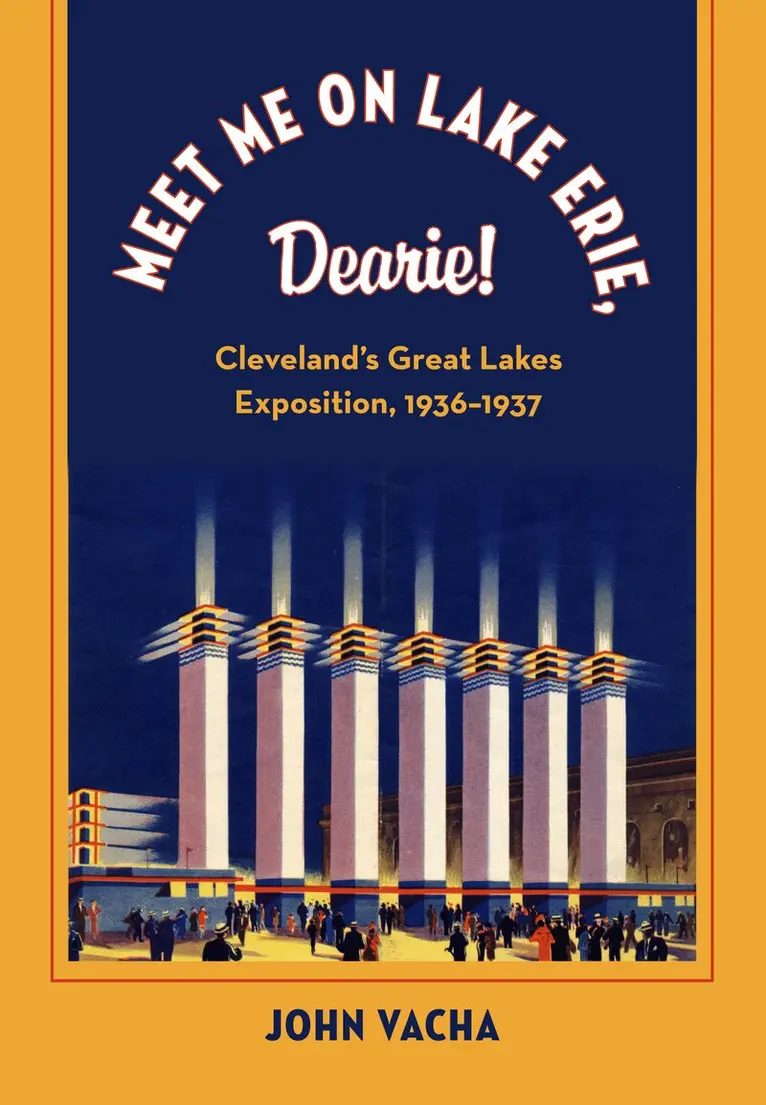
Meet Me on Lake Erie, Dearie!
Cleveland's Great Lakes Exposition, 1936-1937
Av John Vacha
Häftad, 2010
338 kr
Tillfälligt slut
In the summers of 1936 and 1937 the Great Lakes Exposition was presented in Cleveland, Ohio, along the Lake Erie shore just north of the downtown business area. At the time, Cleveland was America’s sixth largest city. The Exposition was scheduled to commemorate the centennial of Cleveland’s …