David H. Pinkney - Böcker
Visar alla böcker från författaren David H. Pinkney. Handla med fri frakt och snabb leverans.
8 produkter
8 produkter
291 kr
Skickas inom 7-10 vardagar
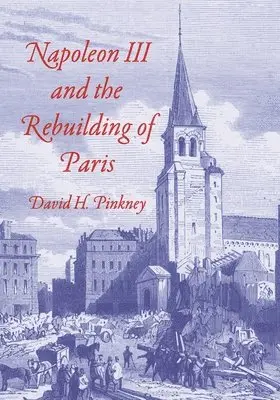
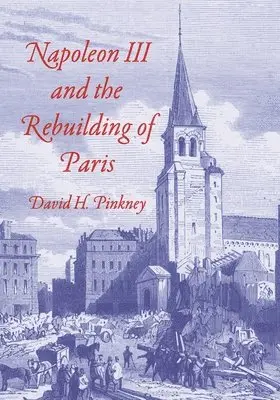
A classic history of the creation of modern Paris by Napoleon III and HaussmannBetween 1850 and 1870, Napoleon III and his Prefect of the Seine, Baron Haussmann, created the modern city of Paris out of the congested and ill-equipped capital of the eighteenth century. They gave Paris many of its present major streets, its great municipal parks, the Central Markets, the Opera House and other well-known buildings, and a water supply system and sewer network that still serve the city. In Napoleon III and the Rebuilding of Paris, David Pinkney tells the story of how Paris was transformed and examines the many challenges that the venture faced, including an increasing population, engineering problems, political complications, and personality clashes. Pinkney sets the undertaking in the context of French political and economic history, shows its relation to the public health movement of the mid-nineteenth century, and explains its significance in the history of city planning.
1 020 kr
Skickas inom 7-10 vardagar
A classic history of the creation of modern Paris by Napoleon III and HaussmannBetween 1850 and 1870, Napoleon III and his Prefect of the Seine, Baron Haussmann, created the modern city of Paris out of the congested and ill-equipped capital of the eighteenth century. They gave Paris many of its present major streets, its great municipal parks, the Central Markets, the Opera House and other well-known buildings, and a water supply system and sewer network that still serve the city. In Napoleon III and the Rebuilding of Paris, David Pinkney tells the story of how Paris was transformed and examines the many challenges that the venture faced, including an increasing population, engineering problems, political complications, and personality clashes. Pinkney sets the undertaking in the context of French political and economic history, shows its relation to the public health movement of the mid-nineteenth century, and explains its significance in the history of city planning.
510 kr
Skickas
David Pinkney challenges accepted views of the timing of France's Industrial Revolution and the accompanying transformation of French society. Originally published in 1986. The Princeton Legacy Library uses the latest print-on-demand technology to again make available previously out-of-print books from the distinguished backlist of Princeton University Press. These editions preserve the original texts of these important books while presenting them in durable paperback and hardcover editions. The goal of the Princeton Legacy Library is to vastly increase access to the rich scholarly heritage found in the thousands of books published by Princeton University Press since its founding in 1905.
1 728 kr
Skickas inom 3-6 vardagar
David Pinkney challenges accepted views of the timing of France's Industrial Revolution and the accompanying transformation of French society. Originally published in 1986. The Princeton Legacy Library uses the latest print-on-demand technology to again make available previously out-of-print books from the distinguished backlist of Princeton University Press. These editions preserve the original texts of these important books while presenting them in durable paperback and hardcover editions. The goal of the Princeton Legacy Library is to vastly increase access to the rich scholarly heritage found in the thousands of books published by Princeton University Press since its founding in 1905.
647 kr
Skickas inom 7-10 vardagar
In this absorbing narrative of the fall of the last Bourbon Monarch, David H. Pinkney resconstructs events in France during the seventeen critical months between August 1829 and December 1830. Beginning with the formation of the Polignac ministry, he traces the development of the conflict betweeen the crown and its opponents, showing how the protest against Charles X's Four Ordinances was turned into revolution by the intervention of the Parisian crowd. Motviated by resentement of the Bourbons, economic distress, and vaguely conceived ideals of the earlier Revolution, the people emerged as a political power again and expelled the royal forces from Paris. The fall of Charles X was followed by a power struggle that ended with the investitutre of Louis-Philippe, king by contract with the Chamber of Deputies.The author examines problems of interest to all students of revolution. What drove teh leaders to revolutionary action? Who were the members of the crowd? What were their motives? What were the effects of revolution on the composition of the ruling elite and on Paris?David H. Pinkney is Professor of History at the University of Washington, and the author of Napoleon III and the Rebuilding of Paris (Princeton).Originally published in 1972.The Princeton Legacy Library uses the latest print-on-demand technology to again make available previously out-of-print books from the distinguished backlist of Princeton University Press. These editions preserve the original texts of these important books while presenting them in durable paperback and hardcover editions. The goal of the Princeton Legacy Library is to vastly increase access to the rich scholarly heritage found in the thousands of books published by Princeton University Press since its founding in 1905.
453 kr
Skickas inom 7-10 vardagar
In the two decades between 1850 and 1870 Napoleon III and his Prefect of the Seine, Baron Haussmann, created the modern city of Paris out of the congested and ill-equipped capital of the 18th century. They gave Paris many of its present major streets, its great municipal parks, the Central Markets, the Opera House and other well-known buildings, as well as a water supply system and a network of sewers that still serve the city. The various factors of the venture: the city's rapidly increasing population, the challenging engineering problems, the political complications, and the clash of personalities involved are here considered. The author presents the whole undertaking in the perspective of French political and economic history, shows its relation to the public health movement of the mid-nineteenth century, and explains its significance in the history of city planning.Originally published in 1958.The Princeton Legacy Library uses the latest print-on-demand technology to again make available previously out-of-print books from the distinguished backlist of Princeton University Press. These editions preserve the original texts of these important books while presenting them in durable paperback and hardcover editions. The goal of the Princeton Legacy Library is to vastly increase access to the rich scholarly heritage found in the thousands of books published by Princeton University Press since its founding in 1905.
2 944 kr
Skickas inom 3-6 vardagar
In this absorbing narrative of the fall of the last Bourbon Monarch, David H. Pinkney resconstructs events in France during the seventeen critical months between August 1829 and December 1830. Beginning with the formation of the Polignac ministry, he traces the development of the conflict betweeen the crown and its opponents, showing how the protest against Charles X's Four Ordinances was turned into revolution by the intervention of the Parisian crowd. Motviated by resentement of the Bourbons, economic distress, and vaguely conceived ideals of the earlier Revolution, the people emerged as a political power again and expelled the royal forces from Paris. The fall of Charles X was followed by a power struggle that ended with the investitutre of Louis-Philippe, king by contract with the Chamber of Deputies.The author examines problems of interest to all students of revolution. What drove teh leaders to revolutionary action? Who were the members of the crowd? What were their motives? What were the effects of revolution on the composition of the ruling elite and on Paris?David H. Pinkney is Professor of History at the University of Washington, and the author of Napoleon III and the Rebuilding of Paris (Princeton).Originally published in 1972.The Princeton Legacy Library uses the latest print-on-demand technology to again make available previously out-of-print books from the distinguished backlist of Princeton University Press. These editions preserve the original texts of these important books while presenting them in durable paperback and hardcover editions. The goal of the Princeton Legacy Library is to vastly increase access to the rich scholarly heritage found in the thousands of books published by Princeton University Press since its founding in 1905.
1 024 kr
Tillfälligt slut
In the two decades between 1850 and 1870 Napoleon III and his Prefect of the Seine, Baron Haussmann, created the modern city of Paris out of the congested and ill-equipped capital of the 18th century. They gave Paris many of its present major streets, its great municipal parks, the Central Markets, the Opera House and other well-known buildings, as well as a water supply system and a network of sewers that still serve the city. The various factors of the venture: the city's rapidly increasing population, the challenging engineering problems, the political complications, and the clash of personalities involved are here considered. The author presents the whole undertaking in the perspective of French political and economic history, shows its relation to the public health movement of the mid-nineteenth century, and explains its significance in the history of city planning.Originally published in 1958.The Princeton Legacy Library uses the latest print-on-demand technology to again make available previously out-of-print books from the distinguished backlist of Princeton University Press. These editions preserve the original texts of these important books while presenting them in durable paperback and hardcover editions. The goal of the Princeton Legacy Library is to vastly increase access to the rich scholarly heritage found in the thousands of books published by Princeton University Press since its founding in 1905.