David Hamilton Golland - Böcker
Visar alla böcker från författaren David Hamilton Golland. Handla med fri frakt och snabb leverans.
7 produkter
7 produkter
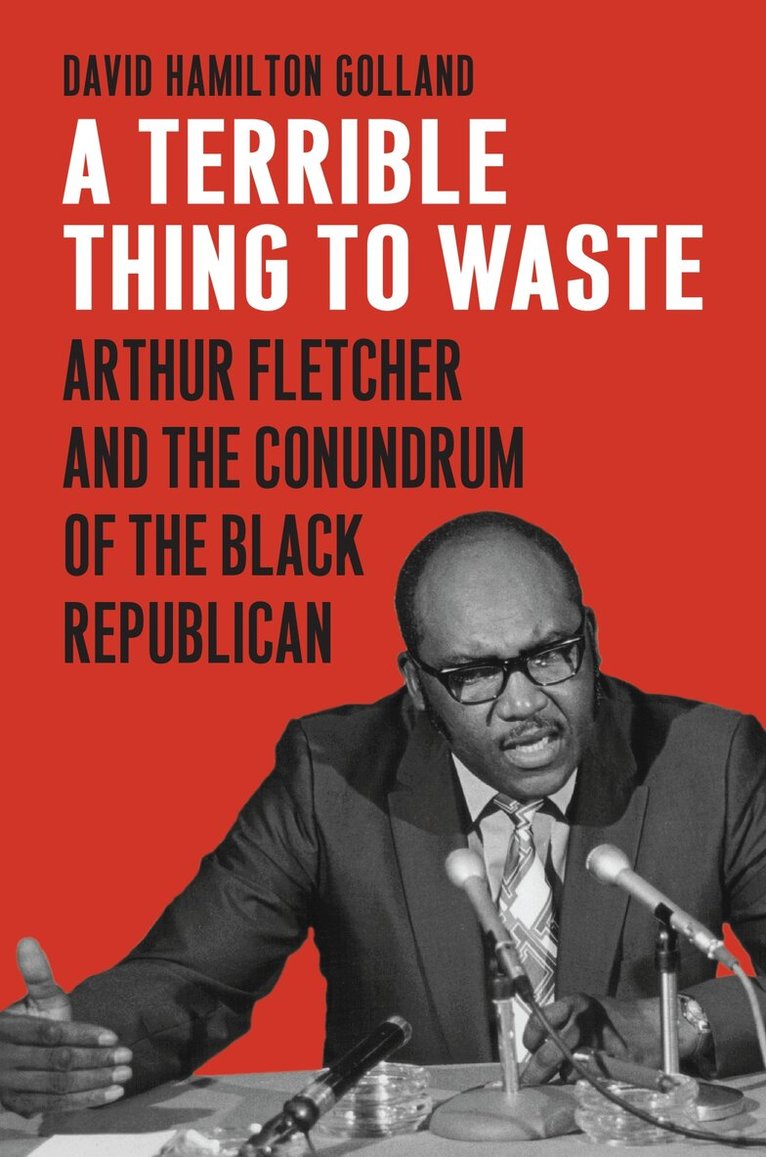
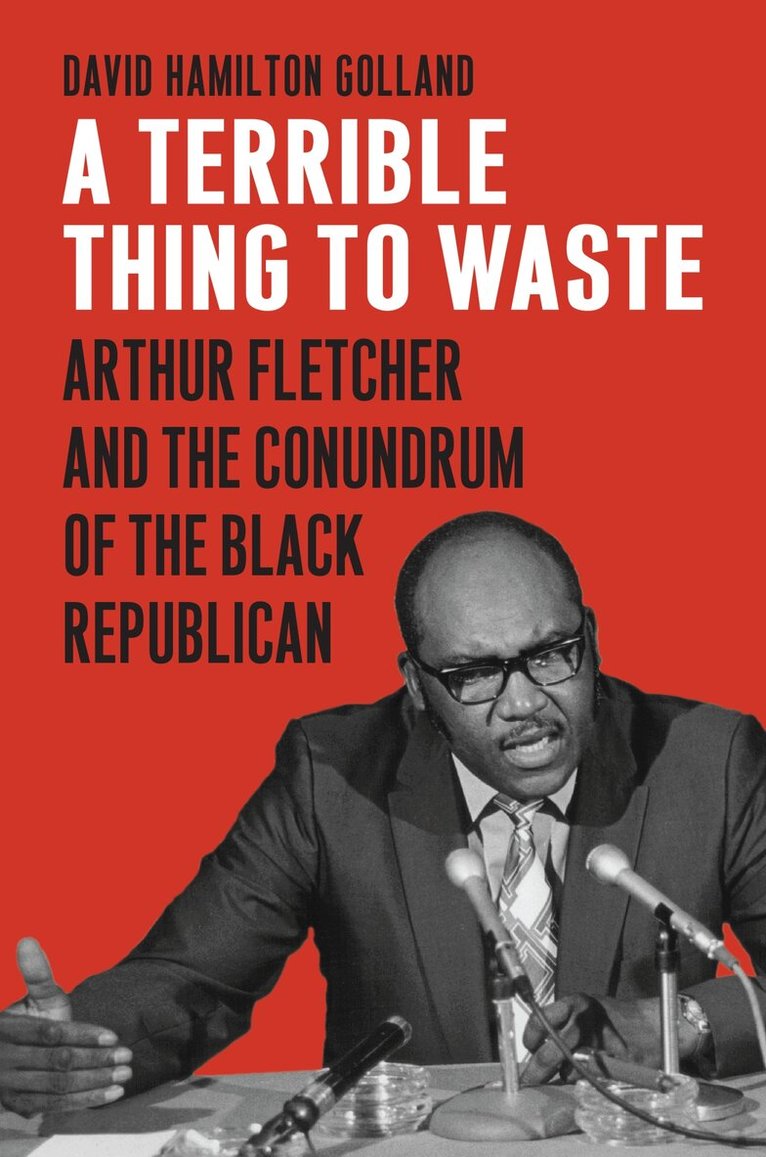
Terrible Thing to Waste
Arthur Fletcher and the Conundrum of the Black Republican
Inbunden, Engelska, 2019
656 kr
Skickas inom 7-10 vardagar
Arthur Fletcher (1924–2005) was the most important civil rights leader you've (probably) never heard of. The first black player for the Baltimore Colts, the father of affirmative action and adviser to four presidents, he coined the United Negro College Fund's motto: “A Mind Is a Terrible Thing to Waste.” Modern readers might be surprised to learn that Fletcher was also a Republican. Fletcher's story, told in full for the first time in this book, embodies the conundrum of the post-World War II black Republican—the civil rights leader who remained loyal to the party even as it abandoned the principles he espoused.The upward arc of Fletcher's political narrative begins with his first youthful protest—a boycott of his high school yearbook—and culminates with his appointment as assistant secretary of Labor under Richard Nixon. The Republican Party he embraced after returning from the war was “the Party of Lincoln”—a big tent, truly welcoming African Americans. A Terrible Thing to Waste shows us those heady days, from Brown v. Board of Education to Fletcher's implementing of the Philadelphia Plan, the first major national affirmative action initiative. Though successes and accomplishments followed through successive Republican administrations—as chair of the US Commission on Civil Rights under George H. W. Bush, for example, Fletcher's ability to promote civil rights policy eroded along with the GOP's engagement, as New Movement Conservatism and Nixon's Southern Strategy steadily alienated black voters. The book follows Fletcher to the bitter end, his ideals and party in direct conflict and his signature achievement under threat.In telling Fletcher's story, A Terrible Thing to Waste brings to light a little known chapter in the history of the civil rights movement—and with it, insights especially timely for a nation so dramatically divided over issues of race and party.
Terrible Thing to Waste
Arthur Fletcher and the Conundrum of the Black Republican
Häftad, Engelska, 2024
361 kr
Skickas inom 10-15 vardagar
Arthur Fletcher (1924–2005) was the most important civil rights leader you've (probably) never heard of. The first black player for the Baltimore Colts, the father of affirmative action and adviser to four presidents, he coined the United Negro College Fund’s motto: “A Mind Is a Terrible Thing to Waste.” Modern readers might be surprised to learn that Fletcher was also a Republican. Fletcher’s story, told in full for the first time in this book, embodies the conundrum of the post–World War II black Republican—the civil rights leader who remained loyal to the party even as it abandoned the principles he espoused.The upward arc of Fletcher’s political narrative begins with his first youthful protest—a boycott of his high school yearbook—and culminates with his appointment as assistant secretary of Labor under Richard Nixon. The Republican Party he embraced after returning from the war was “the Party of Lincoln”—a big tent, truly welcoming African Americans. A Terrible Thing to Waste shows us those heady days, from Brown v. Board of Education to Fletcher’s implementing of the Philadelphia Plan, the first major national affirmative action initiative. Though successes and accomplishments followed through successive Republican administrations—as chair of the US Commission on Civil Rights under George H. W. Bush, for example, Fletcher’s ability to promote civil rights policy eroded along with the GOP’s engagement, as New Movement Conservatism and Nixon’s Southern Strategy steadily alienated black voters. The book follows Fletcher to the bitter end, his ideals and party in direct conflict and his signature achievement under threat.In telling Fletcher’s story, A Terrible Thing to Waste brings to light a little known chapter in the history of the civil rights movement—and with it, insights especially timely for a nation so dramatically divided over issues of race and party.
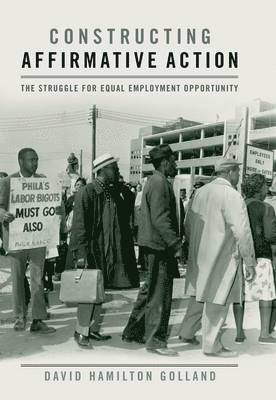
Constructing Affirmative Action
The Struggle for Equal Employment Opportunity
Inbunden, Engelska, 2011
812 kr
Skickas inom 3-6 vardagar
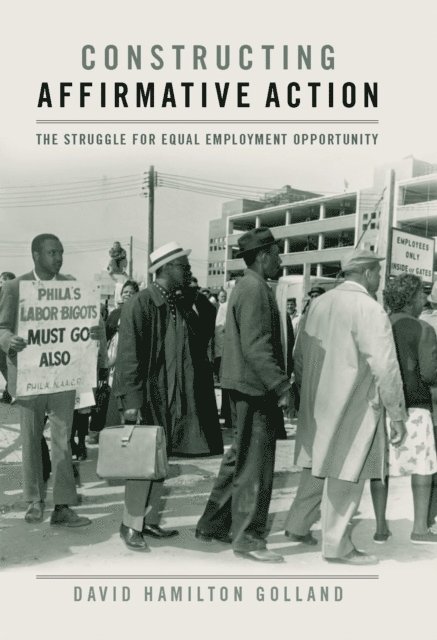
Between 1965, when President Lyndon B. Johnson defined affirmative action as a legitimate federal goal, and 1972, when President Richard M. Nixon named one of affirmative action's chief antagonists the head of the Department of Labor, government officials at all levels addressed racial economic inequality in earnest. Providing members of historically disadvantaged groups an equal chance at obtaining limited and competitive positions, affirmative action had the potential to alienate large numbers of white Americans, even those who had viewed school desegregation and voting rights in a positive light. Thus, affirmative action was -- and continues to be -- controversial.Novel in its approach and meticulously researched, David Hamilton Golland's Constructing Affirmative Action: The Struggle for Equal Employment Opportunity bridges a sizeable gap in the literature on the history of affirmative action. Golland examines federal efforts to diversify the construction trades from the 1950s through the 1970s, offering valuable insights into the origins of affirmative action--related policy. Constructing Affirmative Action analyzes how community activism pushed the federal government to address issues of racial exclusion and marginalization in the construction industry with programs in key American cities.
362 kr
Skickas inom 10-15 vardagar
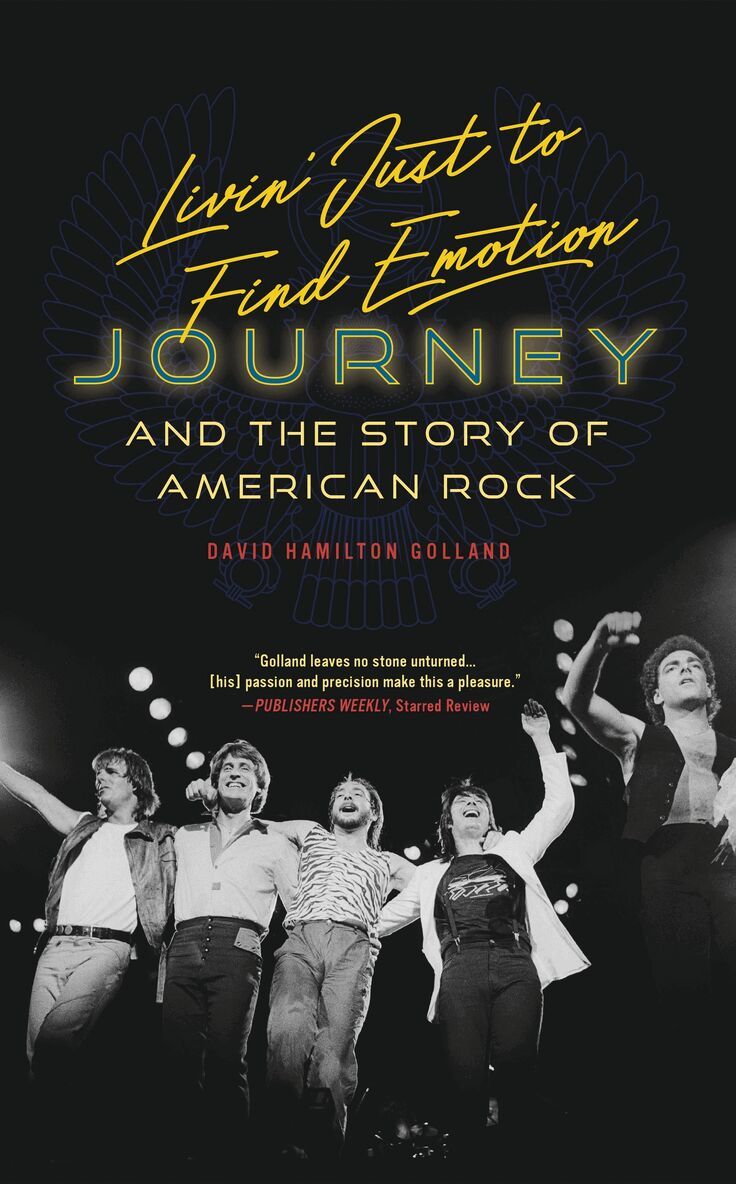
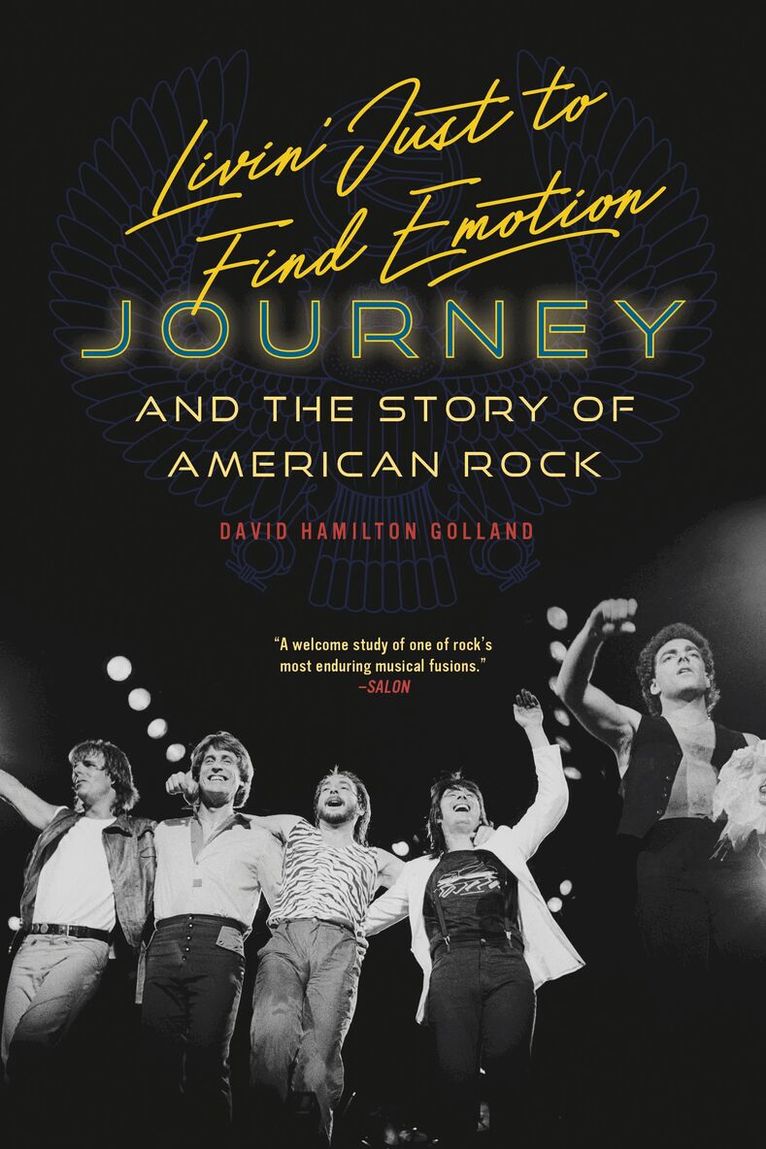
"Golland leaves no stone unturned in this fine-grained chronicle of the rock group Journey.... Golland’s passion and precision make this a pleasure." -Publishers Weekly, Starred Review"[Golland] provides an overdue critical take on the group’s overall sound. He also discusses issues of musical influence versus appropriation. It is rare, and valuable, to find such insight in books like this." -Library Journal, Starred Review“A welcome study of one of rock’s most enduring musical fusions." - Salon Relive Journey’s greatest songs and moments with this fiftieth anniversary tributeSince exploding on the scene in the late 1970s, Journey has inspired generations of fans with hit after hit. But hidden under this rock ‘n’ roll glory is a complex story of ambition, larger-than-life personalities, and clashes. David Hamilton Golland unearths the band’s true and complete biography, based on over a decade of interviews and thousands of sources.When Steve Perry joined jazz-blues progressive rock band Journey in 1977, they saw a rise to the top, and their 1981 album Escape hit #1. But Perry’s quest for control led to Journey’s demise. They lost their record contract and much of their audience. After the unlikely comeback of “Don’t Stop Believin’” in movies, television, and sports stadiums, a new generation discovered Journey.A professional historian, Golland dispels rehashed myths and also shows how race in popular music contributed to their breakout success. As the economy collapsed and as people abandoned the spirit of Woodstock in the late 70s, Journey used the rhythm of soul and Motown to inspire hope in primarily white teenagers’ lives. Decades later, the band and their signature song remain classics, and now, with singer Arnel Pineda, they are again a fixture in major stadiums worldwide.
261 kr
Skickas inom 5-8 vardagar
325 kr
Skickas inom 3-6 vardagar
286 kr
Skickas inom 7-10 vardagar
“Golland leaves no stone unturned in this fine-grained chronicle of the rock group Journey.... Golland’s passion and precision make this a pleasure.” – Publishers Weekly, Starred Review“A welcome study of one of rock’s most enduring musical fusions.” – SalonSince exploding on the scene in the late 1970s, Journey has inspired generations of fans with hit after hit. But hidden under this rock ‘n’ roll glory is a complex story of ambition, larger-than-life personalities, and clashes. David Hamilton Golland unearths the band’s true and complete biography, based on over a decade of interviews and thousands of sources.When Steve Perry joined jazz-blues progressive rock band Journey in 1977, they saw a rise to the top, and their 1981 album Escape hit #1. But Perry’s quest for control led to Journey’s demise. They lost their record contract and much of their audience. After the unlikely comeback of “Don’t Stop Believin’” in movies, television, and sports stadiums, a new generation discovered Journey.A professional historian, Golland dispels rehashed myths and also shows how race in popular music contributed to their breakout success. As the economy collapsed and as people abandoned the spirit of Woodstock in the late 70s, Journey used the rhythm of soul and Motown to inspire hope in primarily white teenagers’ lives. Decades later, the band and their signature song remain classics, and now, with singer Arnel Pineda, they are again a fixture in major stadiums worldwide.