David K. Barnes – författare
1 065 kr
Läs direkt efter köp
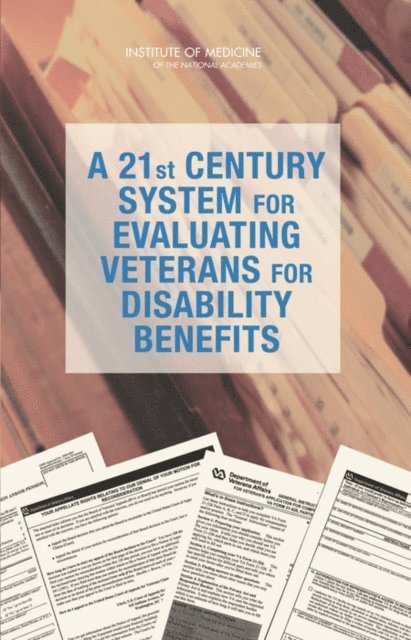
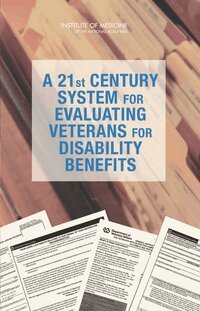
21st Century System for Evaluating Veterans'' Disability Benefits recommends improvements in the medical evaluation and rating of veterans for the benefits provided by the Department of Veterans Affairs (VA) to compensate for illnesses or injuries incurred in or aggravated by military service. Compensation is a monthly cash benefit based on a rating schedule that determines the degree of disability on a scale of 0 to 100. Although a disability rating may also entitle a veteran to ancillary services, such as vocational rehabilitation and employment services, the rating schedule is out of date medically and contains ambiguous criteria and obsolete conditions and language. The current rating schedule emphasizes impairment and limitations or loss of specific body structures and functions which may not predict disability well. 21st Century System for Evaluating Veterans'' Disability Benefits recommends that this schedule could be revised to include modern concepts of disability including work disability, nonwork disability, and quality of life.
In addition to the need for an updated rating schedule, this book highlights the need for the Department of Veterans'' Affairs to devote additional resources to systematic analysis of how well it is providing services or how much the lives of veterans are being improved, as well as the need for a program of research oriented toward understanding and improving the effectiveness of its benefits programs.
1 126 kr
Läs direkt efter köp
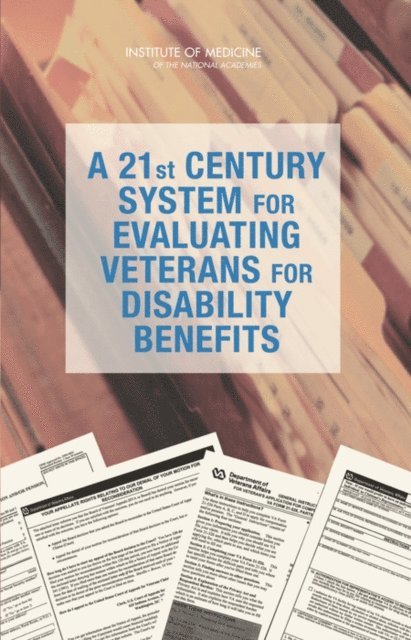
21st Century System for Evaluating Veterans'' Disability Benefits recommends improvements in the medical evaluation and rating of veterans for the benefits provided by the Department of Veterans Affairs (VA) to compensate for illnesses or injuries incurred in or aggravated by military service. Compensation is a monthly cash benefit based on a rating schedule that determines the degree of disability on a scale of 0 to 100. Although a disability rating may also entitle a veteran to ancillary services, such as vocational rehabilitation and employment services, the rating schedule is out of date medically and contains ambiguous criteria and obsolete conditions and language. The current rating schedule emphasizes impairment and limitations or loss of specific body structures and functions which may not predict disability well. 21st Century System for Evaluating Veterans'' Disability Benefits recommends that this schedule could be revised to include modern concepts of disability including work disability, nonwork disability, and quality of life.
In addition to the need for an updated rating schedule, this book highlights the need for the Department of Veterans'' Affairs to devote additional resources to systematic analysis of how well it is providing services or how much the lives of veterans are being improved, as well as the need for a program of research oriented toward understanding and improving the effectiveness of its benefits programs.
919 kr
Läs direkt efter köp
The Social Security Administration (SSA) provides Social Security Disability Insurance (SSDI) benefits to disabled persons of less than full retirement age and to their dependents. SSA also provides Supplemental Security Income (SSI) payments to disabled persons who are under age 65. For both programs, disability is defined as a "medically determinable physical or mental impairment" that prevents an individual from engaging in any substantial gainful activity and is expected to last at least 12 months or result in death.Assuming that an applicant meets the nonmedical requirements for eligibility (e.g., quarters of covered employment for SSDI; income and asset limits for SSI), the file is sent to the Disability Determination Services (DDS) agency operated by the state in which he or she lives for a determination of medical eligibility. SSA reimburses the states for the full costs of the DDSs.The DDSs apply a sequential decision process specified by SSA to make an initial decision whether a claim should be allowed or denied. If the claim is denied, the decision can be appealed through several levels of administrative and judicial review. On average, the DDSs allow 37 percent of the claims they adjudicate through the five-step process. A third of those denied decide to appeal, and three-quarters of the appeals result in allowances. Nearly 30 percent of the allowances made each year are made during the appeals process after an initial denial.In 2003, the Commissioner of Social Security announced her intent to develop a "new approach" to disability determination. In late 2004, SSA asked the Institute of Medicine (IOM) to help in two areas related to its initiatives to improve the disability decision process: 1) Improvements in the criteria for determining the severity of impairments, and 2) Improvements in the use of medical expertise in the disability decision process.This interim report provides preliminary recommendations addressing the three tasks that relate to medical expertise issues, with a special focus on the appropriate qualifications of medical and psychological experts involved in disability decision making. After further information gathering and analyses of the effectiveness of the disability decision process in identifying those who qualify for benefits and those who do not, the committee may refine its recommendations concerning medical and psychological expertise in the final report. The final report will address a number of issues with potential implications for the qualifications of the medical experts involved in the disability decision process.
797 kr
Läs direkt efter köp
The Social Security Administration (SSA) provides Social Security Disability Insurance (SSDI) benefits to disabled persons of less than full retirement age and to their dependents. SSA also provides Supplemental Security Income (SSI) payments to disabled persons who are under age 65. For both programs, disability is defined as a "medically determinable physical or mental impairment" that prevents an individual from engaging in any substantial gainful activity and is expected to last at least 12 months or result in death.Assuming that an applicant meets the nonmedical requirements for eligibility (e.g., quarters of covered employment for SSDI; income and asset limits for SSI), the file is sent to the Disability Determination Services (DDS) agency operated by the state in which he or she lives for a determination of medical eligibility. SSA reimburses the states for the full costs of the DDSs.The DDSs apply a sequential decision process specified by SSA to make an initial decision whether a claim should be allowed or denied. If the claim is denied, the decision can be appealed through several levels of administrative and judicial review. On average, the DDSs allow 37 percent of the claims they adjudicate through the five-step process. A third of those denied decide to appeal, and three-quarters of the appeals result in allowances. Nearly 30 percent of the allowances made each year are made during the appeals process after an initial denial.In 2003, the Commissioner of Social Security announced her intent to develop a "new approach" to disability determination. In late 2004, SSA asked the Institute of Medicine (IOM) to help in two areas related to its initiatives to improve the disability decision process: 1) Improvements in the criteria for determining the severity of impairments, and 2) Improvements in the use of medical expertise in the disability decision process.This interim report provides preliminary recommendations addressing the three tasks that relate to medical expertise issues, with a special focus on the appropriate qualifications of medical and psychological experts involved in disability decision making. After further information gathering and analyses of the effectiveness of the disability decision process in identifying those who qualify for benefits and those who do not, the committee may refine its recommendations concerning medical and psychological expertise in the final report. The final report will address a number of issues with potential implications for the qualifications of the medical experts involved in the disability decision process.
UNIT - The New Series: 7. Revisitations
362 kr
Skickas inom 11-20 vardagar
809 kr
Tillfälligt slut
951 kr
Tillfälligt slut