David Kieran - Böcker
Visar alla böcker från författaren David Kieran. Handla med fri frakt och snabb leverans.
6 produkter
6 produkter
370 kr
Skickas inom 5-8 vardagar
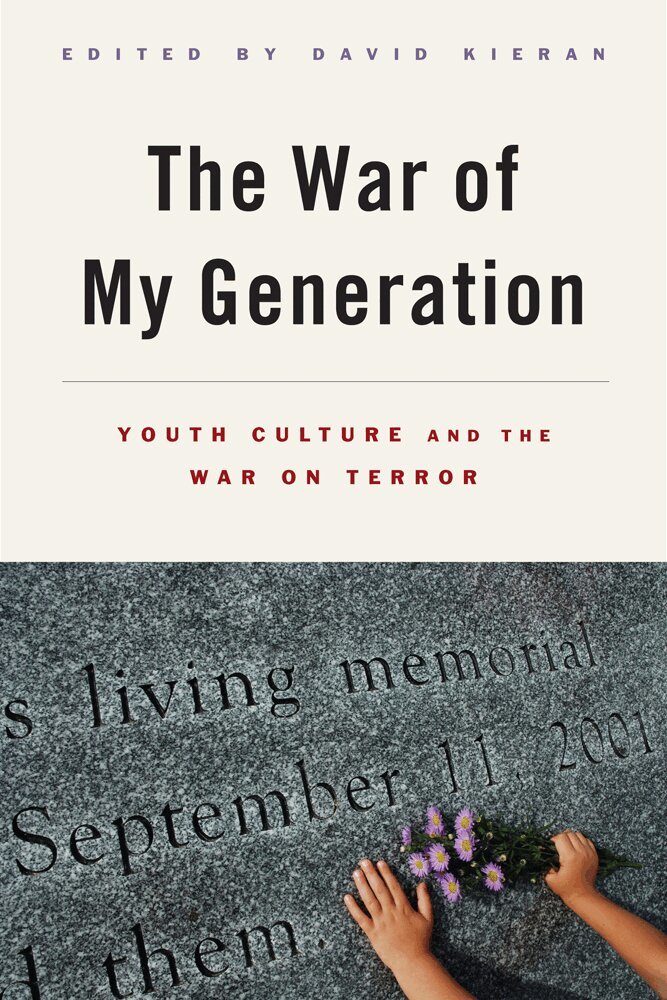
Following the 9/11 attacks, approximately four million Americans have turned eighteen each year and more than fifty million children have been born. These members of the millennial and post-millennial generation have come of age in a moment marked by increased anxiety about terrorism, two protracted wars, and policies that have raised questions about the United States's role abroad and at home. Young people have not been shielded from the attacks or from the wars and policy debates that followed. Instead, they have been active participants-as potential military recruits and organizers for social justice amid anti-immigration policies, as students in schools learning about the attacks or readers of young adult literature about wars. The War of My Generation is the first essay collection to focus specifically on how the terrorist attacks and their aftermath have shaped these new generations of Americans. Drawing from a variety of disciplines, including anthropology, sociology, cultural studies, and literary studies, the essays cover a wide range of topics, from graphic war images in the classroom to computer games designed to promote military recruitment to emails from parents in the combat zone. The collection considers what cultural factors and products have shaped young people's experience of the 9/11 attacks, the wars that have followed, and their experiences as emerging citizen-subjects in that moment. Revealing how young people understand the War on Terror-and how adults understand the way young people think-The War of My Generation offers groundbreaking research on catastrophic events still fresh in our minds.
481 kr
Skickas inom 7-10 vardagar
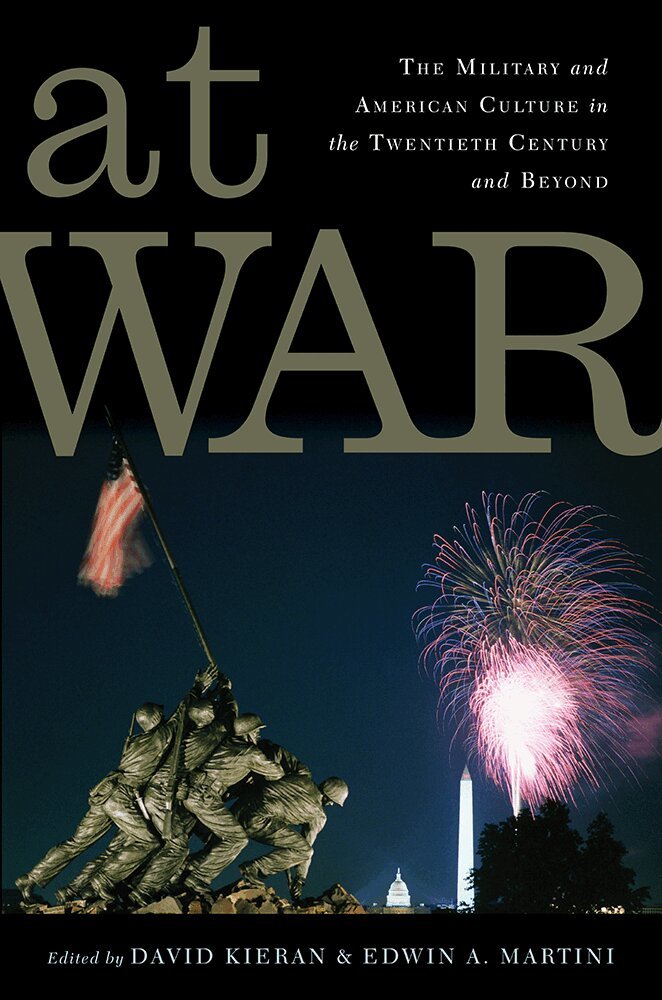
The country’s wars in Iraq and Afghanistan, its interventions around the world, and its global military presence make war, the military, and militarism defining features of contemporary American life. The armed services and the wars they fight shape all aspects of life-from the formation of racial and gendered identities to debates over environmental and immigration policy. Warfare and the military are ubiquitous in popular culture. At War offers short, accessible essays addressing the central issues in the new military history-ranging from diplomacy and the history of imperialism to the environmental issues that war raises and the ways that war shapes and is shaped by discourses of identity, to questions of who serves in the U.S. military and why and how U.S. wars have been represented in the media and in popular culture.
1 682 kr
Skickas inom 11-20 vardagar
The country’s wars in Iraq and Afghanistan, its interventions around the world, and its global military presence make war, the military, and militarism defining features of contemporary American life. The armed services and the wars they fight shape all aspects of life-from the formation of racial and gendered identities to debates over environmental and immigration policy. Warfare and the military are ubiquitous in popular culture. At War offers short, accessible essays addressing the central issues in the new military history-ranging from diplomacy and the history of imperialism to the environmental issues that war raises and the ways that war shapes and is shaped by discourses of identity, to questions of who serves in the U.S. military and why and how U.S. wars have been represented in the media and in popular culture.
447 kr
Skickas inom 10-15 vardagar
The surprising story of the Army's efforts to combat PTSD and traumatic brain injuryThe wars in Iraq and Afghanistan have taken a tremendous toll on the mental health of our troops. In 2005, then-Senator Barack Obama took to the Senate floor to tell his colleagues that "many of our injured soldiers are returning from Iraq with traumatic brain injury," which doctors were calling the "signature wound" of the Iraq War. Alarming stories of veterans taking their own lives raised a host of vital questions: Why hadn't the military been better prepared to treat post-traumatic stress disorder (PTSD) and traumatic brain injury (TBI)? Why were troops being denied care and sent back to Iraq? Why weren't the Army and the VA doing more to address these issues?Drawing on previously unreleased documents and oral histories, David Kieran tells the broad and nuanced story of the Army's efforts to understand and address these issues, challenging the popular media view that the Iraq War was mismanaged by a callous military unwilling to address the human toll of the wars. The story of mental health during this war is the story of how different groups—soldiers, veterans and their families, anti-war politicians, researchers and clinicians, and military leaders—approached these issues from different perspectives and with different agendas. It is the story of how the advancement of medical knowledge moves at a different pace than the needs of an Army at war, and it is the story of how medical conditions intersect with larger political questions about militarism and foreign policy.This book shows how PTSD, TBI, and suicide became the signature wounds of the wars in Iraq and Afghanistan, how they prompted change within the Army itself, and how mental health became a factor in the debates about the impact of these conflicts on US culture.
1 307 kr
Skickas inom 7-10 vardagar
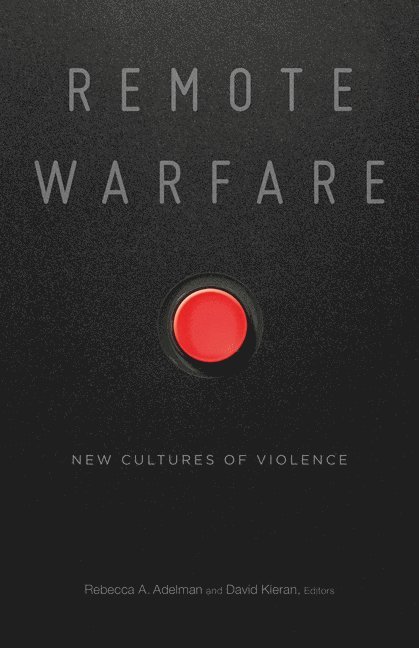
Considers how people have confronted, challenged, and resisted remote warfareDrone warfare is now a routine, if not predominant, aspect of military engagement. Although this method of delivering violence at a distance has been a part of military arsenals for two decades, scholarly debate on remote warfare writ large has remained stuck in tired debates about practicality, efficacy, and ethics. Remote Warfare broadens the conversation, interrogating the cultural and political dimensions of distant warfare and examining how various stakeholders have responded to the reality of state-sponsored remote violence.The essays here represent a panoply of viewpoints, revealing overlooked histories of remoteness, novel methodologies, and new intellectual challenges. From the story arc of Homeland to redefining the idea of a “warrior,” these thirteen pieces consider the new nature of surveillance, similarities between killing with drones and gaming, literature written by veterans, and much more. Timely and provocative, Remote Warfare makes significant and lasting contributions to our understanding of drones and the cultural forces that shape and sustain them.Contributors: Syed Irfan Ashraf, U of Peshawar, Pakistan; Jens Borrebye Bjering, U of Southern Denmark; Annika Brunck, U of TÜbingen; David A. Buchanan, U.S. Air Force Academy; Owen Coggins, Open U; Andreas Immanuel Graae, U of Southern Denmark; Brittany Hirth, Dickinson State U; Tim Jelfs, U of Groningen; Ann-Katrine S. Nielsen, Aarhus U; Nike Nivar Ortiz, U of Southern California; Michael Richardson, U of New South Wales; Kristin Shamas, U of Oklahoma; Sajdeep Soomal; Michael Zeitlin, U of British Columbia.
319 kr
Skickas inom 7-10 vardagar
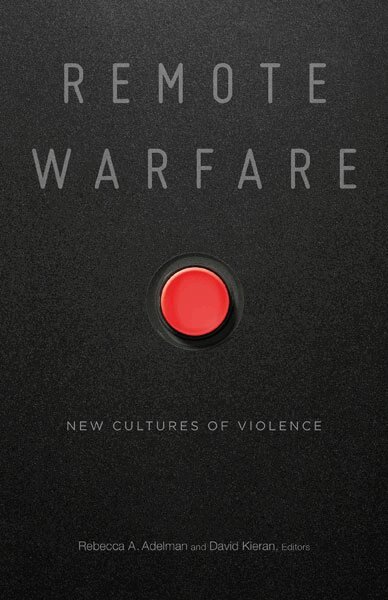
Considers how people have confronted, challenged, and resisted remote warfareDrone warfare is now a routine, if not predominant, aspect of military engagement. Although this method of delivering violence at a distance has been a part of military arsenals for two decades, scholarly debate on remote warfare writ large has remained stuck in tired debates about practicality, efficacy, and ethics. Remote Warfare broadens the conversation, interrogating the cultural and political dimensions of distant warfare and examining how various stakeholders have responded to the reality of state-sponsored remote violence.The essays here represent a panoply of viewpoints, revealing overlooked histories of remoteness, novel methodologies, and new intellectual challenges. From the story arc of Homeland to redefining the idea of a “warrior,” these thirteen pieces consider the new nature of surveillance, similarities between killing with drones and gaming, literature written by veterans, and much more. Timely and provocative, Remote Warfare makes significant and lasting contributions to our understanding of drones and the cultural forces that shape and sustain them.Contributors: Syed Irfan Ashraf, U of Peshawar, Pakistan; Jens Borrebye Bjering, U of Southern Denmark; Annika Brunck, U of TÜbingen; David A. Buchanan, U.S. Air Force Academy; Owen Coggins, Open U; Andreas Immanuel Graae, U of Southern Denmark; Brittany Hirth, Dickinson State U; Tim Jelfs, U of Groningen; Ann-Katrine S. Nielsen, Aarhus U; Nike Nivar Ortiz, U of Southern California; Michael Richardson, U of New South Wales; Kristin Shamas, U of Oklahoma; Sajdeep Soomal; Michael Zeitlin, U of British Columbia.