David Kinsley – författare
Visar alla böcker från författaren David Kinsley. Handla med fri frakt och snabb leverans.
5 produkter
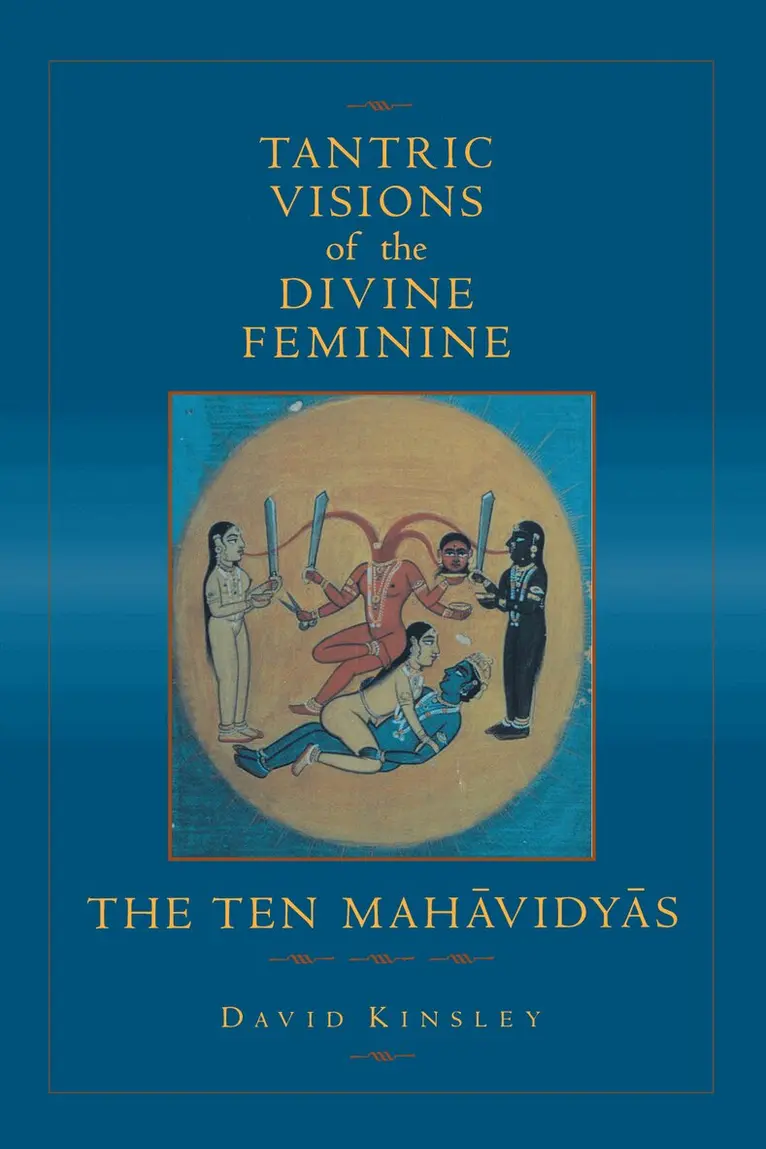
Tantric Visions of the Divine Feminine
The Ten Mahavidyas
Häftad, 1997
400 kr
Lägg i varukorg
The Hindu pantheon is rich in images of the divine feminine - deities representing a wide range of symbolic, social, and meditative meanings. David Kinsley's new book documents a highly unusual group of ten Hindu tantric goddesses, the Mahavidyas, many of whom are strongly associated with sexuality …
Hindu Goddesses
Visions of the Divine Feminine in the Hindu Religious Tradition
Häftad, 1988
304 kr
Lägg i varukorg
Goddess worship has long been a significant aspect of Hinduism. In this book David Kinsley, author of The Sword and the Flute--Kali & Krsna: Dark Visions of the Terrible and the Sublime in Hindu Mythology, sorts out the rich yet often chaotic history of Hindu goddess worship.
Sword and the Flute-Kali and Krsna
Dark Visions of the Terrible and the Sublime in Hindu Mythology, With a New Preface
Häftad, 2000
371 kr
Lägg i varukorg
With a New Preface Kali and Krsna are two of Hinduism's most popular deities, representing dramatically different truths about the nature of the sacred. The cruel and terrible Kali is thought to be born of wild, aboriginal roots. She is the goddess of thieves and often associated with human blood …
Hindu Goddesses
Visions of the Divine Feminine in the Hindu Religious Tradition
E-bok, 1988
364 kr
Lägg i varukorg
Goddess worship has long been a significant aspect of Hinduism. In this book David Kinsley, author of The Sword and the Flute—Kali & Krsna: Dark Visions of the Terrible and the Sublime in Hindu Mythology , sorts out the rich yet often chaotic history of Hindu goddess worship.
Goddesses' Mirror
Visions of the Divine from East and West
Häftad, 1988
487 kr
Lägg i varukorg
In this book, you can see how the divine has been perceived in feminine form. Here are ten of the best known goddesses from a variety of cultures — East and West, past and present. A wide range is presented, from the fierce Durga, to the gentle, but firm, Sita; from the erotic goddeses Inanna and …