David Kunzle – författare
Visar alla böcker från författaren David Kunzle. Handla med fri frakt och snabb leverans.
10 produkter
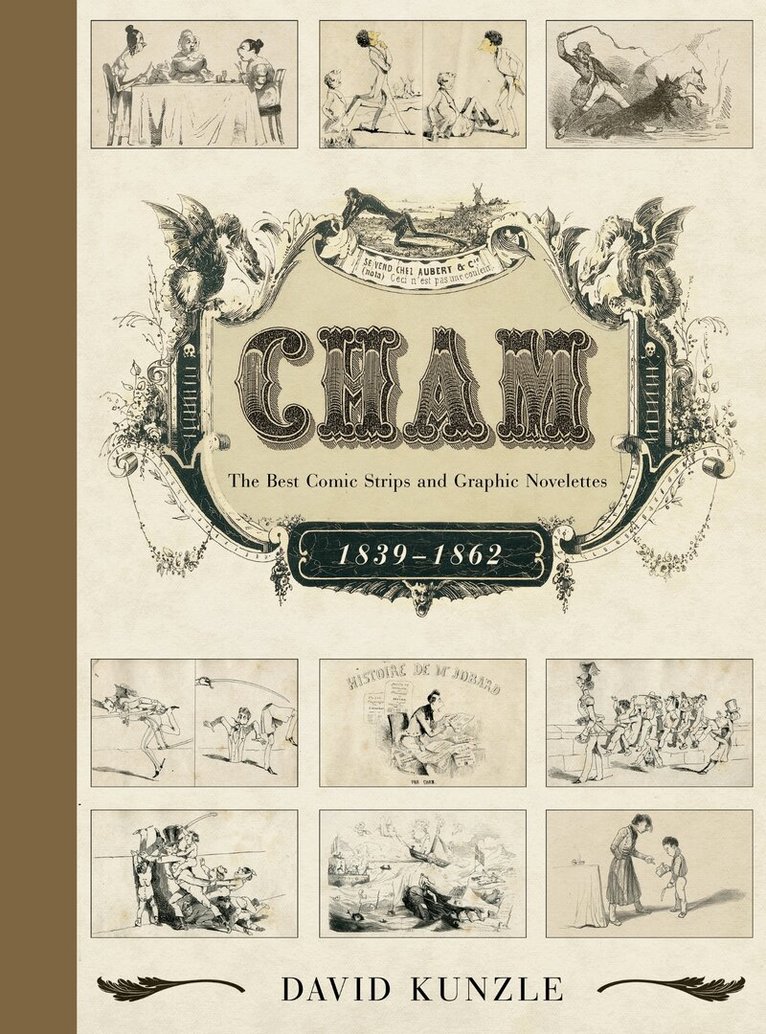
Cham
The Best Comic Strips and Graphic Novelettes, 1839–1862
Av David Kunzle
Inbunden, 2019
1115 kr
Lägg i varukorg
Cham, real name Count Amédée de Noé and a serious rival to Daumier, may have been the epitome of a célèbre inconnu, a famous unknown. He is one much deserving, at last, of this first account of his huge oeuvre as a caricaturist. This book concentrates on his mastery of the important newcomer to the …
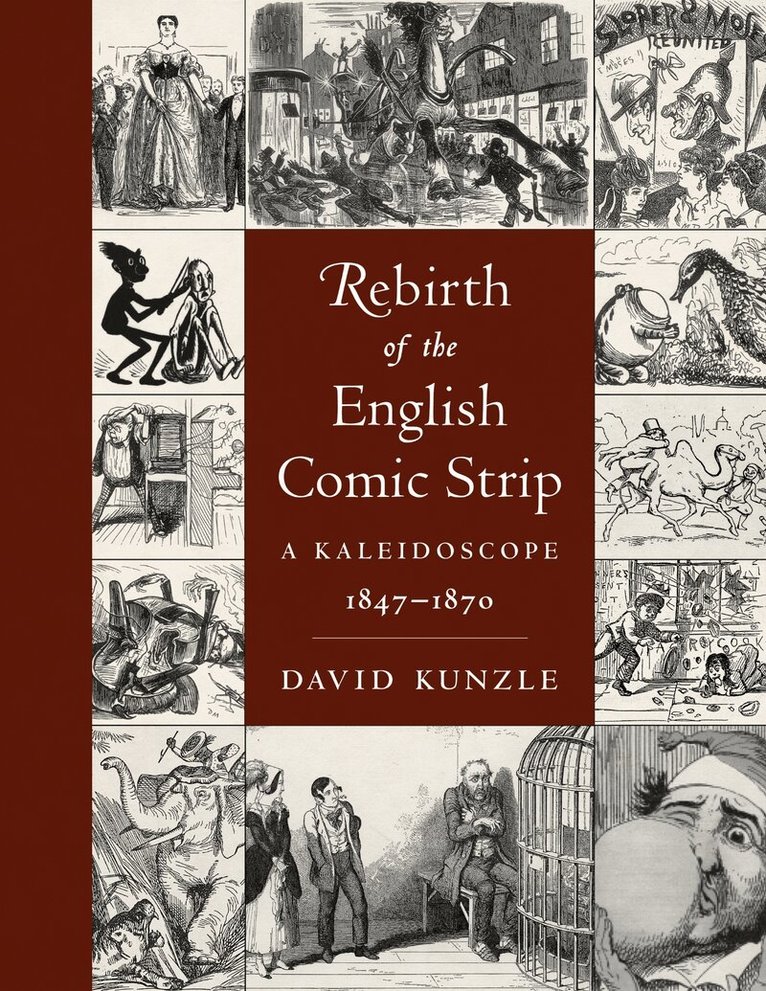
Rebirth of the English Comic Strip
A Kaleidoscope, 1847-1870
Av David Kunzle
Inbunden, 2021
1115 kr
Lägg i varukorg
Rebirth of the English Comic Strip: A Kaleidoscope, 1847-1870 enters deep into an era of comic history that has been entirely neglected. This buried cache of mid-Victorian graphic humor is marvelously rich in pictorial narratives of all kinds. Author David Kunzle calls this period a ""rebirth"" …
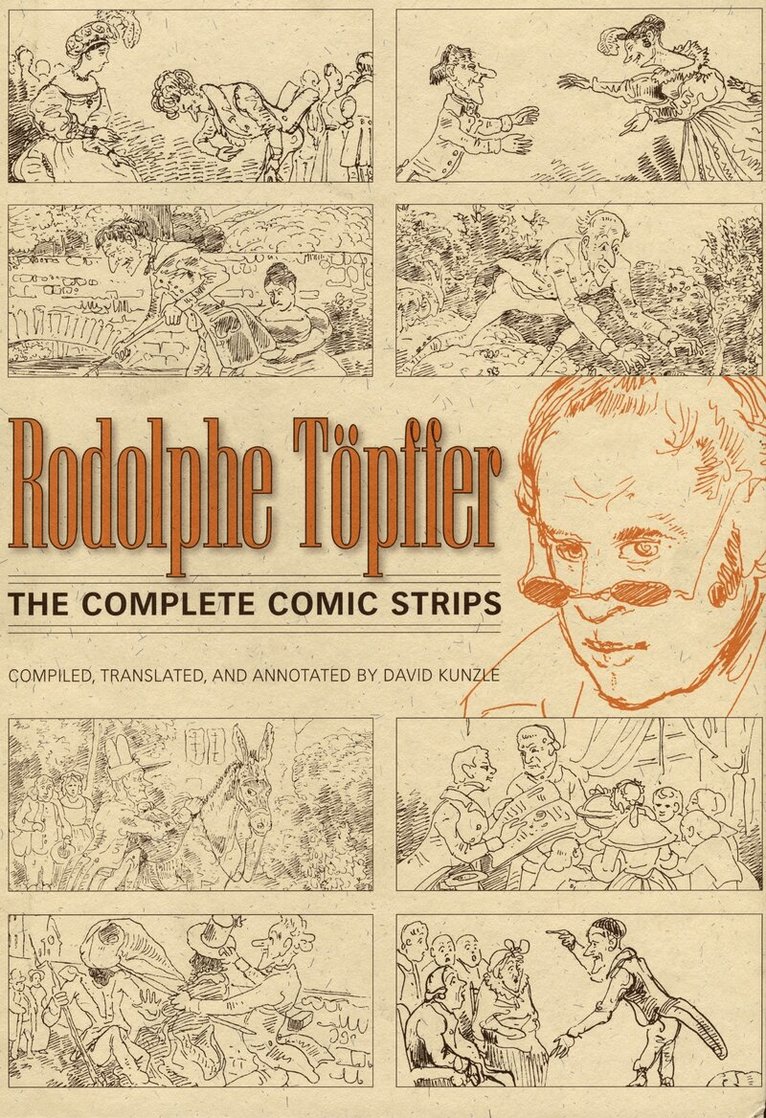
Rodolphe Töpffer
The Complete Comic Strips
Av David Kunzle
Inbunden, 2007
808 kr
Lägg i varukorg
Among the many accomplishments in art and literature by Genevan Rodolphe Töpffer (1799-1846), his virtual invention of the comic strip, or graphic novel, stands out as the most surprising, curious, and to us, after a century inundated by comic strips, by far the most significant.This volume is the …
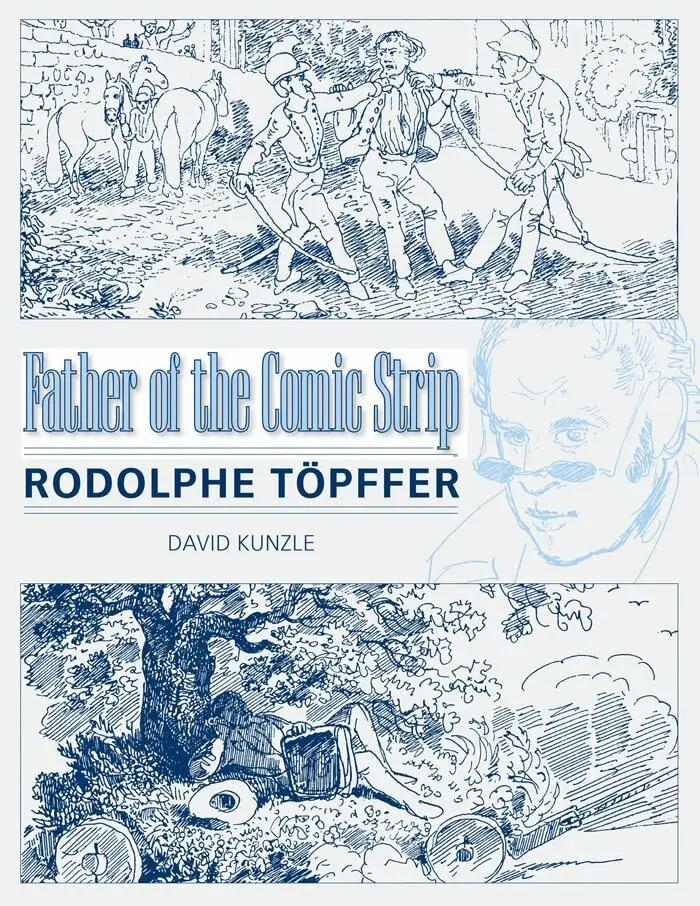
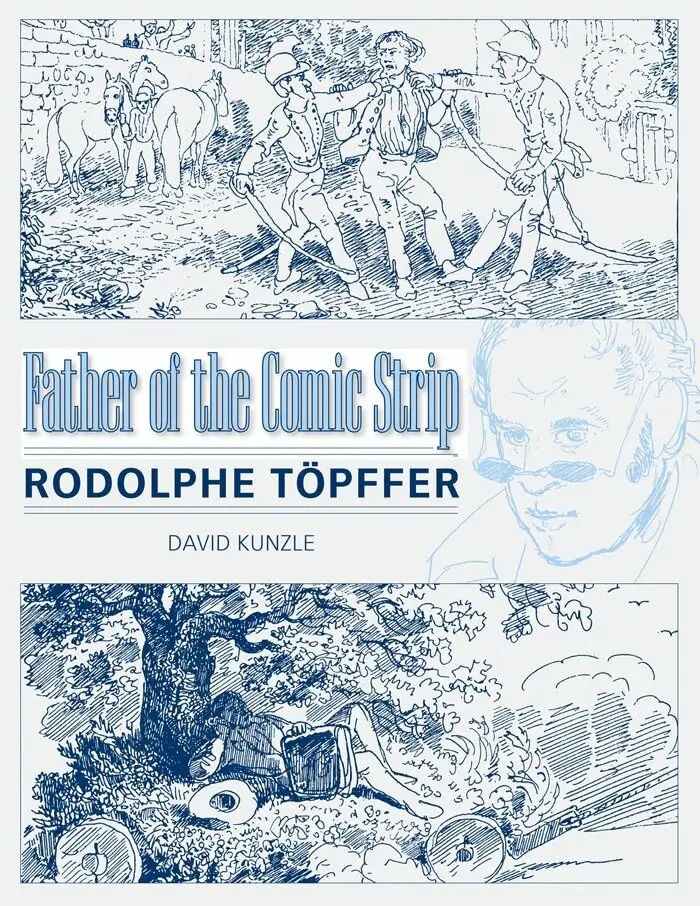
Father of the Comic Strip
Rodolphe Töpffer
Av David Kunzle
Häftad, 2007
300 kr
Lägg i varukorg
Sixty years before the comics entered the American newspaper press, Rodolphe Töpffer of Geneva (1799-1846), schoolmaster, university professor, polemical journalist, art critic, landscape draftsman, and writer of fiction, travel tales, and social criticism, invented a new art form: the comic strip, …
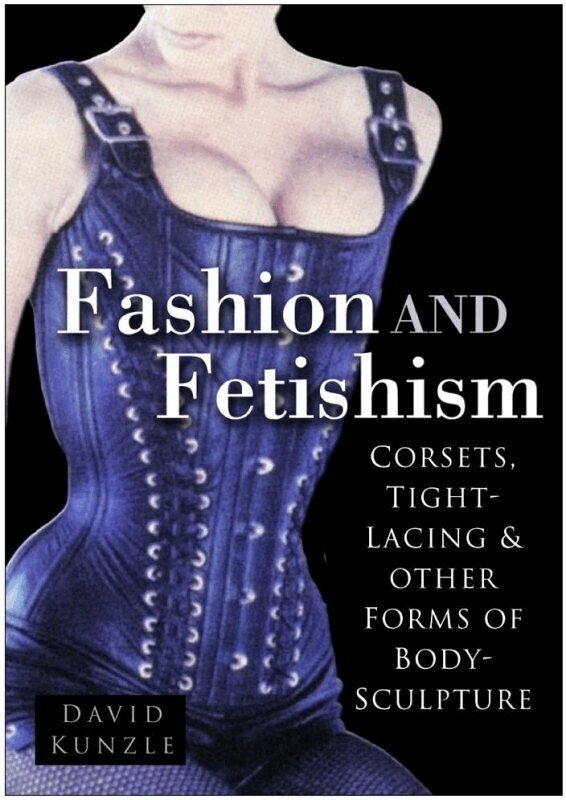
Fashion and Fetishism
Corsets, Tight-Lacing and Other Forms of Body-Sculpture
Av David Kunzle
Häftad, 2004
212 kr
Tillfälligt slut
Fashion and sex have always enjoyed a very close relationship. This history of corsetry and body sculpture shows how this phenomenon is closely bound up with sexual self-expression. It shows how the use of the corset rejected the role of the passive, maternal woman; in Victorian times it was seen …
Fashion and Fetishism
Corsets, Tight-Lacing and Other Forms of Body-Sculpture
Av David Kunzle
Häftad, 2006
143 kr
Tillfälligt slut
Presenting the history of corsetry and body sculpture, this edition shows how the relationship between fashion and sex is closely bound up with sexual self-expression. It demonstrates how the use of the corset rejected the role of the passive, maternal woman, so that in Victorian times it was seen …
Father of the Comic Strip
Rodolphe Töpffer
Av David Kunzle
Inbunden, 2007
685 kr
Tillfälligt slut
Sixty years before the comics entered the American newspaper press, Rodolphe Töpffer of Geneva (1799-1846), schoolmaster, university professor, polemical journalist, art critic, landscape draftsman, and writer of fiction, travel tales, and social criticism, invented a new art form: the comic strip, …
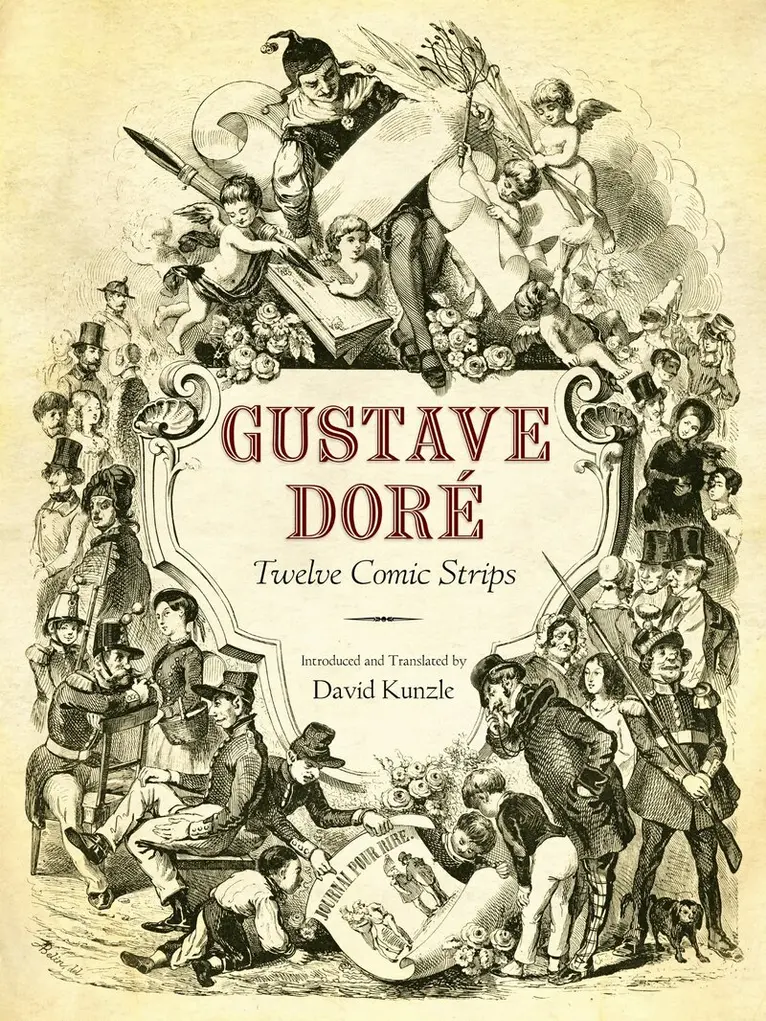
Gustave Doré
Twelve Comic Strips
Av David Kunzle
Inbunden, 2015
746 kr
Tillfälligt slut
Among the masters of the nineteenth-century comic strip, Gustave Doré has been much neglected. For his illustrations to literary classics, he earned an unsurpassed reputation and corresponding scholarly attention. Doré himself repudiated his early work, and similarly critics and biographers have …
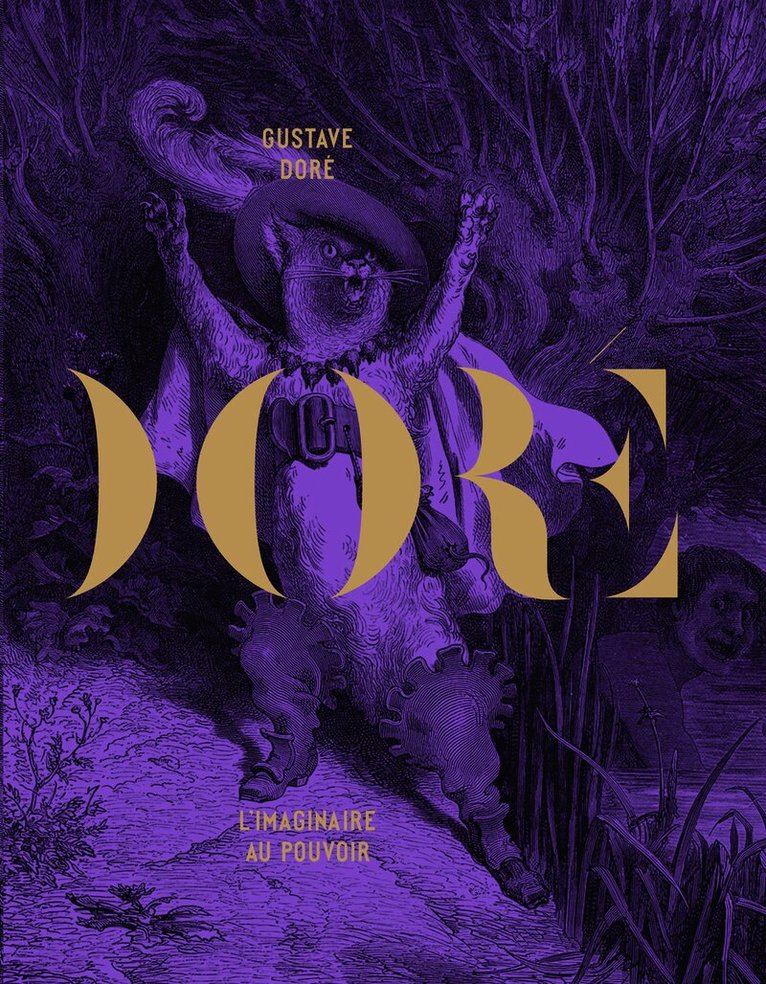
Gustave Doré (1832–1883)
Master of Imagination
Av Erika Dolphin, C ôme m. fl.
Inbunden, 2014
4,0 utav 5 stjärnor. Totalt antal röster: (2)
407 kr
Tillfälligt slut
The diverse oeuvre of Gustave Doré—illustrations, paintings, sculpture—combines with biography and critical essays and attests to the artist’s enduring impact on contemporary culture. Proclaimed "the most illustrious of illustrators," Gustave Doré is best known for his engravings, which appeared in …
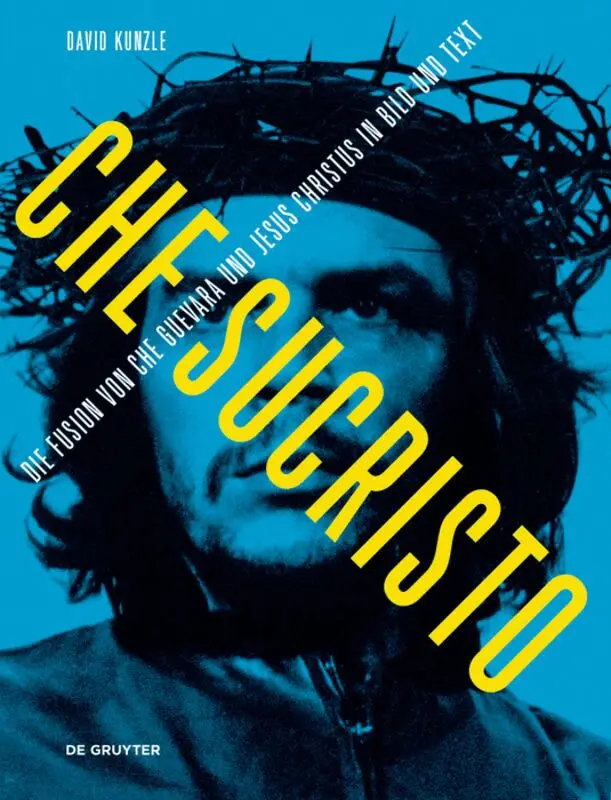
20/21Chesucristo
Die Fusion Von Che Guevara Und Jesus Christus in Bild Und Text
Av David Kunzle
Häftad, 2015
1202 kr
Tillfälligt slut
Auf den ersten Blick mag es überraschen, den Revolutionär Che Guevara als Heiligen und Jesus Christus, den Sohn Gottes, als Revolutionär zu sehen. David Kunzle zeigt auf, wie Che Guevara nach seinem Tod zum theomorphen Idol verklärt wurde. Zahlreiche Bilder, Gedichte, Theaterstücke und Filme …