David L. Feldman - Böcker
Visar alla böcker från författaren David L. Feldman. Handla med fri frakt och snabb leverans.
10 produkter
10 produkter
602 kr
Skickas inom 7-10 vardagar
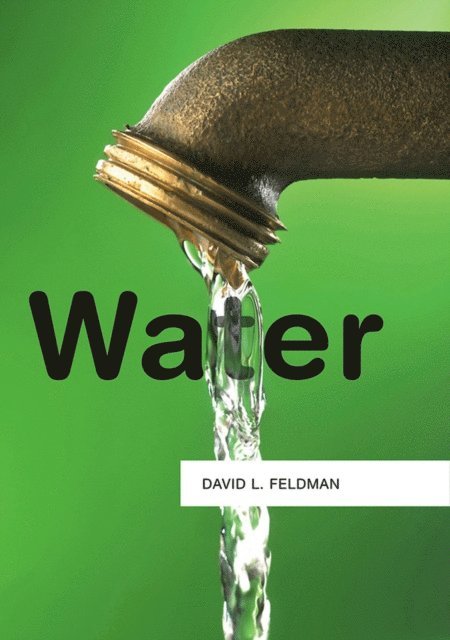
Water is our planet’s most precious resource. It is required by every living thing, yet a huge proportion of the world’s population struggles to access clean water daily. Agriculture, aquaculture, industry, and energy all depend on it - yet its provision and safety engender widespread conflict; battles likely to intensify as threats to freshwater abundance and quality, such as climate change, urbanization, new forms of pollution, and the privatization of control, continue to grow. But must the cost of potable water become prohibitively expensive for the poor - especially when supplies are privatized? Do technological advances only expand supply or can they carry hidden risks for minority groups? And who bears responsibility for managing the adverse impacts of dams funded by global aid organizations when their burdens fall on some, while their benefits accrue to others? In answering these and other pressing questions, the book shows how control of freshwater operates at different levels, from individual watersheds near cities to large river basins whose water - when diverted - is contested by entire countries. Drawing on a rich range of examples from across the world, it explores the complexity of future challenges, concluding that nations must work together to embrace everyone's water needs while also establishing fair, consistent criteria to promote available supply with less pollution.
232 kr
Skickas inom 7-10 vardagar
Water is our planet’s most precious resource. It is required by every living thing, yet a huge proportion of the world’s population struggles to access clean water daily. Agriculture, aquaculture, industry, and energy all depend on it - yet its provision and safety engender widespread conflict; battles likely to intensify as threats to freshwater abundance and quality, such as climate change, urbanization, new forms of pollution, and the privatization of control, continue to grow. But must the cost of potable water become prohibitively expensive for the poor - especially when supplies are privatized? Do technological advances only expand supply or can they carry hidden risks for minority groups? And who bears responsibility for managing the adverse impacts of dams funded by global aid organizations when their burdens fall on some, while their benefits accrue to others? In answering these and other pressing questions, the book shows how control of freshwater operates at different levels, from individual watersheds near cities to large river basins whose water - when diverted - is contested by entire countries. Drawing on a rich range of examples from across the world, it explores the complexity of future challenges, concluding that nations must work together to embrace everyone's water needs while also establishing fair, consistent criteria to promote available supply with less pollution.
1 009 kr
Skickas inom 10-15 vardagar
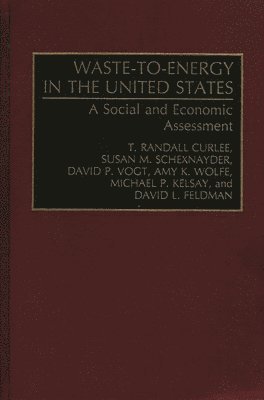
This book presents the first comprehensive and unbiased assessment of the social and economic factors that drive decisions about waste-to-energy (WTE) projects in the United States. Information about each WTE project initiated between 1982 to 1990 is combined with detailed socioeconomic data at the county level to identify the social and economic differences between counties that have completed WTE facilities and counties that have abandoned their projects during the planning process. To examine the effects of political objectives, public attitudes, and the decision process itself, the book reports on four in-depth case studies--two directed at communities that have accepted WTE and two that have canceled WTE projects. The book also discusses the potential health and environmental risks posed by WTE and alternative waste practices, legislative initiatives and regulatory uncertainties, and the potential for energy production from burning our municipal waste.Municipal solid waste (MSW) incineration, commonly called waste-to-energy (WTE), was adopted by many U.S. communities during the 1980s and now is used to manage about 16% of all U.S. MSW. Many experts forecasted that WTE would be used to manage as much as half of all garbage by the turn of the century. Those forecasts and the long-run viability of WTE are now challenged by massive cancellations of WTE projects across the United States. Between 1986 and 1990, 207 WTE projects were abandoned, compared to only 140 operational facilities in 1990.Why have these cancellations occurred, and what do they tell us about the long-run viability of WTE? This book addresses these questions and presents the first comprehensive and unbiased assessment of the social and economic factors that drive decisions about WTE in the United States. The book adopts a three-pronged approach to investigate (1) the relationships between a community's decision about WTE and the social and economic characteristics of that community, (2) the impacts of recent changes in financial markets on the viability of WTE, and (3) the decision-making process by which communities decide about WTE. The first two objectives are met by the collection and analysis of data on all U.S. WTE projects from 1982 to 1990. The latter objective is met by way of four in-depth case studies--two directed at communities that have accepted WTE and two that have canceled WTE projects. The book also discusses the potential health and environmental risks posed by WTE and alternative waste practices, legislative initiatives and regulatory uncertainties, and the potential for energy production from burning our municipal waste.
719 kr
Skickas inom 7-10 vardagar
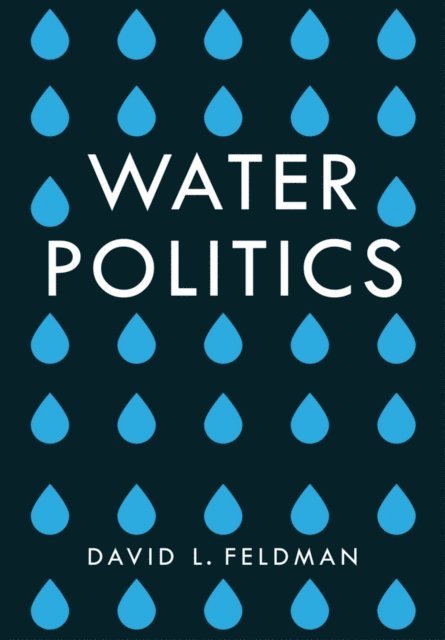
As the world faces another water crisis, it is easy to understand why this precious and highly-disputed resource could determine the fate of entire nations. In reality, however, water conflicts rarely result in violence and more often lead to collaborative governance, however precarious. In this comprehensive and accessible text, David Feldman introduces readers to the key issues, debates, and challenges in water politics today. Its ten chapters explore the processes that determine how this unique resource captures our attention, the sources of power that determine how we allocate, use, and protect it, and the purposes that direct decisions over its cost, availability, and access. Drawing on contemporary water controversies from every continent from Flint, Michigan to Mumbai, Sao Paulo, and Beijing the book argues that cooperation and more equitable water management are imperative if the global community is to adequately address water challenges and their associated risks, particularly in the developing world. While alternatives for enhancing water supply, including waste-water re-use, desalination, and conservation abound, without inclusive means of addressing citizens' concerns, their adoption faces severe hurdles that can impede cooperation and generate additional conflicts.
232 kr
Skickas inom 7-10 vardagar
As the world faces another water crisis, it is easy to understand why this precious and highly-disputed resource could determine the fate of entire nations. In reality, however, water conflicts rarely result in violence and more often lead to collaborative governance, however precarious. In this comprehensive and accessible text, David Feldman introduces readers to the key issues, debates, and challenges in water politics today. Its ten chapters explore the processes that determine how this unique resource captures our attention, the sources of power that determine how we allocate, use, and protect it, and the purposes that direct decisions over its cost, availability, and access. Drawing on contemporary water controversies from every continent from Flint, Michigan to Mumbai, Sao Paulo, and Beijing the book argues that cooperation and more equitable water management are imperative if the global community is to adequately address water challenges and their associated risks, particularly in the developing world. While alternatives for enhancing water supply, including waste-water re-use, desalination, and conservation abound, without inclusive means of addressing citizens' concerns, their adoption faces severe hurdles that can impede cooperation and generate additional conflicts.
1 610 kr
Skickas inom 7-10 vardagar
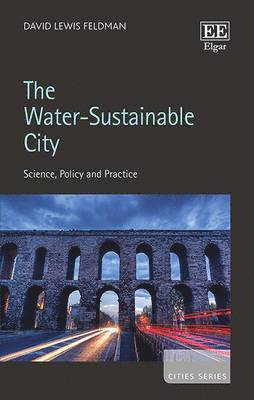
Cities place enormous pressures on freshwater quality and availability because they are often located some distance from the water sources needed by their populations. This fact compels planners to build infrastructure to divert water from increasingly distant outlying rural areas, thus disrupting their social fabric and environment. In addition, increasing urbanization due to population growth, economic change, and sprawl places huge burdens upon the institutions, as well as the infrastructure, that deliver, protect, and treat urban water. This book assesses the challenges facing the world's cities in providing reliable, safe, and plentiful supplies through infrastructural, economic, legal, and political strategies.The book considers engineering, social science, and built environment issues, with close examination of experiences in California and Australia, and their global implications. It addresses urban stream syndrome and related issues' and includes historical as well as contemporary insights into water sustainability in cities. Conservation, wastewater re-use, green infrastructure innovations, and the water energy nexus from the vantage point of urban water management are discussed in depth. The authors conclude that while throughout history cities have faced the twin challenges of too much - or too little - water at inopportune times, the impact of climate extremes on cities makes low-impact developments especially relevant.This comprehensive and timely assessment of the world's urban water-sustainability challenges will be of great interest to both students and academics in the field as well as urban water professionals and decision-makers.With contributions from Stanley B. Grant, Ashmita Sengupta, Lindsey Stuvick, Neeta Bijoor, Michael Sahimi, Meenakshi Arora, Vincent Pettigrove and Kristal Burry
474 kr
Skickas inom 7-10 vardagar
Cities place enormous pressures on freshwater quality and availability because they are often located some distance from the water sources needed by their populations. This fact compels planners to build infrastructure to divert water from increasingly distant outlying rural areas, thus disrupting their social fabric and environment. In addition, increasing urbanization due to population growth, economic change, and sprawl places huge burdens upon the institutions, as well as the infrastructure, that deliver, protect, and treat urban water. This book assesses the challenges facing the world's cities in providing reliable, safe, and plentiful supplies through infrastructural, economic, legal, and political strategies.The book considers engineering, social science, and built environment issues, with close examination of experiences in California and Australia, and their global implications. It addresses urban stream syndrome and related issues' and includes historical as well as contemporary insights into water sustainability in cities. Conservation, wastewater re-use, green infrastructure innovations, and the water energy nexus from the vantage point of urban water management are discussed in depth. The authors conclude that while throughout history cities have faced the twin challenges of too much - or too little - water at inopportune times, the impact of climate extremes on cities makes low-impact developments especially relevant.This comprehensive and timely assessment of the world's urban water-sustainability challenges will be of great interest to both students and academics in the field as well as urban water professionals and decision-makers.With contributions from Stanley B. Grant, Ashmita Sengupta, Lindsey Stuvick, Neeta Bijoor, Michael Sahimi, Meenakshi Arora, Vincent Pettigrove and Kristal Burry
1 537 kr
Skickas inom 7-10 vardagar
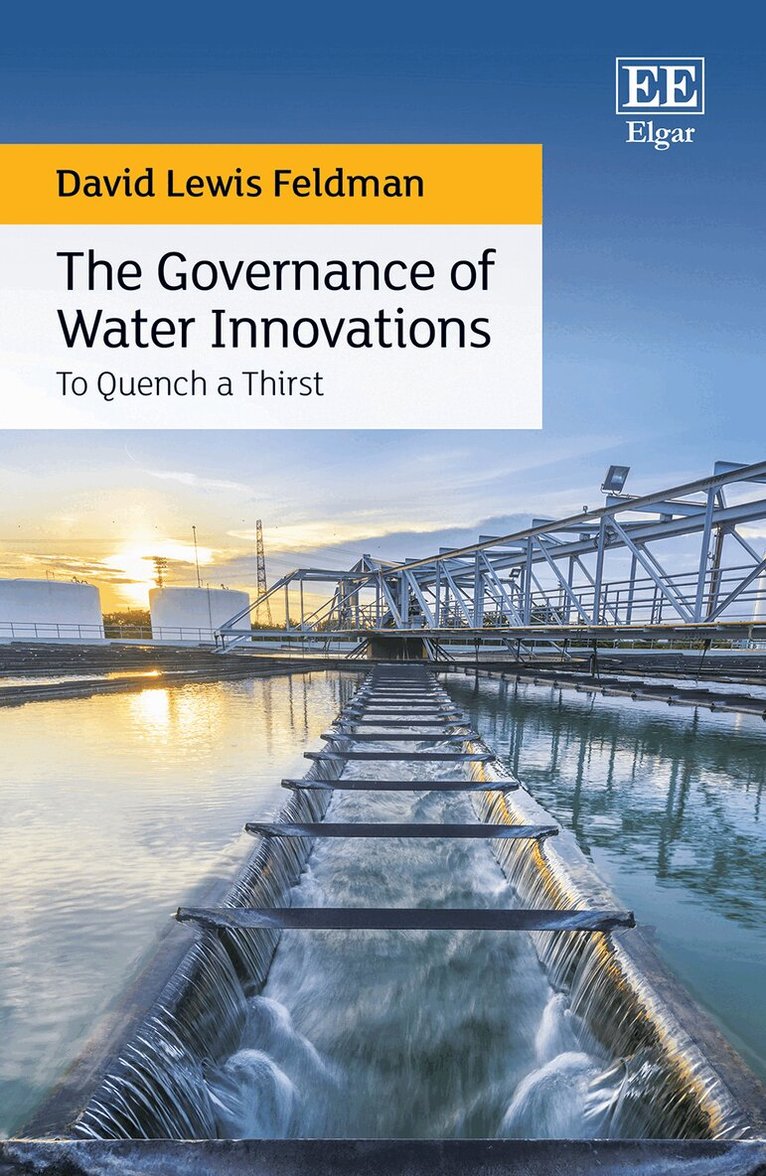
Providing an extensive comparative and international study of water innovations and the issues that arise in their implementation, David Lewis Feldman analyses the technical, economic, health and environmental impacts of water innovations and their policy implications.Discussing desalination, rainwater harvesting, wastewater reuse, and demand-side innovations as well as emerging cyber-infrastructure issues, The Governance of Water Innovations analyses the historical and contemporary challenges involved in water innovations. With a global reach, exploring water innovations across The Americas, Asia, Australia and Europe, chapters consider potential areas of contention involving land use, aesthetics, recreational impacts, user costs, and environmental quality. Illuminating the importance of these challenges and determining the most effective and equitable ways of meeting them, Feldman advises how innovations should be deployed, governed and implemented democratically in ways that harbour public acceptance, trust, and engagement for a water resilient future.A comprehensive study of the governance of water innovations, this book will prove invaluable to students and scholars of public policy, environmental and water studies and geopolitics. With its pioneering analysis of adaptive governance, it will also prove an essential reference guide to practitioners, professionals and policymakers working in water governance and management, including water agency officials and water resource legislators.
Del 11 - World Scientific Lecture Notes In Economics And Policy
Lecture Notes In Water Policy
Inbunden, Engelska, 2022
1 099 kr
Skickas inom 5-8 vardagar
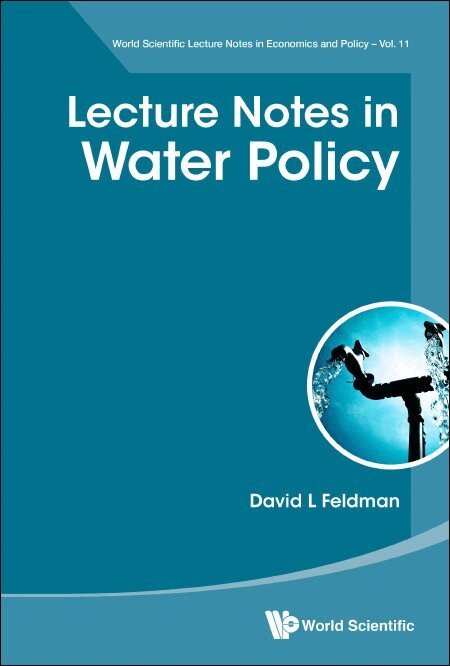
Freshwater is our planet's most precious resource — essential for life itself. Despite this fact, many people across our planet face difficulties finding safe, clean, potable water. A U.S. State Department report contends that the world's thirst for water may become a human security crisis by 2040. The World Bank reports many developing nations face catastrophe from intensive irrigation, urbanization, and deteriorating infrastructure. Also, numerous reports contend that in many places un-treated wastewater is still released directly into the environment. This is particularly true in low-income countries, which on average treat less than 10% of their wastewater discharges.In short, we face three imminent challenges regarding freshwater: (1) demands by agriculture, cities, industry, and energy production are increasing; (2) severe pollution from various contaminants and growing withdrawals are limiting the capacity of waterways to dilute contaminants — threatening human and aquatic life; and, (3) climate change will cause periods of frequent and severe droughts — punctuated by acute periods of flooding.The goal of this book is to illuminate how the governance of freshwater is a political, social, economic, cultural, and ecological challenge. The management and provision of water are not merely technical problems whose resolution hinges on hydrological principle, cost, or engineering feasibility. They are products of decisions made by governments, businesses, and interest groups that exercise control over who has access to water, how they use it, and in what condition they receive it. It discusses basic knowledge about water supply and quality; the evolution of water policy in different societies; the importance of water to human and environmental health; the role of law, politics, and markets in its allocation, use, and protection; and, the importance of ethics in its equitable provision.
Del 11 - World Scientific Lecture Notes In Economics And Policy
Lecture Notes In Water Policy
Häftad, Engelska, 2022
617 kr
Skickas
Freshwater is our planet's most precious resource — essential for life itself. Despite this fact, many people across our planet face difficulties finding safe, clean, potable water. A U.S. State Department report contends that the world's thirst for water may become a human security crisis by 2040. The World Bank reports many developing nations face catastrophe from intensive irrigation, urbanization, and deteriorating infrastructure. Also, numerous reports contend that in many places un-treated wastewater is still released directly into the environment. This is particularly true in low-income countries, which on average treat less than 10% of their wastewater discharges.In short, we face three imminent challenges regarding freshwater: (1) demands by agriculture, cities, industry, and energy production are increasing; (2) severe pollution from various contaminants and growing withdrawals are limiting the capacity of waterways to dilute contaminants — threatening human and aquatic life; and, (3) climate change will cause periods of frequent and severe droughts — punctuated by acute periods of flooding.The goal of this book is to illuminate how the governance of freshwater is a political, social, economic, cultural, and ecological challenge. The management and provision of water are not merely technical problems whose resolution hinges on hydrological principle, cost, or engineering feasibility. They are products of decisions made by governments, businesses, and interest groups that exercise control over who has access to water, how they use it, and in what condition they receive it. It discusses basic knowledge about water supply and quality; the evolution of water policy in different societies; the importance of water to human and environmental health; the role of law, politics, and markets in its allocation, use, and protection; and, the importance of ethics in its equitable provision.