David L. Ferguson - Böcker
Visar alla böcker från författaren David L. Ferguson. Handla med fri frakt och snabb leverans.
2 produkter
2 produkter
3 149 kr
Skickas inom 10-15 vardagar
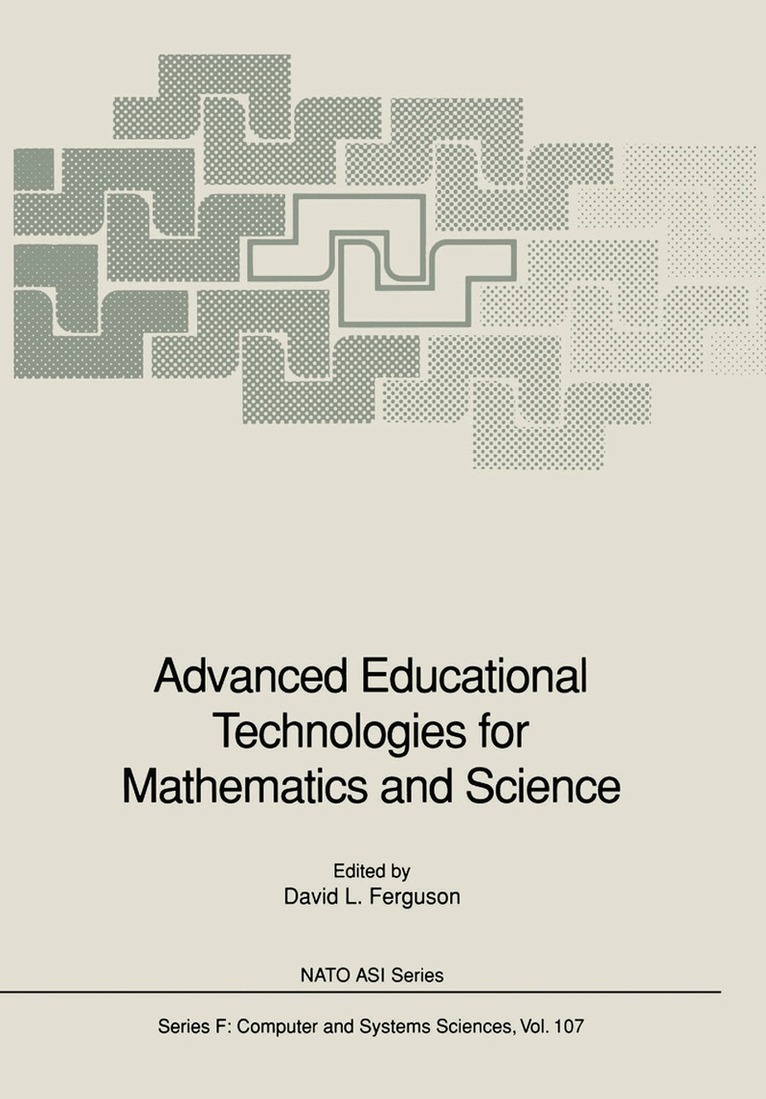
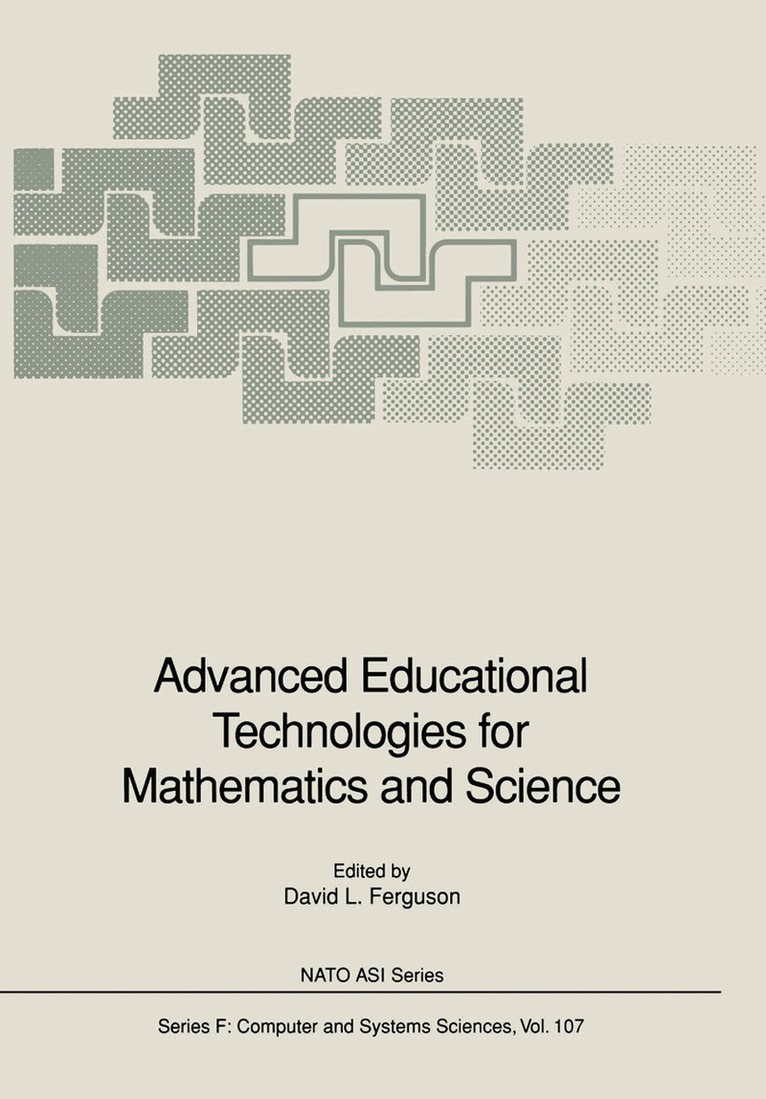
This book contains revised and updated versions of paperspresented at a NATO Advanced Research Workshop held inMilton Keynes, U. K. , in summer 1990. The workshop broughttogether about 30 world leaders in the use of advancedtechnologies in the teaching of mathematics and science. The papers demonstrate how technology is impacting the viewin the teaching profession of what should be taught, whatcan be taught, and how teachers should go about their workin the various disciplines. They offer great insight intothe central issues of teaching and learning in a wide rangeof disciplines and across many grade levels, ranging fromelementary school through college and undergraduateeducation. The book has two major parts, on advanced technologies inthe teaching of science and mathematics respectively,although many of the papers address topics of interest tospecialists in both areas. The papers reflect examples drawnfrom a wide range of fields, including mathematics, physics,computer science, engineering, chemistry, and biology. Somedemonstrate the use of software inteaching difficult butrestricted concepts within a discipline.Other show anintegrated approach that exploits the power of educationalsoftware throughout a course. The notions of discovery,representation, qualitative models for reasoning, modelbuilding, and the management of complexity are key elementsin numerous papers.
3 149 kr
Skickas inom 10-15 vardagar
This book contains revised and updated versions of papers presented at a NATO Advanced Research Workshop held in Milton Keynes, U.K., in summer 1990.The workshop brought together about 30 world leaders in the use of advanced technologies in the teaching of mathematics and science. The papers demonstrate how technology is impacting the view in the teaching profession of what should be taught, what can be taught, and how teachers should go about their work in the various disciplines. They offer great insight into the central issues of teaching and learning in a wide range of disciplines and across many grade levels, ranging from elementary school through college and undergraduate education. The book has two major parts, on advanced technologies in the teaching of science and mathematics respectively, although many of the papers address topics of interest to specialists in both areas. The papers reflect examples drawn from a wide range of fields, including mathematics, physics, computer science, engineering, chemistry, and biology. Some demonstrate the use of software inteaching difficult but restricted concepts within a discipline.Other show an integrated approach that exploits the power of educational software throughout a course. The notions of discovery, representation, qualitative models for reasoning, model building, and the management of complexity are key elements in numerous papers.