David M. Barrett – författare
Visar alla böcker från författaren David M. Barrett. Handla med fri frakt och snabb leverans.
6 produkter
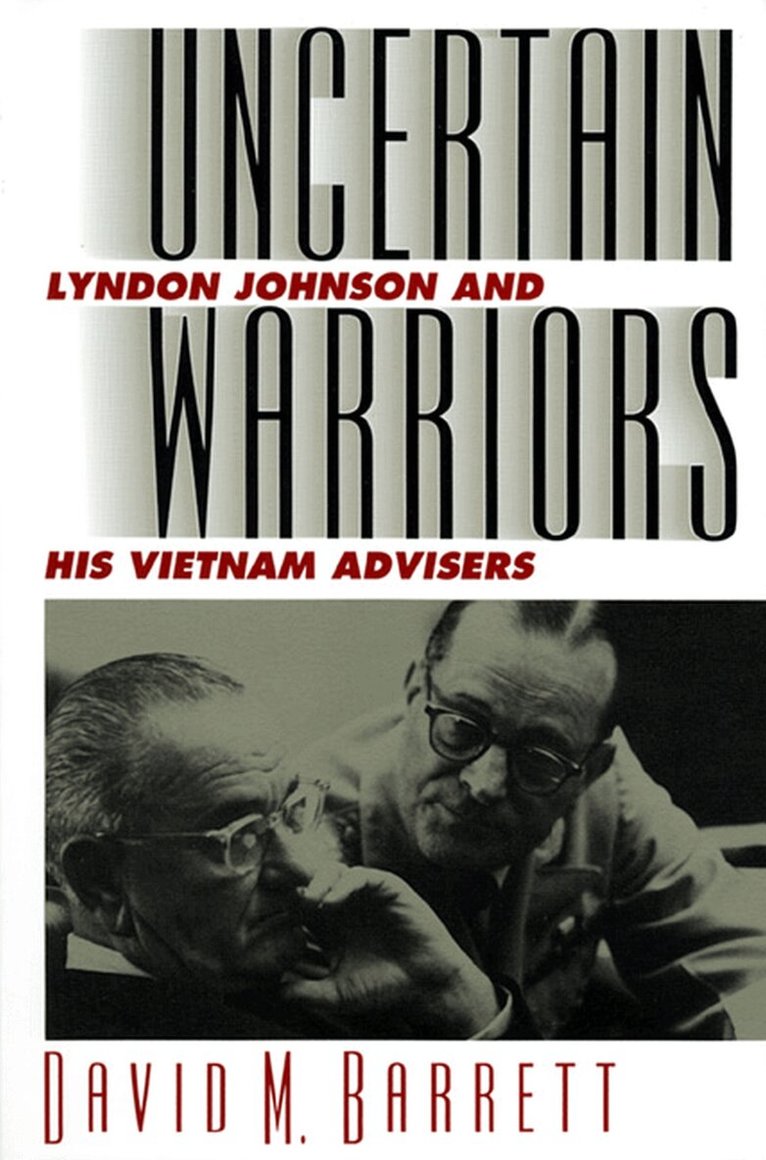
Uncertain Warriors
Lyndon Johnson and His Vietnam Advisers
Häftad, 1993
342 kr
Lägg i varukorg
Lyndon Johnson, when it comes to his role in the Vietnam war, is popularly portrayed as an irrational ""hawkish"" leader who bullied his advisers and refused to solicit a wide range of opinions. That depiction, David Barrett, argues, is simplistic and far from accurate. Johnson zealously worked to …
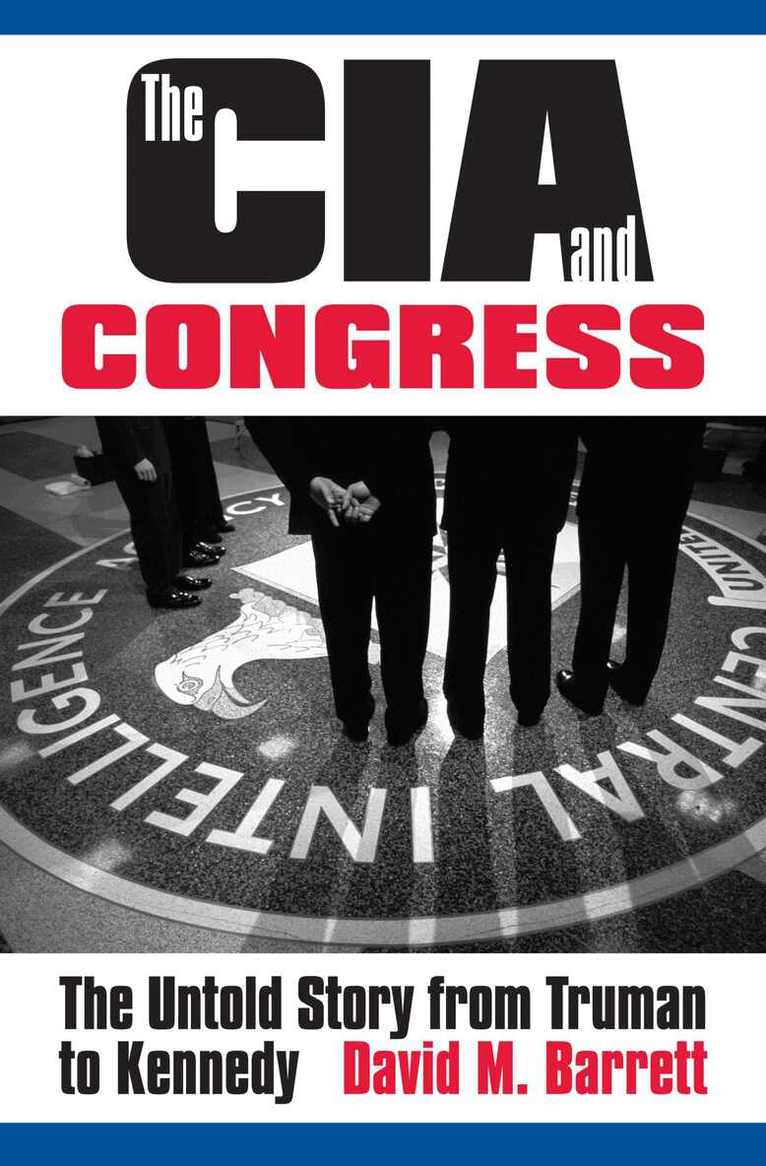
CIA and Congress
The Untold Story from Truman to Kennedy
Häftad, 2017
487 kr
Lägg i varukorg
D.B. Hardeman PrizeFrom its inception more than half a century ago and for decades afterward, the Central Intelligence Agency was deeply shrouded in secrecy, with little or no real oversight by Congress—or so many Americans believe. David M. Barrett reveals, however, that during the agency’s first …
CIA and Congress
The Untold Story from Truman to Kennedy
E-bok, 2019
436 kr
Lägg i varukorg
Winner: D.B. Hardeman Prize From its inception more than half a century ago and for decades afterward, the Central Intelligence Agency was deeply shrouded in secrecy, with little or no real oversight by Congress—or so many Americans believe. David M. Barrett reveals, however, that during the …
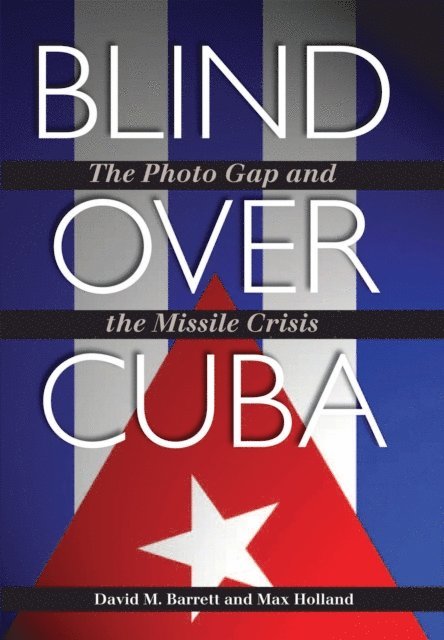
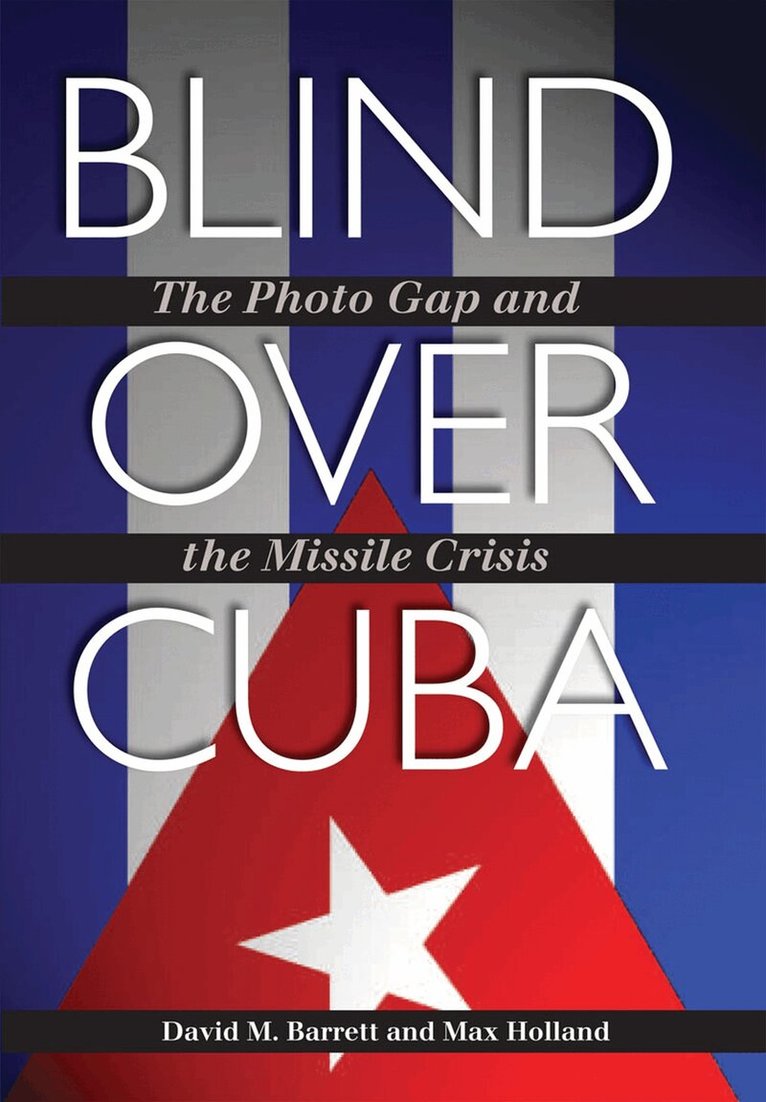
Blind over Cuba
The Photo Gap and the Missile Crisis
Av Max Holland, David M. Barrett
E-bok, 2012
279 kr
Lägg i varukorg
In the aftermath of the Cuban Missile Crisis, questions persisted about how the potential cataclysm had been allowed to develop. A subsequent congressional investigation focused on what came to be known as the “photo gap”: five weeks during which intelligence-gathering flights over Cuba had been …
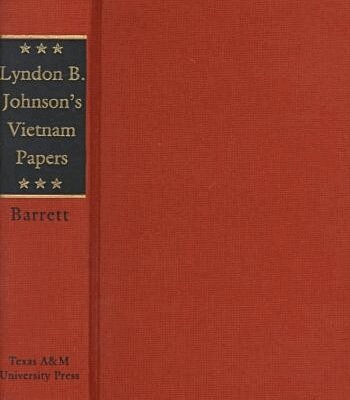
Lyndon B Johnsons Vietnam Papers
Av D. Barrett, David M. Barrett
Inbunden, 1997
1195 kr
Tillfälligt slut
Blind Over Cuba
The Photo Gap and the Missile Crisis
Av David M. Barrett, Max Holland
Inbunden, 2012
353 kr
Tillfälligt slut
In the aftermath of the Cuban Missile Crisis, questions persisted about how the potential cataclysm had been allowed to develop. A subsequent congressional investigation focused on what came to be known as the “photo gap”: five weeks during which intelligence-gathering flights over Cuba had been …