Max Holland – författare
Visar alla böcker från författaren Max Holland. Handla med fri frakt och snabb leverans.
8 produkter
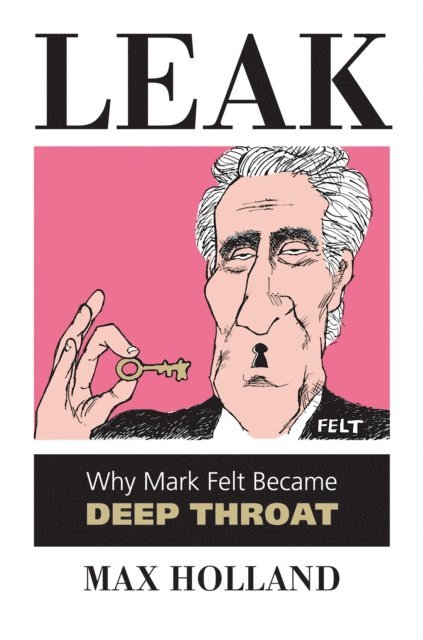
Leak
Why Mark Felt Became Deep Throat
Av Max Holland
E-bok, 2014
214 kr
Lägg i varukorg
Through the shadowy persona of “Deep Throat,” FBI official Mark Felt became as famous as the Watergate scandal his “leaks” helped uncover. Best known through Hal Holbrook’s portrayal in the film version of Bob Woodward and Carl Bernstein’s All the President’s Men , Felt was regarded for decades as …
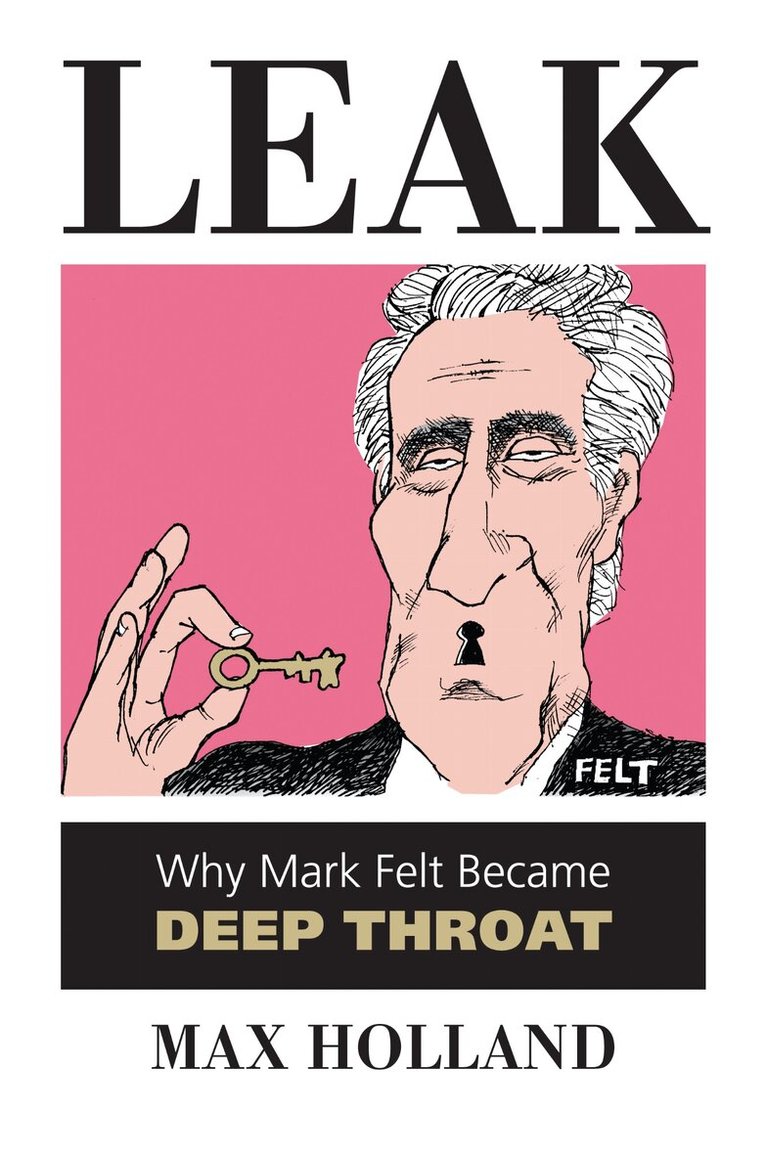
Leak
Why Mark Felt Became Deep Throat
Av Max Holland
Häftad, 2014
352 kr
Lägg i varukorg
Through the shadowy persona of ""Deep Throat,"" FBI official Mark Felt became as famous as the Watergate scandal his ""leaks"" helped uncover. Best known through Hal Holbrook's portrayal in the film version of Bob Woodward and Carl Bernstein's All the President's Men, Felt was regarded for decades …
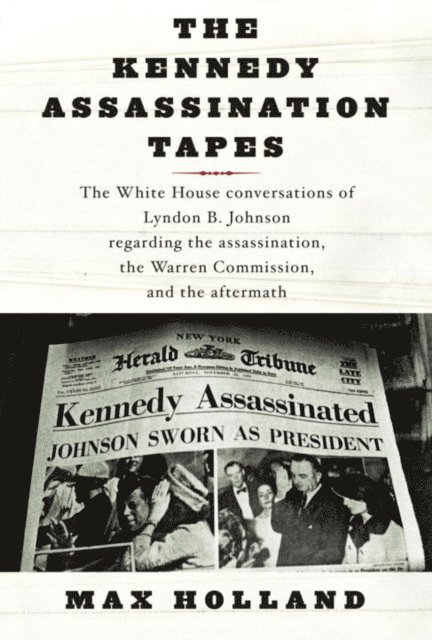
Kennedy Assassination Tapes
Av Max Holland
E-bok, 2004
233 kr
Lägg i varukorg
A major work of documentary history–the brilliantly edited and annotated transcripts, most of them never before published, of the presidential conversations of Lyndon B. Johnson regarding the Kennedy assassination and its aftermath. The transition from John F. Kennedy to Johnson was arguably the …
From Industry to Alchemy
Burgmaster, a Machine Tool Company
Av Max Holland, Walter Donald Kennedy
Häftad, 1989
456 kr
Lägg i varukorg
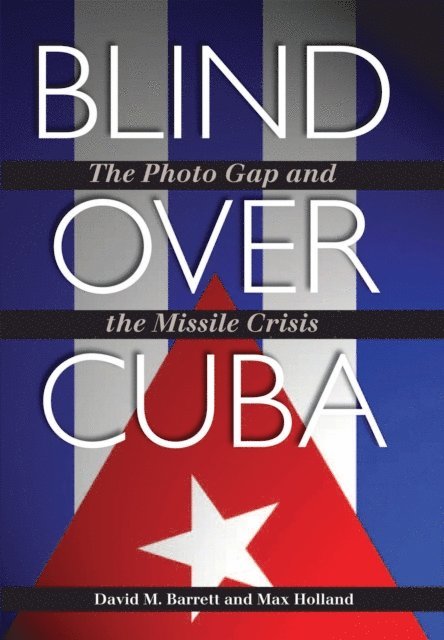
Blind over Cuba
The Photo Gap and the Missile Crisis
Av Max Holland, David M. Barrett
E-bok, 2012
279 kr
Lägg i varukorg
In the aftermath of the Cuban Missile Crisis, questions persisted about how the potential cataclysm had been allowed to develop. A subsequent congressional investigation focused on what came to be known as the “photo gap”: five weeks during which intelligence-gathering flights over Cuba had been …
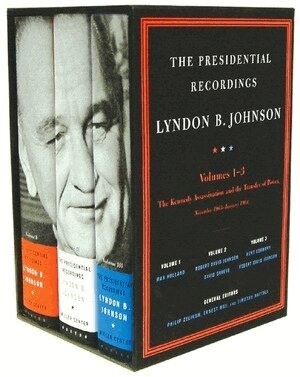
Presidential Recordings: Lyndon B. Johnson
The Kennedy Assassination and the Transfer of Power: November 1963-January 1964
Av Max Holland, Robert David Johnson m. fl.
2005
1351 kr
Tillfälligt slut
Lyndon B. Johnson secretly recorded 700 hours of telephone conversations as president. With these three volumes, slipcased with audio DVD, the University of Virginia's Miller Center of Public Affairs begins a groundbreaking series that will ultimately include annotated transcripts of all of …
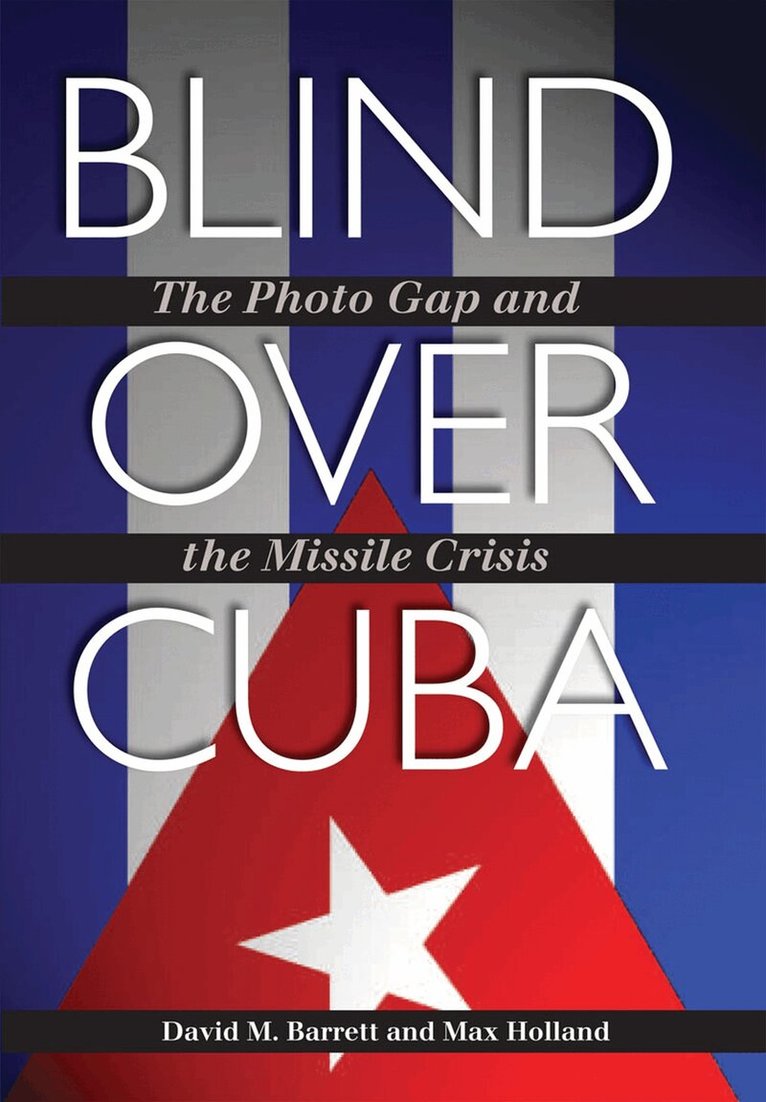
Blind Over Cuba
The Photo Gap and the Missile Crisis
Av David M. Barrett, Max Holland
Inbunden, 2012
353 kr
Tillfälligt slut
In the aftermath of the Cuban Missile Crisis, questions persisted about how the potential cataclysm had been allowed to develop. A subsequent congressional investigation focused on what came to be known as the “photo gap”: five weeks during which intelligence-gathering flights over Cuba had been …