David Meara - Böcker
Visar alla böcker från författaren David Meara. Handla med fri frakt och snabb leverans.
7 produkter
7 produkter
178 kr
Skickas
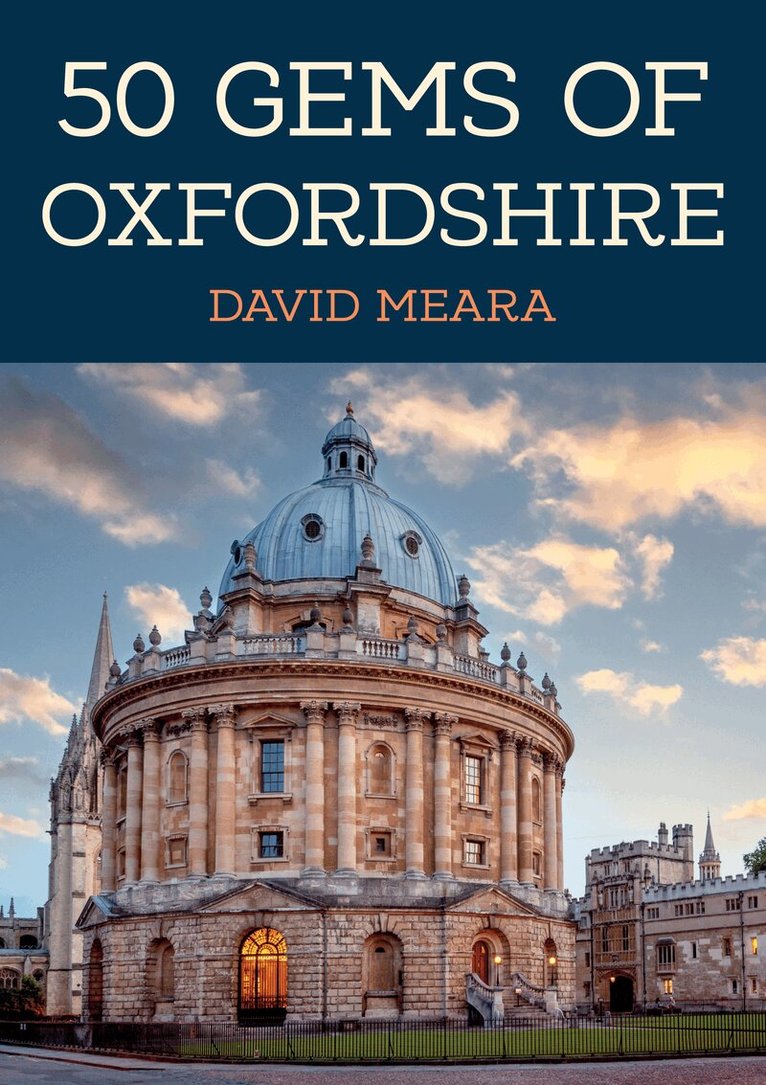
Oxfordshire is rich in many things: fine agricultural land and areas of dense woodland; delightful towns like Burford, Woodstock, Dorchester and Henley; the stately River Thames that bisects the county; the ironstone villages of the northern border; the Oxford Canal meandering its way through remote countryside; and splendid country houses at Blenheim, Chastleton and Rousham. The jewel in the crown is the city of Oxford itself, with its ancient honey-coloured buildings and dreaming spires.This book celebrates both Oxfordshire’s well-known glories and hidden gems such as the ruined manor at Hampton Gay, the brewery at Hook Norton and the glories of Wytham Woods. Highlighting these and other gems, this book gives an enticing picture of the rich variety of experiences and sights the county of Oxfordshire has to offer.
173 kr
Skickas
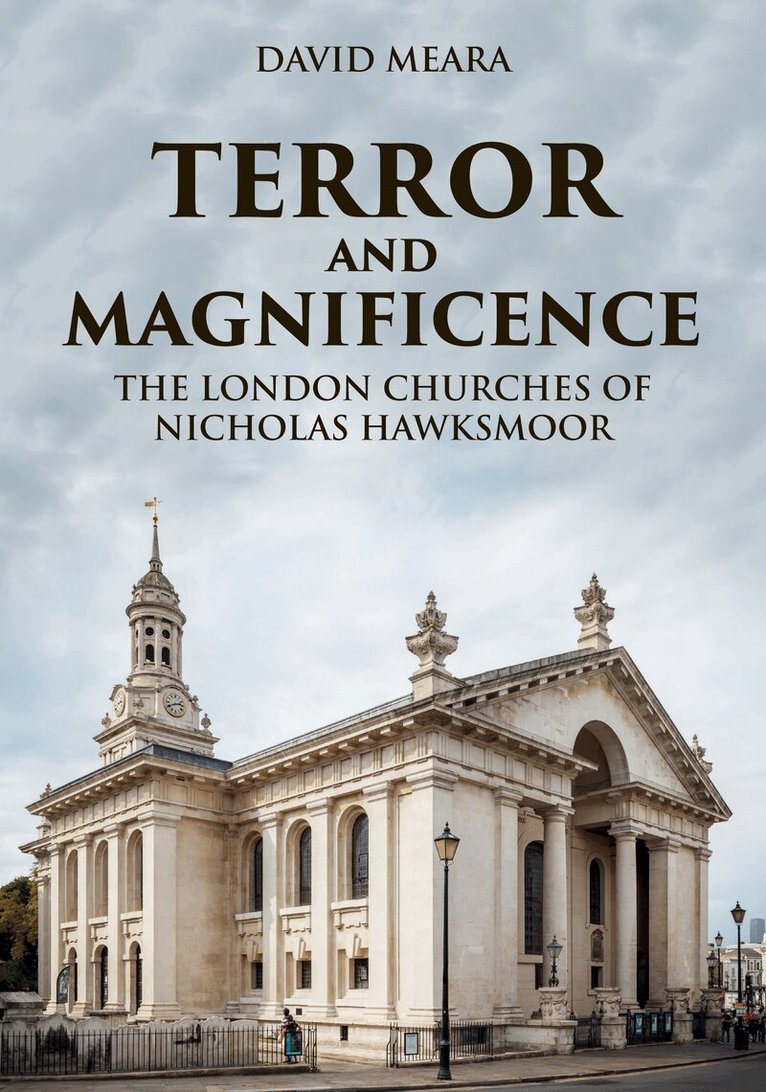
Nicholas Hawksmoor is one of a number of distinguished architects who worked in the seventeenth century. Others included Sir Christopher Wren, Inigo Jones, and Sir John Vanbrugh. But while we remember Wren for St Paul’s Cathedral, Inigo Jones for the Banqueting House in Whitehall, and Vanbrugh for Blenheim Palace, Hawksmoor has no major work associated with him, and remains relatively unknown in comparison with his contemporaries. This lavishly illustrated guide to his London churches, including the steeples he designed for Wren’s City Churches, also looks at Hawksmoor’s life and wider work and includes a guided tour around his churches from former Archdeacon of London David Meara.
178 kr
Skickas
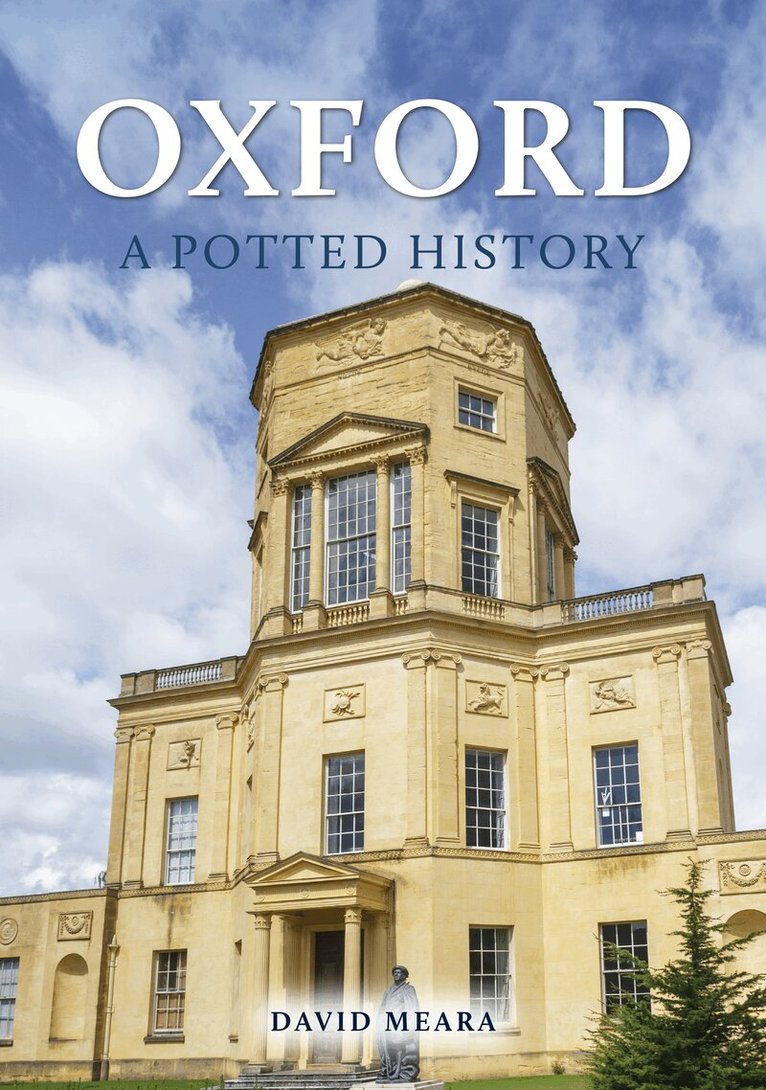
Oxford’s history begins with the story of a king’s daughter, Frideswide, who founded a nunnery in the meadows where the River Thames and River Cherwell meet. A settlement grew up around her shrine, which was built on the site of the present cathedral and it was also a good place for cattle to cross, hence the name ‘Ox-Ford’. A Norman castle was built after the Conquest, and students were first attracted there in the reign of Henry I. The town and university continued to grow through the ravages of the Black Death, and in the Civil War became the home of Charles I’s royal court. The pioneering Radcliffe Observatory was built in the eighteenth century and over the next couple of centuries industrialisation came to Oxford with the canal and railway network, printing and publishing, car manufacturing and brewing among other industries, and suburbs were built to house the working population. Today, alongside its universities, its role as a technological and medical hub is demonstrated by its development of the Oxford-AstraZeneca Covid-19 vaccine, but it is also home to the Oxford Committee for Famine Relief, founded in 1942, which opened its first Oxfam shop in 1949. The shop is still there on Broad Street today.This book will look back over the centuries to uncover the fascinating history of the city. This accessible historical portrait of the transformation that Oxford has undergone through the ages will be of great interest to residents, visitors and all those with links to the city.
178 kr
Skickas
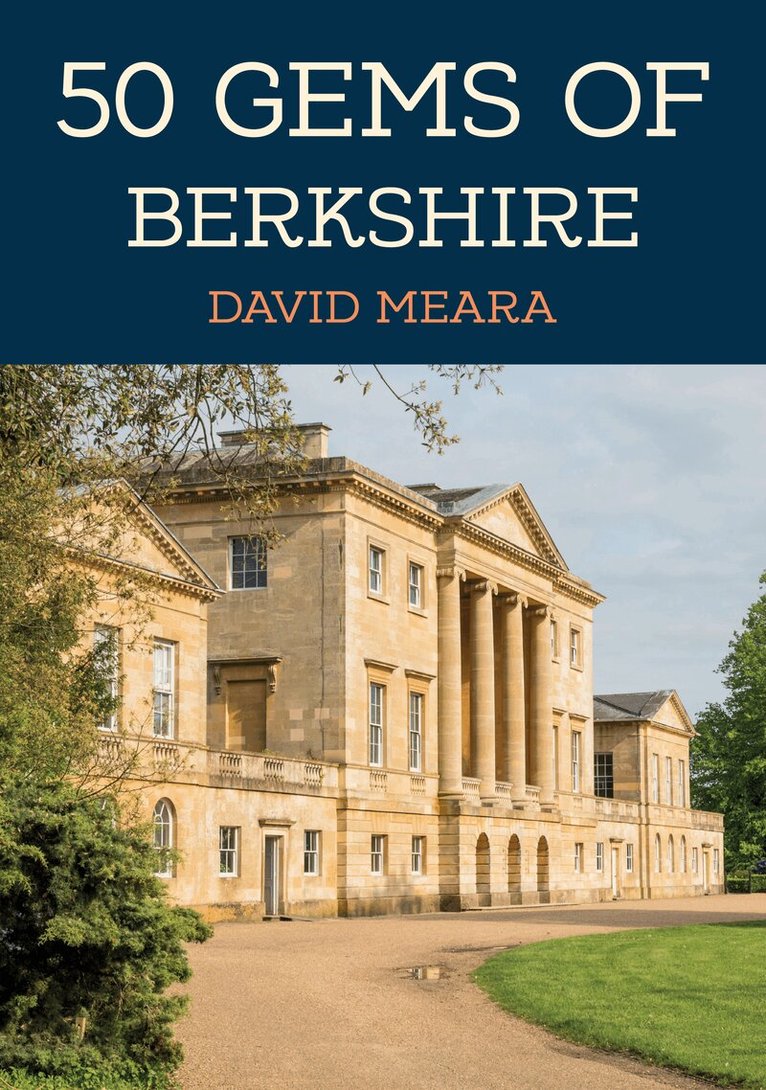
The county of Berkshire is home to a through route from east to west following the River Thames, the ancient Ridgeway, the A4 trunk road, the Kennet and Avon Canal and the Great Western Railway. Within this long, slipper-shaped county there is something for everyone - gems from medieval to modern times. It can be divided into five geographical sections: the Vale of the White Horse, the Chalk Downs, the Kennet Valley, the district east of the River Loddon and the Thames Valley itself. Glorious buildings stand at Bisham and Ufton Court, there is the splendid gatehouse of Donnington Castle and the crowning glory of all, Windsor Castle and St George’s Chapel. There are fine market towns, the White Horse at Uffington, Roman Silchester, the medieval barn at Great Coxwell, grand stately homes and fascinating medieval churches. Other attractions include the Savill Gardens at Windsor, the Museum of Berkshire Aviation, the Stanley Spencer Gallery at Cookham and the Sandham Memorial Chapel, the Thames Valley Police Museum, the Beale Wildlife Park and the Windsor and Eton Brewery.50 Gems of Berkshire explores the many places and their history that make this part of the country so special, including natural features, towns and villages, buildings and places of historical interest. Alongside justly famous attractions, others will be relatively unknown, but all have an interesting story to tell.
193 kr
Skickas
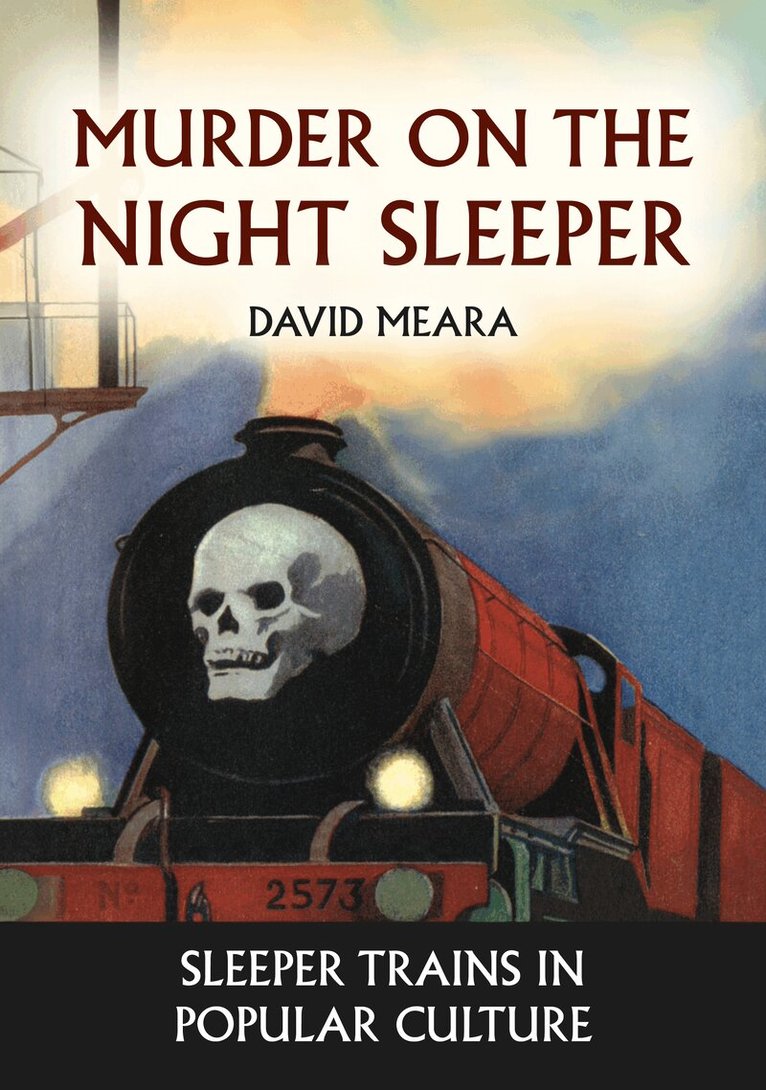
Of all the environments most conducive to a little murder and intrigue, the overnight sleeper train is the best. The combination of a private sleeping compartment, a journey through the hours of darkness to a far-flung destination and a closed environment isolated from the outside world offers an ideal opportunity for committing a crime and unravelling a mystery. This book explores the enduring popularity of night trains as the setting for murder and mayhem in fiction over the past 150 years.Beginning with a brief overview of trains in detective fiction to set the scene, David Meara traces the story of sleeper trains in stories from the United States of America, Great Britain and Europe. The reader is taken on a journey through this fictional world of sleeper train travel, examining some of the stories that have been woven around these trains, and copiously illustrated to bring both the stories and trains to life.In his short story Murder on the 7.16, one of Michael Innes’ characters says, ‘I’ve no use for trains, if they are not in a thriller – or for thrillers, if there isn’t a train.’ In this intriguing book there are plenty of both.
178 kr
Skickas inom 11-20 vardagar
For over a hundred years there have been sleeper trains running to a variety of destinations around the British Isles. The longest running services are those between England and Scotland, which started in 1873.The Scottish sleeper services, now branded as the Caledonian Sleeper and currently operated by Serco, are due to have seventy-five brand new Mk 5 carriages introduced into service in the spring of 2018 that will create a new level of hotel-style service.In this book, illustrated throughout, David Meara tells the fascinating story of these icons of Britain’s railways, offering a history of the service, including the motorail operation, as well as stories and anecdotes from those who use the sleepers. This book truly captures the essence of what is still one of the most civilised ways of travelling long distances in this country.
173 kr
Skickas
After the German surrender in November 1918, the German High Seas Fleet was interned at Scapa Flow in the Orkney Islands, the anchorage for the Royal Navy’s Grand Fleet throughout the First World War. Determined not to see his ships fall into the hands of the Allied Powers as the protracted peace negotiations at Versailles dragged on, the German commander, Admiral Von Reuter, decided to scuttle his fleet and secretly passed orders between his ships for their skeleton crews to open the seacocks on 21 June 1919. Most ships began to sink within hours, witnessed by a visiting group of school children suddenly caught up in an event of international importance.More than fifty of the seventy-four German ships that had steamed into Scapa Flow were successfully scuttled and sunk, the remainder having been beached before they could sink. More than thirty of the sunken warships would later be raised but the others remain on the seabed, making Scapa Flow one of the world’s top diving destinations.This book follows the events of that momentous day, drawing on the eyewitness accounts of those who saw the crisis unfold at first hand. The book makes extensive use of archive material, personal letters and contemporary photographs to bring alive the extraordinary events of that Midsummer’s Day in 1919.