David Poyner – författare
Visar alla böcker från författaren David Poyner. Handla med fri frakt och snabb leverans.
7 produkter
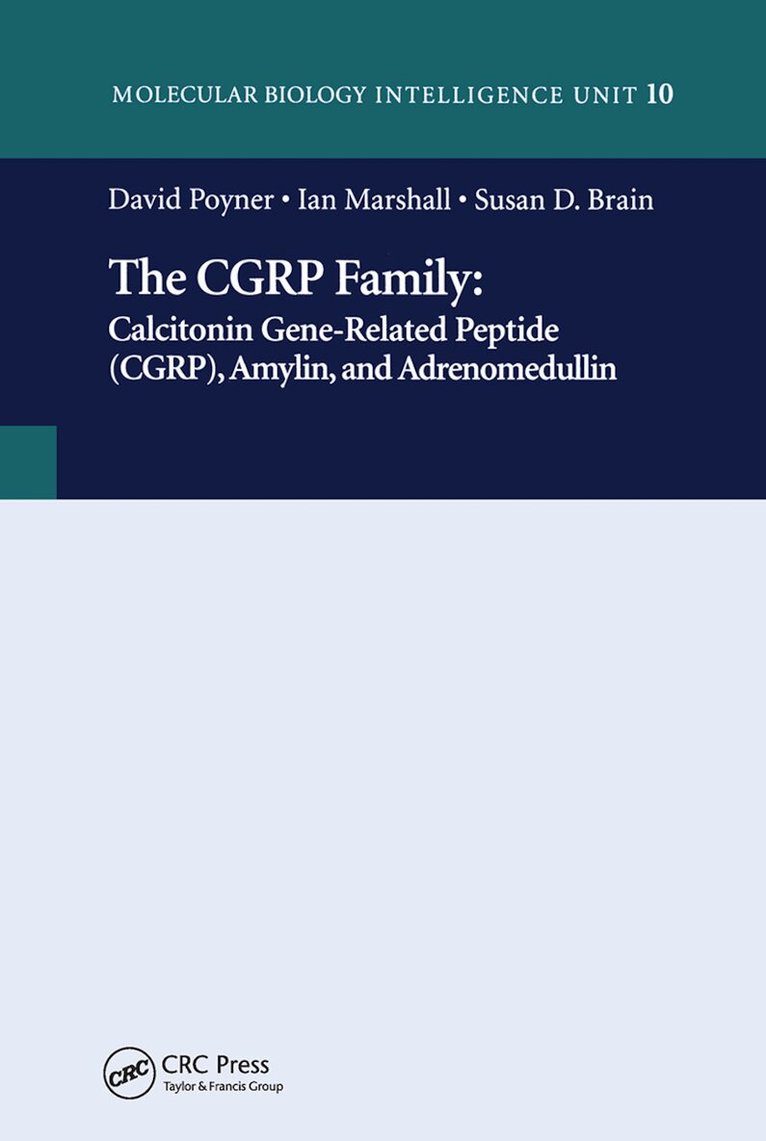
CGRP Family
Calcitonin Gene-Related Peptide (CGRP), Amylin and Adrenomedullin
Av David Poyner
Häftad, 2019
1018 kr
Lägg i varukorg
This book is based on presentations given at CGRP '98, the Third International Meeting on CGRP and related peptides held in the UK in May 1998. The principal speakers have each contributed a chapter and many of the short and poster communications will also be found here. This book follows from the …
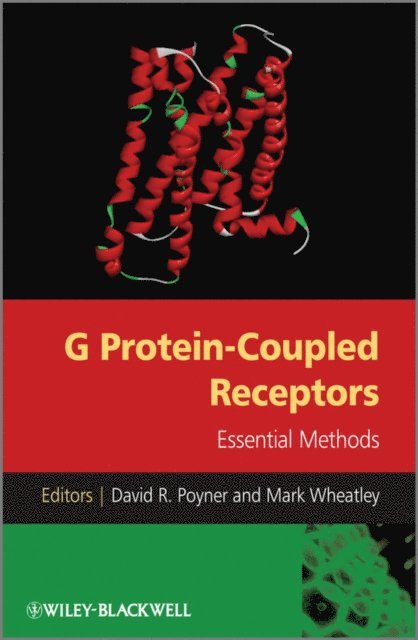
G Protein-Coupled Receptors
Essential Methods
Av Mark Wheatley, David Poyner
E-bok, 2009
1564 kr
Lägg i varukorg
G-Protein Coupled Receptors (GPCRs) are not only the largest protein family in the human genome but are also the single biggest target for therapeutic agents. Research into GPCRs is therefore growing at a fast pace and the range of techniques that can be applied to GPCRs is vast and continues to …
CGRP Family
Calcitonin Gene-Related Peptide (CGRP), Amylin and Adrenomedullin
Av David Poyner
E-bok, 1999
1195 kr
Lägg i varukorg
This book is based on presentations given at CGRP ''98, the Third International Meeting on CGRP and related peptides held in the UK in May 1998. The principal speakers have each contributed a chapter and many of the short and poster communications will also be found here. This book follows from the …
CGRP Family
Calcitonin Gene-Related Peptide (CGRP), Amylin and Adrenomedullin
Av David Poyner
E-bok, 1999
1231 kr
Lägg i varukorg
This book is based on presentations given at CGRP ''98, the Third International Meeting on CGRP and related peptides held in the UK in May 1998. The principal speakers have each contributed a chapter and many of the short and poster communications will also be found here. This book follows from the …
G Protein-Coupled Receptors
Essential Methods
Av David Poyner, Mark Wheatley
Inbunden, 2010
1000 kr
Tillfälligt slut
G-Protein Coupled Receptors (GPCRs) are not only the largest protein family in the human genome but are also the single biggest target for therapeutic agents. Research into GPCRs is therefore growing at a fast pace and the range of techniques that can be applied to GPCRs is vast and continues to …
G Protein–Coupled Receptors – Essential Methods
Av David Poyner, Mark Wheatley
2010
1037 kr
Tillfälligt slut
G-Protein Coupled Receptors (GPCRs) are not only the largest protein family in the human genome but are also the single biggest target for therapeutic agents. Research into GPCRs is therefore growing at a fast pace and the range of techniques that can be applied to GPCRs is vast and continues to …
CGRP Family
Calcitonin Gene-Related Peptide (CGRP), Amylin and Adrenomedullin
Av David Poyner
Inbunden, 1999
1657 kr
Tillfälligt slut
This book is based on presentations given at CGRP '98, the Third International Meeting on CGRP and related peptides held in the UK in May 1998. The principal speakers have each contributed a chapter and many of the short and poster communications will also be found here. This book follows from the …