David R. Goyes – författare
Visar alla böcker från författaren David R. Goyes. Handla med fri frakt och snabb leverans.
7 produkter
7 produkter
Inbunden, Engelska, 2023
363 kr
Skickas inom 5-8 vardagar
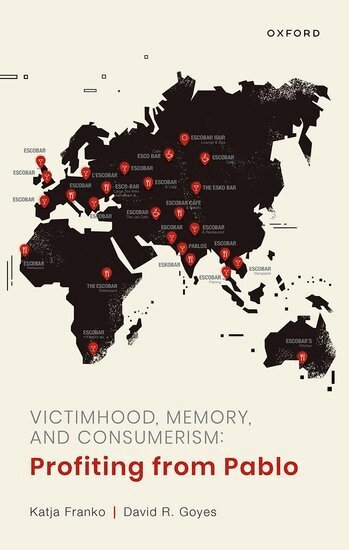
Inhabitants of Medellín, Colombia, suffered from the war-like violence perpetrated by drug cartels and other actors in the 1980s and 1990s. Thousands died, including innocent civilians, judges, and journalists, many more were injured and suffered psychological trauma. Three decades later, however, transnational media companies such as Netflix have transformed the traumatic memories into entertainment while the main perpetrator, Pablo Escobar, became a recognizable brand name. Even as global audiences are captivated by Escobar's life and myth, his victims' stories fade into oblivion.Victimhood, Memory, and Consumerism: Profiting from Pablo documents the story of violence inflicted on Medellín, and critically examines the status of its victims. Drawing on unique empirical material, the book addresses the impact of commercial exploitation of the city's violent past on the victims of mass drug violence and on the present nature of the city. To demonstrate the magnitude of the profits made from the legacy of Pablo Escobar, the authors cover a range of topics. First, they discuss the appropriation by commercial forces of the city's traumatic past for the purposes of entertainment; second, they describe Escobar tours, souvenirs, and other collectibles offered by Medellín's tourism industry; and, lastly, they expose the less visible gains reaped by political and social actors who participate in the global mythmaking surrounding Escobar. Through interviews with those directly affected by drug violence, the authors show that these cultural forces have immediate symbolic and material consequences.Victimhood, Memory, and Consumerism offers a poignant critique of the role of the global market economy in the unequal distribution of narrative power among those engaged in processes of collective memory construction. The book aims, more broadly, at addressing an issue that has so far been neglected in the disciplines of criminology, international criminal justice, and victimology, namely the status of victims of large-scale drug violence. A thoroughly compelling read, this volume will appeal internationally to academics in criminology and victimology, as well as those interested in critical perspectives on Netflix, commercialism, and Colombian history.
E-bok
PDF, Engelska, 2023344 kr
Läs direkt efter köp
Inhabitants of Medellín, Colombia, suffered from the war-like violence perpetrated by drug cartels and other actors in the 1980s and 1990s. Thousands died, including innocent civilians, judges, and journalists, many more were injured and suffered psychological trauma. Three decades later, however, transnational media companies such as Netflix have transformed the traumatic memories into entertainment while the main perpetrator, Pablo Escobar, became a recognizable brand name. Even as global audiences are captivated by Escobar''s life and myth, his victims'' stories fade into oblivion. Victimhood, Memory, and Consumerism: Profiting from Pablo documents the story of violence inflicted on Medellín, and critically examines the status of its victims. Drawing on unique empirical material, the book addresses the impact of commercial exploitation of the city''s violent past on the victims of mass drug violence and on the present nature of the city. To demonstrate the magnitude of the profits made from the legacy of Pablo Escobar, the authors cover a range of topics. First, they discuss the appropriation by commercial forces of the city''s traumatic past for the purposes of entertainment; second, they describe Escobar tours, souvenirs, and other collectibles offered by Medellín''s tourism industry; and, lastly, they expose the less visible gains reaped by political and social actors who participate in the global mythmaking surrounding Escobar. Through interviews with those directly affected by drug violence, the authors show that these cultural forces have immediate symbolic and material consequences. Victimhood, Memory, and Consumerism offers a poignant critique of the role of the global market economy in the unequal distribution of narrative power among those engaged in processes of collective memory construction. The book aims, more broadly, at addressing an issue that has so far been neglected in the disciplines of criminology, international criminal justice, and victimology, namely the status of victims of large-scale drug violence. A thoroughly compelling read, this volume will appeal internationally to academics in criminology and victimology, as well as those interested in critical perspectives on Netflix, commercialism, and Colombian history.
E-bok
Engelska, 2023356 kr
Läs direkt efter köp
Inhabitants of Medellín, Colombia, suffered from the war-like violence perpetrated by drug cartels and other actors in the 1980s and 1990s. Thousands died, including innocent civilians, judges, and journalists, many more were injured and suffered psychological trauma. Three decades later, however, transnational media companies such as Netflix have transformed the traumatic memories into entertainment while the main perpetrator, Pablo Escobar, became a recognizable brand name. Even as global audiences are captivated by Escobar''s life and myth, his victims'' stories fade into oblivion. Victimhood, Memory, and Consumerism: Profiting from Pablo documents the story of violence inflicted on Medellín, and critically examines the status of its victims. Drawing on unique empirical material, the book addresses the impact of commercial exploitation of the city''s violent past on the victims of mass drug violence and on the present nature of the city. To demonstrate the magnitude of the profits made from the legacy of Pablo Escobar, the authors cover a range of topics. First, they discuss the appropriation by commercial forces of the city''s traumatic past for the purposes of entertainment; second, they describe Escobar tours, souvenirs, and other collectibles offered by Medellín''s tourism industry; and, lastly, they expose the less visible gains reaped by political and social actors who participate in the global mythmaking surrounding Escobar. Through interviews with those directly affected by drug violence, the authors show that these cultural forces have immediate symbolic and material consequences. Victimhood, Memory, and Consumerism offers a poignant critique of the role of the global market economy in the unequal distribution of narrative power among those engaged in processes of collective memory construction. The book aims, more broadly, at addressing an issue that has so far been neglected in the disciplines of criminology, international criminal justice, and victimology, namely the status of victims of large-scale drug violence. A thoroughly compelling read, this volume will appeal internationally to academics in criminology and victimology, as well as those interested in critical perspectives on Netflix, commercialism, and Colombian history.
Inbunden, Engelska, 2023
1 490 kr
Skickas inom 5-8 vardagar
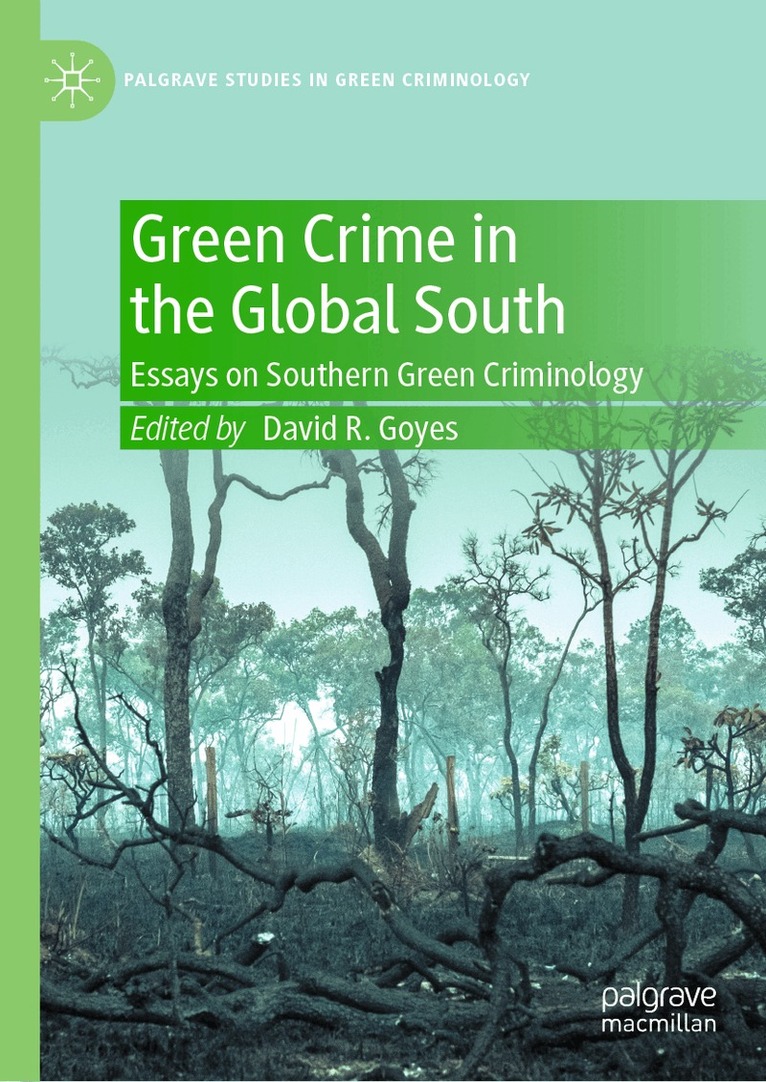
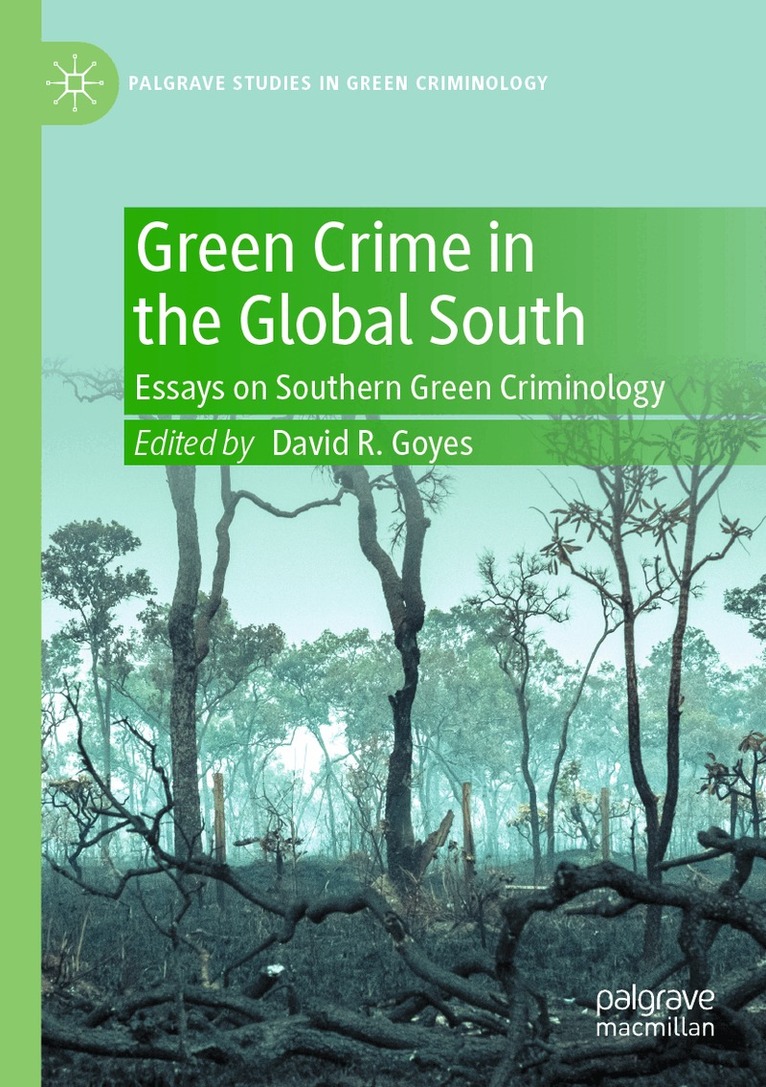
This book presents a socio-criminological study of environmental crime in the global South. It gathers contributors from all the regions of the geographical global South (Africa, Asia, Oceania, and Latin America) to discuss instances of environmental crime and conflict. Overall, it seeks to further decolonise the knowledge production of green criminology. It considers the legacy of colonisation, North-South and the core-periphery divides in the production of environmental crime, the epistemological contributions of the marginalised, impoverished, and oppressed, and the unique contexts of the global South. This book has three sections: drivers of green crime in the global South; responses to environmental harm in the global South; and global dialogues about crime and destruction in the global South. The first two sections represent the breadth of the topics that green criminologists have historically studied but from unique perspectives. The third section explores ethical anddecolonial ways for Southern green criminology to collaborate with Western academia. This book speaks to scholars in criminology, political ecology, decolonial theory, along with the many readers interested in the interactions between humans and nature.
E-bok
Engelska, 20231 826 kr
Läs direkt efter köp
This book presents a socio-criminological study of environmental crime in the global South. It gathers contributors from all the regions of the geographical global South (Africa, Asia, Oceania, and Latin America) to discuss instances of environmental crime and conflict. Overall, it seeks to further decolonise the knowledge production of green criminology. It considers the legacy of colonisation, North-South and the core-periphery divides in the production of environmental crime, the epistemological contributions of the marginalised, impoverished, and oppressed, and the unique contexts of the global South. This book has three sections: drivers of green crime in the global South; responses to environmental harm in the global South; and global dialogues about crime and destruction in the global South. The first two sections represent the breadth of the topics that green criminologists have historically studied but from unique perspectives. The third section explores ethical anddecolonial ways for Southern green criminology to collaborate with Western academia. This book speaks to scholars in criminology, political ecology, decolonial theory, along with the many readers interested in the interactions between humans and nature.
648 kr
Skickas inom 5-8 vardagar
Häftad, Engelska, 2024
1 620 kr
Skickas inom 10-15 vardagar
This book presents a socio-criminological study of environmental crime in the global South. It gathers contributors from all the regions of the geographical global South (Africa, Asia, Oceania, and Latin America) to discuss instances of environmental crime and conflict. Overall, it seeks to further decolonise the knowledge production of green criminology. It considers the legacy of colonisation, North-South and the core-periphery divides in the production of environmental crime, the epistemological contributions of the marginalised, impoverished, and oppressed, and the unique contexts of the global South. This book has three sections: drivers of green crime in the global South; responses to environmental harm in the global South; and global dialogues about crime and destruction in the global South. The first two sections represent the breadth of the topics that green criminologists have historically studied but from unique perspectives. The third section explores ethical anddecolonial ways for Southern green criminology to collaborate with Western academia. This book speaks to scholars in criminology, political ecology, decolonial theory, along with the many readers interested in the interactions between humans and nature.